










From Beijing to the Caspian: What Azerbaijan gains from the SCO Analysis by Khazar Akhundov
A two-day summit of the Shanghai Cooperation Organisation (SCO) began yesterday in Bishkek, bringing together leaders to mark the 25th anniversary of the organisation’s establishment. The anniversary summit focused on international and regional security, the SCO’s future development, and expanding cooperation in trade and investment, transport, digitalisation, and other areas.
The summit was attended by Azerbaijani President Ilham Aliyev, the leaders of 17 countries, and UN Secretary-General António Guterres.
Azerbaijan has been steadily deepening its engagement with the SCO for more than a decade. This growing cooperation has been driven by several interconnected factors: expanding trade with China, Azerbaijan’s role in the Belt and Road Initiative, and increasingly close economic ties with Central Asian countries, particularly in energy, logistics, and freight transit along the Middle Corridor.
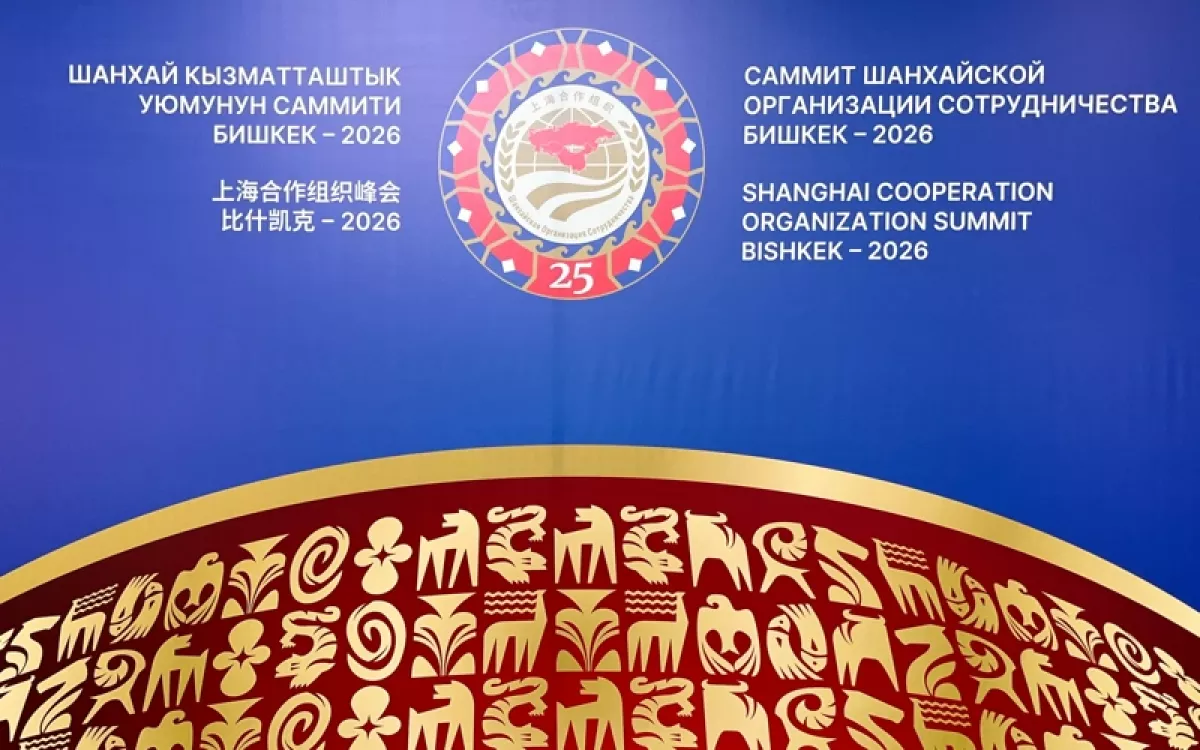
The Shanghai Cooperation Organisation (SCO) is a permanent intergovernmental international organisation established in 2001 by the leaders of six countries: China, Russia, Kazakhstan, Kyrgyzstan, Tajikistan, and Uzbekistan. India, Pakistan, Iran, and Belarus later joined the organisation. Afghanistan and Mongolia currently hold observer status, while more than a dozen other countries participate as dialogue partners.
Azerbaijan’s engagement with the SCO dates back to 2015, when the organisation’s Council of Heads of State decided to grant Baku dialogue partner status. The relevant memorandum was signed in Beijing in 2016.
The nature of Azerbaijan’s engagement with the SCO has evolved significantly over the past two years. In July 2024, Baku formally applied for observer status. Then, in September 2025, the SCO decided to establish a single “SCO Partner” status, replacing the previous categories of observer and dialogue partner. Although the transition to the new system still requires the completion of legal procedures, the direction is clear: Azerbaijan’s relationship with the SCO is moving beyond limited dialogue-partner engagement toward a more substantive form of participation.
This shift is also reflected in the level of Azerbaijan’s political representation. President Ilham Aliyev took part in the SCO Plus meetings in Astana in 2024 and Tianjin in 2025, underscoring Baku’s growing involvement in the organisation’s broader political and economic dialogue.
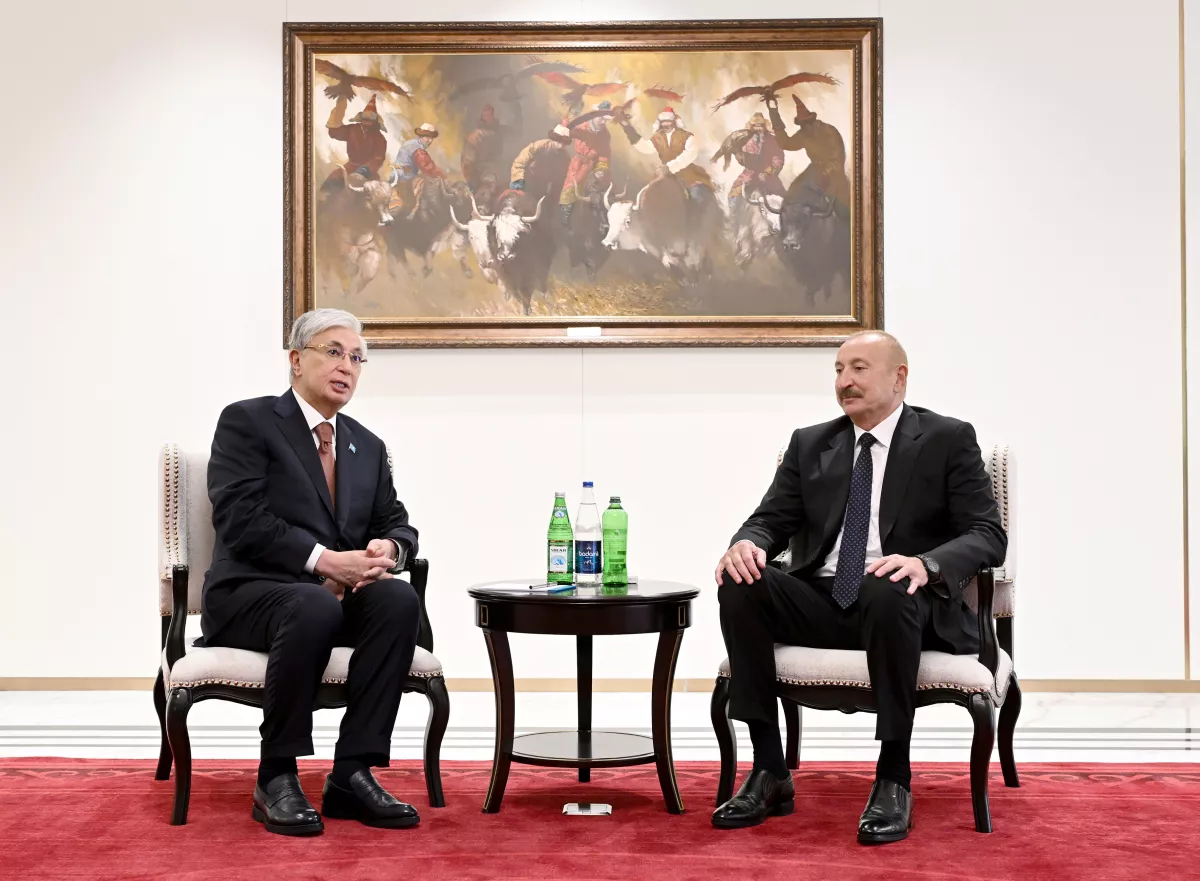
The Azerbaijani president’s current working visit to Kyrgyzstan is also yielding substantive results. On August 31, on the sidelines of the Bishkek summit, President Ilham Aliyev and Kazakh President Kassym-Jomart Tokayev discussed the strategic importance of the Middle Corridor, as well as prospects for expanding transport connectivity and logistics cooperation.
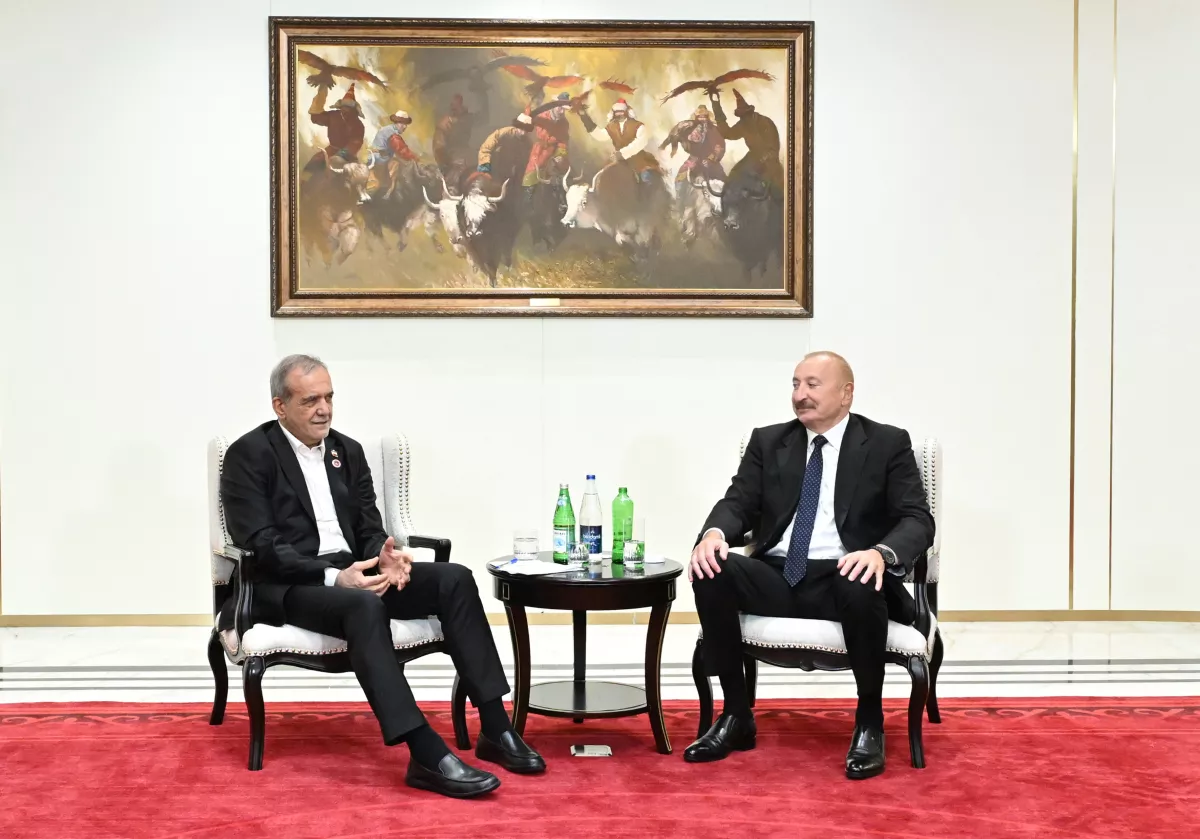
Transport links were also high on the agenda of President Aliyev’s meeting with Armenian Prime Minister Nikol Pashinyan, during which the two sides reviewed practical steps toward implementing the Trump Route for International Peace and Prosperity (TRIPP). In Bishkek, the Azerbaijani president also held talks with Iranian President Masoud Pezeshkian, with the two neighbouring countries’ leaders exchanging views on the development of bilateral relations.
The Bishkek summit once again underscored the relevance of the principles associated with the “Shanghai Spirit” in today’s international politics. These principles emphasise mutual respect, tolerance, economic cooperation, and equal dialogue as the basis for addressing regional and global challenges.
The SCO’s geographical footprint spans approximately 36 million square kilometres. The organisation brings together 26 participating countries with a combined population of around 3.43 billion people — more than 42% of the world’s population — making it one of the world’s largest regional groupings. Its agenda covers more than 50 areas of cooperation, with expanding trade and business ties among its key priorities.
According to World Bank data for 2025, the SCO’s combined economic potential stands at approximately $27.4 trillion, accounting for more than 23% of the global economy. Alongside security, the organisation’s development strategy through 2035 places particular emphasis on expanding trade, economic and investment cooperation, implementing joint projects, and strengthening collaboration in science and technology, healthcare, environmental protection, and education.
The Bishkek summit, held on August 31–September 1 under the theme “25 Years of the SCO: Together Towards Sustainable Peace, Development and Prosperity,” is expected to produce a number of agreements, including the anniversary Bishkek Declaration. Economic and transport cooperation, alongside security, are among the main items on the agenda.
Following the leaders’ meetings, SCO members are also expected to consider a package of measures aimed at strengthening the organisation’s financial mechanisms. These include initiatives to increase the use of national currencies in mutual settlements and establish new institutions for economic and financial cooperation.
When discussing the growing momentum of economic cooperation within the SCO, China’s role deserves particular attention. Beijing has placed Eurasian connectivity at the heart of its broader foreign economic strategy, most notably through the Belt and Road Initiative, launched in 2013 and extending across much of the Eurasian continent.
For SCO member states, cooperation with China is increasingly translating into concrete trade and investment opportunities. By the end of last year, Chinese investment in SCO member states had exceeded $34 billion, while annual trade between China and the organisation’s members surpassed $500 billion.
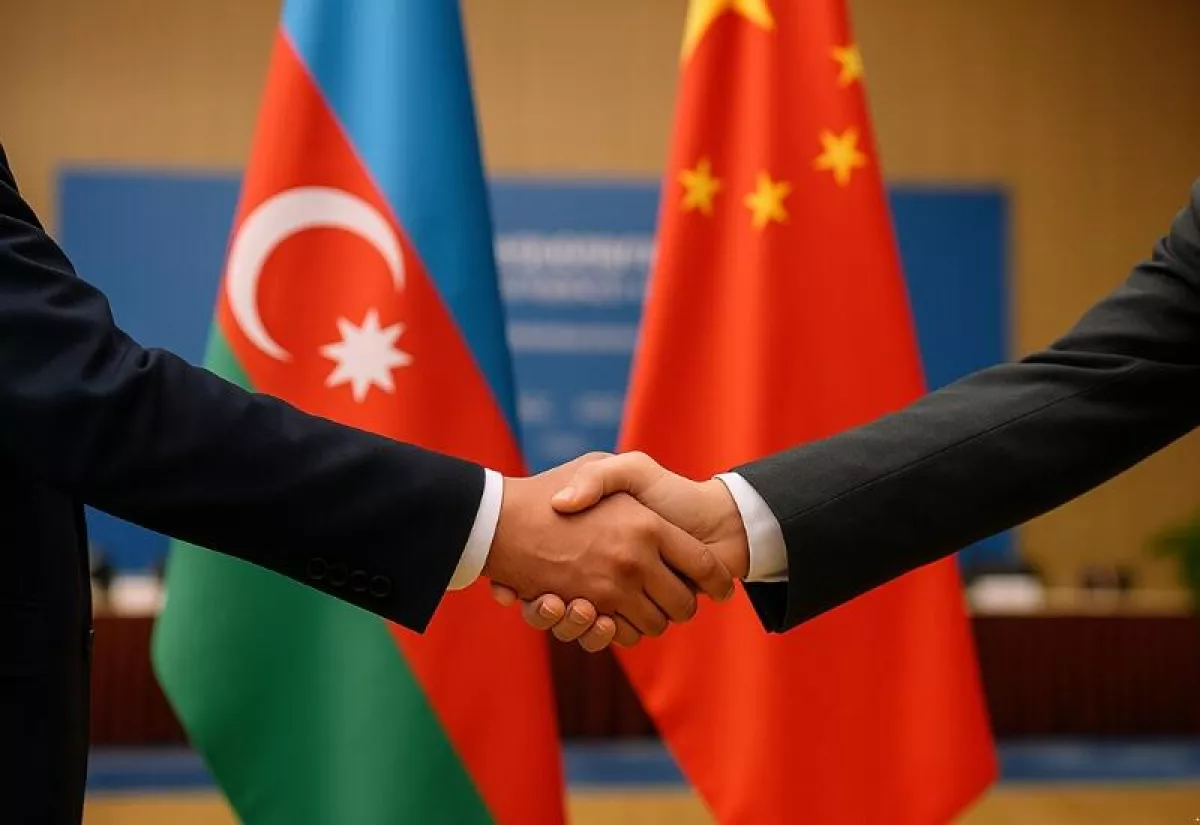
The importance Beijing attaches to Azerbaijan’s role within the SCO was also reflected in the “Joint Declaration on the Establishment of Strategic Partnership” signed by Azerbaijan and China in Astana on July 3, 2024. In the document, China welcomed Baku’s efforts to deepen cooperation within the SCO and expressed support for upgrading Azerbaijan’s status within the organisation.
For Azerbaijan, the SCO’s economic space is highly significant. It provides opportunities not only to expand trade with major Eurasian markets, but also to strengthen the country’s position in transport and logistics, attract investment, and develop energy cooperation.
These opportunities are already reflected in Azerbaijan’s rapidly expanding trade with China. According to the State Customs Committee, bilateral trade in goods reached $4.874 billion in 2025, up 30.2% from the previous year. Azerbaijan remains China’s largest trading partner in the South Caucasus, accounting for more than 40% of China’s total trade with the region.
For comparison, Azerbaijan’s total foreign trade reached $48.9 billion in 2025. Russia accounted for 10% of this trade, followed by China at 9.9%, Uzbekistan at 1.6%, Kazakhstan at 1.4%, and Iran at 1.3%. Taken together, these figures show that SCO member states account for roughly a quarter of Azerbaijan’s foreign trade, underscoring their importance as key economic partners.
Azerbaijan’s support for the Belt and Road Initiative, the growing presence of Azerbaijani trade and wine houses in China, and expanding investment ties are further strengthening the economic foundation of bilateral cooperation. The two countries are also accelerating joint projects in industry, passenger transportation, information technology, and green energy.
Around 275 companies with Chinese capital are currently registered in Azerbaijan, while Chinese investment in the Azerbaijani economy reached $942 million last year. At the same time, Azerbaijani investment in China, including investments made through the State Oil Fund of Azerbaijan, amounted to approximately $2.1 billion.
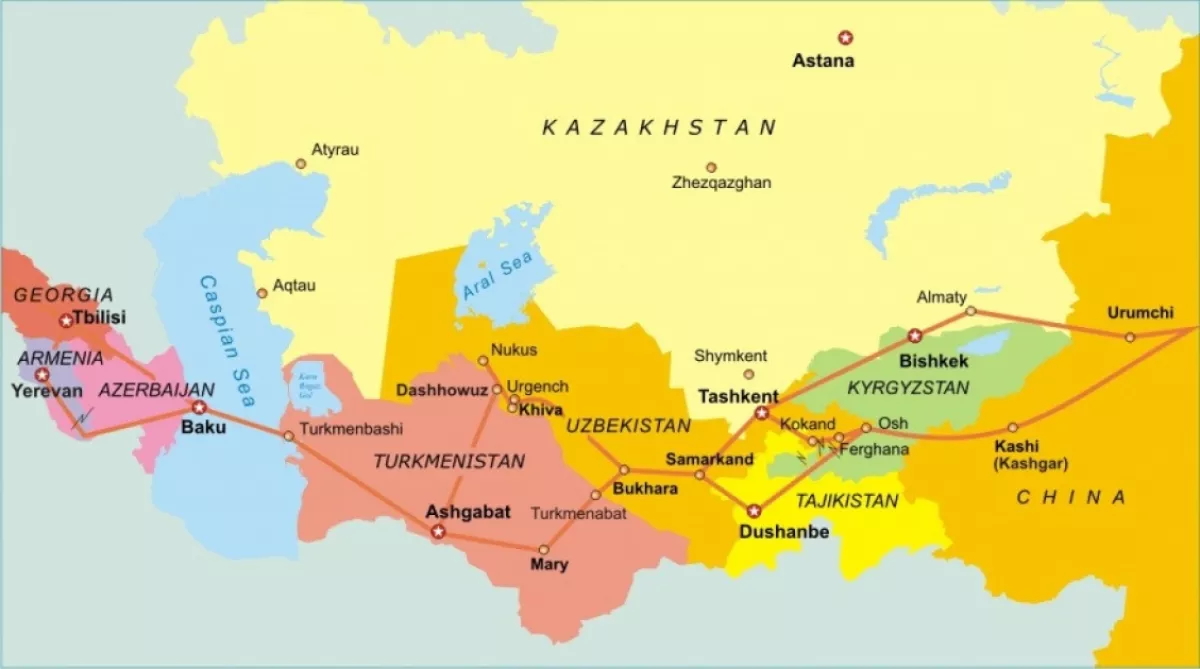
The development of transport routes linking China and Central Asia with the Caucasus and Europe is creating new trade opportunities, while rising cargo volumes are further strengthening Azerbaijan’s position as a regional transit hub. With its merchant fleet, the Baku International Sea Trade Port on the Caspian Sea, the Baku–Tbilisi–Kars railway, and the Zangezur Corridor now being developed, Azerbaijan is strategically positioned to facilitate connectivity between East and West, as well as North and South.
One of the key advantages is transit time. Container block trains travelling from China along the Trans-Caspian International Transport Route (TITR) can reach their destinations in approximately 18–20 days. This is less than half the time required by the maritime route through the Suez Canal, which typically takes 40 days or more.
This time advantage is helping drive the expansion of multimodal freight services from China through Azerbaijan to Türkiye and European markets, while also creating opportunities for cargo flows in the opposite direction. As these routes continue to develop, Azerbaijan’s role is increasingly extending beyond that of a transit country to that of a key link in the emerging Eurasian trade network.







 editor@caliber.az
 +994 55 444-88-98
 Азербайджан, Баку, ул. Низами, 203, Af Business House, 5-й этаж