










EU deepens security and energy ties with Azerbaijan — Euronews VIDEO
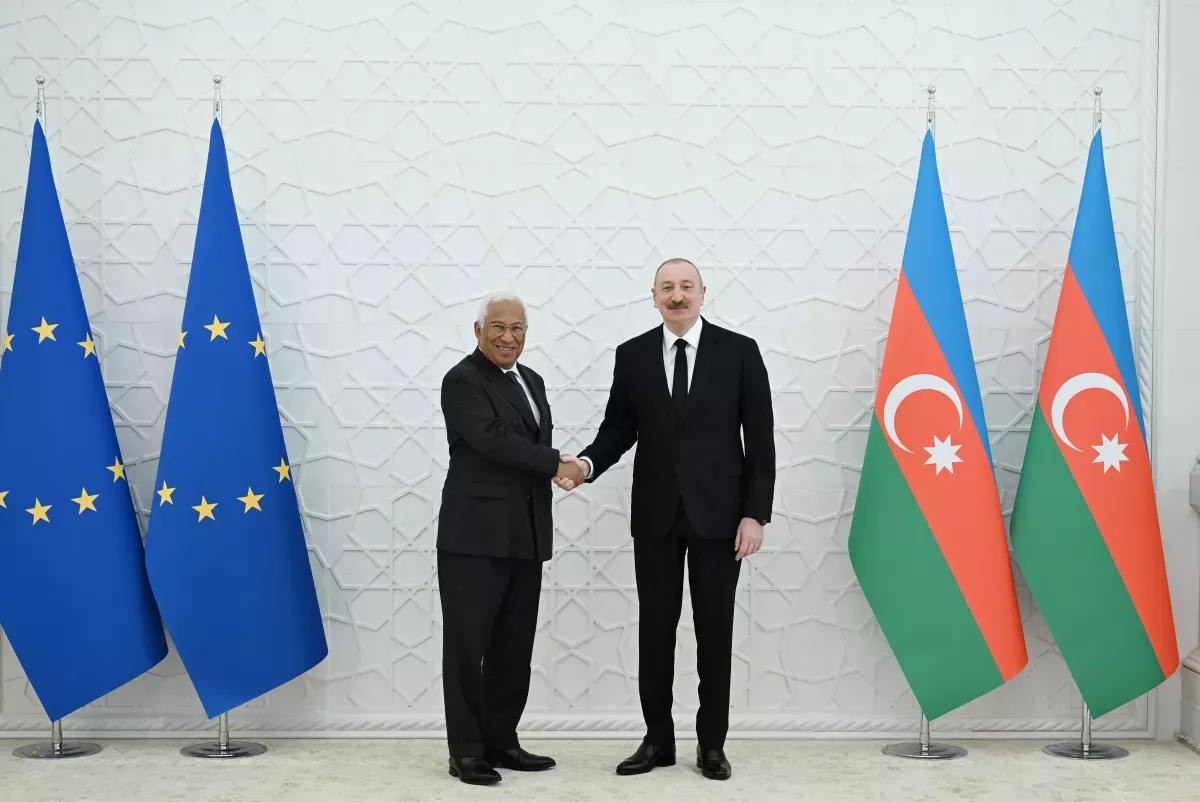
European Council President António Costa visited Baku on March 11 to advance the European Union’s collaboration with Azerbaijan in defence, security, and particularly energy, amid the escalating conflict in Iran that is sending shockwaves through global energy markets, according to Euronews.
Costa met with Azerbaijan’s President Ilham Aliyev and expressed the EU’s “full solidarity with the people of Azerbaijan,” following Iran’s attack on Azerbaijan’s Nakhchivan exclave last week.
Since the onset of the Iran war, Azerbaijan has assisted in evacuating approximately 1,800 people from Iran to Azerbaijan, including EU citizens.
“Let me extend my sincere appreciation for the assistance that Azerbaijan has provided to European citizens to facilitate their safe repatriation from Iran,” Costa stated during a joint briefing with Aliyev.
New framework for closer cooperation
Costa indicated that Brussels and Baku are developing a new framework aimed at expanding relations beyond their current energy ties.
According to the European Council president, this framework is set to strengthen cooperation in security, defence, energy, digital development, and transport.
“This sends a strong signal of our joint vision for the future,” Costa said, emphasizing that “energy security is a cornerstone of the EU’s cooperation with Azerbaijan.”
He noted that Azerbaijan, particularly the Southern Gas Corridor, has been pivotal for the EU in diversifying its gas, oil, and coal supply sources.
Amid the turmoil in global energy markets caused by the war in Iran, Costa described this partnership as now “more important than ever.”
“The EU stands ready to mobilise private investment and financing to support Azerbaijan’s energy transition. We also encourage greater involvement of European clean-tech companies in your ambitious plans,” he added.
Costa also touched on the potential for additional gas purchases from Azerbaijan to Europe under the 2022 memorandum of understanding, which targets doubling deliveries to 20 billion cubic metres.
Aliyev mentioned that Azerbaijani gas currently reaches 16 European countries, including 10 EU member states.
Costa highlighted connectivity as another key area for collaboration, stating that "the development of the Middle Corridor represents a strategic opportunity for new transport connections."
He stressed that completing the Baku-Nakhchivan rail link would be vital, adding, "By enhancing trade resilience between Europe and Asia, we can create jobs, drive growth, and strengthen our economies together."
South Caucasus role in Middle East
The Iran war and wider military escalation in the Middle East come after Azerbaijan and Armenia signed a landmark peace agreement following nearly four decades of conflict.
“The Washington Agreements reflect your commitment to dialogue and reconciliation, and the EU stands with you in supporting their full implementation," Costa said.
Aliyev responded that the countries are “already living in conditions of long-term peace.”
He noted that over the past seven months, Azerbaijan has begun supplying additional petroleum products to Armenia and lifted all restrictions on the transit of goods from third countries through Azerbaijani territory.
Aliyev added that the peace environment is already boosting the region’s economic and transit potential, particularly highlighting new opportunities for developing the Middle Corridor linking Asia and Europe.
“Transit and connectivity issues are crucial. After reaching a preliminary peace agreement with Armenia, new opportunities have emerged to expand the Middle Corridor, which strengthens our optimism,” he said.
Armenia’s growing cooperation with Azerbaijan and the EU
On March 11, as Costa and Aliyev met in Baku to emphasise South Caucasus peace, Armenia’s Prime Minister Nikol Pashinyan addressed the European Parliament in Strasbourg, stressing Armenia’s EU integration ambitions.
Last year, Armenia passed a law marking the start of its EU accession process, and since then, Yerevan has actively pursued closer ties with Brussels.
"Now, after the adoption of this law, many in Armenia ask: When will Armenia become a member of the European Union? Our answer is very clear: no country can become a member of the EU without meeting its standards,” Pashinyan told the European Parliament.
In his address, Pashinyan also rejected criticism of the peace agreement between Armenia and Azerbaijan.
“We are criticised for the fact that the peace established between Armenia and Azerbaijan is not perfect," the Armenian premier said. "But I ask you: Where is peace perfect? Where has perfect peace ever existed, and when?"
"On the contrary, it is the will to care for peace that can bring it as close to perfection as possible," Pashinyan concluded.
By Jeyhun Aghazada







 editor@caliber.az
 +994 55 444-88-98
 Азербайджан, Баку, ул. Низами, 203, Af Business House, 5-й этаж