










From oil power to innovation hub President Aliyev maps Azerbaijan’s next growth phase
From June 16 to 19, Azerbaijan’s capital is hosting the annual meeting of the Islamic Development Bank (IsDB) Group—one of the largest international events in the field of business cooperation and financing. Serving as an effective platform for discussing the global agenda and the parameters of cooperation with the IsDB, this forum also provides broad opportunities to showcase the results of Azerbaijan’s long-term reforms and economic achievements.
This agenda was most fully presented by Azerbaijani President Ilham Aliyev, who addressed the opening ceremony of the 2026 IsDB Group Annual Meetings recently.
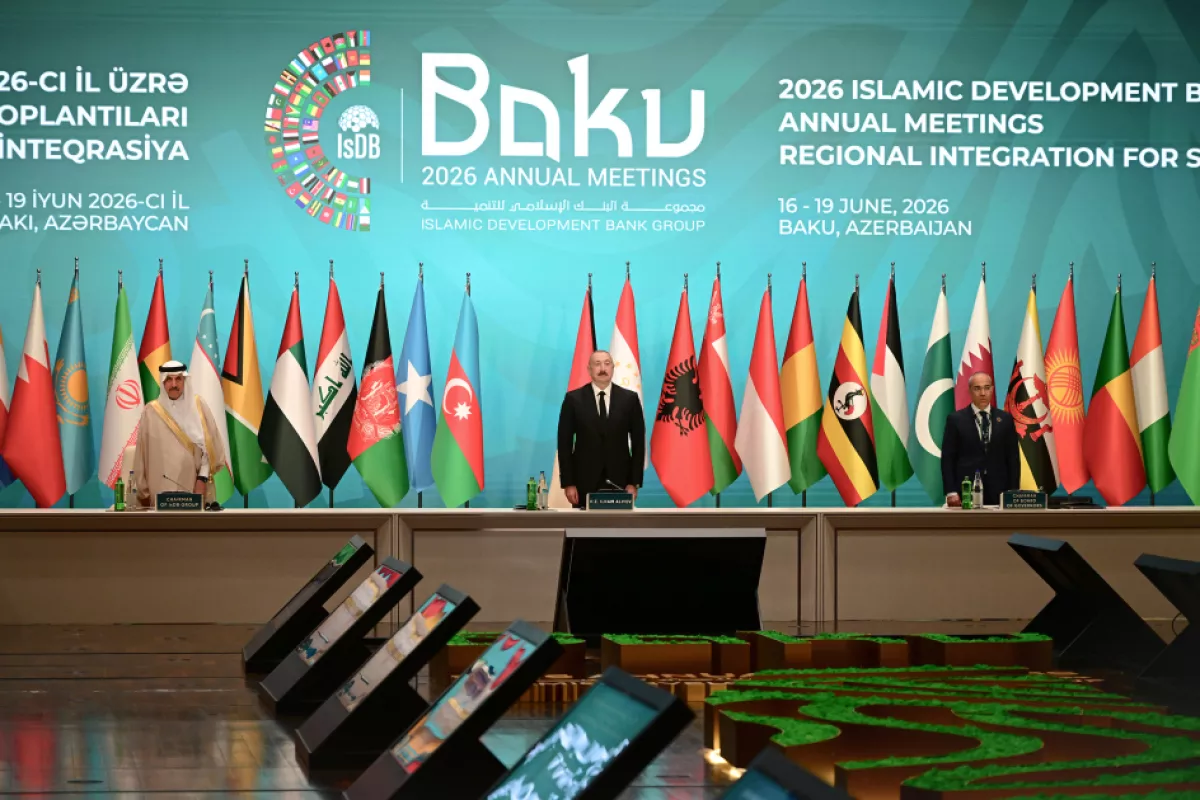
Having obtained full membership in the Islamic Development Bank in 1992, Azerbaijan has since joined all other structures of the IsDB, and 16 years ago, Baku hosted the Group’s annual meeting for the first time.
In his speech, the Head of the Azerbaijani state recalled that Azerbaijan is hosting the meeting for the second time: “Azerbaijan hosts the Annual Meeting for the second time, which also is a clear demonstration of our close ties, the level of cooperation, and the scope of joint activity. I remember very well 2010, when we were the host country for the first time.
And that Annual Meeting gave a strong boost to our partnership with the Group and also to the reforms Azerbaijan was implementing in order to diversify its economy, conduct reforms, and reduce dependence on the energy sector. Many things have changed since that time in Azerbaijan and around. One of the things that has not changed is Azerbaijan’s stable, successful development. This is the demonstration of the policy we conduct, a policy based on our national interests, on good relations with all the actors on the global arena and on a strong commitment to our successful development.”
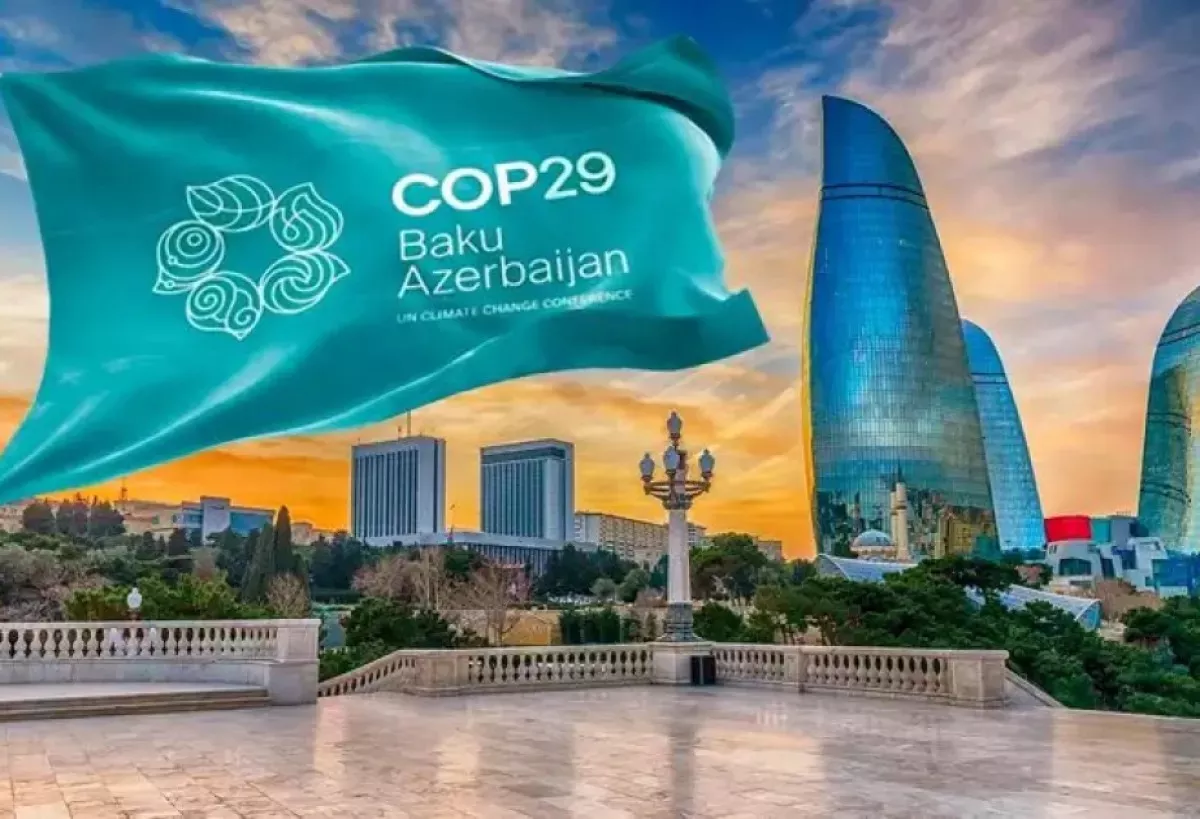
The head of state also noted that following the 2010 annual meeting of the IsDB Group held in Baku, Azerbaijan successfully hosted other major international events: “Among the recent ones, I would name the successful COP29 held in 2024 with remarkable results. And also, last month’s World Urban Forum, one of the big international gatherings, also was successfully held in Azerbaijan, and many more are to come. So this once again demonstrates a diversified agenda of our activity.”
Speaking about the changes that have taken place in Azerbaijan since 2010, the president emphasised that the most important achievement of this period was the restoration of the country’s territorial integrity and sovereignty, noting that almost immediately after the liberation of its territories, Azerbaijan launched a large-scale reconstruction programme.
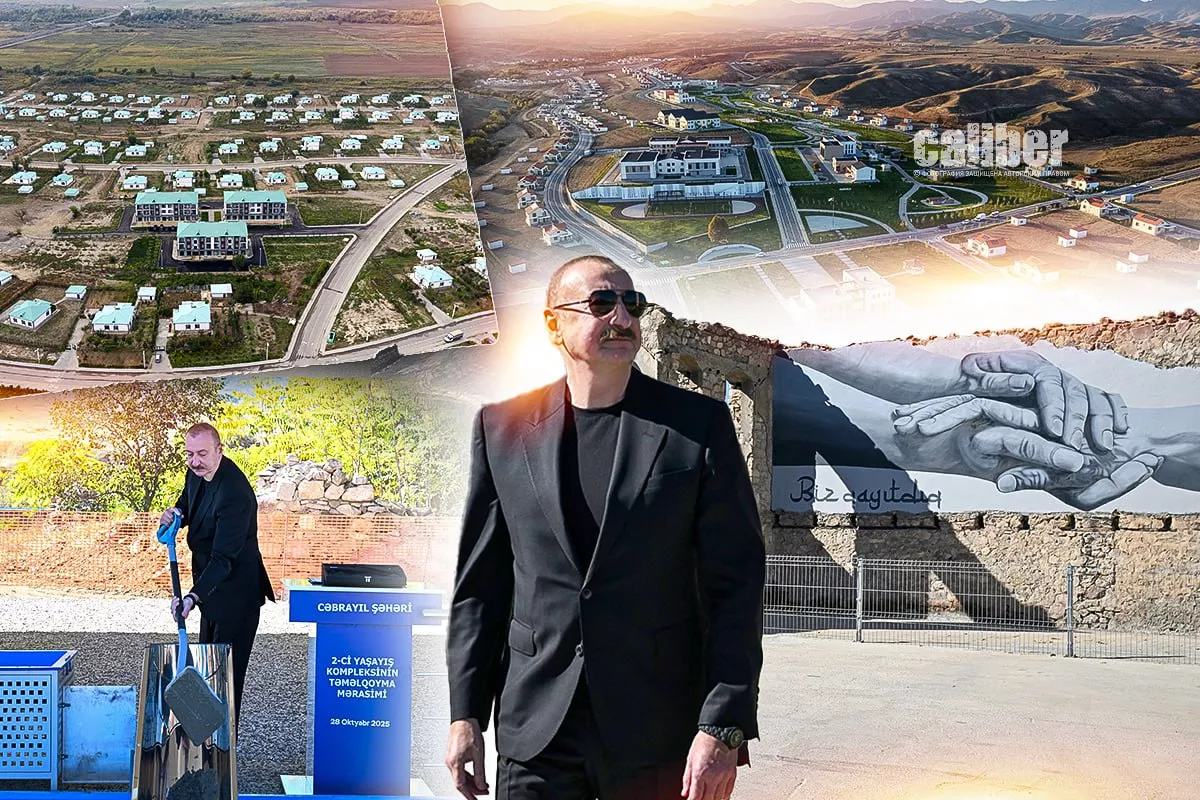
“Immediately after we liberated our territories, we started a large-scale reconstruction program. Today, already in Garabagh and East Zangazur, almost 90,000 people live, work, and study. We allocated from our state budget more than $15 billion to different infrastructure and housing projects, but from all sources, the volume of financing to liberated territories is close to $17 billion. Large-scale infrastructure projects are being implemented, including water storages, water canals, power stations, three international airports already commissioned, tunnels, and bridges,” President Aliyev stated, expressing gratitude to the Islamic Development Bank Group for its support of Azerbaijan’s efforts to restore the liberated territories.
An important message in the president’s address also concerned Azerbaijan’s achievements in the field of reforms and the formation of a modern, competitive economy. In this context, the head of state noted that within a relatively short period, steps were taken to successfully reduce the country’s external debt to 6% of GDP, with results in this area exceeding expectations.
It is also worth noting that the gold and foreign exchange reserves of the State Oil Fund and the Central Bank now exceed $88 billion, while the country’s external debt is 20 times lower, creating a solid foundation for macroeconomic stability. As Ilham Aliyev emphasised, the low level of external debt is a significant advantage, allowing the country to flexibly utilise external borrowing when necessary: “Azerbaijan is one of the leading countries with a very stable financial situation, a balanced budget, and what also is appreciated by the leading rating agencies like Moody's and Fitch, which recently upgraded our ratings to investment grade, and with the prognosis/forecast being positive and stable.”
Importantly, despite global crises, the Azerbaijani economy remains resilient and continues to attract substantial volumes of investment. “We managed to attract more than $350 billion of direct investments, almost half from foreign sources in the last 20 years. Our investment plans continue because today investors look for stable places,” the head of state noted. The foundation of these achievements lies in a favourable investment climate, investment protection, appropriate legislation, and successfully implemented projects.
President Ilham Aliyev also stressed that the diversification of Azerbaijan’s economy and the rapid development of the non-oil sector have already become a reality, with efforts in this direction continuing. According to the head of state, a key objective is ensuring food security: “With the recently adopted state program on agricultural development, we are planning to achieve maximum self-sufficiency in the main consumption products.”
As part of measures to stimulate the development of non-resource-based production sectors and public–private partnership mechanisms, significant progress has been achieved in such important areas of the non-oil sector as green energy, the IT sector, building materials production, petrochemicals, and automotive manufacturing, among others. The policy of new industrialisation is being implemented through the development of specialised industrial zones and districts, agro-parks, and the formation of production capacity in the Alat Free Economic Zone. As evidence of the effectiveness of this policy, it can be noted that between 2019 and 2024, non-oil industrial production in the country increased by 1.9 times.
“The share of the non-oil and gas sector in our GDP is more than 70%, which is a remarkable achievement,” Ilham Aliyev stated in his address at the opening ceremony of the IsDB Group Annual Meeting 2026, emphasising that the restructuring of the oil-gas and non-oil sectors in the export structure remains an important task: “Today, the absolute majority of our export is energy resources. So we are working very hard in order to change the situation, and for that, of course, we need more reforms, more investments, and also we need new markets, and this is a problem. Because the struggle for markets has become very active, I would use this word. So diversification of economy is already a reality, but we have to continue, definitely.”
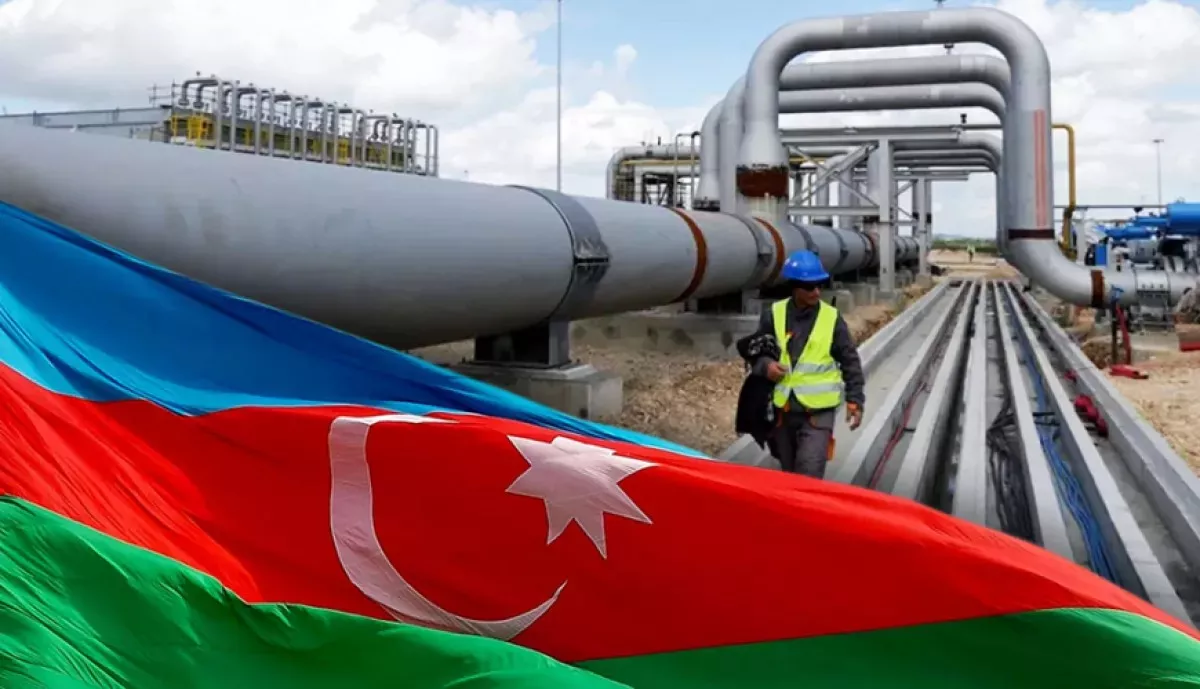
It was also noted that Azerbaijan has strengthened its position on the global energy stage, acting as both an initiator and implementer of large-scale energy infrastructure projects. These initiatives span countries across the Eurasian region, while assistance is also provided to states in need of energy resources. At present, the Republic of Azerbaijan ranks first in terms of the geographical reach of its pipeline gas supplies, while oil deliveries cover an even larger number of countries. As the President of Azerbaijan stated in his address, “We supply natural gas to 16 countries, and their number is growing year after year and will continue to grow.”
Another important direction is the large-scale construction of solar, wind, and other green generation facilities, as well as the implementation of energy efficiency initiatives and other projects within the framework of the global energy transition. Azerbaijan is gradually developing its green generation potential, and according to the Ministry of Energy, by the end of 2027, investments in the construction of 10 solar and wind power plants will exceed $2.7 billion. According to plans, by 2030 a total of 6,000 MW of solar, wind, and hydropower capacity will be integrated into the national energy system, rising to 8,000 MW by 2032.
The Azerbaijani leader also addressed this issue, emphasising the following in his speech: “Renewables have big potential. A contract signed already with international and local companies will provide us with eight gigawatts of solar and wind energy by 2032. This is the minimum.” The president also noted that these are not memorandums of understanding, but concrete contracts, and that the volumes will be even larger: “So now we are working on transmission lines, on how to export, because we will not need as much, as I said. So, transmission lines to those destinations which need energy, and this is primarily Europe, definitely, because everybody knows that they will need electrical energy for many, many years to come.”
The development of the non-oil sector and the expansion of non-resource export potential are key objectives of the “Azerbaijan 2030” strategy. In line with these goals, large-scale initiatives are being implemented to transform the country into a regional transport and digital logistics hub. New projects in the IT sector and digitalisation of the economy are being actively promoted in the Republic of Azerbaijan, including plans to introduce innovative technologies in artificial intelligence (AI), the construction of data centres and cloud storage systems, as well as the development of startups and the attraction of venture capital financing.
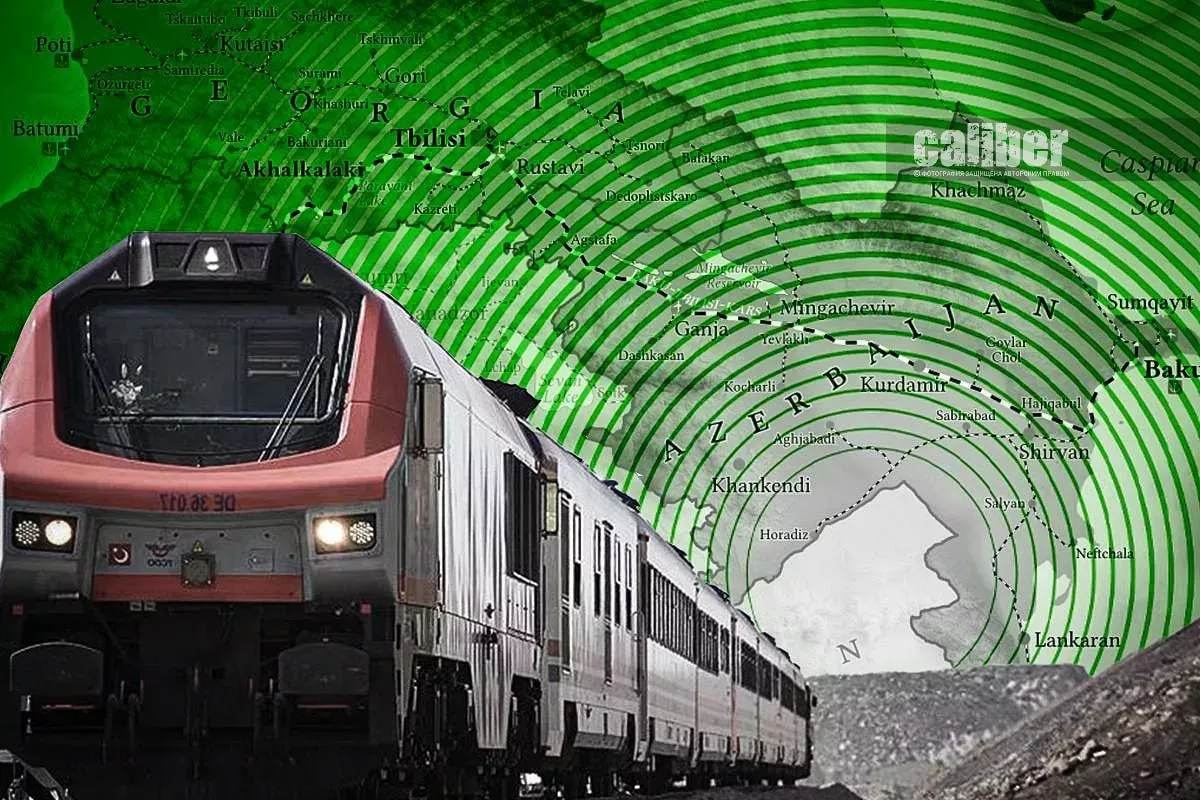
At the same time, the Azerbaijani state is aiming to double the volume of cargo transportation through its territory, transforming itself from a landlocked country into one of the international cargo transit hubs through large-scale infrastructure investments. This concerns not only the development of domestic infrastructure, but also the country’s participation in international-scale infrastructure projects. As the head of state emphasised in his address at the opening ceremony of the IsDB Group Annual Meeting 2026, work to strengthen Azerbaijan’s role as an international transport hub continues.
Thus, in the near future, the Republic of Azerbaijan will continue to strengthen its position on the international stage not only as a leading energy actor, but also as a transport and logistics centre connecting different regions of the world, thereby consolidating its status as a bridge between East and West, North and South.







 editor@caliber.az
 +994 55 444-88-98
 Азербайджан, Баку, ул. Низами, 203, Af Business House, 5-й этаж