










Section 907 in era of TRIPP: Advancing US strategy in South Caucasus Azerbaijani presidential aide for The Washington Times
The Washington Times paper has published an article on the importance of completely repealing Section 907. Caliber.Az reprints some excerpts from the piece.
"The Trump-brokered peace agreement between Azerbaijan and Armenia is reshaping the South Caucasus and advancing U.S. strategic interests, despite lingering opposition in Congress.
The Washington Accords, signed in August, opened critical transport corridors and deepened U.S. partnerships in the South Caucasus.
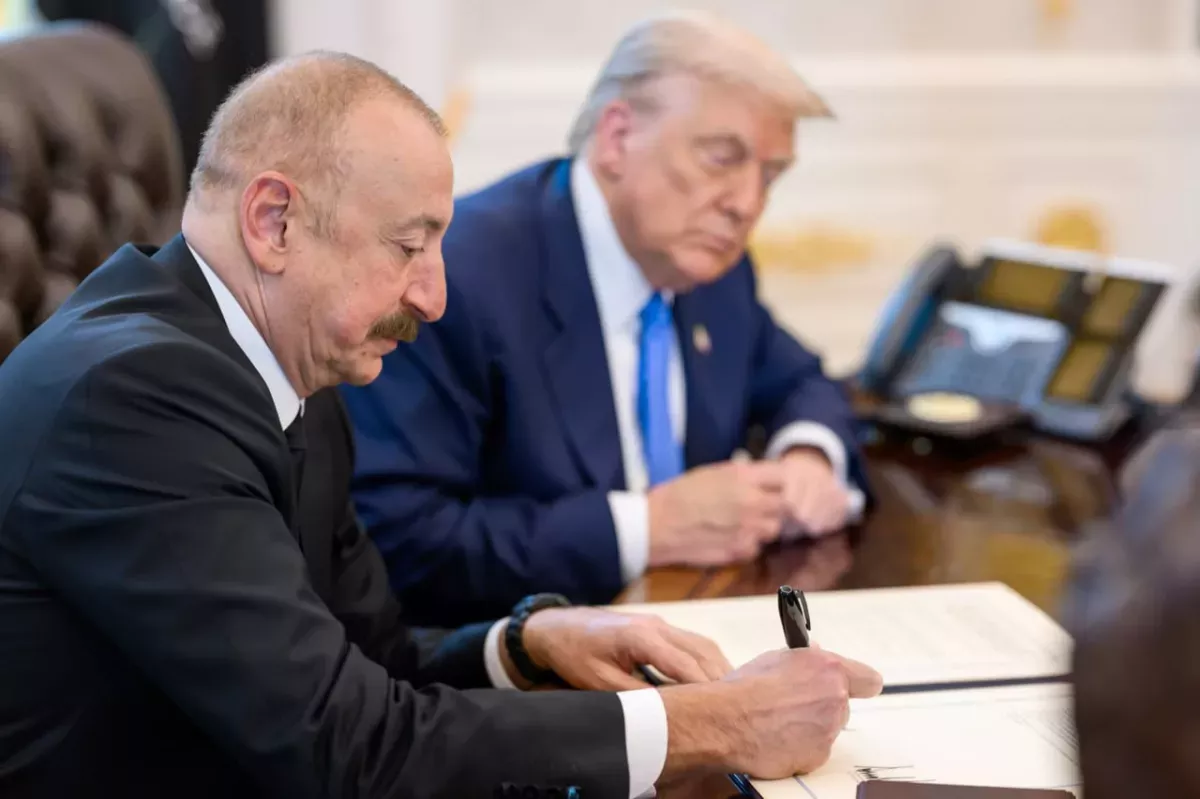
President Trump used executive authority to waive Cold War-era aid restrictions. His allies in Congress are moving to repeal them entirely.
“The Trump administration demonstrated a lot of dedication to our agenda of peace,” said Hikmet Hajiyev, foreign policy adviser to Azerbaijani President Ilham Aliyev. “What needs to be appreciated is Trump’s immediate reciprocity and full engagement.”
The administration views Azerbaijan as a reliable partner aligned with U.S. and Israeli interests.
The Azerbaijan-Israel connection doesn’t sit well with critics such as Sen. Adam B. Schiff, California Democrat.
In April, months before the Trump peace deal, Schiff accused Azerbaijan of having “echoed the genocidal language and actions” of the Ottoman Empire. He described Azerbaijan’s 2023 military operation as “ethnic cleansing.”
An anti-Azerbaijan amendment Schiff introduced to the defense budget in October failed to advance, an outcome that suggests waning congressional appetite for measures that would complicate the Trump administration’s regional diplomacy.
Section 907
At the center of the dispute is Section 907 of the 1992 Freedom Support Act. The provision prohibited most U.S. aid to Baku, though Congress later gave the president waiver authority.
Trump has used that authority to build support in the South Caucasus. The restriction remains in place. It requires annual presidential action to maintain the relationship, a situation the administration and its congressional allies are moving to change.
On Dec. 11, Rep. Anna Paulina Luna, Florida Republican and close Trump ally, introduced legislation to permanently repeal Section 907. The bill has been forwarded to the House Foreign Affairs Committee.
Section 907 was adopted in 1992 as Armenian forces launched a military campaign that would eventually occupy nearly 20% of Azerbaijani territory, displacing almost 1 million Azerbaijanis.
The 1992 Khojaly massacre, in which Armenian forces killed hundreds of fleeing civilians, remains seared in Azerbaijani memory. Yet Section 907 punished Azerbaijan, not Armenia.
The occupation lasted until 2020, when Azerbaijan launched a military operation to reclaim its territory. Armenian forces laid extensive minefields before withdrawing. International demining efforts continue. Entire towns were destroyed. Roads, bridges and power infrastructure were dismantled. Cultural sites, including mosques, were systematically vandalized.
The Trump Route
Armenia and the United States are negotiating a joint company to manage railway and highway infrastructure within what the administration calls the Trump Route for International Peace and Prosperity. Armenia is ready to provide simplified transit procedures for Azerbaijan but emphasizes that all regional communications links must open simultaneously.
Hajiyev sees continued restrictions as working against peace.
“Both governments, Azerbaijan and Armenia, are making an uphill struggle of strengthening the peace,” he said. “But some in Congress are introducing completely unnecessary and divisive legislative acts.”
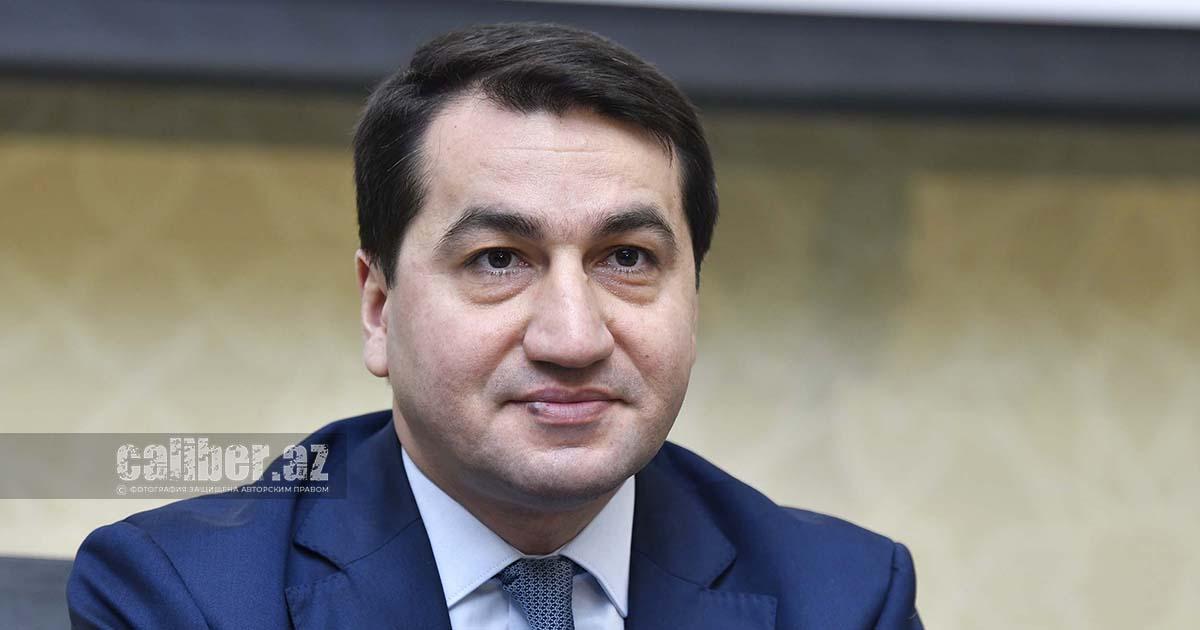
The warming US-Azerbaijan relationship under Mr. Trump stands in sharp contrast with the previous administration’s approach.
“With the Biden and Blinken administration, unfortunately, we had a lot of misunderstanding, and they inflicted a lot of damage,” Mr. Hajiyev said.
During Mr. Trump’s first term, the administration “played a crucial role in bringing Caspian gas through the Southern Gas Corridor project for the European market,” Mr. Hajiyev said.
Bilateral trade turnover increased 94% in 2024 to $1.8 billion.
More than 300 U.S.-affiliated companies operate in Azerbaijan. The country has attracted more than $360 billion in investment over the past three decades, with nearly half of it coming from foreign capital.
“Geopolitical connotations”
Azerbaijan has accelerated its investment in the Middle Corridor, the east-west transport route linking Central Asia to Europe via the Caspian Sea, bypassing Russia.
Although China views it as part of the Belt and Road, the infrastructure is being built mainly with national and regional capital, allowing Azerbaijan to retain control.
Container throughput at Baku’s main port rose more than 30% in 2025, surpassing 100,000 TEUs.
Azerbaijan has accelerated the reconstruction of its railway in the Nakhchivan exclave. The infrastructure will connect through the corridor to Türkiye and Europe, independent of Russian or Armenian control.
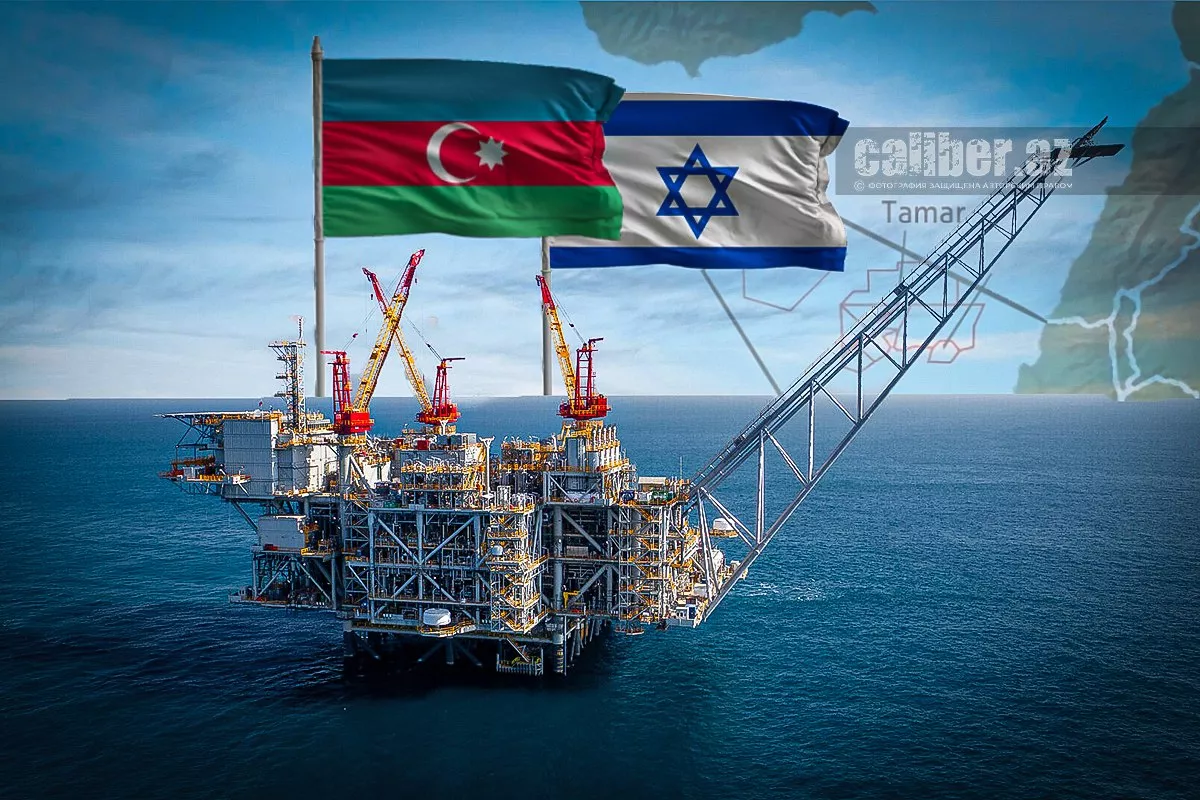
Last year, Azerbaijan’s state energy company SOCAR acquired a 10% stake in Israel’s Tamar natural gas field for roughly $900 million, deepening energy ties.
Azerbaijan is fostering economic interdependence with Armenia by exporting oil products and facilitating grain shipments to Armenian markets.
“It may seem symbolic, but along with symbolism there’s really important geopolitical connotations,” Mr. Hajiyev said. “We are making peace not only with the government of Armenia, but with the people of Armenia.”
The Trump administration is negotiating the Armenia-United States Strategic Partnership Charter with Azerbaijan, which is expected to expand defense procurement and security cooperation. Full implementation may require permanently repealing Section 907.
Azerbaijan has allocated more than $13 billion from its state budget from 2021 to 2025 for reconstruction in reclaimed territories. The Aghdam Industrial Park and Araz Valley Economic Zone have been established, with plans to resettle 100,000 displaced Azerbaijanis in 2026.
The zones offer investors 10-year exemptions from profit, property and land taxes. International partners, including Japan, are contributing to the development of green energy.
Mr. Hajiyev emphasized that Azerbaijan’s model of religious pluralism positions the country as a natural partner for Western engagement in a volatile region.
“We have Jewish communities, Christian communities living side by side with Muslim communities for centuries,” he said. “This is our tradition, this is our identity. We have stronger determination for our agenda of peace, and we have the full support of the Trump administration,”” the article reads.







 editor@caliber.az
 +994 55 444-88-98
 Азербайджан, Баку, ул. Низами, 203, Af Business House, 5-й этаж