










US–Iran talks in Oman: war or peace? International panorama on Caliber.Az
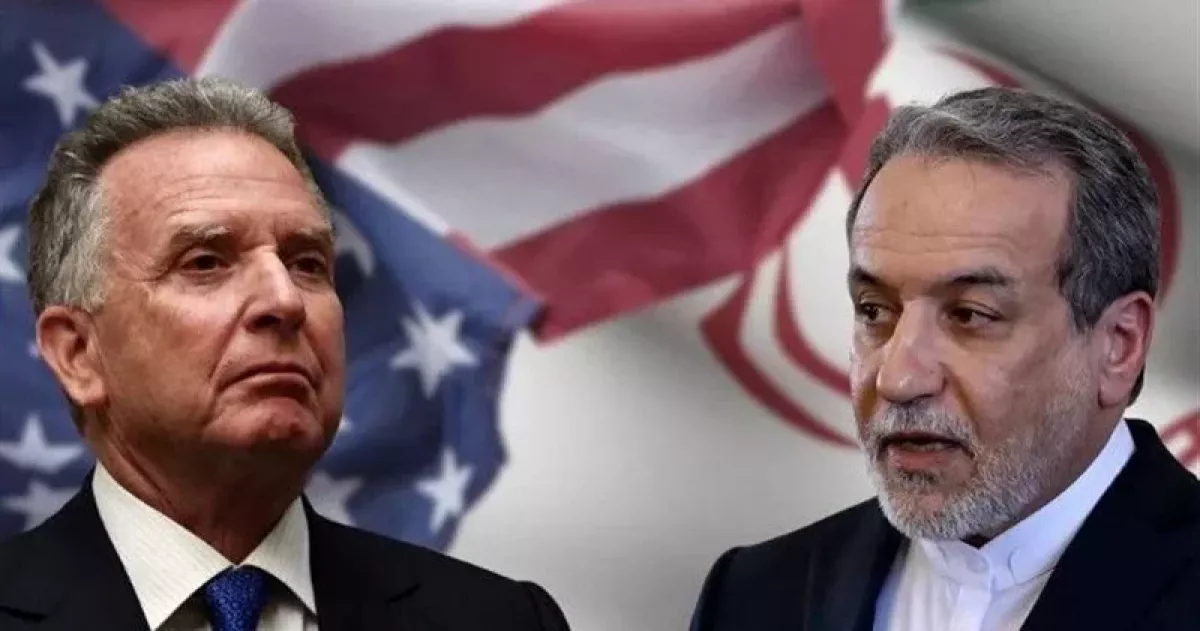
Recently, talks were held in Muscat between the United States and the Islamic Republic of Iran. The Iranian delegation was led by Foreign Minister Abbas Araghchi, while Washington was represented by Donald Trump’s special envoy, Steven Witkoff. The negotiations took place amid recently heightened tensions between the two countries following large-scale protests against the current authorities in Iran.
According to reports, the discussions focused on setting the agenda for future negotiations—that is, determining what issues would fall within the scope of diplomacy and which would not.
The United States insists on winding down Iran’s nuclear programme and the complete cessation of uranium enrichment. In addition, during Witkoff’s recent visit to Israel, Prime Minister Benjamin Netanyahu and other senior officials outlined Tel Aviv’s red lines, which they believe should also be reflected in talks with the Iranians. Israel is particularly concerned about Iran’s ballistic missile programme, which it views as a major threat to the Jewish state. Tehran, however, has predictably rejected any concessions in this area. This stance is understandable: Iran’s ballistic missile capabilities are regarded as one of the country’s key military achievements and a central element of its deterrence strategy.
In addition, there were reports that the United States plans to raise the issue of Tehran’s support for various armed groups in the Middle East during talks with the Iranians. Iran denies any involvement in providing military or financial assistance to groups such as Hezbollah, which, from Tehran’s perspective, renders discussion of this topic pointless. At the talks in Oman, broadly speaking, the sides agreed to agree.
At present, the entire negotiating process looks like an attempt by both parties to buy time ahead of a major war that, with a high degree of probability, may still occur. The United States, following the model of the Gulf War, is keeping the door to diplomacy open while simultaneously building up its firepower in the Middle East and strengthening the defences of its allies through air and missile defence systems. Iran, for its part, may use this time to more carefully conceal certain facilities linked to its missile programme.
The two sides are standing on fundamentally different positions, and the prospect of any serious concessions by either of them appears unrealistic. The Middle East is once again on the brink of another escalation. There are many possible scenarios for how the situation with Iran could unfold, and all that remains is to hope that the worst forecasts do not come true.
By Riad Hamidov







 editor@caliber.az
 +994 55 444-88-98
 Азербайджан, Баку, ул. Низами, 203, Af Business House, 5-й этаж