










US–Iran war: No winners and no losers Analysis by Serhey Bohdan
The staggering figures of Iranian losses and destruction in the war with the United States appear paradoxical against the backdrop of Washington’s willingness to move towards a settlement with Tehran. After all, American experts describe Iran’s armed forces as an army of not even second, but “a fifth-rate military power.” However, assessments based on nominal indicators of military power are fading into the background in the face of actual battlefield results. The latter inexorably indicate that the armed forces of superpowers—from the United States to the Russian Federation—are lagging behind in re-equipping themselves in line with the demands of modern warfare. This lag is already leading to a broader shift in the balance of power on the global stage.
Geography as a weapon
The most important lesson of the last two wars between the United States, Israel, and Iran is that they once again confirmed the importance of actively and skillfully using geographical factors. Despite all technological advances, even basic geographical elements—such as distance or terrain, access to transport arteries, or regions rich in key natural resources—remain highly significant. In addition, fundamental human-made infrastructure also matters. In this context, Iranians have struck major facilities of the extractive and financial industries in the Gulf. In other words, geopolitics in its original sense—as the study of the relationship between geography and politics (including its continuation by other, military means)—remains a vital field of understanding.
Iran has fully exploited its strategic depth. Significant distances are not only a result of the country’s vast territory but also of its opponents’ lack of access to the territory and airspace of several neighbouring states. Combined with the often difficult terrain of the region, this creates immense strategic depth, allowing Iran to manoeuvre forces and position bases and infrastructure in concealed or reliably mountain-protected locations.
To this strategic depth should be added Iran’s unique access to the Strait of Hormuz and its surrounding approaches, through which around 20% of global oil shipments, as well as other transport flows, pass. This access is unique both in its breadth (Iran controls the Strait of Hormuz and its approaches for hundreds of kilometres in both directions) and in the fact that it is not maritime-only. If it were solely naval, it would be much more burdensome for Tehran in terms of the complexity and cost of the technical means required for control and blockade. Its opponents would also likely be able to counter this challenge by sinking expensive and visible vessels. Instead, Iran has relied on a less spectacular but more effective and cheaper method of controlling Hormuz from the land, enabling strikes with inexpensive and low-signature missiles and even artillery, as well as the use of small, low-visibility vessels along a very long coastline.

As a result, even the permanent deployment of the US Fifth Fleet almost directly in the Strait of Hormuz (in Bahrain) did not help neutralise Iran’s blockade. This blockade was compounded by the threat of closing another key waterway in the region—the Red Sea and, in effect, the Suez Canal—which was posed by Tehran’s allies, the Yemeni Houthis.
Beyond global maritime arteries, a number of important but militarily vulnerable US allies are located directly on Iran’s borders. And the Iranian leadership has decided to strike at them. This is a significant point. For example, even at the height of its confrontation with the West and its allies—when it was effectively engaged in a proxy war in Afghanistan—the Soviet leadership still moved quickly to restrain its South Yemeni allies, who in the early and mid-1980s were attempting a similar course by applying military pressure on Saudi Arabia.
The bleeding blue sky, or what can air power do today?
All major military powers in the world—from the United States to Russia and the entire EU—are showing difficulties in achieving air superiority at low altitudes. Standard air defence systems struggle with what operates in the “low sky,” below the radar horizon. And what is operating there is no longer limited to small short-range drones, but increasingly a wide variety of systems.

Even during the war, an interesting discussion on this subject took place at one of the most important American “think tanks,” the Council on Foreign Relations (CFR), where experts, together with well-known generals such as Hodges and Breedlove, essentially concluded that there is no defence against a drone unless there is another drone.
According to CFR specialists, in the war between the United States and Israel on one side and Iran on the other, two “air wars” were effectively taking place in parallel.
The first was a “war of destruction,” targeting large, stationary or relatively immobile objectives—traditional weapons systems and various types of infrastructure. As was emphasised during the CFR discussion, the US Air Force was created precisely for such a war, and it fulfilled these tasks successfully—statistics on destroyed targets provide clear evidence of this.
The second air war consisted of actions aimed at creating confusion in enemy ranks and disrupting operations. This took place at low altitudes, which American experts metaphorically referred to as the “air littoral.” In this domain, Iran employed its inexpensive drones and simple missiles. But not only these.
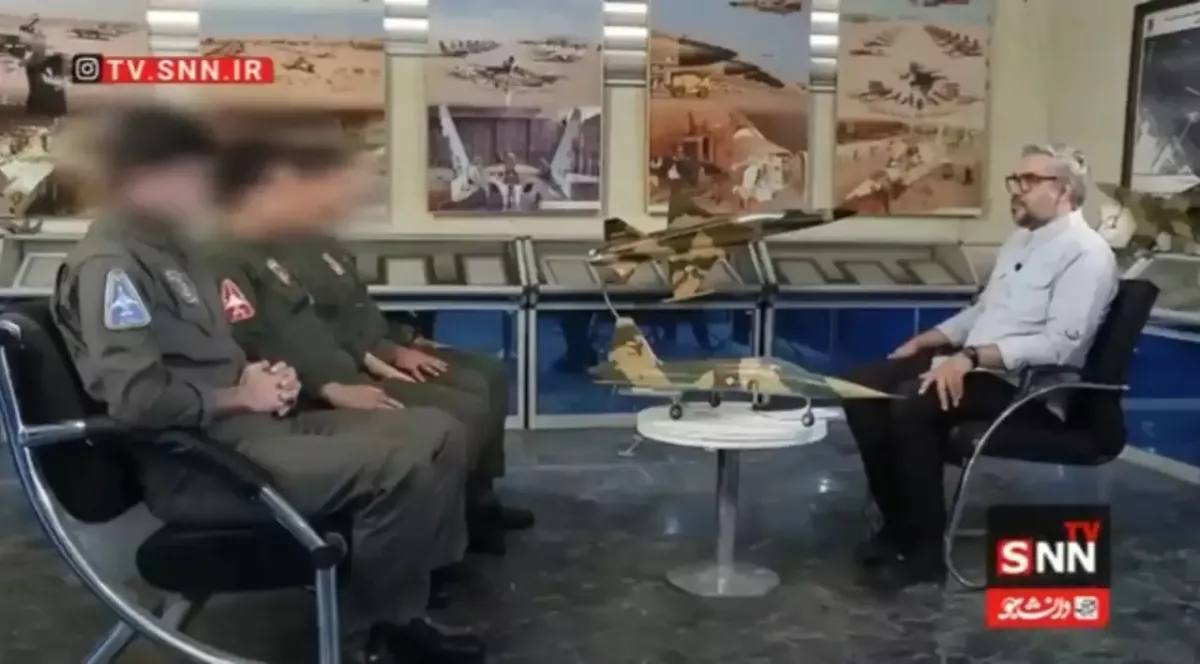
Recently, Iranian television aired an interview with Iranian Air Force fighter pilots who successfully attacked a US military base in Kuwait at the beginning of the war. They approached it in antiquated F-5 aircraft at an altitude of below 15 metres, weaving between power lines and other infrastructure. This allowed them to avoid detection by air defence systems, which only activated after the strike on the targets had already been carried out. Moreover, those air defence systems failed to identify what they were firing at and ended up shooting down three of the latest American F-15E fighter jets operating nearby at a standard altitude.
The US military acknowledges the problem. As the CFR stated Iran managed to deprive the adversary of the ability to dominate the air at low altitudes. Iran did not itself achieve air superiority over the Strait of Hormuz (or parts of it), but it succeeded in preventing the United States from establishing such dominance. As a result, traffic through the Strait of Hormuz came to a halt, and this became the decisive factor in the conflict. Thus, in the end, Iran won the air war of operational disruption, which was of greatest importance in this conflict.
A significant part of the problem, of course, was that despite years of experience related to intercepting Iranian Shahed-136 drones in Ukraine, an adequate tactical response to such systems has still not been developed. In many cases, intercepting a drone worth around $50,000 requires the use of interceptor missiles from Patriot or THAAD systems costing $4 million or $12 million respectively. This represents a cost ratio of roughly 1 to 100, not to mention the limited supply of such missiles. As a result, Iranian forces were able to saturate US and allied air defence systems, inflicting considerable damage on energy infrastructure as well as American bases in the region. As participants in the CFR discussion acknowledged, this war was yet another reminder of the limited capabilities of air power—even that of highly advanced forces such as the United States and Israel.
A striking tactical victory can lead into a strategic quagmire
The problem, however, is not limited to low-altitude warfare alone. There are also grounds to question the results achieved in conventional air warfare. Yes, the statistics of formally destroyed targets are impressive. So were the reports of killed Taliban fighters in Afghanistan or Viet Cong units in Vietnam—only for it later to become clear that the adversaries of the United States nevertheless preserved their combat capability. The same applies to Iran.
The undeniable fact is that Iran has largely managed to preserve its most modern combat aircraft and helicopters, relying heavily on strategic depth. This was achieved, in part, by temporarily reducing their participation in combat operations and secretly relocating them to airfields, including in neighbouring countries.
Statistics on destroyed targets are, in general, a very dangerous metric if they are not supported by solid evidence. Confident reporting should therefore raise questions rather than reassurance.
This is precisely the impression that emerges when one recalls triumphant claims about destroyed Iranian targets and compares them with the current balance of forces. Through dispersal and concealment underground and elsewhere, Iran has retained a significant amount of operational equipment.
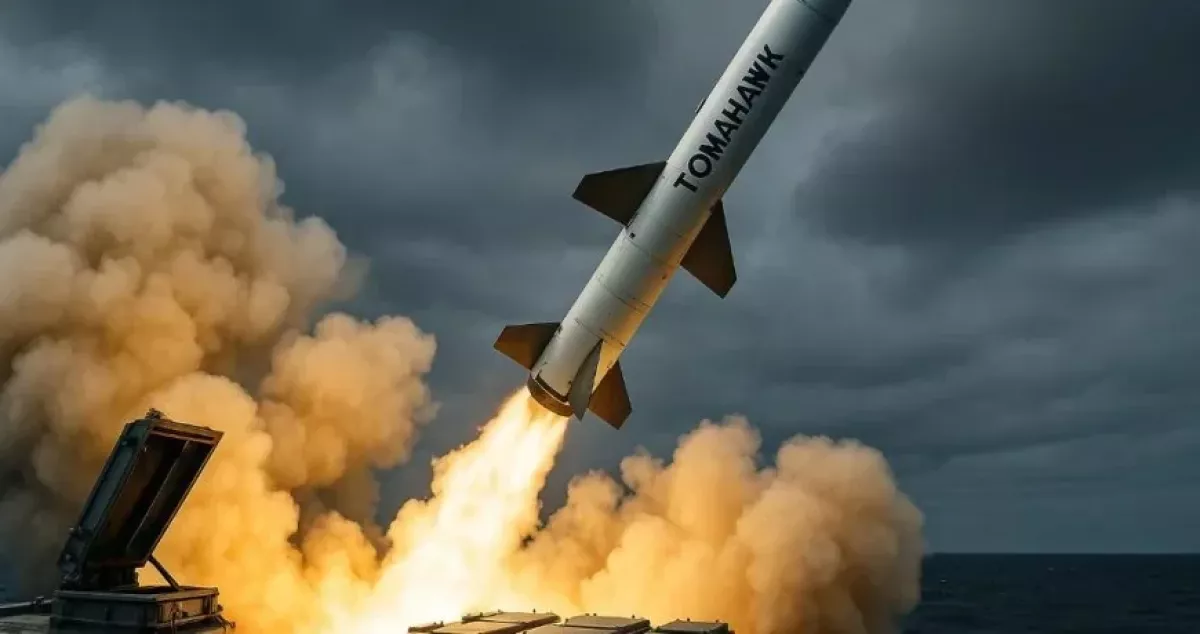
According to published leaks from US intelligence services, Iran reportedly retained about half of its missiles, drones, and fast attack boats. This came after more than 1,100 US Tomahawk missiles were fired at Iranian targets. That represents a quarter of the total US Navy inventory (altogether, around 9,000 Tomahawk missiles have been procured throughout its history). The military outcome, however, appears to have been rather modest.
Incidentally, no debris has been observed from priority targets either—namely, the latest fighter jets and helicopters, whose deliveries from Russia are well known. On the contrary, there is even a video showing a Mi-28 flying over Tehran in mid-April. Older equipment also appears to have survived—for example, last week Iranian F-14 and F-4 fighters again participated in intercepting US cruise missiles.
CFR experts are formally correct when they say that the US Air Force was “able to gain air superiority over large parts of western and southern Iran relatively easily, and it was able to employ U.S. airpower to be quite destructive to achieve that objective.”
However, they do not specify what exactly those objectives were. After all, no significant strategic benefit appears to have been gained by Washington from this extremely costly tactical achievement. What, in fact, was the purpose of controlling western Iran?
Firstly, it was intended to limit and stop strikes on Israel. The results in this regard are questionable.
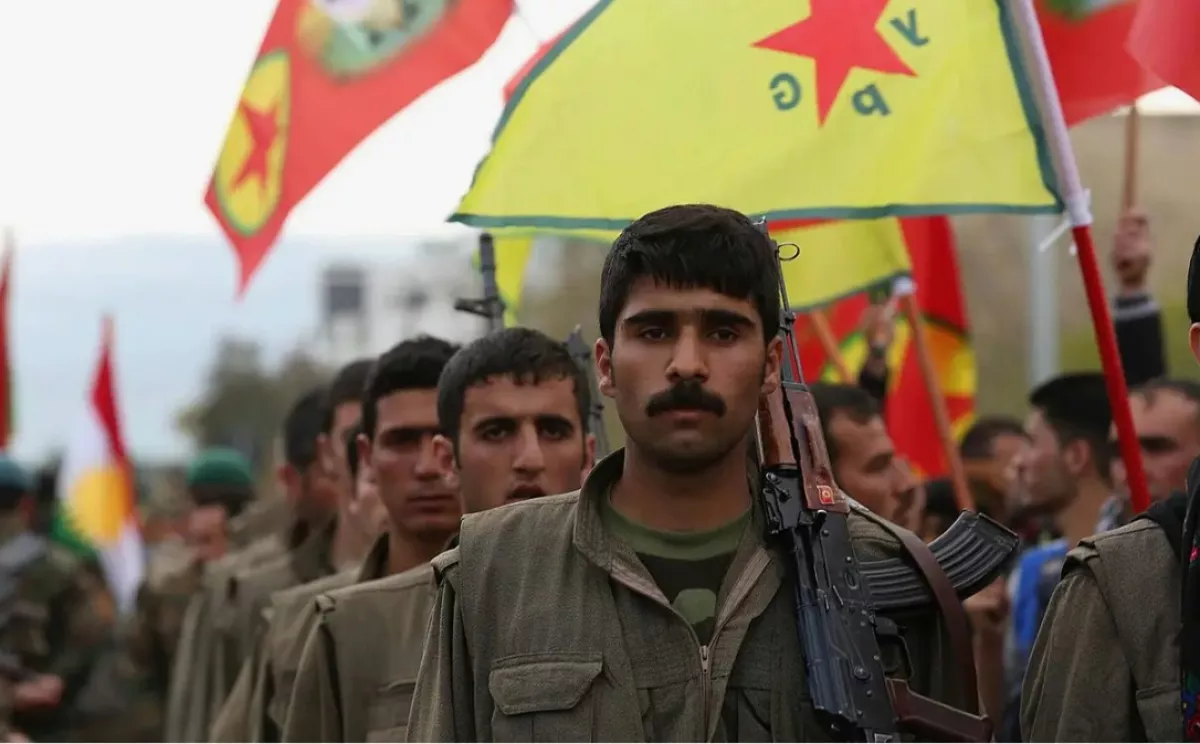
Secondly, it was aimed at effectively establishing a no-fly zone and supporting an incursion by Kurdish militants, including elements of the former Kurdistan Workers’ Party (PKK), which were urgently redeployed from Syria after being pushed out by the Turkish army. The result was a complete failure.
A similar picture emerges regarding the question of American air superiority over southern Iran. It was intended, firstly, to prevent strikes against US Arab allies—but the results are questionable. Secondly, it was meant to facilitate the collapse of the Iranian economy by striking its oil and gas heartland in the southwest of the country. Here too, the outcome was close to zero: the United States did not dare to pursue the total destruction of the oil and gas industry, fearing Iranian retaliatory strikes on similar infrastructure in neighbouring pro-American states. This raises the question: what was the point of seizing control of the airspace at all, given that such risks were known in advance?
It should also be added that in no region of Iran did American air superiority ever become stable or uncontested. Observers noted that Iranian air defence systems remained active until the very end, which is why “U.S. aircraft have frequently flown low over Iran to deliver gravity bombs in order to minimise local air defences’ detection ranges.” As noted earlier, Iranian forces employ similar tactics.
Reassessing the precision of strikes
The war also forces a reconsideration of the effectiveness of precision-guided weapons. Let us begin with the most widely publicised operation against the Iranian leadership on February 28. It has been presented as a highly sophisticated special operation involving the hacking of road surveillance cameras and other hints at advanced intelligence and targeting methods. In reality, however, the Iranian leadership was struck during a virtually public event by a massive missile and air bombardment. A well-known residence of Supreme Leader Khamenei was simply levelled. There was nothing to “hack”—it was sufficient to observe the gathering of numerous vehicles of a distinctive type in an easily accessible and publicly visible area.
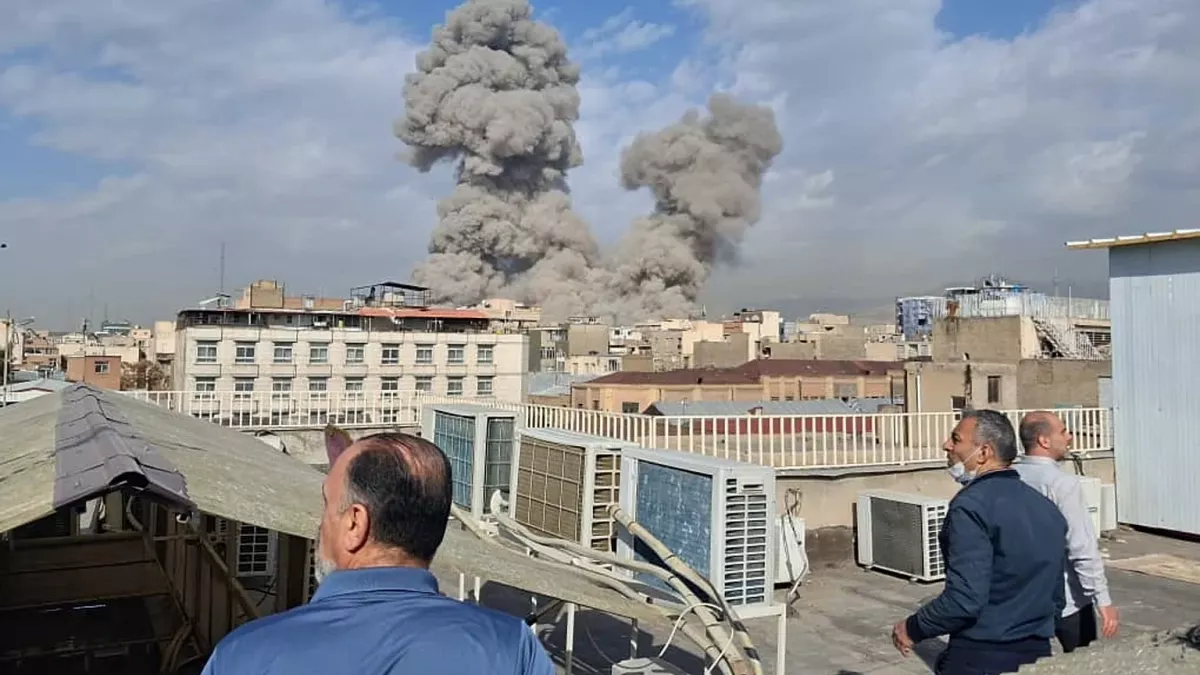
Subsequent strikes against many senior officials, officers, and scientists were not much different. According to published information, which is also confirmed by our interlocutors on the ground, such operations were often not surgical, highly precise actions, but rather mass strikes on relatively well-known residential locations of the respective individuals, resulting in numerous collateral casualties among surrounding civilians.
To this should be added the similarly questionable overall results of strikes against Iranian security structures, which were intended to destabilise the regime and trigger a state collapse. At first glance, this might seem like an easy task, given that the locations of these institutions are generally well known.
However, as American military analyst and recognised Middle East expert Jim Lamson—who worked on Iran for 25 years at the CIA—noted during the war, despite weeks of intensive strikes against the structures of the IRGC and army units, the Ministry of State Security, police, and other security forces, there are no signs that these forces are unable to maintain internal security or that there are serious divisions within their ranks capable of leading to instability.
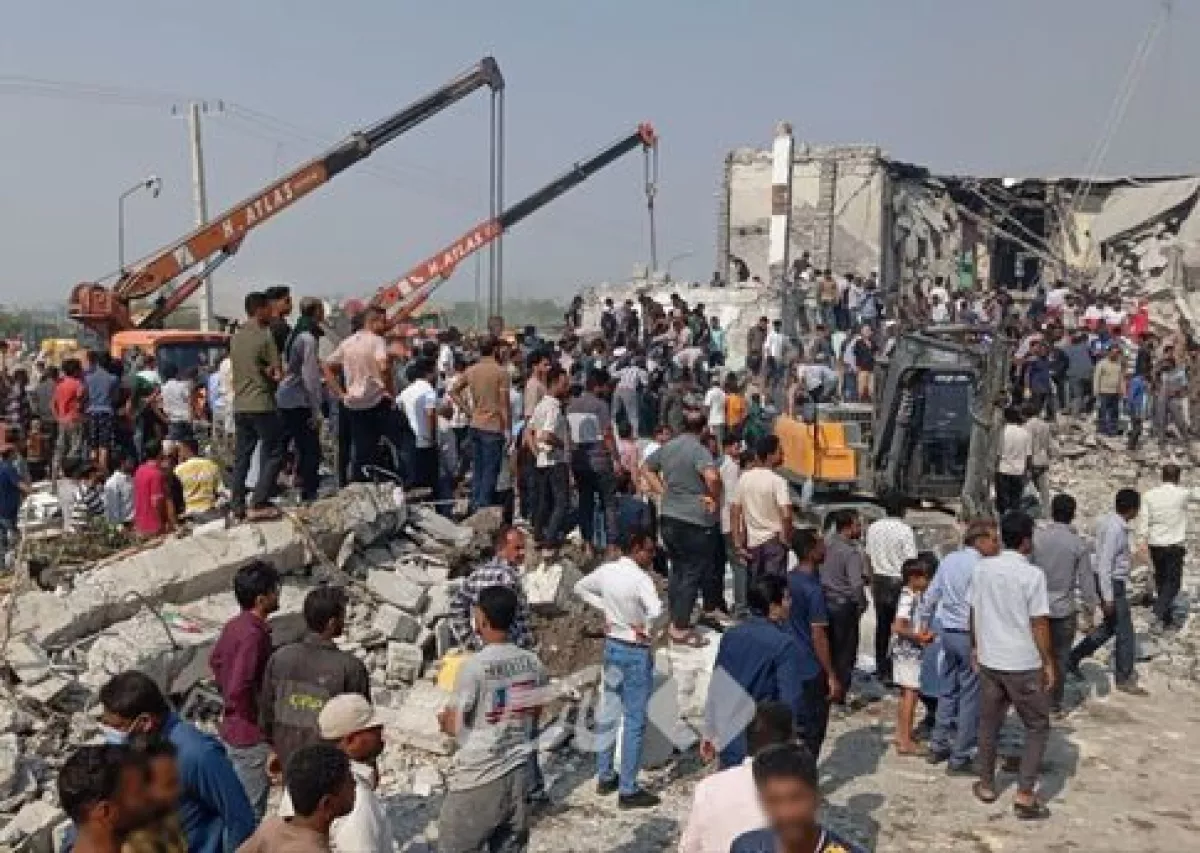
These relatively negligible results in terms of strategic effectiveness are further compounded by clear errors, when strikes were carried out against civilian targets. Attacks on schools and the deaths of children are only the most high-profile examples; in reality, according to our information, there were many more such incidents. This points to the limited capabilities of orbital systems of communication, intelligence, navigation, and early warning. And yet the United States currently possesses the largest and most diverse satellite constellation in the world, with more than 8,393 satellites, of which over 500 are strictly military.
At the same time, the US military also openly uses civilian satellites, including commercial systems such as Starlink. By comparison, China’s satellite constellation consists of approximately 990 spacecraft, while Russia operates 307.
Actual combat operations conducted by Russia and NATO-EU in Ukraine, as well as by the United States in Iran, thus lead to a reassessment of the military potential of superpowers, revealing the real capabilities of much-hyped equipment. Their inevitable consequence is also a redistribution of global power. In this sense, war ultimately puts everything in its proper place, stripping away simulacra.

US military experts close to the establishment point out that the problem is not the outcome of the war in Iran per se. They note that its course was closely observed by other contenders for global leadership and by US rivals—above all China. And if previously even the sheer number of hundreds of US military bases worldwide and the multiple-fold superiority of the United States over China in satellite reconnaissance and military navigation seemed to settle debates about the global hierarchy, it now appears that matters are far less clear-cut.
However, it is not the first time in world history that major powers have placed their bets on impressive and expensive weapons systems that ultimately prove of limited value in maintaining global hegemony. The naval dreadnought race on the eve of the First World War, or the Soviet mass production of tanks during the Cold War, are clear examples of this dynamic.
In this context, more agile regional states are sometimes in a far more advantageous position. They are not bound to superpower doctrines but instead focus on solving their own operational tasks. Many of the trends described above—such as low-altitude warfare and the use of drones and missile-artillery systems—have long been incorporated into the operational thinking of the Azerbaijani Armed Forces. In this sense, even major states, despite their greater resources, are often a step behind.







 editor@caliber.az
 +994 55 444-88-98
 Азербайджан, Баку, ул. Низами, 203, Af Business House, 5-й этаж