










At the threshold of a new world order Azerbaijan joins Trump’s Board of Peace
Today began with a landmark announcement: Azerbaijan has accepted an invitation from U.S. President Donald Trump and confirmed its intention to become a founding member of the newly proposed Board of Peace.
In a statement, the Azerbaijani Foreign Ministry emphasised: “Azerbaijan, as always, is ready to actively contribute to international cooperation, peace, and stability.”
On January 22, 2026, in Davos, President Trump plans to formally launch the initiative by organising the signing of the Board of Peace, a key component of his Comprehensive Plan to End the Gaza Conflict, which he first announced in October 2025.
This development is drawing significant attention because what was originally intended to oversee the reconstruction of the Gaza Strip after hostilities and the release of hostages has rapidly evolved into a global initiative—potentially even an alternative to the United Nations. President Trump, who has long criticised the UN for inefficiency, is now effectively proposing his own model of international governance.
The founding executive council brings together American politicians and officials alongside influential international figures, including former UK Prime Minister Tony Blair, World Bank President Ajay Banga, and investor Mark Rowan.
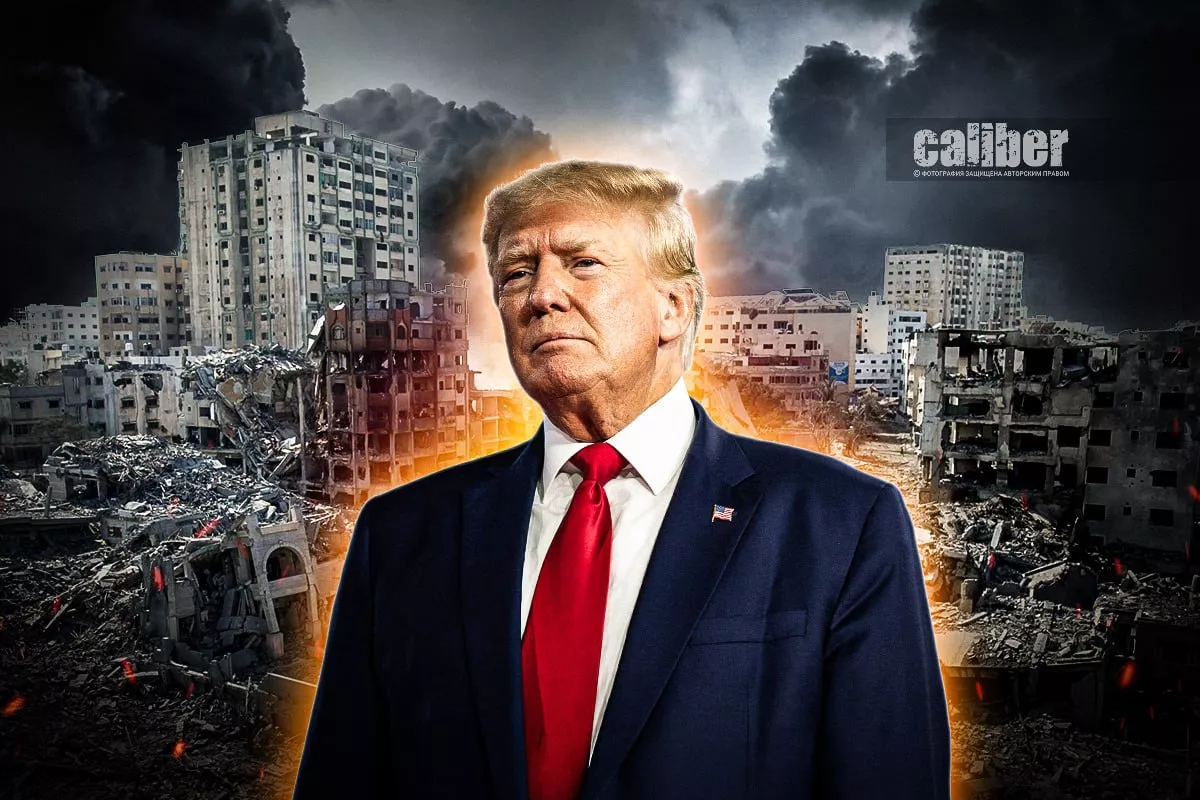
While countries such as France, Germany, and Canada are approaching the initiative cautiously, others have welcomed it. Hungarian Prime Minister Viktor Orbán, Argentine President Javier Milei, and King Mohammed VI of Morocco have already committed to participate. Russia has received an invitation but is still reviewing the proposal, as are China, India, Türkiye, and several other nations. Ukraine has acknowledged receiving an invitation but stressed that cooperating alongside Russia would be extremely difficult.
Effectively, the American president is creating a new international platform that unites both allies and geopolitical rivals. Experts suggest that Trump is using this initiative to “keep a finger on the pulse” of global developments, ensuring that a multipolar world does not evolve without U.S. influence.
Trump’s initiative is already sparking intense debate. On one hand, the Board of Peace could become a tool for accelerating conflict resolution and attracting investment to crisis-hit regions. On the other hand, it challenges established norms of international law—even if those norms are increasingly strained—and could heighten tensions between the United States and other global power centres.
Ultimately, Trump’s Board of Peace appears to be a hybrid of diplomacy and business, personal leadership and international politics. Its effectiveness is difficult to assess at this stage, but it is already reshaping the rules of the global arena. One thing is clear: the world as we know it could change significantly in the coming years, and Donald Trump is positioning himself at the centre of these shifts. The initiative reflects the U.S. determination to maintain a leading role in international affairs, using the mechanisms that serve it best.
Azerbaijan, for its part, has chosen not to fall behind global trends and has joined the Board of Peace. The strategy is simple but clever: if the initiative proves short-lived, Azerbaijan risks nothing; if it becomes an effective international body, the country will already be counted among its founding members.
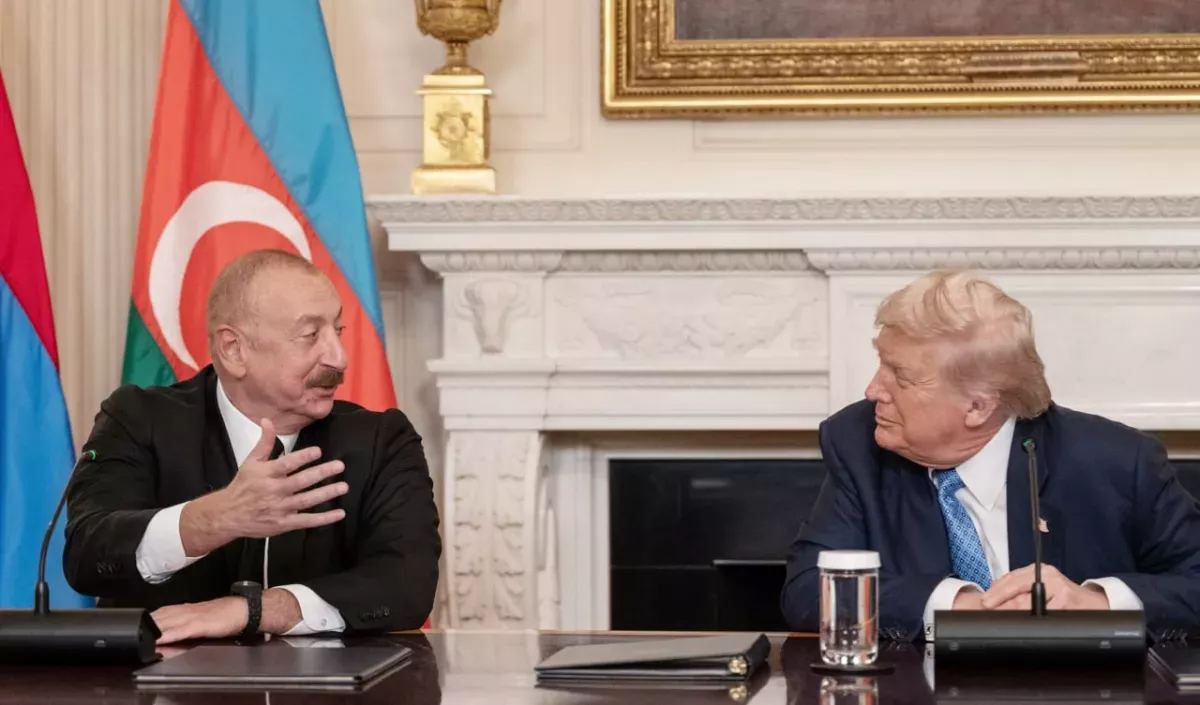
Meanwhile, Azerbaijan’s invitation to become a founding member of the Board of Peace serves as a clear affirmation of the mutually beneficial partnership between Azerbaijan and the United States, built on trust and respect during the Republican administration. It also recognises Azerbaijan’s role in promoting peace and stability at both regional and global levels.
This recognition follows key milestones such as the signing of the joint declaration in Washington on August 8, 2025, Azerbaijan’s leadership in peacebuilding in the South Caucasus, and President Ilham Aliyev’s participation on October 13, 2025, in the Middle East Peace Summit in Sharm El-Sheikh. President Aliyev’s personal international stature has also played a significant role in earning this acknowledgement.
Azerbaijan’s positive reputation in peacekeeping operations across the globe—including in Kosovo, Iraq, Afghanistan, and South Sudan—further underscores its credibility. Considering all these factors, it is clear that Azerbaijan is well-positioned to make a meaningful contribution to the Board of Peace while also maximising its own geopolitical advantages through membership in this initiative.







 editor@caliber.az
 +994 55 444-88-98
 Азербайджан, Баку, ул. Низами, 203, Af Business House, 5-й этаж