










Closed Hormuz and open risks Global energy markets on edge
The issue of oil and gas shipments through the Strait of Hormuz, as previously anticipated, has emerged as one of the central factors shaping the backdrop of the ongoing military confrontation between the United States, Israel, and Iran.
Notably, around 20 per cent of global daily oil consumption — about 20 million barrels per day — as well as nearly 30 per cent of the world’s liquefied natural gas supplies transit through the strait to international markets. At present, the Strait of Hormuz is effectively non-operational. According to experts, this disruption is likely to trigger a sharp rise in energy prices for consumers worldwide, while simultaneously creating favourable conditions for major energy exporters.
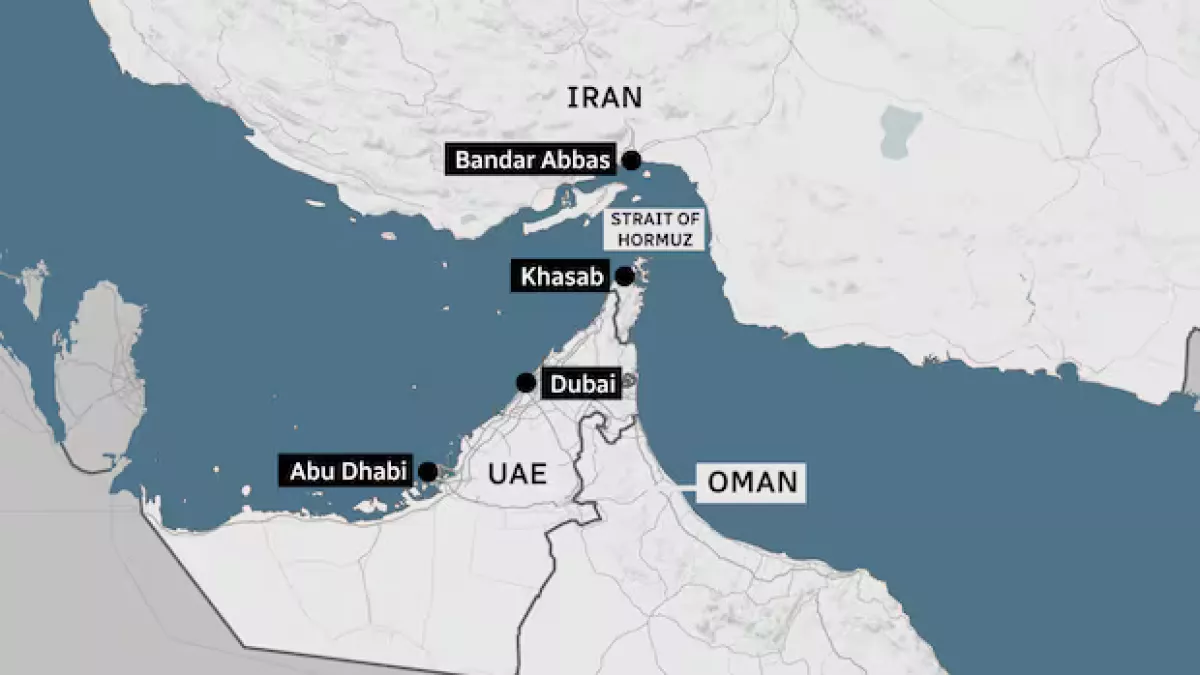
A considerable number of analysts argue that the United States stands to gain the most from the current situation — and not merely because its principal geoeconomic rival, China, could face disruptions in oil supplies (even if temporary, given its close energy ties with Russia). The crisis simultaneously heightens Europe’s vulnerability, as the continent remains largely dependent on the uninterrupted operation of this strategic transit corridor.
Beyond China, the “Hormuz factor” is poised to impact other major Asian economies — Japan, South Korea, and India — which together account for more than 80 per cent of the oil shipments passing through the Strait of Hormuz.
As for “blue fuel,” negative trends for global consumers are also evident here, stemming from the disruption of liquefied natural gas (LNG) supplies from Qatar, which accounts for roughly 20 per cent of the global LNG market. In this context, QatarEnergy has announced the suspension of LNG production at all facilities owned by the company.
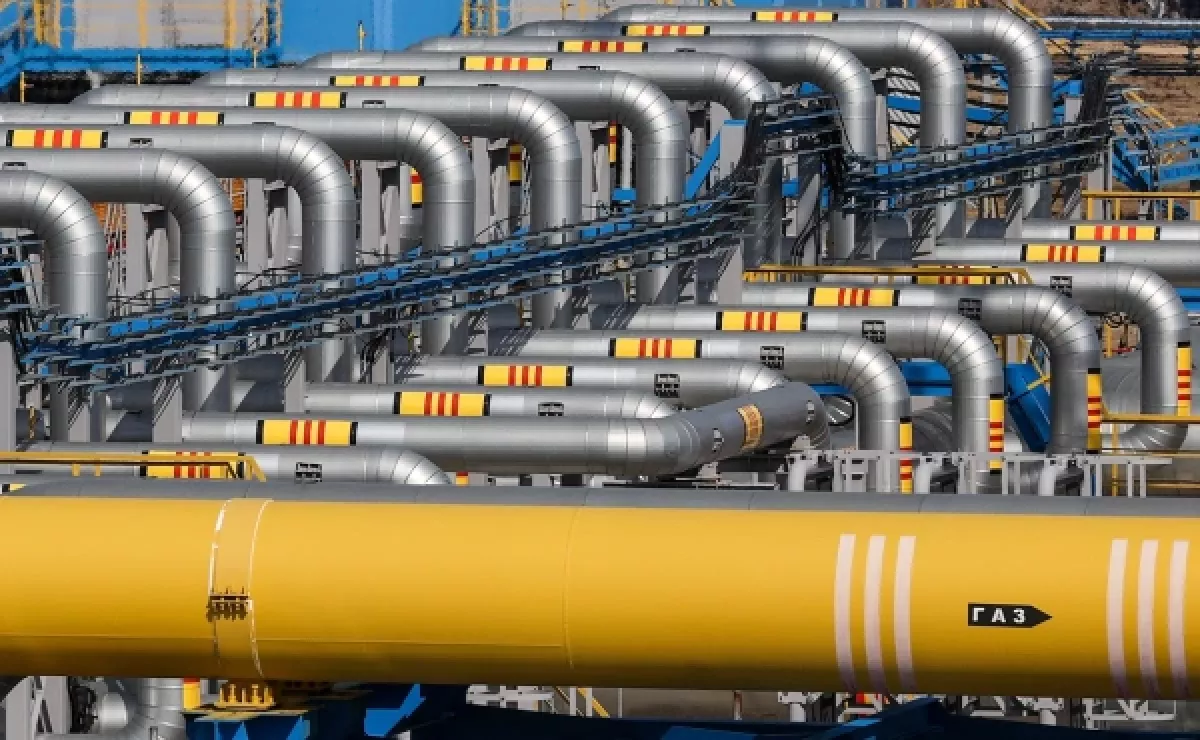
Against this backdrop, Moscow appears to benefit from the situation. However, as many experts emphasise, the key question is how long this advantage will last, since much will depend on the shifts in Tehran’s foreign policy orientation following the hot phase of the Iranian crisis.
In any case, it is the European track that finds itself on the losing end “here and now.” According to various estimates, since the beginning of 2026, the continent’s dependence on American and Russian LNG supplies has exceeded 80 per cent. For example, nearly 40 per cent of LNG imports in France and Belgium account for Russian resources.
Recent agreements between Washington and Brussels provide for the European Union to purchase $750 billion worth of energy resources from the United States over the period 2026–2028.
Amid this heightened vulnerability and growing reliance on the United States, Brussels has stepped up negotiations since late January to secure LNG deliveries from Qatar, while simultaneously exploring alternative supply channels involving Canada and countries in North Africa.

As clarified by European Commissioner for Energy Dan Jørgensen, tensions surrounding Greenland have served as a “wake-up call,” underscoring the need to strengthen Europe’s energy security in order to avoid excessive dependence on external suppliers. According to him, the United States currently accounts for approximately 57 per cent of LNG supplies to the EU and around 27 per cent of its total gas imports.
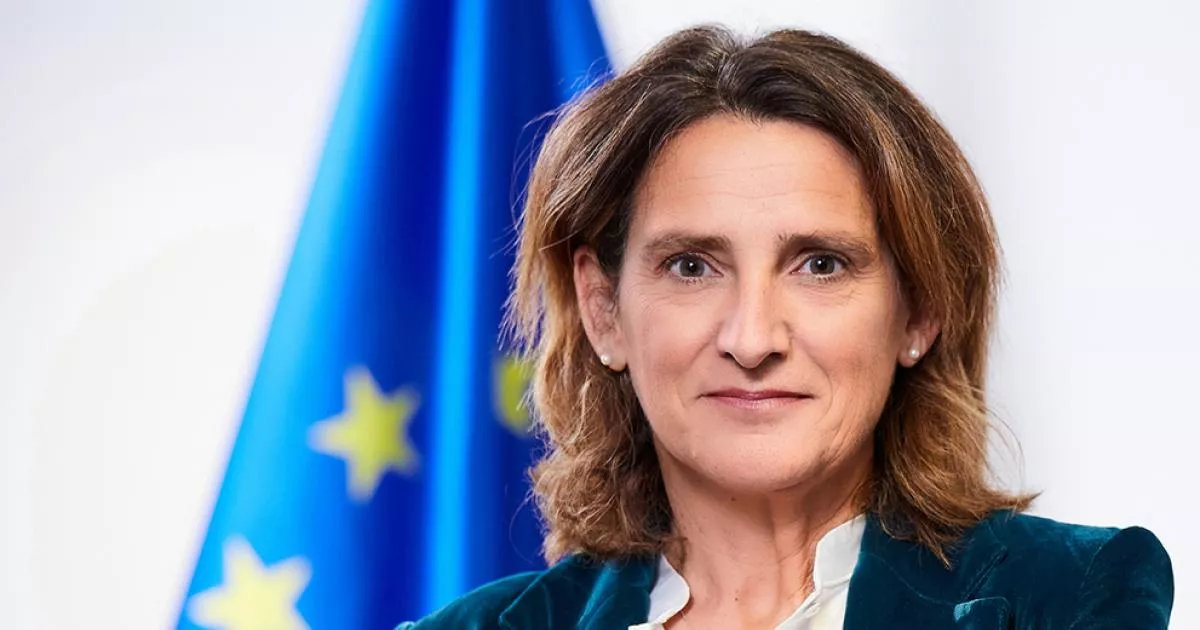
A similar position was voiced by Executive Vice-President of the European Commission Teresa Ribera, who noted that the EU is becoming increasingly reliant on LNG imports from the United States. As she pointed out, in 2025 American LNG represented about 58 per cent of the EU’s total LNG imports — nearly four times the level recorded in 2021. Ribera attributed this sharp increase to the need to compensate for the loss of Russian supplies.
The problem is that, according to data from the European energy information platform Arab Gulf States Institute (AGSI), by the end of January 2026, the level of gas in European storage facilities had dropped to 44 per cent of total capacity. This represents the lowest level for this time of year since 2022, when storage stood at 40 per cent. One contributing factor is the need to replace Russian energy resources on the European market.
According to Gas Infrastructure Europe, just four days ago, gas storage in Germany was at 20.5 per cent while in France it stood at 21 per cent.
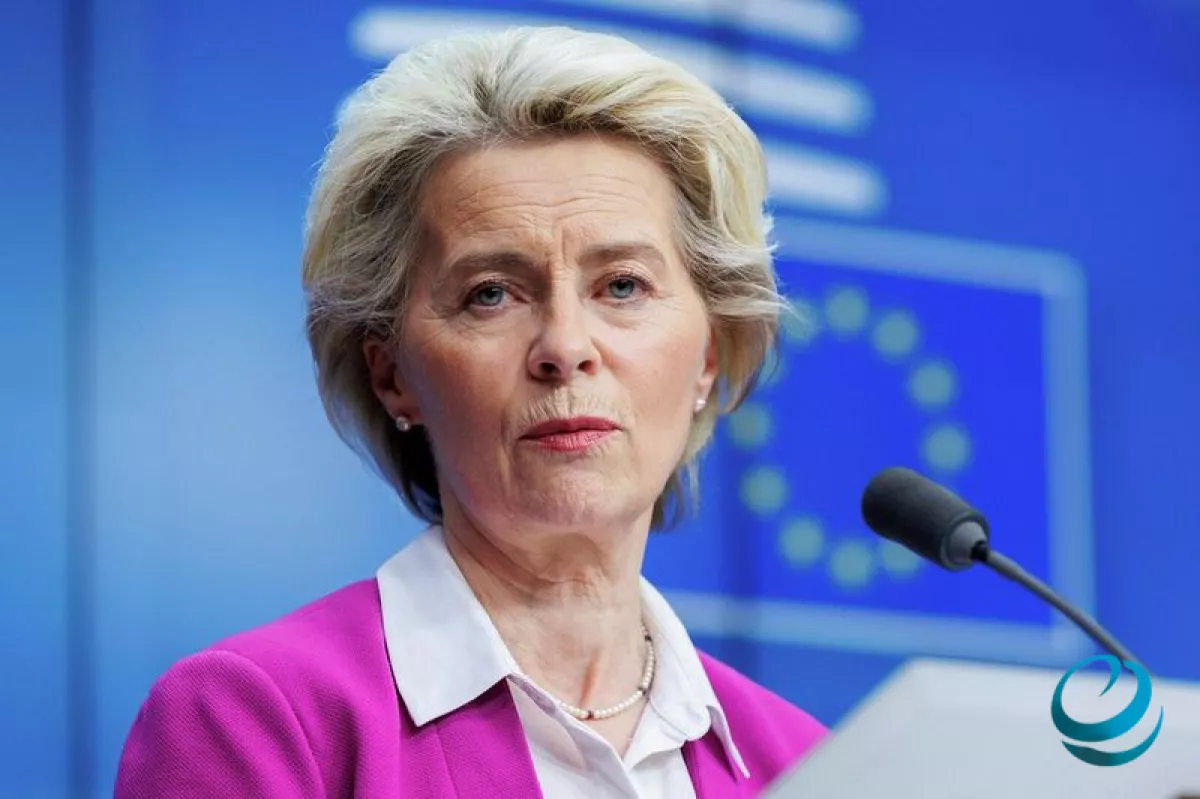
Today, gas prices in Europe have reached nearly $650 per thousand cubic meters — a level that experts do not consider to be the ceiling. It is no coincidence that Ursula von der Leyen once again emphasised the need for a long-term resolution of the Iranian crisis exclusively through diplomatic means. According to her, this entails a “credible transition for Iran, the definite halt to both the nuclear and ballistic programs and an end to destabilizing activities in the region.”
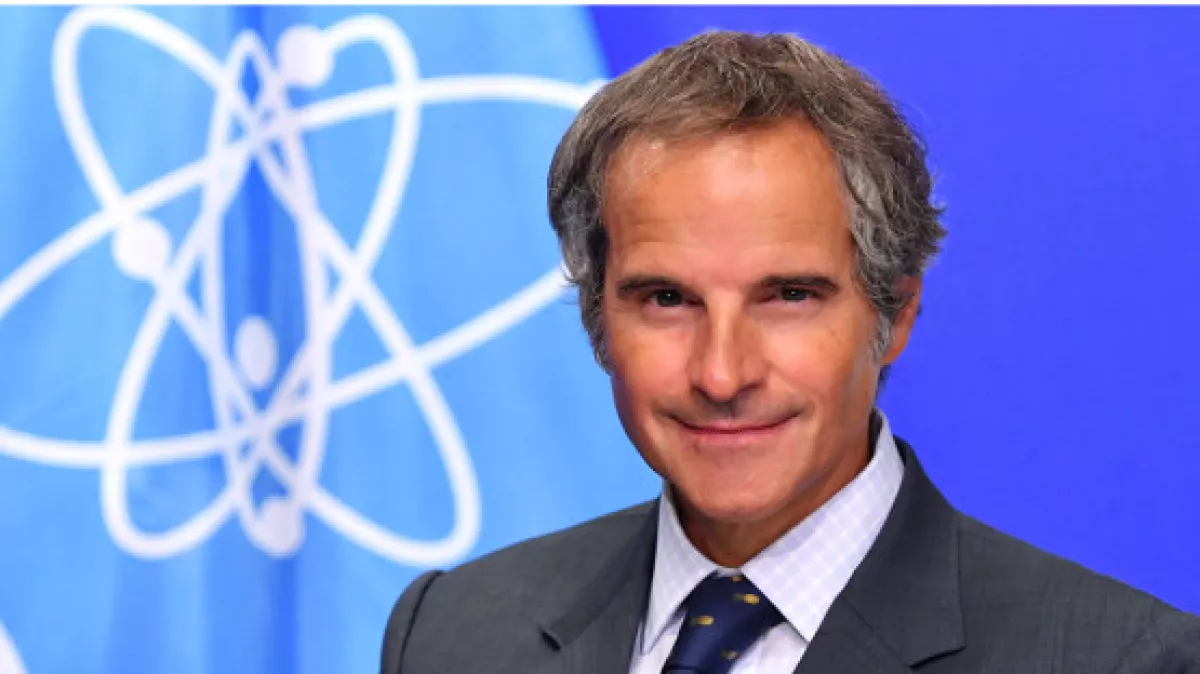
In a similar vein, though driven by different internal motivations, the IAEA Director General, Rafael Mariano Grossi, echoed von der Leyen’s call to prioritise diplomacy amid the “growing threat to nuclear security.”
Today, the stakes surrounding — if not directly within — the Strait of Hormuz are exceptionally high. Whether these stakes are primarily economic or political is ultimately for the reader to judge. It is worth noting, however, that few, if any, of the actors engaged in these geopolitical confrontations appear inclined to heed the position of the International Maritime Organisation, which underscores that freedom of navigation is a fundamental principle of international maritime law that must be respected by all parties without exception. At least, this remains the case at the present historical juncture. In this context, experts once again highlight the European Union’s current geopolitical vulnerability.







 editor@caliber.az
 +994 55 444-88-98
 Азербайджан, Баку, ул. Низами, 203, Af Business House, 5-й этаж