










Between Tehran’s pressure and Lebanese anger Hezbollah escalates against Israel
Following a series of intense exchanges, the Israel Defense Forces (IDF) have launched a ground operation in southern Lebanon. Israeli troops have secured several key positions, according to reports. The IDF has called on civilians to evacuate areas within 25 km of the Israeli border. In recent days, Israel has also intensified airstrikes targeting the positions, headquarters, and bases of the pro-Iranian group in Lebanon.
The previous round of clashes between Israel and Hezbollah ended on November 26, 2024, when the Israeli government reached an agreement with the group on a temporary ceasefire in Lebanon. The agreement stipulated that Israel would halt military operations in Lebanon, while Hezbollah would refrain from shelling Israeli territory. Additionally, Israel was to withdraw its forces from Lebanese territory, and Hezbollah was to disarm.
By that time, the IDF had secured five strategically important heights in southern Lebanon and completely destroyed the Shiite villages housing Hezbollah’s strongholds, with the local population evacuated to other areas.
Nearly the entire top leadership of Hezbollah was eliminated in precision strikes, including the group’s Secretary-General, Hassan Nasrallah. Thousands of its fighters were killed or wounded. However, Israel’s ground offensive in 2025 stalled, with around 100 soldiers, including members of elite units, killed in ambushes in southern Lebanon.
Since then, the armed conflict between the group and Israel has been largely one-sided. Both sides accused each other of violating the ceasefire agreement. Israel pointed out that Hezbollah had promised to disarm but had not done so, while Hezbollah feigned disarmament and noted that Israel refused to withdraw from Lebanese areas under its control. Hezbollah rarely fired on Israel or its forces, whereas Israel frequently conducted airstrikes on Hezbollah positions, headquarters, and leaders. This imbalance was largely due to Hezbollah’s relative weakness compared to Israel.
However, everything is relative — Israel and the United States’ hopes that the Lebanese government would disarm Hezbollah proved futile. Lebanon’s leadership is militarily weaker than the group’s armed wing, the “Islamic Resistance,” and simply could not do what the U.S. and Israel demanded, even though the current Lebanese government is a coalition of parties hostile to Hezbollah.
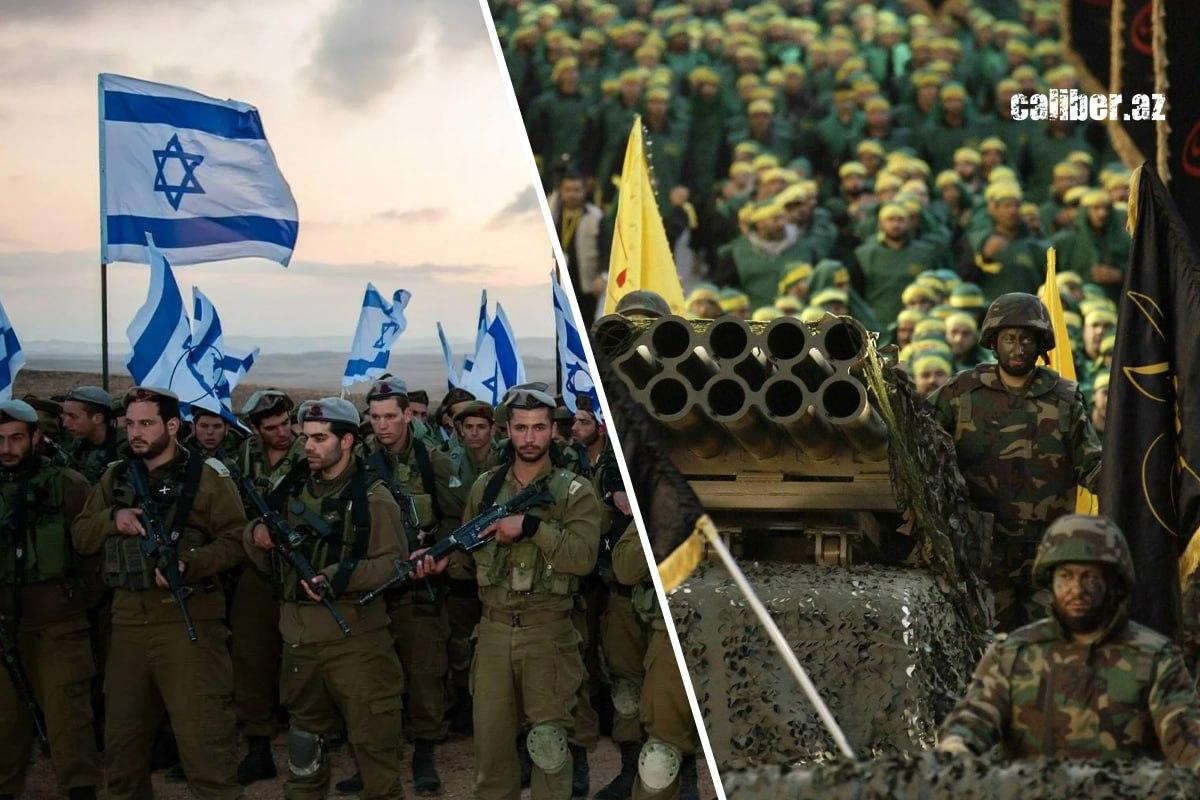
Hezbollah is part of the Iran-created “Axis of Resistance ” — an alliance of Shiite parties and armed militias in the Middle East. The group opposes Israel, Iran’s main geopolitical rival in the struggle for regional dominance. Therefore, the current escalation of the conflict, amid the ongoing war between the U.S.-Israeli coalition and Iran, is entirely unsurprising.
On March 2, Hezbollah launched more than ten rockets at Israel. They were intercepted by air defence systems or exploded in open areas. The group issued a statement to Israel, saying that its response to the bombings in Lebanon is “a defensive act and a legitimate right.”
Hezbollah avoided responding to Israeli attacks for a long time, even though in recent months Israeli airstrikes targeted its positions almost daily. There were several reasons for this. The group was demoralised by the deaths of its leadership and a significant portion of its fighters. Command over its military wing was disrupted.
Following the collapse of the pro-Iranian Bashar al-Assad regime in Syria, Hezbollah lost its main logistical artery: the steady flow of weapons and ammunition from Iran via Iraq (whose government is aligned with Tehran-friendly forces) and Syria. Without robust logistics, it is unclear how Hezbollah’s units could effectively counter Israel’s overwhelming military power.
Finally, Hezbollah does not enjoy widespread popularity within Lebanon. Its parliamentary representation accounts for only about 10 per cent of seats. Even among Shiites, many are critical of the group. Lebanese citizens often accuse Hezbollah of drawing Israeli bombings onto the country by engaging in conflicts with Israel that most Lebanese consider unnecessary. Much of the Shiite community shares this sentiment; many of their homes were destroyed by Israeli bombs, and Hezbollah lacked the resources to rebuild them.
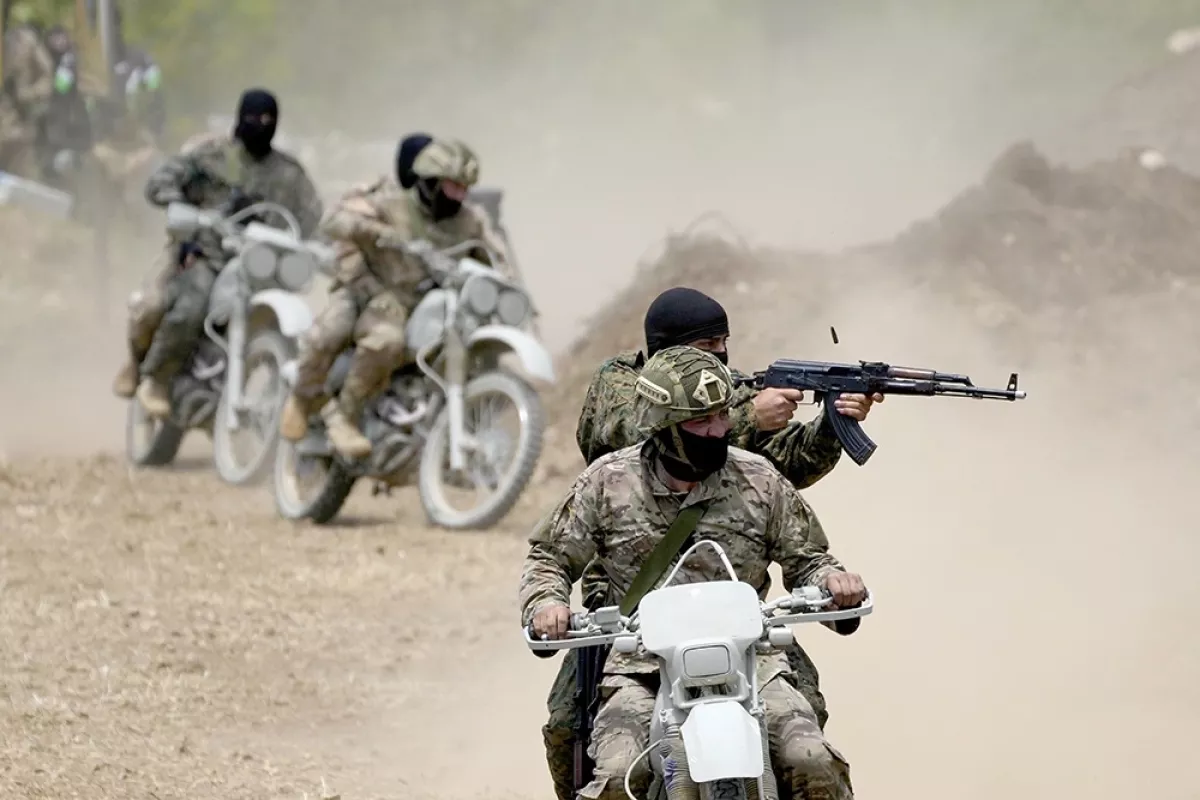
However, Hezbollah dominates Lebanon both militarily and politically — primarily because, thanks to Iranian arms support, it is stronger than all other forces, including the Lebanese Armed Forces. Yet the group cannot completely ignore the sentiments of the Lebanese population. For the reasons mentioned earlier, it had avoided responding to Israeli strikes.
Amid direct confrontation between Israel and Iran, Iranian pressure on the group proved too great. After all, 20,000–30,000 of its fighters receive their salaries primarily from Iranian sources.
The outlook for a new round of confrontation between Israel and Hezbollah remains uncertain, with many unknown factors at play. It is unclear whether Hezbollah has been able to restore its weapons supplies from Iran — and if so, likely not at previous levels — or how fully it has recovered from the losses it suffered during the 2025 conflict. On the other hand, Hezbollah’s fighters are seasoned experts in asymmetric warfare, ambushes, and sabotage, making them a serious threat to the IDF in the hilly, forested terrain of southern Lebanon. The group still maintains a significant missile capability and could attempt to wear down Israel’s air and missile defence systems through strikes on Israeli territory.
Israel, for its part, has warned that in the event of renewed hostilities, it would target Lebanon’s infrastructure — including the port of Beirut and key river bridges — to disrupt Hezbollah’s logistics.







 editor@caliber.az
 +994 55 444-88-98
 Азербайджан, Баку, ул. Низами, 203, Af Business House, 5-й этаж