










Germany rises, the European Union cracks Berlin’s ambition and Europe’s fault lines
The consequences of Germany’s political rise are being felt across the European Union. German politicians are already calling for Hungary to be punished and threatening Slovakia, investing huge sums in armaments, and effectively re-establishing borders within the EU. Berlin is once again counting on expanding its military capabilities through agreements with Washington. Even the current German leadership shows little interest in resolving issues through the EU and recently began withdrawing from a joint strategic next-generation fighter jet project with France and Spain. Moreover, the French do not particularly trust their German partners.
The upcoming change of government in key EU countries could further weaken the union. This is being reinforced by the current EU leadership’s policies, which hide failures in addressing serious economic problems behind slogans about the need for militarisation—so much so that even official experts speak of the imminent “disappearance” of Germany’s largest automakers. This paradoxical combination of political and military rise alongside economic decline is leading to a reconfiguration of the political balance in Europe.
Euro-liberals take revenge on Orban
On February 24, German politicians outlined the new ambitions of the ruling class in Germany regarding the restoration of their country’s influence in Eastern Europe. They loudly demanded that Hungary be stripped of its voting rights within the EU. The reason was Hungarian Prime Minister Viktor Orban’s decision to block the adoption of a new EU sanctions package against Russia.
The head of the influential European Parliament Defence Committee, Marie-Agnes Strack-Zimmermann, told Der Spiegel: “Under Orban, Hungary is jeopardising not only solidarity with Ukraine but also Europe’s entire capacity in security policy.” She implied that the country had been benefiting from EU subsidies for years while trampling on shared values—yet she did not mention that these shared values are supposed to consider Hungary’s position, nor that Hungary not only received EU funds but also contributed to the Union’s budget. She demanded discipline: “When, as in the case of Orban’s Hungary, there is a clear threat to the EU’s foundational values, the right to vote in the Council must be withdrawn.”
German media are burying the context of this decision in their coverage—because the situation looks very different if one recalls that Orban acted after the transfer of Russian oil to Hungary through Ukrainian territory was halted under a convenient pretext. Landlocked Hungary cannot quickly replace this oil, and given that Brussels is moving towards halting gas purchases by EU countries, the situation appears threatening.
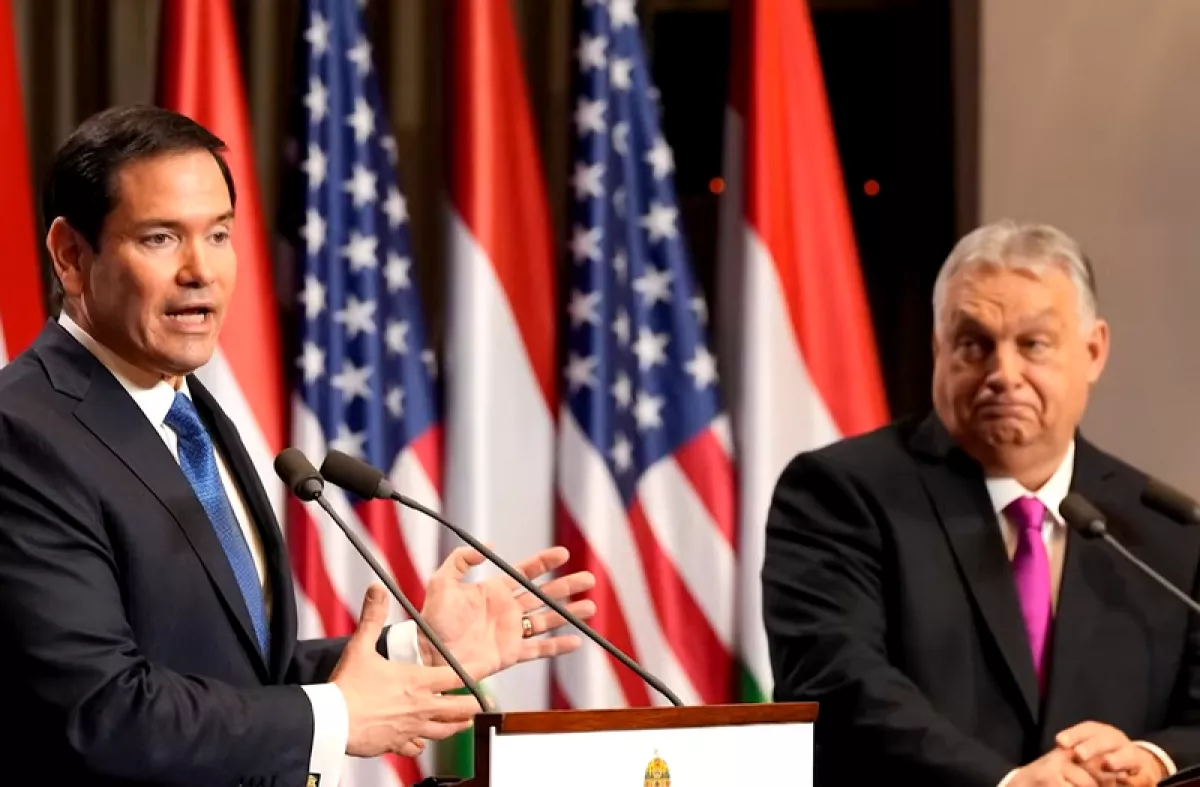
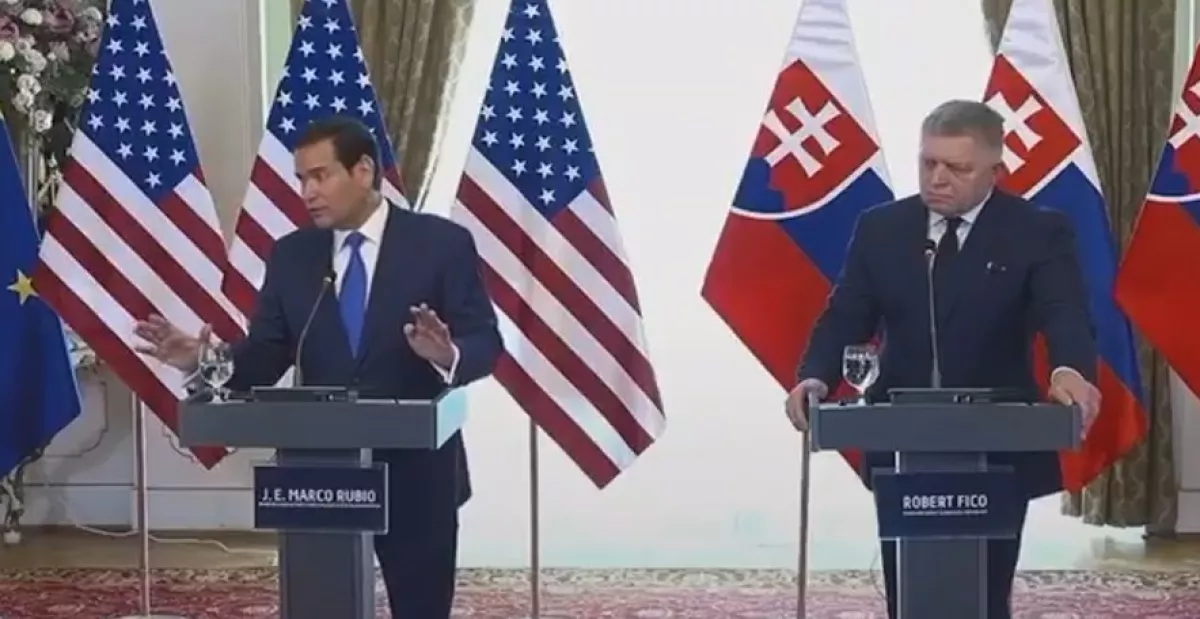
The story takes on new shades when one recalls another context. Hungary’s recent problems arose after it became known that U.S. Secretary of State Marco Rubio visited Hungary and Slovakia immediately following the Munich Conference—countries known for defending their national interests against encroachments by Brussels’ bureaucracy and elite. The Euro-liberal elites, who govern most EU countries, are likely behind not only the well-known attacks by Ukrainian President Zelenskyy on Orban (accusing him of “growing a belly” instead of building up an army for the war with Russia), but also the sudden issues with the transfer of oil to Hungary via Ukraine. Previously, throughout the war, oil had been transported without problems.
Aware that Euro-liberal elites and their comprador allies in Eastern Europe may go to any lengths in their struggle against him (the sabotage of the Nord Streams has already demonstrated their capabilities), on February 25 the Hungarian leader even announced the strengthening of security at energy facilities in response to the threat of sabotage. In addition, a ban on drone flights is being introduced in the east of the country. The current pressure on Hungary comes just ahead of the parliamentary elections on April 12, in which the opposition, with the support of the EU leadership, hopes to weaken Orban and his Fidesz party.
For Berlin, US matters more than France
Orban is portrayed as a “destroyer of European unity,” but in reality, far greater cracks in the EU are being created by others, including the Germans and the French. In March, the European Commission will begin investigating whether Berlin is complying with the Schengen Agreement. The issue is that border controls have been reinstated at all German borders. These controls are currently selective, but they are already changing migration flows. Smaller countries, such as Luxembourg, have already lodged complaints. Brussels loudly announced its intention to investigate, attempting to pressure Germany into ending the extended border controls. Yet this week, Berlin decided to extend these measures for another six months. Of course, Germany is not the only country restoring border controls—the Poles are doing the same—but Germany, a key EU country that was previously unproblematic in terms of “European integration,” is doing so openly and demonstratively, brushing aside the threat posed by the European Commission.
This change in Germany’s military policy is becoming even more noticeable. As is well known, the EU establishment has in recent years increasingly promoted the idea that military mobilisation against Russia would allow the EU to reach a new level of integration. Yet mobilisation faces challenges. Last week it emerged that Berlin is withdrawing from the most ambitious military project in EU history—the joint German-French-Spanish FCAS fighter jet programme. Launched in 2017, the project aimed to develop a new fighter jet and related systems, such as drones, to replace the Rafale and Eurofighter jets by 2040. Instead of completing this initiative, the Germans have decided to purchase an additional 35 American F-35s, effectively doubling the future fleet of these aircraft in the German Air Force.
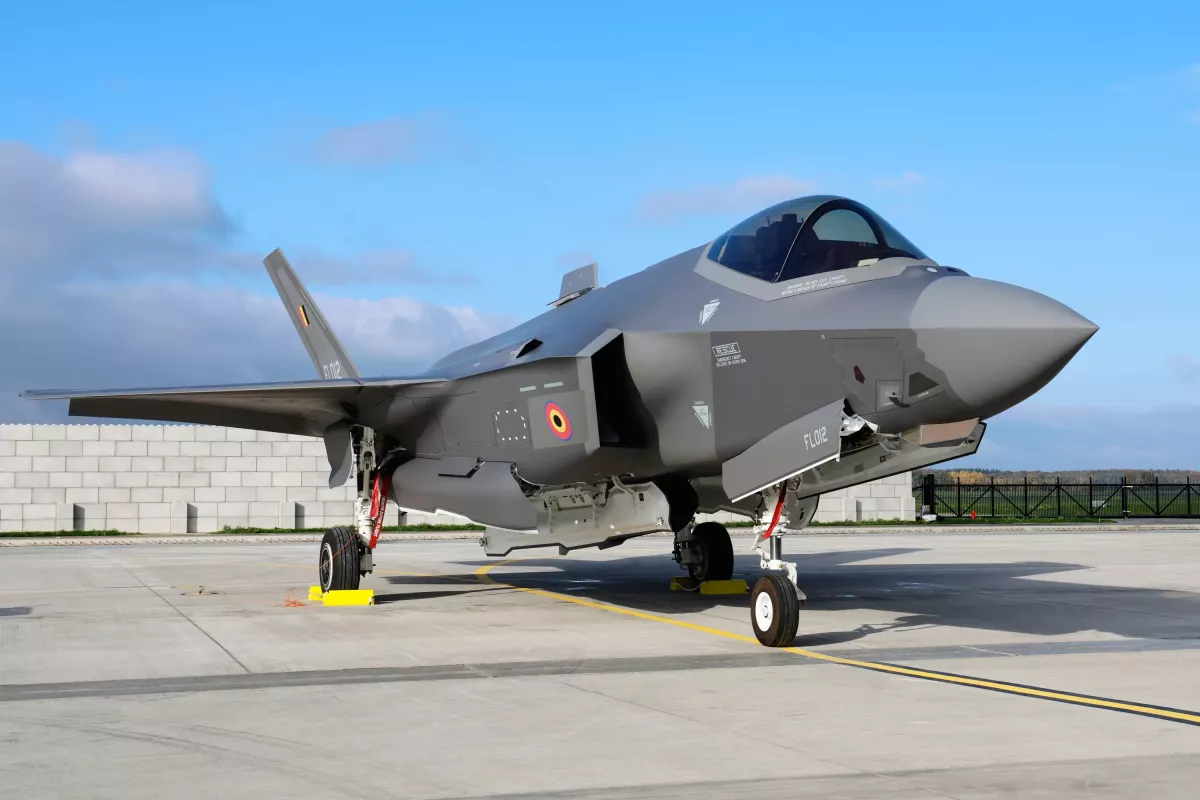
With this move, Berlin has effectively ended plans to equip the EU with its own weapons. In terms of EU military capabilities, this leads to further fragmentation—rather than a single next-generation fighter, the EU will have three or four intra-European projects alongside the F-35. At the same time, this decision will result in losses amounting to billions for all involved, particularly for the French side, whose company Dassault Aviation was the main developer. Yet for Berlin, relations with EU partners are less important than relations with the United States, which the current German leadership is clearly trying to improve by buying more American weaponry.
To be fair, the French side did not behave ideally toward EU partners either. After the project began, the French tried to reshape the share in their favour, sidelining the Germans. A representative of the French company recently said, “If they [the Germans] want to do it on their own, let them do it on their own. We know how to do everything from A to Z.” In other words, all parties share some responsibility for the project’s failure, though Berlin is the one bringing it to a definitive close.
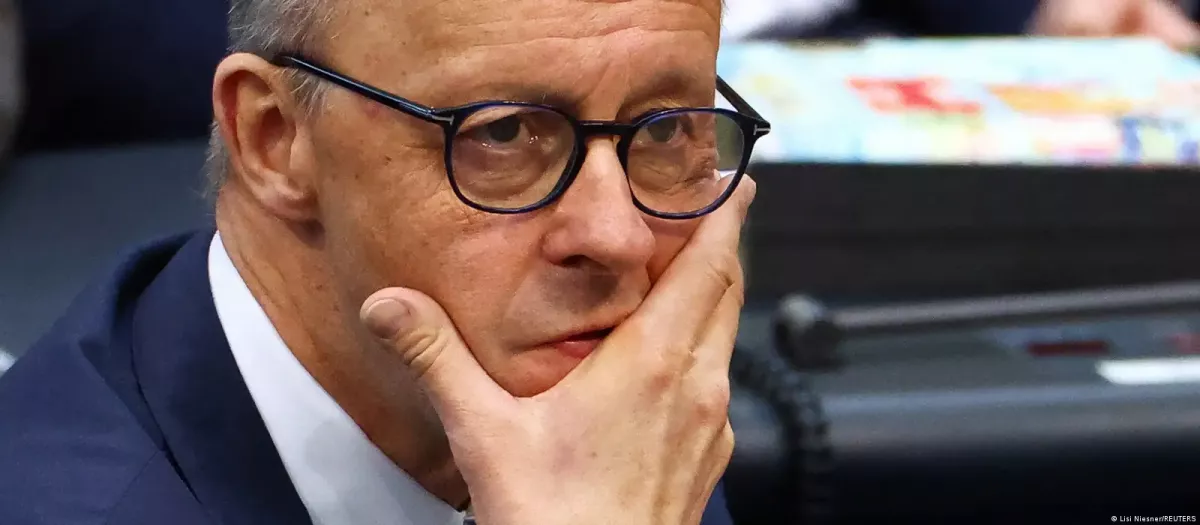
German Chancellor Friedrich Merz insists that the problem is “technical, not political.” Yet this is misleading—disputes around such an ambitious project are inherently political. At the most basic level, it has become clear that even the dominant corporate sectors of two key EU countries cannot effectively work on a joint strategic project. Dassault in France resisted transferring technologies and know-how to its German partners, reasoning that a war with Russia might never occur, while Airbus, strengthened by French technologies, would undoubtedly become a powerful competitor in the aviation markets. At a higher level, these disputes highlight the stark reality of the minimal mutual trust between states, even decades into European integration, supposedly led by the much-celebrated “Franco-German tandem” praised in pro-EU propaganda.
Will the EU survive the liberals’ exit from power?
At the first signs of U.S. foreign-policy pressure on the EU, the tandem cracked and fell apart. Germany has effectively prioritised relations with the U.S. over any Euro-integration ambitions, while France has chosen the opposite path. Last week, the French Foreign Ministry officially stated that it was “surprised” even by the European Commission’s decision to send one of its commissioners to a session of Trump’s “Board of Peace” in Washington. What is particularly interesting is not only the clear divergence between Paris and Berlin—Germany simultaneously expressed its desire to negotiate with Trump, sending Chancellor Merz as the EU’s representative across the Atlantic—but also Paris’s view that this was another unilateral move by the Brussels leadership: “Regarding the European Commission and its participation [in the Board of Peace], in reality we are surprised because it does not have a mandate from the Council to go and participate.”
Of course, this is not just about conceptual disagreements. Berlin has plainly sensed an opportunity to once again play the traditional German historical game—the struggle for a leading role in continental Europe.
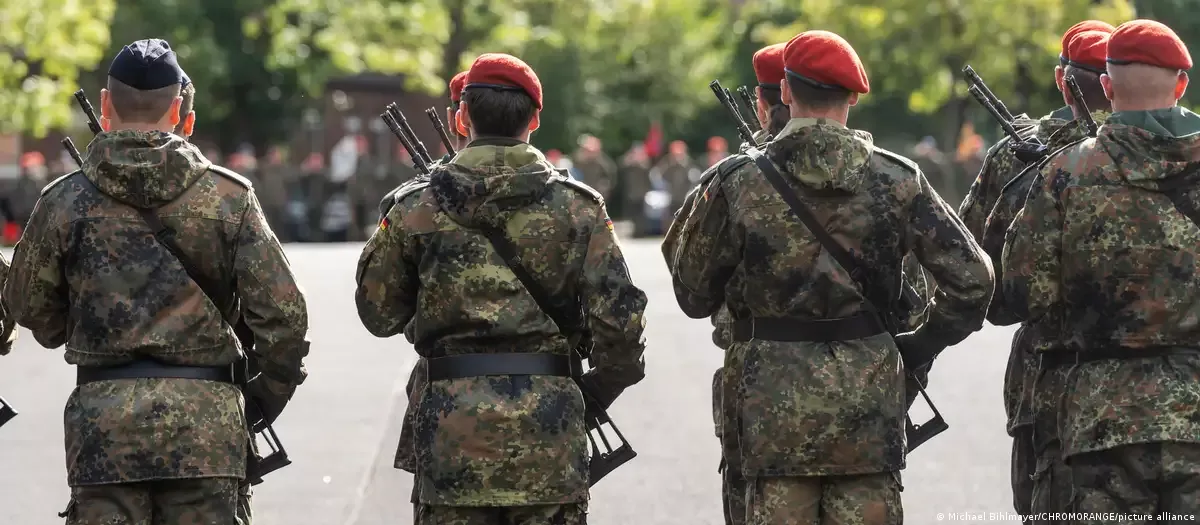
By 2029, Germany plans to spend €150 billion on defence—twice as much as France. Moreover, Berlin has lifted restrictions on state borrowing for military needs, allowing planned expenditures to increase even further. Such ambitions, given the current situation and the experience of “European integration,” cannot but alarm Germany’s neighbours, including the Poles and the French (who are also actively rearming under the pretext of a possible war with Russia). This is precisely why Berlin seeks U.S. backing for its drive toward remilitarisation.
After its defeat in 1945, it was the United States that enabled Germany to rebuild its army to counter the Soviet Union at the onset of the Cold War—just months after the war’s end (while other allies, particularly the French, preferred to dismantle Germany altogether). Today, U.S. support may once again help Germany remove the remaining constraints that have restrained it in the military sphere since the Nazi era.
In the current circumstances, risks for the European Union are also becoming apparent. On the one hand, Berlin holds on to the EU because German elites are widely represented within its leadership structures. On the other hand, the increasingly fragile architecture of the Union is becoming more of an obstacle and less of an instrument for advancing German ambitions. One is reminded of a similar situation at the end of the Soviet Union, when the strong representation of Russian elites in the Soviet leadership did not prevent RSFSR leader Boris Yeltsin and his team from dismantling the Soviet system in order to pursue their own ambitions—particularly to avoid sharing power with the increasingly assertive republics of the South Caucasus and Central Asia.
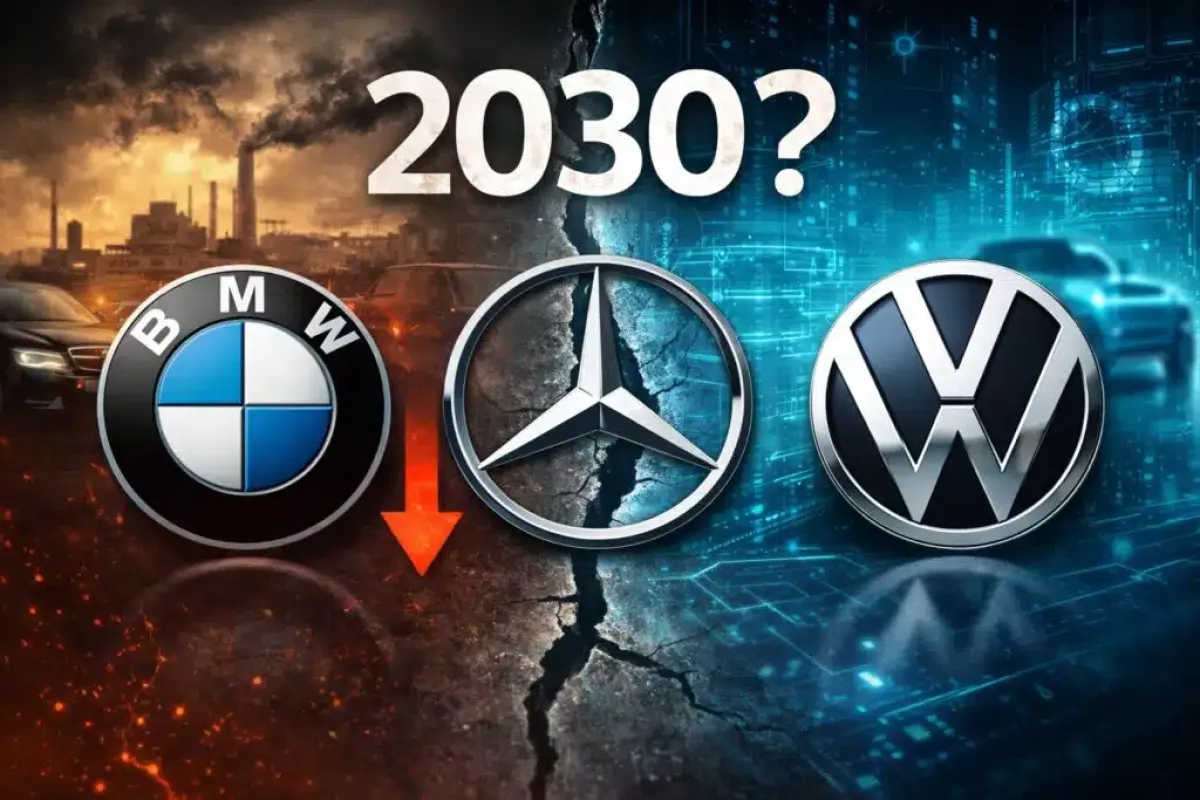
Cracks within the EU will deepen not only because the current EU leadership and the Euro-liberal governments of several member states lack both ideas and the political will to regenerate the Union. That absence is striking given the seriousness of the situation. Even Moritz Schularick, president of the Kiel Institute for the World Economy—an institution closely aligned with the German establishment—has been warning for months that flagship pillars of the German economy such as BMW, Mercedes-Benz and Volkswagen could “disappear” as early as 2030. This trajectory is reinforced by Brussels’ current spineless stance in trade negotiations with the United States, demonstrated by European Commission President Ursula von der Leyen’s unconditional capitulation to Trump’s demands during negotiations last summer.
Yet the fractures within the EU will also widen for another reason. No matter how hard Euro-liberals attempt to cling to power, new, non-liberal political forces—deeply sceptical of the EU—are gaining ground everywhere. At first, this was evident in the failure of repeated attempts to engineer regime change through Maidan-style unrest in Hungary, Serbia, and Georgia, as well as in the inability to secure the desired outcome for Euro-liberals in Romania without questionable external interference. This was followed by the controversial barring of Marine Le Pen from elections in France and the use of state security mechanisms to contain the growing influence of Alternative for Germany. For Euro-liberal elites, it is becoming increasingly difficult to stem this rising tide.
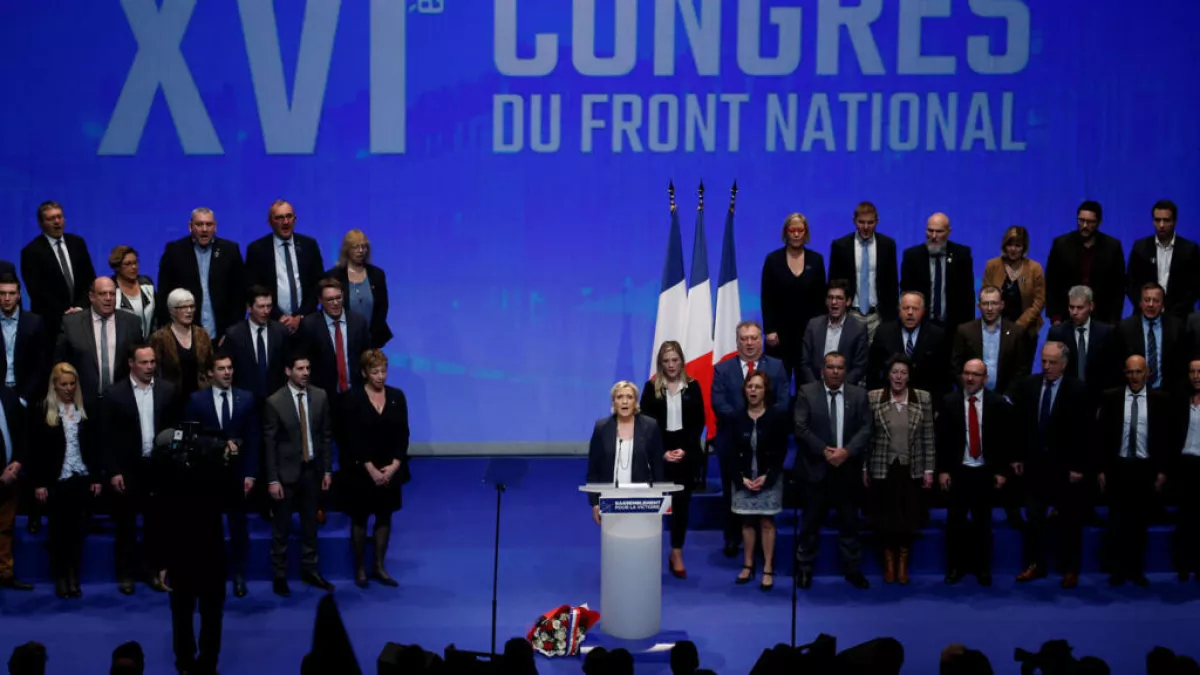
That is why we now see even the left-liberal Guardian reluctantly acknowledging that it is Marine Le Pen’s National Rally that is likely to place its candidate in the presidential chair next year, replacing Macron.
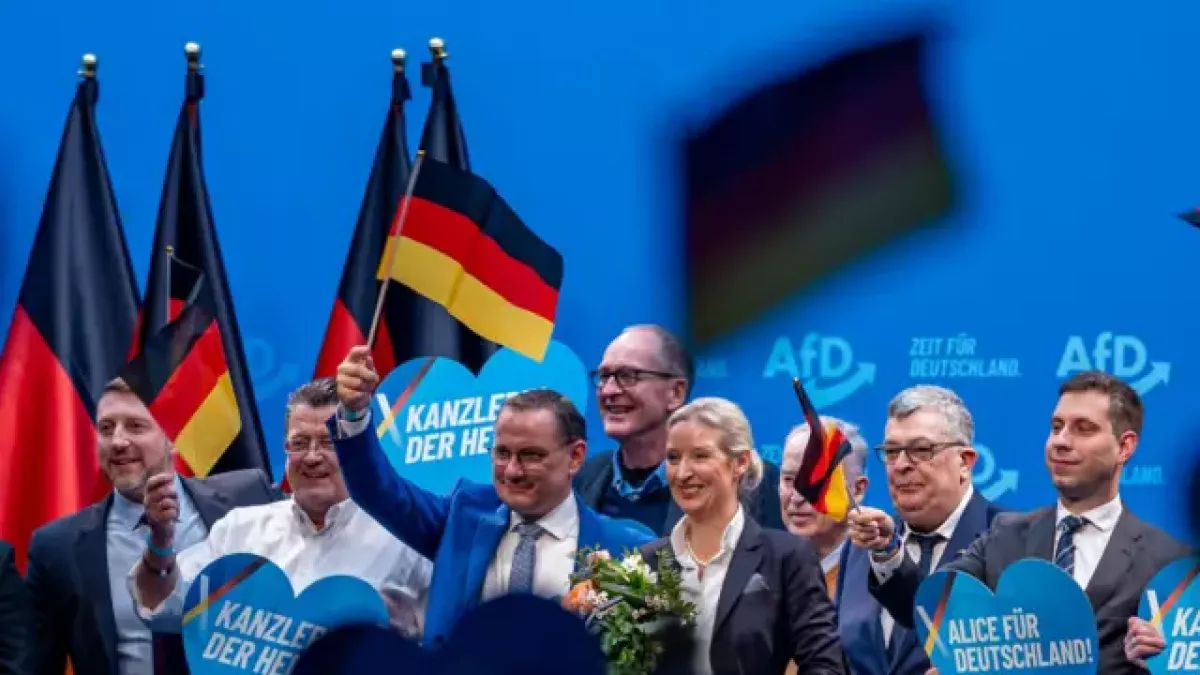
Within Germany’s ruling Christian Democratic Union, discussions have openly begun about abandoning the boycott of Alternative for Germany and forming coalitions with it—while it still lacks sufficient support to govern alone. Both France’s National Rally and Alternative for Germany see little value in the European Union in its current Euro-liberal form.
Today’s Euro-liberal leaders in Brussels and across European capitals are responding with ideas that are poorly timed and even less realistic. Militarisation tops the list of trends, despite the fact that the war in Ukraine—where NATO has de facto tested its strength against Russia—has so far demonstrated the inability of either side to achieve a decisive breakthrough on the battlefield. Yet even this has not tempered Euro-liberal strategic thinking. Increasingly, they speak of another “wonder weapon” that will supposedly change everything—nuclear weapons. Even Denmark and Poland are discussing the desire to obtain them in one form or another.
Needless to say, from an economic standpoint this is an entirely fantastical undertaking. It is not merely that EU countries lack the funds for such an expensive and dangerous toy. The more pressing issue is that their core problems are already economic—and those problems alone are capable of bringing even the present-day European Union to collapse.
Nevertheless, all of this is unfolding alongside continued EU enlargement policy—extending membership to structurally underdeveloped countries burdened with numerous political and socio-economic problems. These are states that, in the foreseeable future, will primarily receive subsidies from Brussels while creating additional challenges for the EU leadership in international affairs. Returning to the beginning of this article, it is worth noting that the root cause of the conflict between the Hungarian prime minister and the EU leadership was Orban’s refusal to agree to Ukraine’s “advance” admission into the EU next year, a move the European Commission is attempting to push through. At the same time, the process of extraordinary accession is being accelerated for several other countries, including Armenia.
In this context, one recalls how cautiously, compared to the EU, the China-linked Shanghai Cooperation Organisation (SCO) approached the issue of enlargement in Beijing and other member capitals. Even a strategically crucial country such as Iran waited some fifteen years before being admitted, as SCO leaders did not want the organisation to become entangled in a global conflict as a result of expansion. Belarus waited almost as long.
But this is not the European Union’s approach. The EU continues its geopolitical expansion, multiplying its economic, political and strategic difficulties and turning its policy into an adventure. In this regard, the EU’s plans concerning the South Caucasus cannot but raise concern.







 editor@caliber.az
 +994 55 444-88-98
 Азербайджан, Баку, ул. Низами, 203, Af Business House, 5-й этаж