










Kyiv intensifies rhetoric towards Minsk From diplomacy to threats
In a lengthy interview with Belarusian opposition journalists, the President of Ukraine made a number of harsh statements and even outright threats against the Belarusian leadership. This marks at least the fifth such attack on Minsk in the past month and a half. What is going on?
A foggy relay
On 23 February, Volodymyr Zelenskyy gave an interview to the opposition Belarusian outlet Zerkalo.io (formerly Tut.by, recognised as extremist in Belarus).
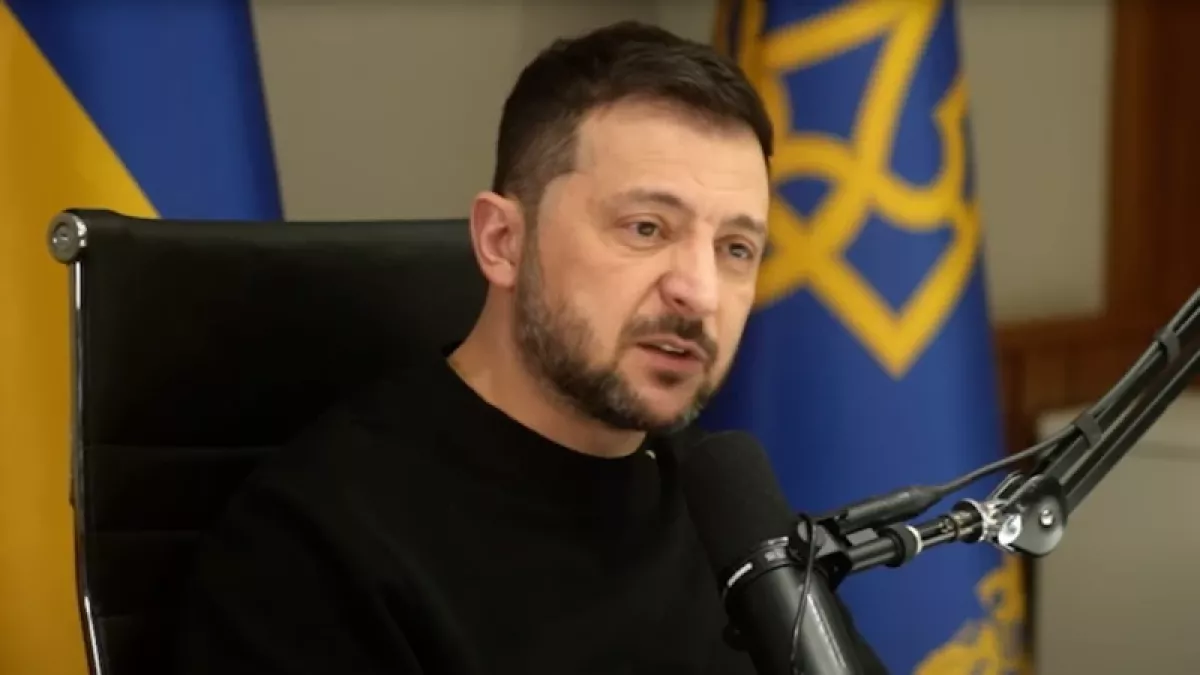
The journalists themselves admitted that they had tried dozens of times over the past four years to secure this interview in various ways — all without success. And now Zelenskyy agreed. The interviewers could not help but wonder why the Ukrainian president had refused to speak with them at the start of the military operations, but was willing to do so now, when there was nothing remotely resembling the events of 2022 in northern Ukraine.
The explanation from the Ukrainian president was rather specific. According to Zelensky, he agrees that in 2022 the Belarusian side could not control the actions of the Russian army (though this did not prevent Kyiv from calling Belarus a “co-aggressor” from the very beginning). But now, Zelenskyy believes, the situation is different. Belarus is allegedly deliberately helping to guide Russian drones to targets in Ukraine using relay stations on its territory.
In reality, the flight correction of long-range strike drones is carried out via satellite networks. The primary navigation system for Russian Shahed 131–136 (“Geran”) drones is, first and foremost, GPS/GLONASS. In addition, the guidance of a Shahed is duplicated by an inertial navigation system.
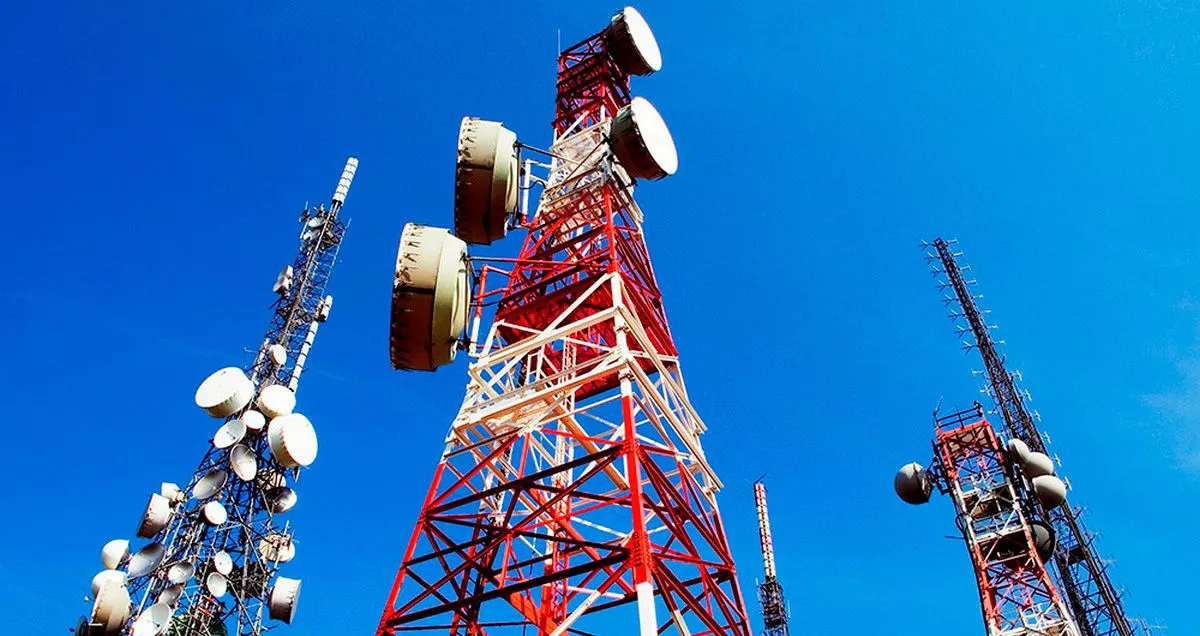
According to the Ukrainian side, recently the Russian Armed Forces have allegedly begun using Belarusian mobile relay towers to guide their drones via a mesh network using the VOR/DME platform. In theory, this technology allows operation without a GPS signal. Details have not been disclosed, and the accuracy of this information remains shrouded in the fog of war. In any case, in the current armed conflict, a wide range of operators are used for control and guidance, often without their knowledge. For the management of Russian Shahed drones until recently, both the American Starlink network and SIM cards from Ukrainian mobile operators were used. Yet no one calls either Elon Musk or the Ukrainian mobile companies “co-aggressors.” In Russia itself, only Pavel Durov has been accused of facilitating communication for terrorists and other malicious actors through his Telegram platform.
Wandering UAVs
Meanwhile, drones are indeed increasingly entering Belarusian airspace, often resembling deliberate provocations. In July 2025, a drone was shot down over Minsk, and photos of the wreckage showed Ukrainian markings. It appears that the drone was of Ukrainian or Western European origin, such as the FP-1 type.
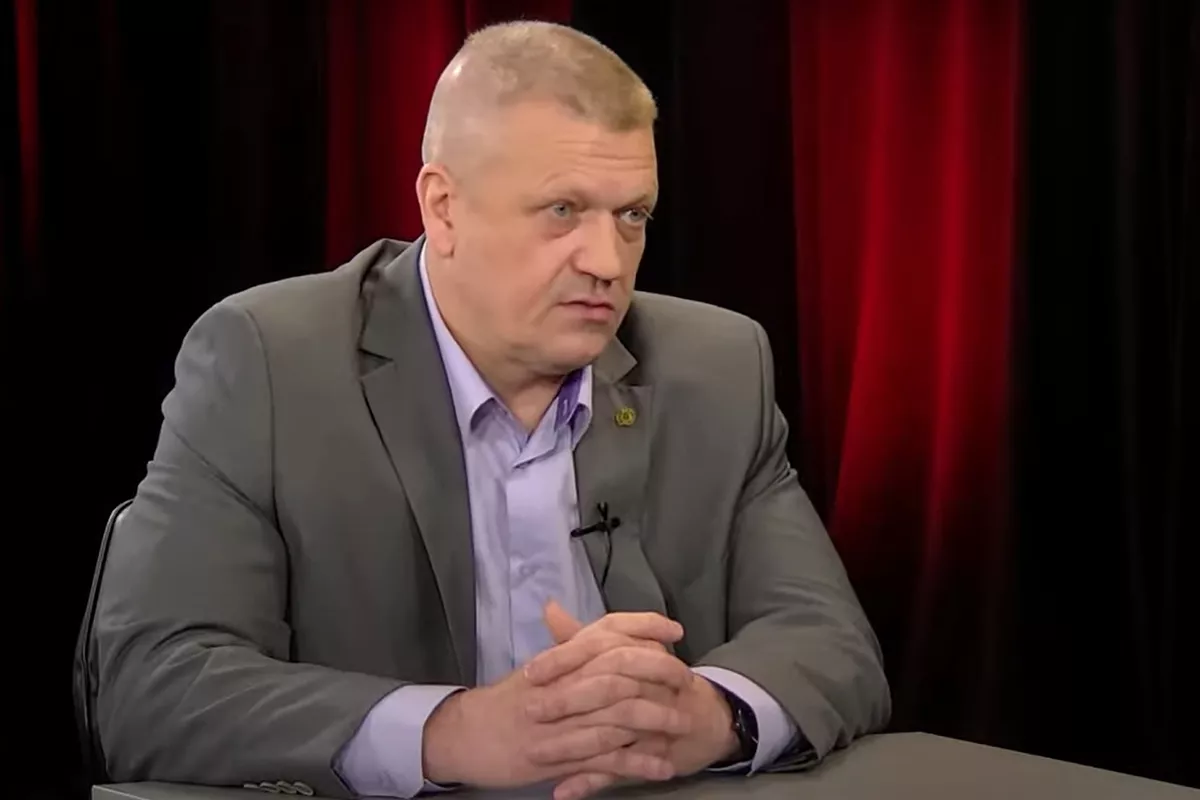
Deputy Head of the Faculty of the General Staff of the Armed Forces of Belarus, Andrei Bogodel, believes that the drone’s flight of at least 250 km rules out any chance of occurrence. According to the expert, it is rare for a week to pass in the border regions of Gomel and Mogilev without drones being intercepted or neutralised by air defence and electronic warfare systems. Up to 2–3 such incidents are recorded weekly.
According to Russian media reports, there have been cases where Belarusian combat aircraft were scrambled to potentially repel UAV attacks.
At the same time, the President of Ukraine acknowledges that Belarusian servicemen have not participated and are not participating in combat operations. However, Zelenskyy attempts to accuse Belarus of close military-technical cooperation with Russia. The Republic of Belarus is constantly under the scrutiny of hostile Western policies and sanctions. In addition, Belarus is a member of the CSTO and the Union State with Russia. It would be strange if Minsk were to abandon these formats, including for reasons of national security.
Belarus also maintains military cooperation with a number of other countries—and in the past, with Ukraine as well. For example, since 2012, the Ukrainian company Motor Sich produced Mi-8MSB, Mi-2MSB, and Mi-24 helicopters at the Orsha Aircraft Repair Plant. However, after the “Euromaidan,” this production was discontinued by the Ukrainian side for political reasons.
Moreover, Volodymyr Zelenskyy himself practically questions the legitimacy of condemning Belarus for military-industrial cooperation with Russia, saying: “One can always say—excuse me, Ukrainians also purchase artillery from someone, in various countries.”
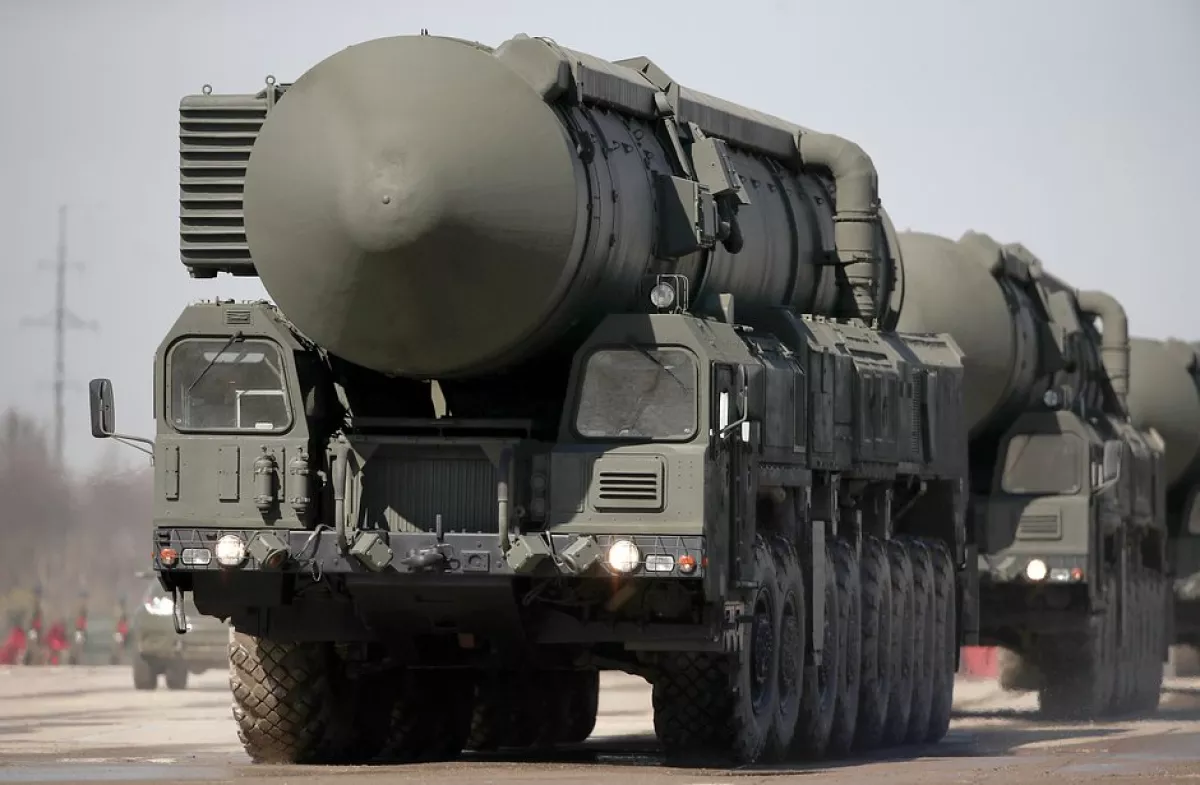
Another point of accusation is the deployment in Belarus of the medium-range ballistic missile “Oreshnik.” According to Minsk’s official version, this is done primarily in response to the unprecedented build-up of NATO strike forces on Belarus’s borders and in no way as an attack on Ukraine.
Throughout all four years of the war, not a single new Belarusian military unit has been permanently deployed along the border with Ukraine. The Belarusian Armed Forces do not even have a separate command for this direction—only the Western and Northwestern operational commands. Meanwhile, on the Ukrainian side, up to 20,000 troops are constantly stationed near the Belarusian border.
However, when speaking about the Oreshnik MRBM, the Ukrainian president does not mention the current deployment of strategic offensive weapons aimed at Belarus in Poland, nor the deployment of a German tank brigade in Lithuania just 18 km from the Belarusian border. He also does not refer to plans to station European nuclear weapons on Polish territory. For example, French multi-role 4th-generation Rafale fighters, capable of carrying nuclear munitions, recently arrived at a Polish airfield.
Is Belarus taking a huge risk by advocating for peace?
Regarding the threats voiced by Zelenskyy—“Belarus is taking a big risk, now this is a matter of its security…” and so on—when asked by Belarusian opposition journalists whether Ukraine considers Belarusian “relay towers” and the Oreshnik missile legitimate military targets, the Ukrainian head of state admitted: “I will not say by what method, but our guys have worked on ensuring that 3–4 relay towers no longer function on Belarusian territory…” Effectively, this announced the possibility of strikes on Belarusian territory in the future.
So who is really trying to drag Belarus into the war in Ukraine, which is seen by both the overwhelming majority of Belarusians and the country’s leadership as a great tragedy?
The question also arose as to why there was no talk of strikes against Belarus at the start of the war. Volodymyr Zelenskyy stated that he had discussed with his inner circle the possibility of military action against Belarus in 2022, but abandoned it because, according to him, Putin supposedly wanted exactly that—to provoke the Belarusian army into entering the conflict.
However, here Zelenskyy effectively contradicts himself: if back then he feared playing into Moscow’s hands, why now, in the event of strikes against Belarus, is he no longer concerned about aiding the same “Putin plan”?
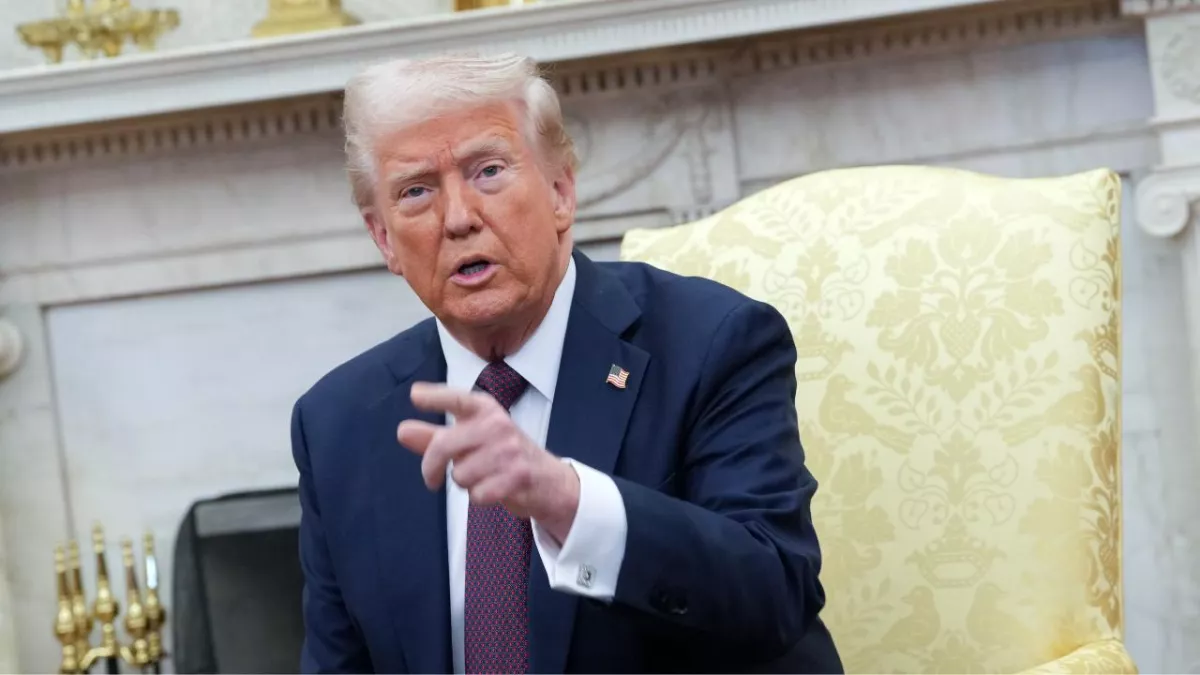
What is the reason for the current, so far verbal, escalation? One apparent factor is Belarus’s negotiation process with the United States, initiated by Donald Trump. In this interview, Zelenskyy expressed clear displeasure with some improvement in relations between Minsk and Washington. He stated that engagement with the U.S. would in no way guarantee Lukashenko “immunity.”
“The Americans do what they need,” Zelenskyy said. The Ukrainian president was firmly against lifting sanctions on Belarus. “You can’t just forgive like that,” he bluntly declared. And once again, he effectively returned to threats, noting that now, after several years of war, there is no need to use drones against Belarus. “But from Kyiv, we manage many things,” Zelenskyy added.
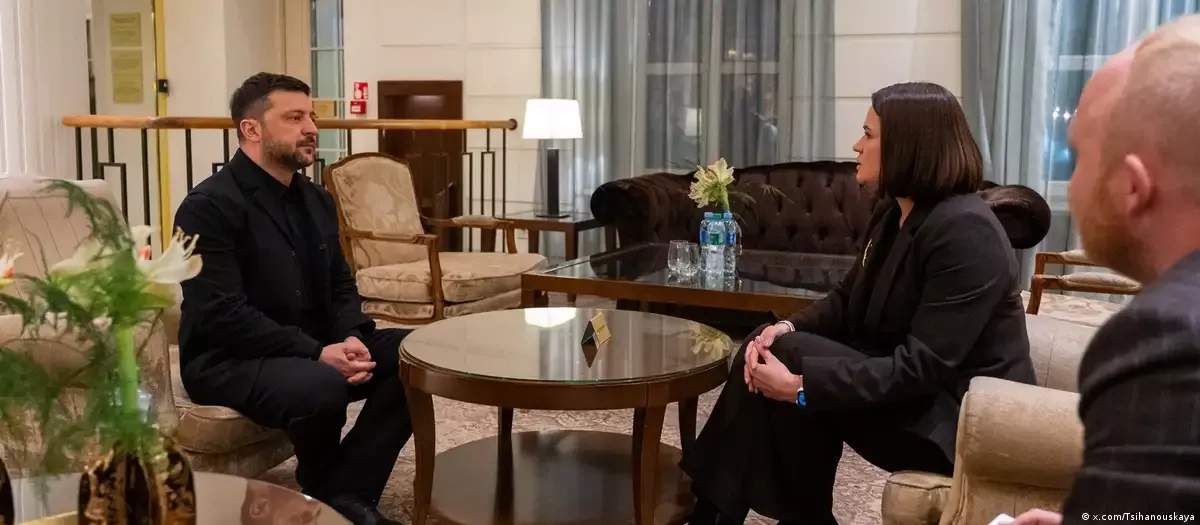
Overall, since mid-January, the Ukrainian president has already taken a series of steps toward further escalation against Belarus. Zelenskyy has publicly criticised the Belarusian president in Davos and Vilnius, held his first official meeting with opposition leader Sviatlana Tsikhanouskaya—who is condemned in absentia in Belarus—invited her to Kyiv, addressed the Belarusian people publicly, and imposed personal sanctions on Alexander Lukashenko.
In addition to sanctions, Zelenskyy promised to intervene in U.S. negotiations with Belarus. He noted that he had previously refrained from interfering in the process to allow the Americans to achieve a “diplomatic result,” but now believes that “this cannot happen.” In his logic, Belarus is an ally of Russia. Meanwhile, members of the American negotiation team in Belarus emphasised that they deliberately would not touch Minsk’s traditionally friendly ties with Moscow.
Zelenskyy also stated that Ukrainian legal authorities would examine the possibility of initiating criminal proceedings against Alexander Lukashenko. Such criminalisation, if implemented, could negatively affect Belarus’s prospects for normalising relations with the U.S. and the EU, as well as Minsk’s potential role in any peace settlement regarding Ukraine.
Answering another question from opposition journalists—why such active rhetoric against Belarus is emerging now—Zelenskyy again claimed that Lukashenko is allegedly “provoking” him and “getting drawn into the war.” Meanwhile, Belarus has recently publicly called for peace and offered mediation efforts. However, the Ukrainian president essentially revealed the true reason when he said: “Europeans are reaching out to us…”
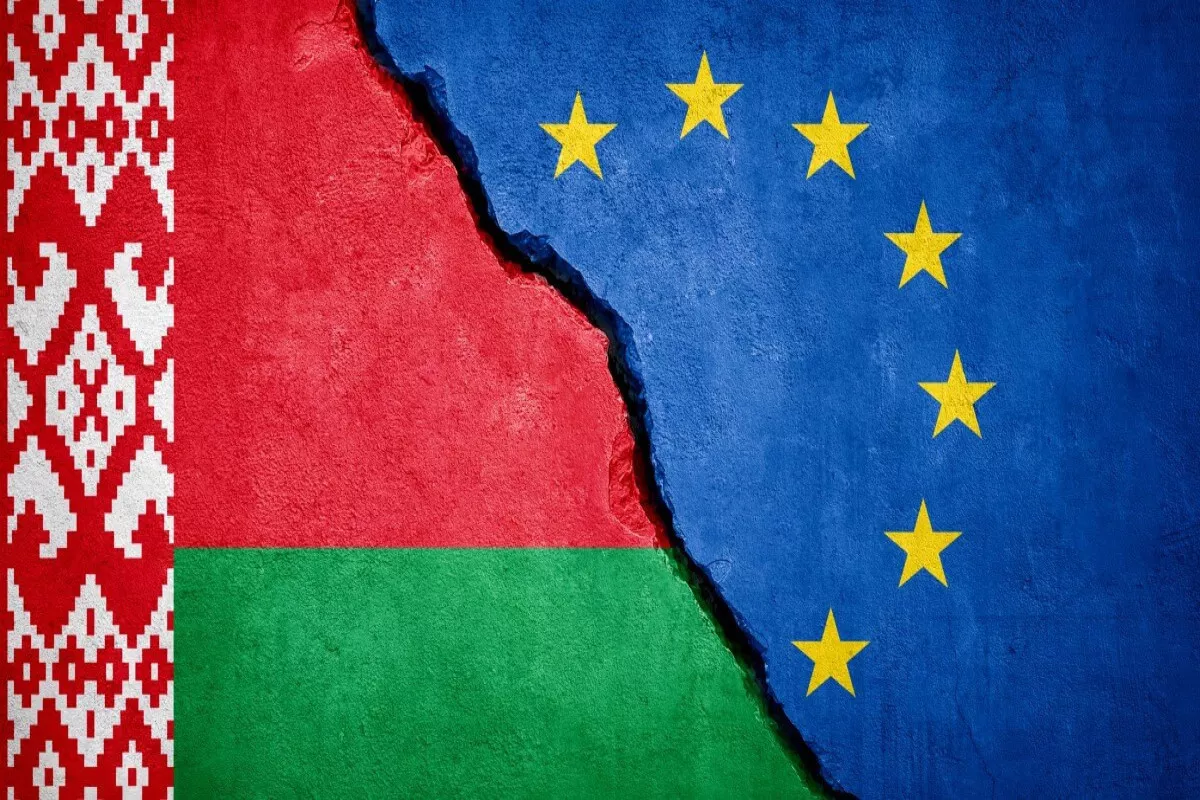
Recently, Belarusian opposition outlets operating in the EU have almost synchronously published materials in the spirit of “Lukashenko is preparing for war”, “Mass mobilisation of men underway in Belarus”, and similar claims. Some prominent opposition figures have echoed this line, such as Pavel Latushko, a former diplomat and Minister of Culture, now based in Warsaw.
In Belarus, as part of a comprehensive readiness check of the Armed Forces, testing of the mobilisation preparedness of reservists is indeed taking place. Typically, those in the reserve are summoned to military commissariats for verification of their records. However, there is no talk of either full or partial mobilisation in the country. At the same time, large-scale NATO exercises, which regularly take place directly on Belarus’s borders, are mentioned much less frequently in opposition media.
Finally, the Ukrainian president was asked whether he could facilitate the release of Belarusian citizens convicted in Belarus for espionage and sabotage in favour of Ukraine. Zelenskyy effectively refused, citing that his priority is Ukrainian citizens and that any exchange would only follow the formula “prisoners of war for prisoners of war.”
Does war always end in peace?
So what, after all, triggered the sharp shift in Zelenskyy’s policy toward Belarus? Why did Kyiv move from the previous cautious line—motivated, according to Zelenskyy, by fear of a strong reaction from Lukashenko—to the current aggressive rhetoric? From this interview, it can be inferred that one reason is the Trump administration’s efforts to reduce tensions in relations with Belarus, as well as the negative reaction of some EU political leaders to this peace-making process.
For European “hawks,” peace is disadvantageous—the neoliberal elite finds the logic of confrontation convenient: as a source of contracts for military-industrial corporations, as a tool to consolidate the electorate, and as a way to redirect public dissatisfaction over economic and social difficulties toward an “external enemy.” In this framework, even small Belarus suddenly comes to be portrayed, according to Zelenskyy, as a “challenge to European security.”
At the same time, it cannot be ruled out that Volodymyr Zelenskyy, as a private individual, retains a friendly attitude toward Belarusians, connected to Ukraine through centuries of neighbourly ties and family bonds. However, as a politician oriented toward the Western agenda, he is compelled to act according to a different logic.
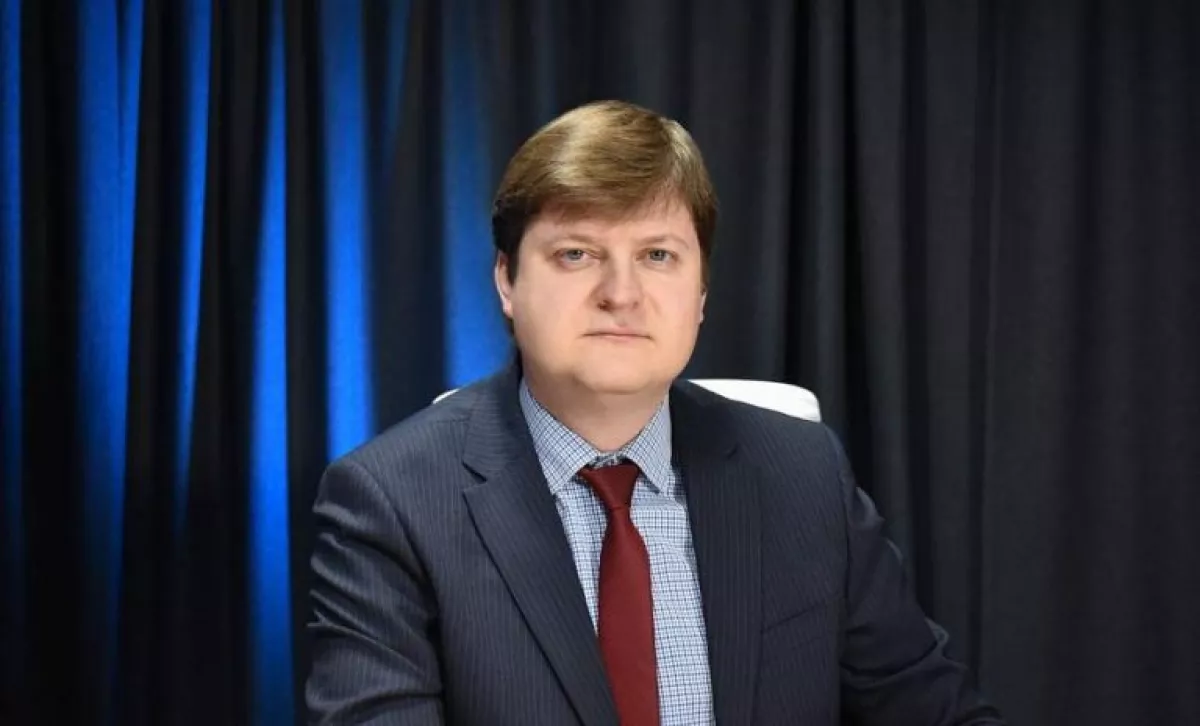
Belarusian political analyst Pyotr Petrovsky believes that, first, such steps may serve as a kind of invitation to dialogue. Zelenskyy sees American interest in Minsk, growing European attention, and understands that in the future, he may need his own negotiation track with Belarus. Raising the stakes is preparation for a possible bargaining position.
Second, according to unofficial information, U.S.-Russian consultations may discuss the involvement of the Belarusian army as part of demarcation forces in the event of a ceasefire. Kyiv is not enthusiastic about this prospect, and therefore, attempts are being made in advance to delegitimise Belarus as a potential participant in such mechanisms.
Third, Kyiv’s new line can also be seen as a political signal directed at Donald Trump, who does not have the ability to directly criticise the U.S. president.
Additional escalation in the region may also benefit forces interested in attracting new financial resources to Kyiv for continuing and expanding the confrontation. In response, Belarus continues to consistently defend its position: the necessity of establishing lasting peace in Ukraine and resolving all disputed issues with neighbours exclusively at the negotiating table.







 editor@caliber.az
 +994 55 444-88-98
 Азербайджан, Баку, ул. Низами, 203, Af Business House, 5-й этаж