










Washington bets on Ankara Can Türkiye stop the Afghan-Pakistani war?
The tense situation between Pakistan and Afghanistan escalated into open military confrontation at the end of February 2026. The Pakistani Air Force carried out a series of strikes on Kabul, Kandahar, and the provinces of Nangarhar and Paktika, while Afghan forces retaliated by striking targets inside Pakistan, including, according to unconfirmed reports, sites linked to nuclear infrastructure. Dozens of people have died on both sides, including civilians.
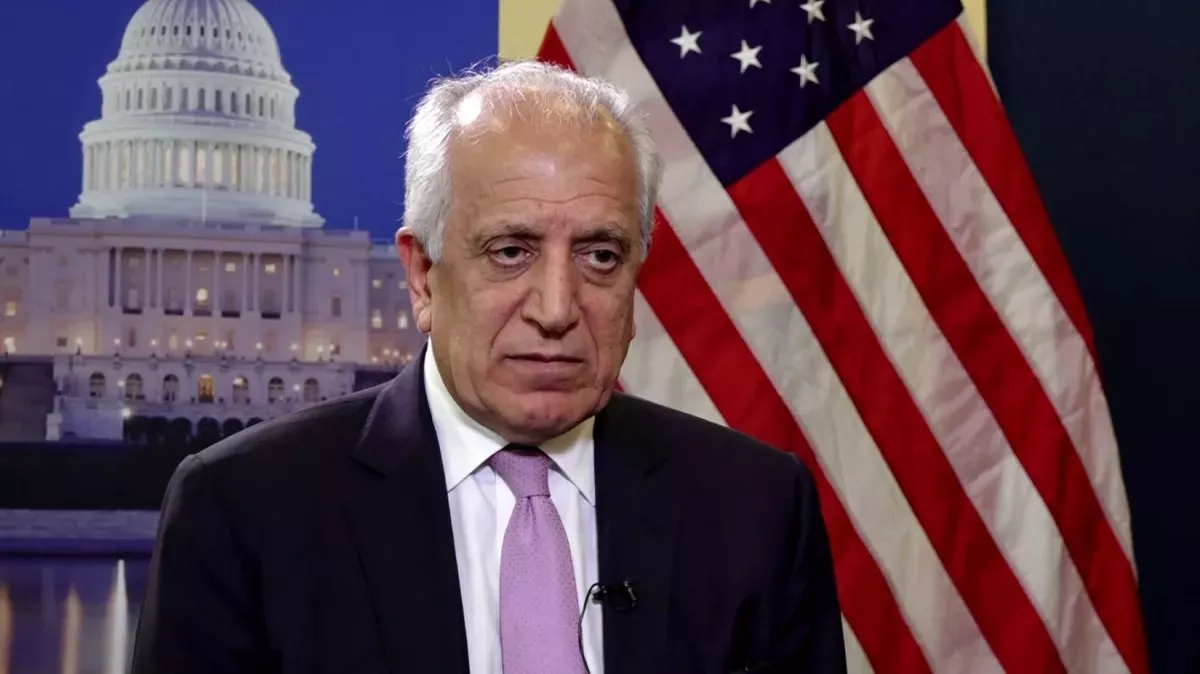
The escalation of the Afghan-Pakistani confrontation, which poses a serious threat to the security of the entire South Asia region, has not gone unnoticed by the United States. Last week, in particular, U.S. Special Representative for Afghan Reconciliation Zalmay Khalilzad called for the involvement of third-party countries in resolving the situation between the two nations, noting that the Republic of Türkiye could serve as a mediator.
“A better option is a diplomatic agreement between the 2 countries that neither would allow its territory to be used by individuals and groups to threaten the security of the other. The implementation of the agreement should be monitored by a trusted 3rd party, for example, Türkiye,” he said.
The U.S. initiative to involve Türkiye as a mediator in this complex and convoluted South Asian conflict is driven by several factors, including American interests. First, after the withdrawal of U.S. troops from Afghanistan, Washington lost the ability to directly influence the situation in the country. Accordingly, by supporting stability in Afghan-Pakistani relations through intermediaries, the White House maintains a strategic channel of engagement to indirectly shape the domestic political situation in Afghanistan and, more broadly, in South Asia.
For the United States, Ankara is an ideal choice because it has established trust-based relations with both conflicting parties: with Pakistan through military cooperation, various defence projects, and political partnership, and with the Afghan authorities formed by the Taliban through political dialogue. Despite being a NATO member, Türkiye is not perceived by the Taliban as an adversary. In addition, as a Muslim-majority country, Türkiye can engage with Muslim political and military elites without any ideological barrier.
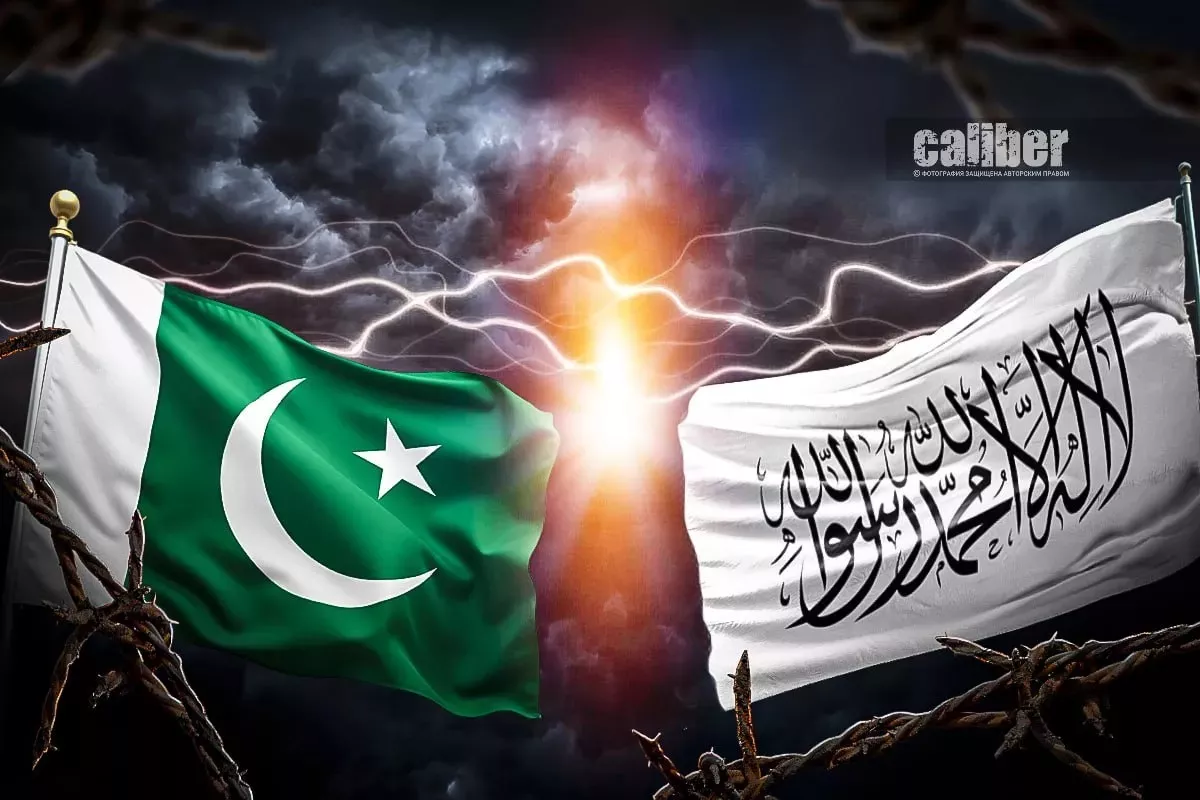
However, talking about full normalisation of relations between the two countries—even with Turkish mediation—appears premature. It is well known that relations between Kabul and Islamabad have been steadily deteriorating since 2021, the year the Taliban came to power in Afghanistan. There are several reasons for this, the first being the Durand Line, which divides the two states. Islamabad considers it an internationally recognised border, while Kabul firmly rejects this position. In addition, the Pashtun tribes living on both sides of the border play a significant role. For Afghanistan, support from Pashtuns in Pakistan represents an element of legitimacy, whereas for Islamabad, it is seen as a factor promoting separatism within Pakistani territory.
Background: The Durand Line was established as a result of two Anglo-Afghan wars, during which Britain sought to expand British India, and it originated from the 1893 negotiations between the Afghan Emir Abdur Rahman and Sir Mortimer Durand, secretary of the Indian colonial administration.
Moreover, Pakistan fears the infiltration of terrorists from Afghan territory, especially after the withdrawal of U.S. troops, due to the presence of ISIS and other radical groups in the region. The core of the confrontation between the two countries lies in a border dispute and threats to national security—conflicts that, as is well known, can last for decades without ever reaching a full resolution.
For Türkiye, serving as a mediator between Pakistan and Afghanistan offers several key advantages: it strengthens Ankara’s influence in South Asia and bolsters its reputation on the global stage and within the North Atlantic Alliance as a nation capable of resolving crises without resorting to military force.
Consequently, the fact that the White House views Recep Tayyip Erdoğan’s government as having the capacity to swiftly establish a channel for de-escalating the Afghan-Pakistani confrontation underscores a fundamental point: Ankara remains an indispensable mediator in addressing the most complex conflicts, both regionally and worldwide.







 editor@caliber.az
 +994 55 444-88-98
 Азербайджан, Баку, ул. Низами, 203, Af Business House, 5-й этаж