










From Westphalia to Brussels: deep cracks in the Old Continent Analysis by Artem Kirpichenok
Since the beginning of the last century, politicians and philosophers have reflected on Europe’s decline—a theme that continues into the present day. In the latest U.S. National Security Strategy, it is specifically noted that the Old Continent now faces the "prospect of civilizational erasure," with some European countries expected to be "unrecognisable in 20 years or less." The authors of this authoritative document base their assessment on a well-substantiated foundation.
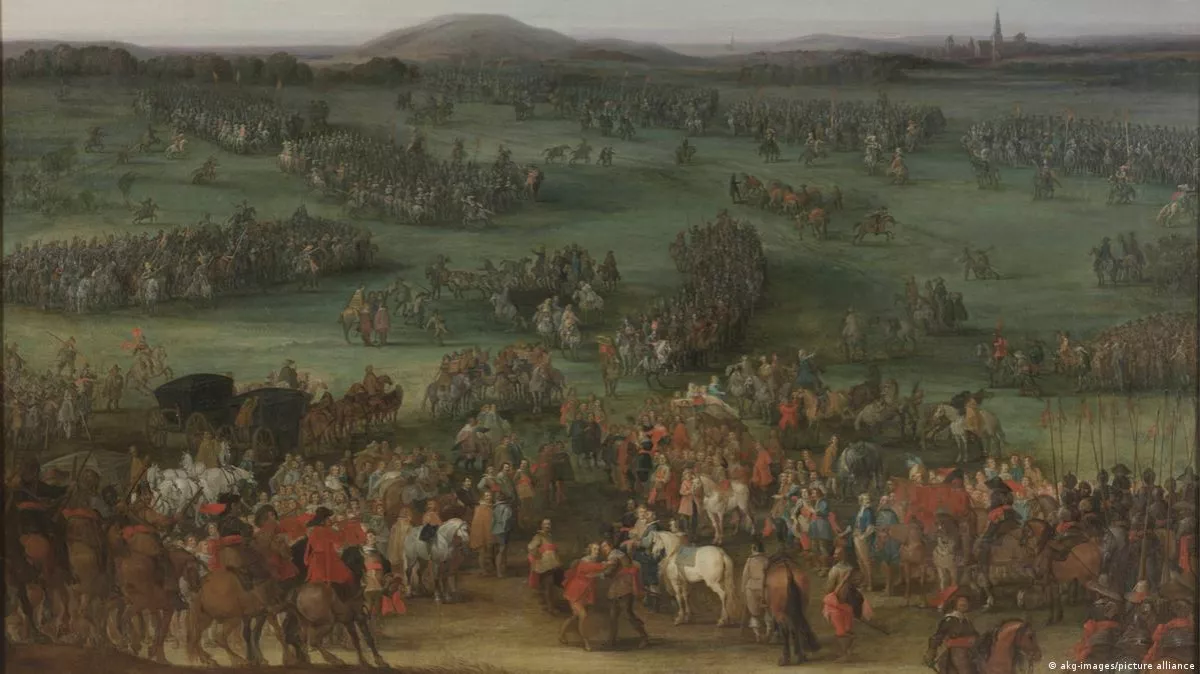
Experts argue that the last 400 years of European history—dating back to the Reformation, which divided the continent into a Protestant North and a Catholic South—can be summed up in two words: “differences and conflicts.” Beneath the surface of religious and theological disputes lay struggles over national interests and identity, culminating in the most brutal and prolonged armed conflict of the 17th century—the Thirty Years’ War. This conflict ended with the Peace of Westphalia, which laid the groundwork for modern interstate relations. Yet rivalries among European empires, states, and peoples persisted, eventually erupting into the First and Second World Wars in the 20th century. Thus, it can be confidently asserted that Europe rightly holds the dubious distinction of being the world’s foremost generator of bloody conflicts.
American experts emphasise that the notion that all of the above was left behind with the creation of the European Union is fundamentally mistaken: Europe remains a complex mosaic of national, religious, and intellectual contradictions. In this context, several key issues can be identified as stumbling blocks for contemporary European politicians, the foremost of which is the organisation of a European military apparatus.
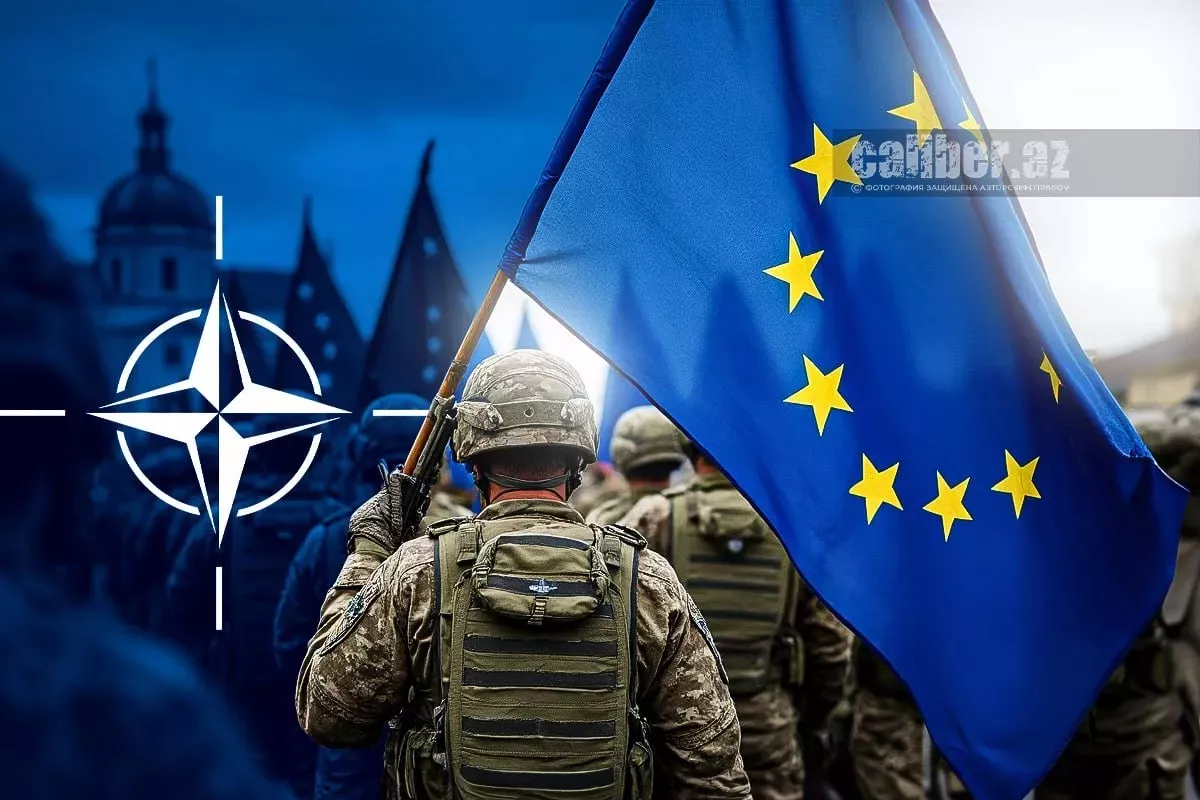
In particular, French President Emmanuel Macron is a proponent of the “unified European army” concept, advocating for military independence and autonomy from the United States. On the other hand, NATO’s eastern members—such as Lithuania, Latvia, Estonia, Hungary, Bulgaria, and Poland—prefer the “American security umbrella,” which includes, among other things, the deployment of 100,000 U.S. troops in Europe. Their stance was clearly articulated by NATO Secretary-General Mark Rutte, who stated that European countries cannot defend themselves without the United States.
The second issue concerns support for Kyiv, where serious disagreements persist among EU states. Hungary and Slovakia maintain that Ukraine cannot defeat Russia and that the best way to end the war is through a negotiated peace settlement. In contrast, Poland, Germany, France, and the United Kingdom are determined to defeat Russia on the battlefield before sitting down at the negotiating table.
The third major dilemma facing the European Union concerns defence spending. For example, France seeks to bolster the European defence industry, in which its own manufacturers play a leading role. Meanwhile, Germany, the Netherlands, Denmark, Norway, and Poland prefer to procure American-made weapons—a policy that Paris views as a direct threat to France’s defence industrial base.
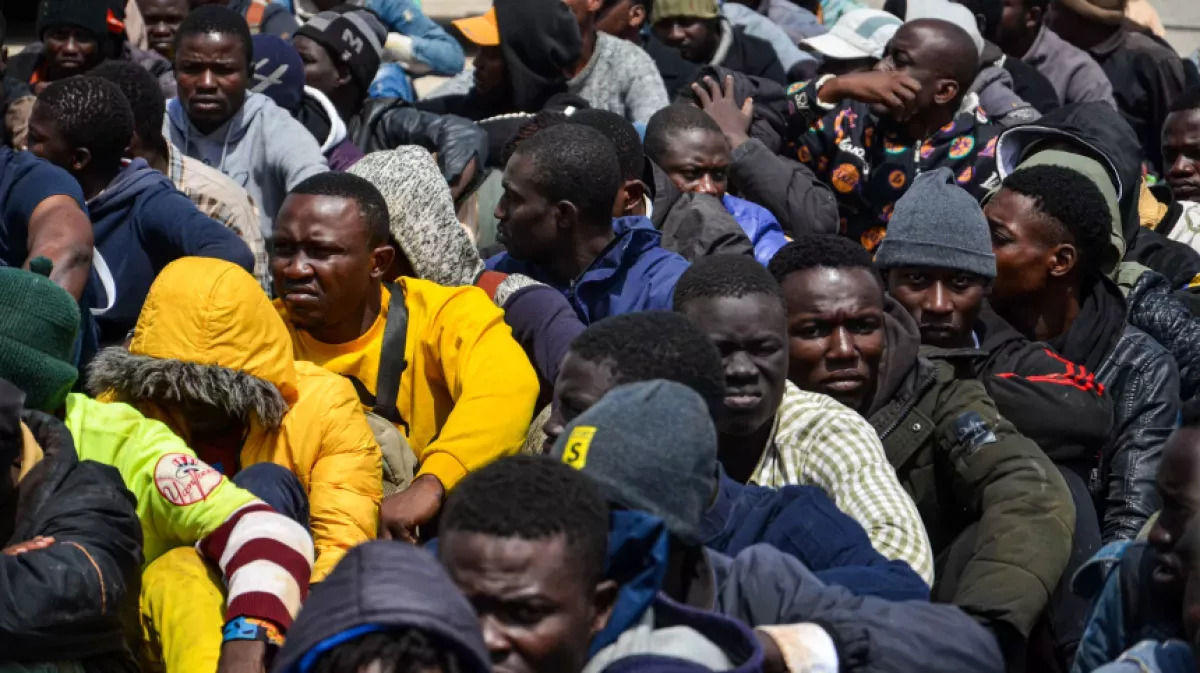
The next point of contention within the European Union is the refugee crisis. In this issue, the first group consists of the “transit” countries—Greece, Spain, and Italy—through which the main flow of refugees enters the continent. According to the 1990 Dublin Convention, the country where refugees first arrive bears responsibility for their welfare and accommodation. However, these southern European countries, lacking substantial financial resources, are unable to cope with the burden imposed by their geographic position and insist that northern states also participate in migrant assistance programs.
The refugee issue has effectively divided Europe into liberal and illiberal democracies. The European Commission maintains that EU law takes precedence over national law, while Warsaw and Budapest argue that local legislation should have priority. Poland and Hungary contend that certain aspects of European policy contradict the traditional values of Eastern Europe. As a result, measures aimed at protecting the rights of diverse minorities are perceived as a form of “dictate” that undermines national sovereignty. Illiberal democracies also tend to view foreign migrants more negatively, believing that economic support for them should be kept to a minimum.
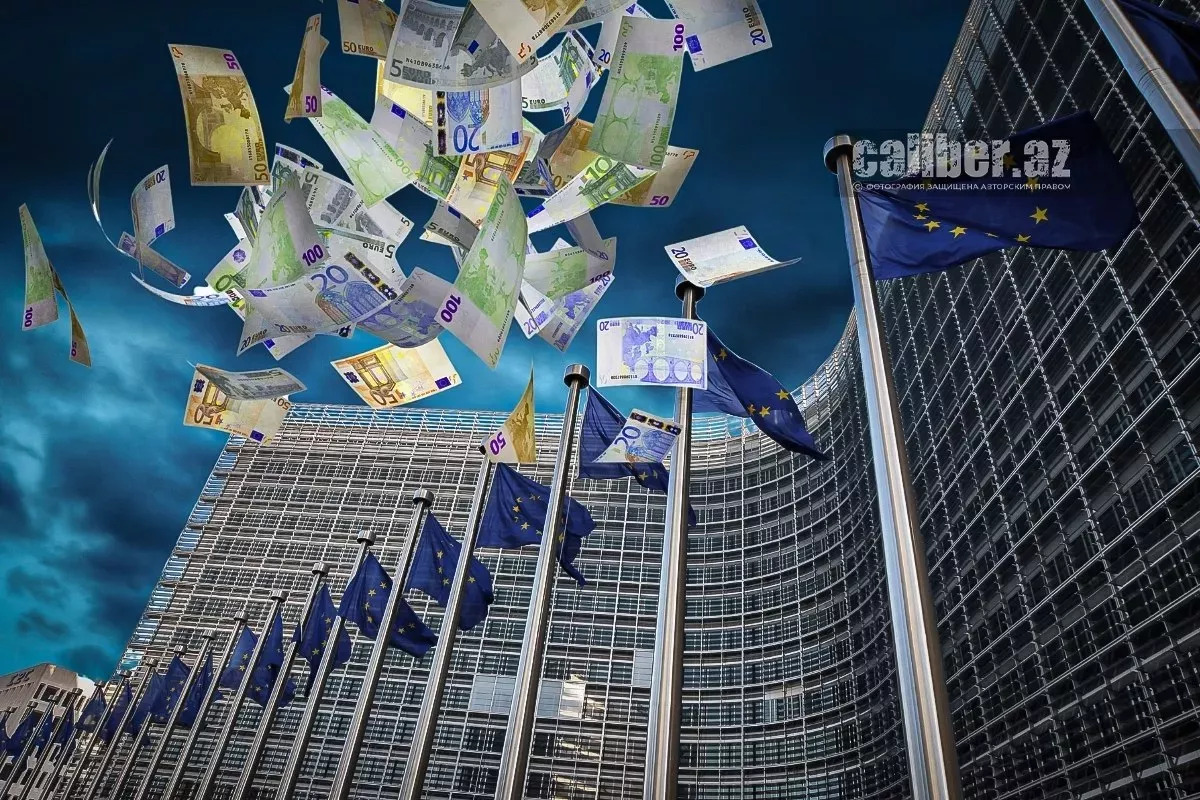
The debt crisis is another source of dispute in Europe. Wealthy countries such as Germany, the Netherlands, and the Scandinavian states aim to avoid budget deficits so that the EU does not become a “debt union,” insisting on strict austerity measures and fiscal discipline. Financially less affluent southern countries—Greece, Italy, and Spain—demand greater European solidarity and support in their efforts to emerge from a prolonged debt crisis. This dispute is closely linked to the energy crisis, as Northern European countries push for a decisive transition to “green” energy, advocating for the complete phase-out of nuclear power.
The final issue concerns the legacy of the Second World War. Despite the passing decades, many countries continue to demand compensation from Berlin for the Nazi occupation. Not a month goes by without the Polish parliament calling on Germany to pay what it owes Poland. The most serious aspect of this issue is that Warsaw has threatened to assert territorial claims over lands under German sovereignty if compensation is not forthcoming.
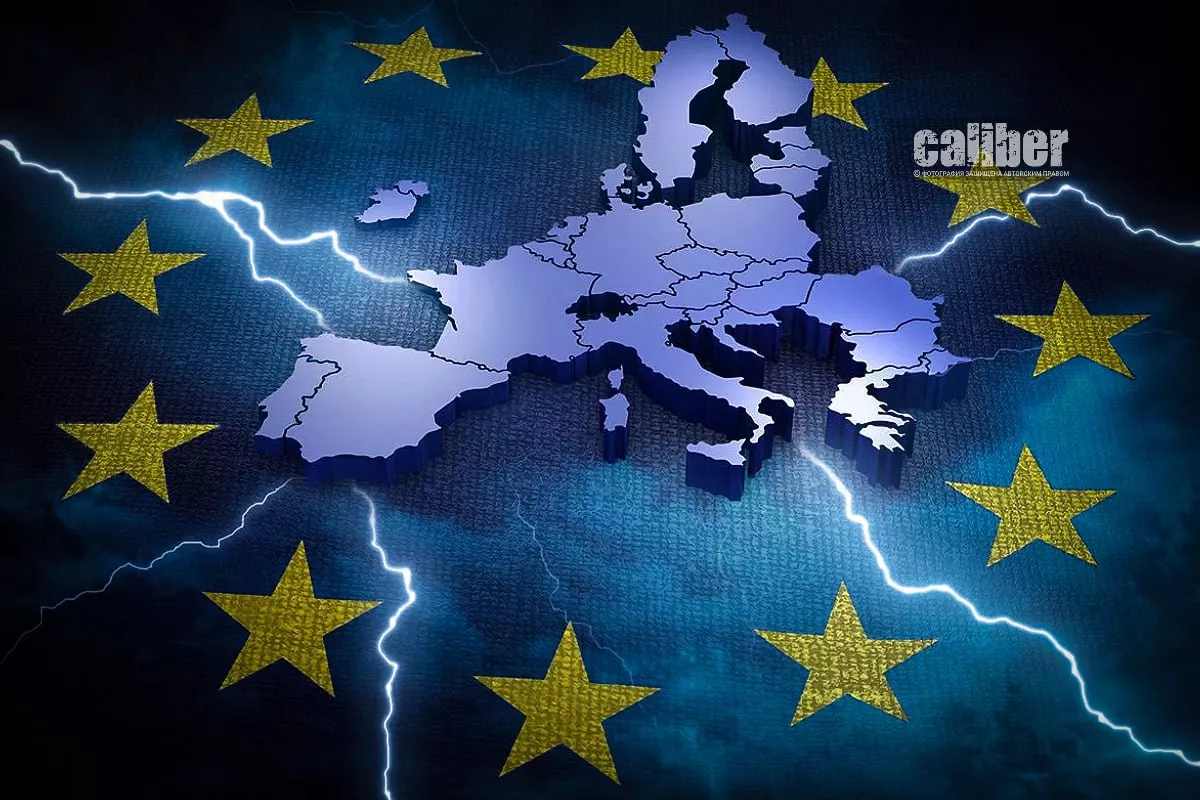
Inter-European contradictions have emerged and faded over the centuries, but what we are witnessing today, according to American experts, represents a profound transformation—a shift from “quantity to quality”—that seriously undermines Europe’s equilibrium.
This is precisely why the assertion in the U.S. National Security Strategy regarding a crisis in the European model deserves careful attention, as this process could produce unpredictable consequences on a global scale.







 editor@caliber.az
 +994 55 444-88-98
 Азербайджан, Баку, ул. Низами, 203, Af Business House, 5-й этаж