










Behind the facade of war The Middle East on the verge of a global reordering
Amid the escalating military tensions in the Middle East, the enduring insights of 19th-century military theorist and historian Carl von Clausewitz come to mind. He argued that under all circumstances, war is to be regarded not as an independent thing, but as a political instrument. Viewed through this lens, the underlying currents of the latest regional escalation reveal themselves more clearly, exposing a pronounced geopolitical dimension.
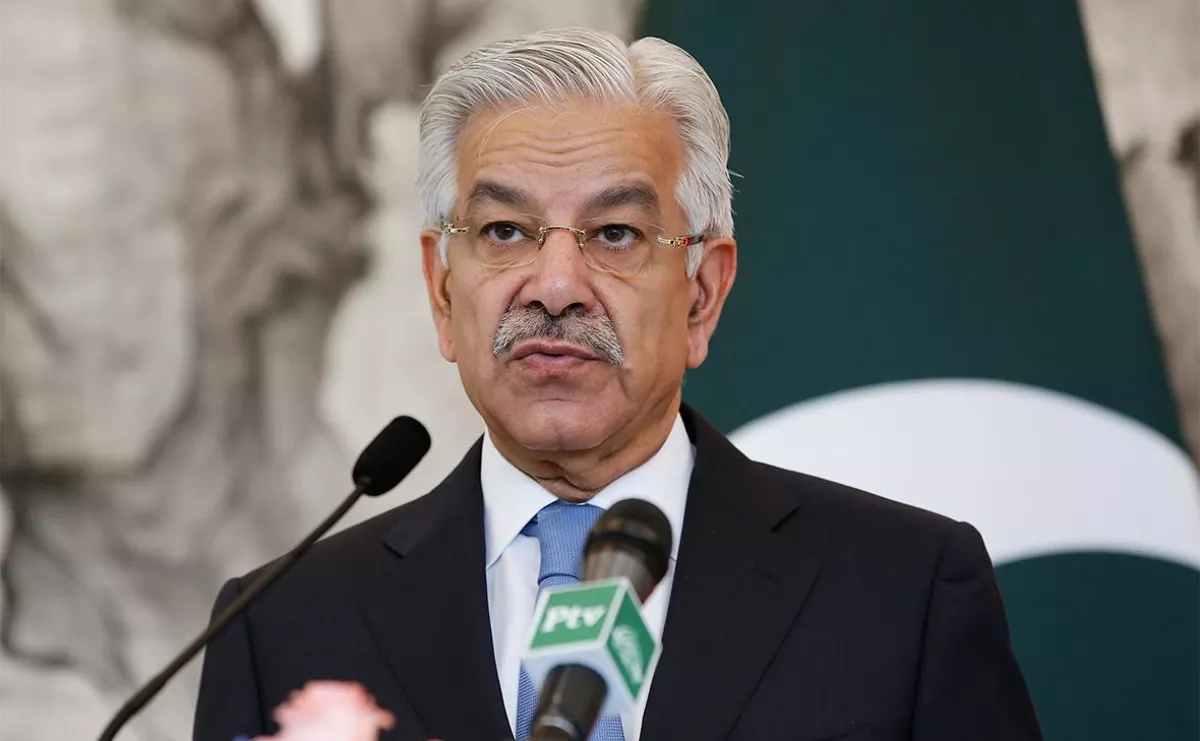
A few days ago, Pakistan’s Defence Minister Khawaja Asif stated that the Taliban have turned Afghanistan into a “colony” and a “puppet” of India.
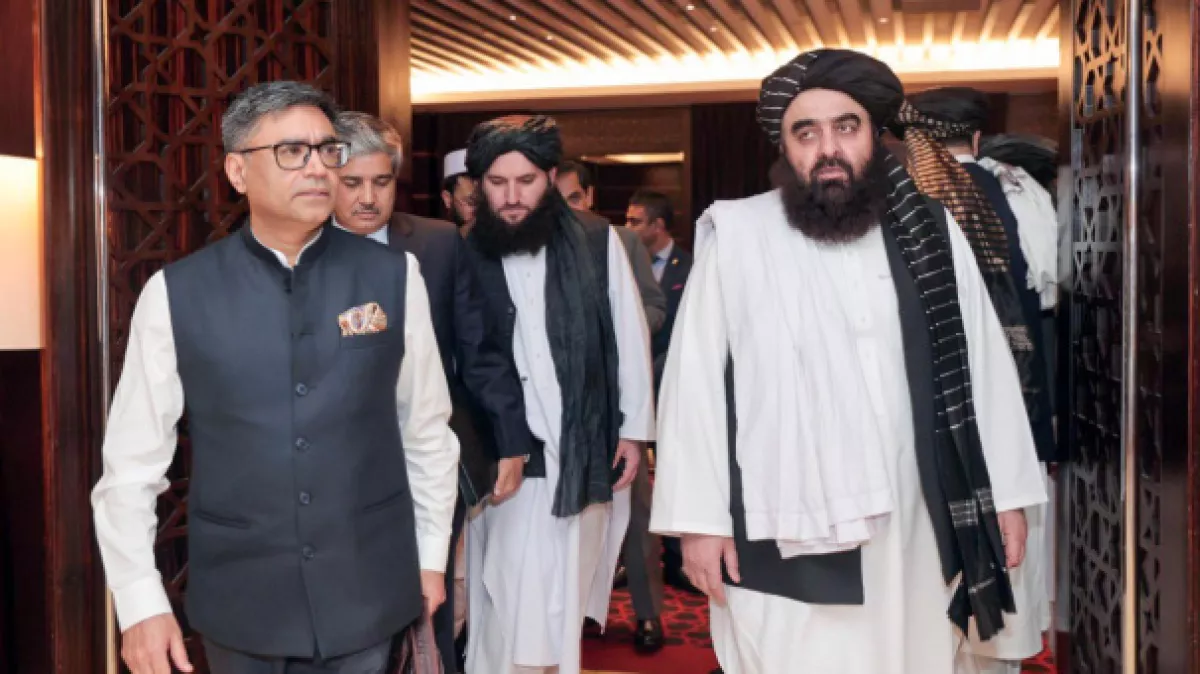
Against this backdrop, the visit of the Taliban’s Foreign Minister, Amir Khan Muttaqi, to India in 2025 immediately comes to mind. It is also worth recalling discussions between Kabul and New Delhi regarding the reorientation of trade routes—from the Pakistani route to Iran’s Chabahar port, which serves as an economic competitor to Pakistan’s Gwadar port. Since 2024, this port has been leased to India for a period of ten years.
Overall, the Pakistani route has traditionally remained an important geopolitical link, a fact that became particularly evident at the beginning of 2026. In early February, state visits to Pakistan were made by the Presidents of Uzbekistan, Shavkat Mirziyoyev, and Kazakhstan, Kassym-Jomart Tokayev.
According to Tokayev, Astana and Islamabad discussed the potential use of Pakistan’s Karachi and Gwadar ports, which provide direct access to the Indian Ocean and further connectivity to Middle Eastern and African markets. In particular, the proposed construction of a terminal in Karachi is viewed by Astana as a significant transit hub not only for Kazakhstan but also for its Central Asian neighbours.
At the same time, the parties explored prospects for implementing the Kazakhstan–Turkmenistan–Afghanistan–Pakistan railway initiative via Pakistan’s Chaman—a crucial logistical node for exporting goods to South Asian ports.
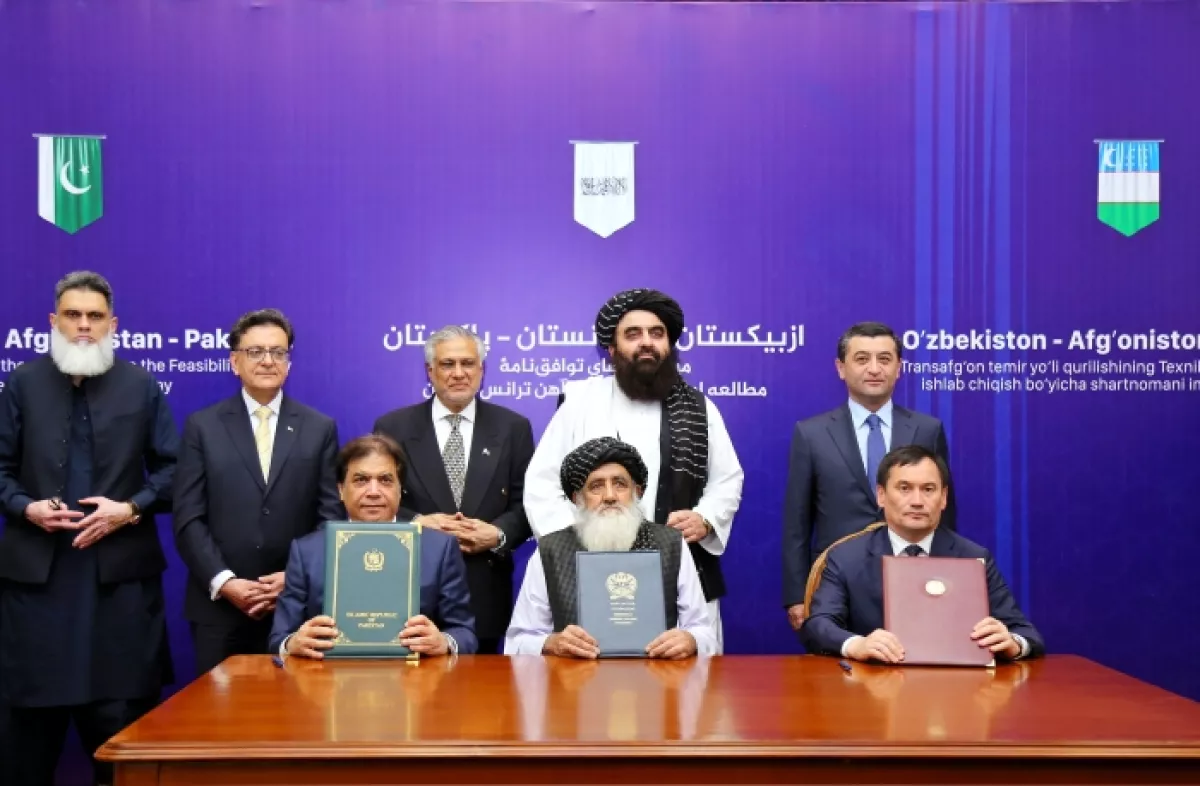
In the Pakistan–Uzbekistan context, discussions also focused on the proposed construction of the Trans-Afghan railway and the development of the “Pakistan–China–Kyrgyzstan–Uzbekistan” corridor. The memorandum signed between Tashkent and Islamabad grants Uzbekistan preferential access to the Karachi, Gwadar, and Qasim ports. Additionally, Tashkent gained the opportunity to construct its own logistics terminal in Karachi, which could potentially expand Uzbek control over freight flows.
It is particularly noteworthy that both Tashkent and Astana are seriously considering the Afghan route as a direct southern outlet, capable of serving as an alternative to the northern and eastern transit corridors.
The outbreak of the Pakistan–Afghanistan war has effectively put the implementation of all these agreements on hold, as the trade corridors described above have become the epicentre of military operations. This has led some analysts to question whether such a turn of events might be advantageous for India, in terms of inflicting strategic setbacks on Pakistan.
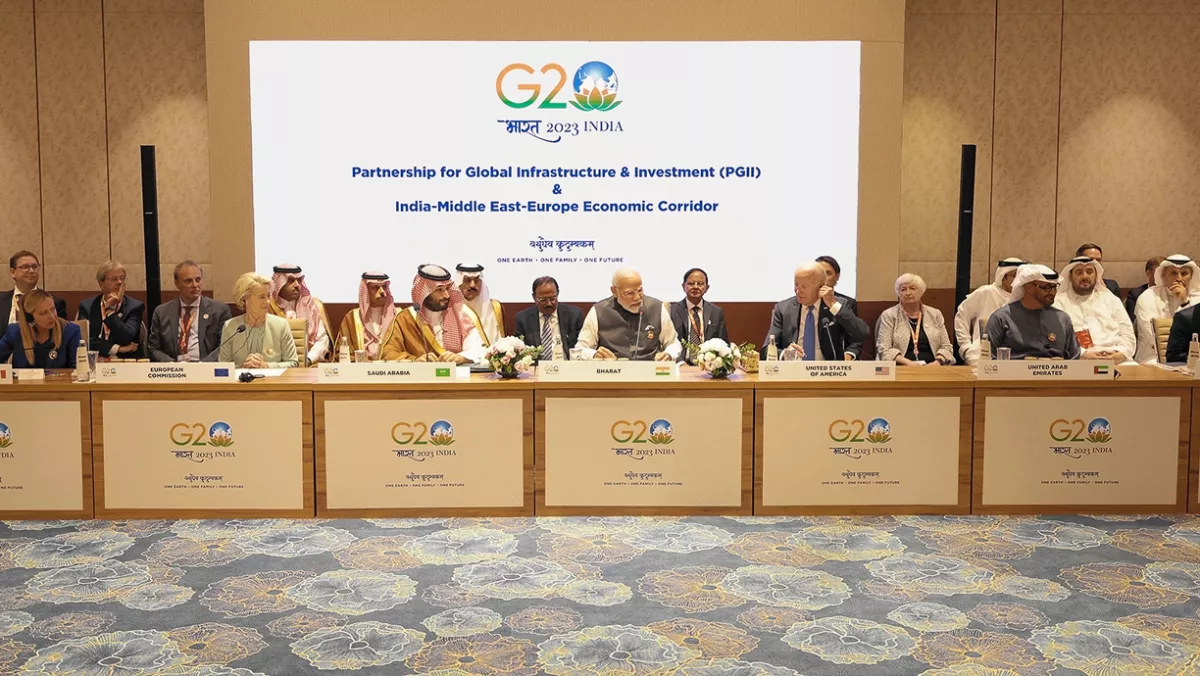
On the other hand, experts are drawing attention to the strengthening India–Israel axis, with Israel maintaining its own geopolitical tensions with Pakistan. In this context, the agreements reached in 2023 in New Delhi during the G20 summit—between India, the U.S., Saudi Arabia, the UAE, France, Germany, Italy, and the European Union—on the creation of the IMEC transport and economic corridor come to mind. The strategic hub of the project was designated as Haifa in Israel. From the outset, analysts have presented IMEC as an alternative to China’s Belt and Road Initiative. In the same year, a consortium led by India’s Adani Group completed the acquisition of the Port of Haifa.
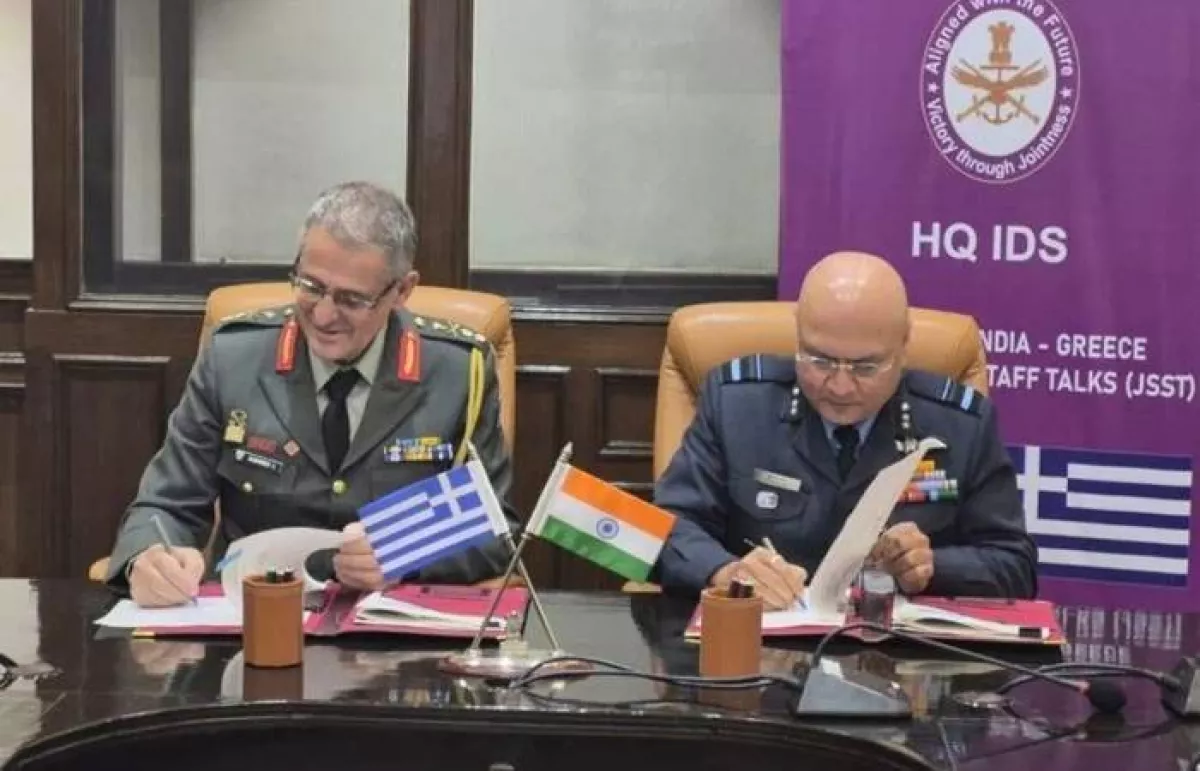
The beginning of the current year was also marked by negotiations between the defence ministries of India and Greece. Subsequently, contacts emerged between the administration of the Port of Haifa and the Greek embassy in Israel.
In the same context, January saw a visit by Lebanese President Joseph Aoun to the Greek part of Cyprus. Alongside a previously signed maritime boundary agreement, this visit demonstrated Beirut’s gradual integration into the broader regional axis being shaped by Israel.
In line with this, reports emerged regarding plans for joint military exercises in the early months of 2026 involving Israel, Greece, and the Greek part of Cyprus. Summarising this emerging axis, in the last decade of February, Israeli Prime Minister Benjamin Netanyahu spoke of the formation of a “hexagon of alliances” for the Middle East, which, in his view, could gradually expand beyond India, Greece, and Cyprus to include not only Arab and African states but also several countries from the Asian region.
In the same month, several media outlets, citing anonymous sources, reported that Saudi Arabia had no plans to support Türkiye’s intention to join the Pakistan–Saudi strategic defence agreement signed in the fall of 2025. As a result, the proposed tripartite format never materialised, although, according to some reports, Pakistan’s Minister of Defence Production, Hayat Harraj, expressed confidence in the viability of such a military axis, capable of acting as a counterweight to the Israel–India bloc.
These developments underscore just how relevant Clausewitz’s insights, cited at the outset of this article, remain in today’s geopolitical landscape. A closer examination of the Middle East escalation also reveals a subtle anti-China dimension, given Beijing’s strategic relationship with Pakistan and its engagement with Iran—albeit not as tightly aligned as with Islamabad.
Clearly, the current turbulent phase of global geopolitics is far from contained. In this context, analysts are increasingly asking whether the ongoing escalation in the Middle East could escalate into a full-scale Third World War.







 editor@caliber.az
 +994 55 444-88-98
 Азербайджан, Баку, ул. Низами, 203, Af Business House, 5-й этаж