










EU for Serbia: Balkan test of loyalty and compromise No veto, no Kosovo
Recently, Serbian officials in their statements have been showing a strong commitment to EU membership. In particular, in an interview with Una TV, Serbian President Aleksandar Vucic noted that the country “will do everything possible to accelerate its accession to the European Union, however, this will not be easy.”
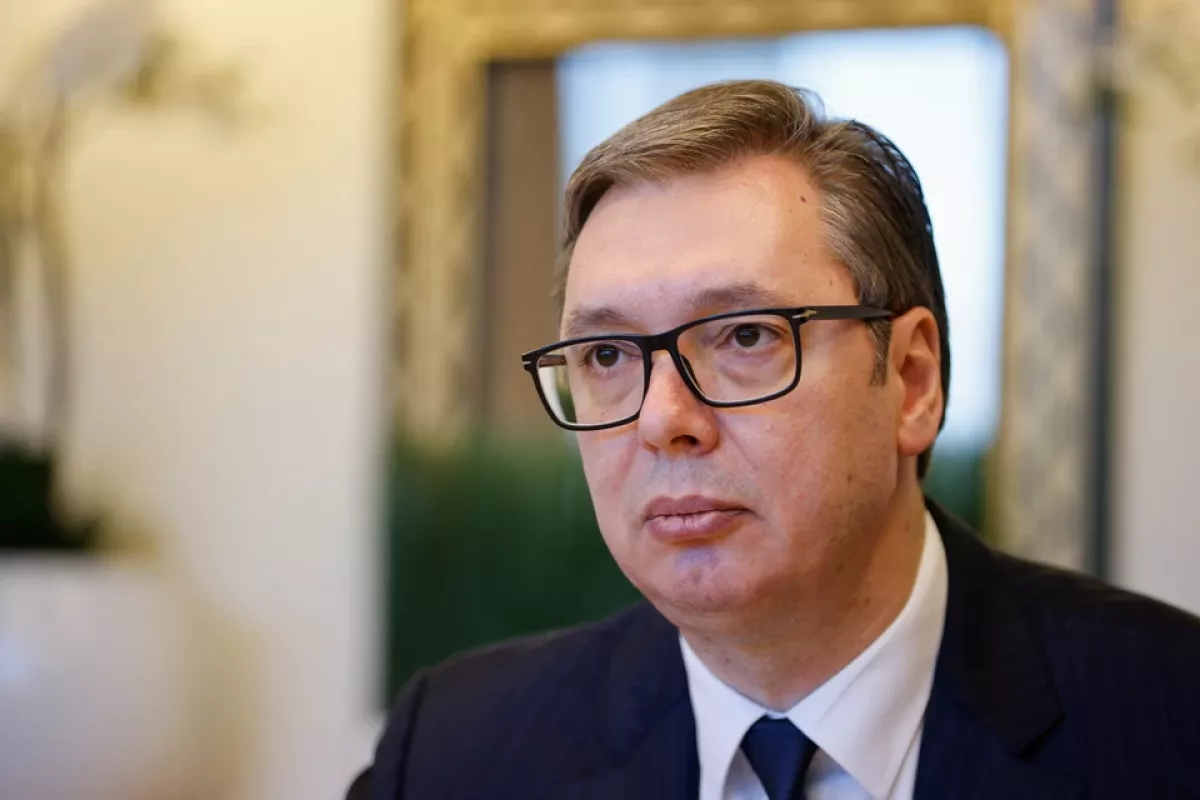
“The issue of Kosovo and Metohija, as well as the relationship with Russia, are the main political topics in the process of European integration. We will do everything possible to move forward more quickly, adopt the standards of the OSCE Office for Democratic Institutions and Human Rights (ODIHR), and await the conclusions of the Venice Commission,” he said.
In a similar vein, the Serbian leader spoke in an interview with the German newspaper Frankfurter Allgemeine Zeitung (FAZ), where he called “EU membership without veto power acceptable for Serbia” and noted that through EU membership, the country aims to achieve key goals such as the free movement of goods, people, and capital.
However, statements are one thing, but the main question remains: is Serbia ready to compromise its own interests for the sake of joining the European Union, especially given today’s, to put it mildly, unstable situation within the bloc?
Notably, Belgrade submitted its application for EU membership in December 2009; in March 2012, the country officially received candidate status, and formal negotiations began in January 2014. Meanwhile, the accession process for this Balkan state is associated with certain requirements from the European Union, with the first stumbling block being the Kosovo issue, where Brussels exerts pressure on Serbia to push the country toward de facto recognition of Kosovo’s independence.
The second issue is Belgrade’s unwillingness to join anti-Russian sanctions, which greatly irritates EU officials, as it serves as an indicator of Serbia pursuing an independent foreign policy that runs counter to the Union’s interests.
At the same time, Serbia’s membership in the EU is very beneficial for Brussels, since the country occupies a strategically important geographic position that allows it to control major land routes between Central Europe and Greece, as well as energy corridors and migration paths. In other words, Serbia plays the role of a key logistical and economic hub, connecting Western Europe with Türkiye and the Middle East.
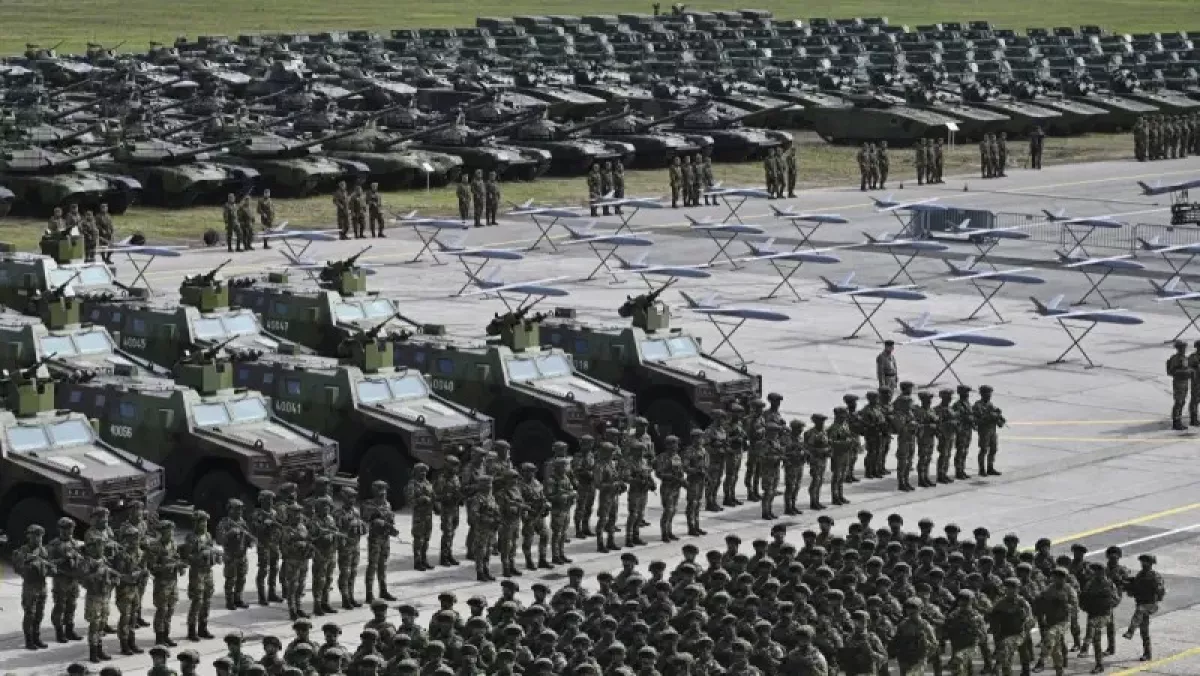
In addition, Serbia possesses one of the strongest armies in the Western Balkans and is extensively modernising its Armed Forces by acquiring modern weapon systems, as well as increasing military spending (up to 2.5 per cent of GDP), while continuing to maintain a policy of neutrality. All of these factors are clearly a bonus for the country’s accession to the European Union; however, this prospect appears rather uncertain due to several factors outlined below.
The fact is that Euroscepticism has become widespread in Europe today. This trend is most pronounced in Greece and Cyprus, where there is traditionally a high level of distrust toward the EU (up to 81 and 72 per cent, respectively). At the same time, in France, there is a significant influence from far-right and far-left forces, which oppose the current EU policies.
It is also telling that in Germany, the Alternative für Deutschland party is gaining popularity, in Italy, parties like the Lega Nord are strengthening their positions, and in Austria, the Netherlands, and Denmark, right-wing radical forces are on the rise. Within Serbia itself, over the past two decades, public support for the country’s EU membership has fallen from 80 to 40 per cent
On the other hand, EU officials, dissatisfied with Belgrade’s policy of balancing between East and West, are also reluctant to admit Serbia into the European community, as evidenced by their actions.
For example, in November 2025, the High Representative for Foreign Affairs and Security Policy, Kaja Kallas, while outlining the priorities for the organisation’s enlargement over the next five years, named several potential countries as prospective candidates for membership by 2030—Serbia was not among them. On the contrary, Serbia was pointedly reminded of the need for a more complete alignment of its foreign policy with that of the EU, which implies joining the EU sanctions against Russia and recognising Kosovo’s “independence.”
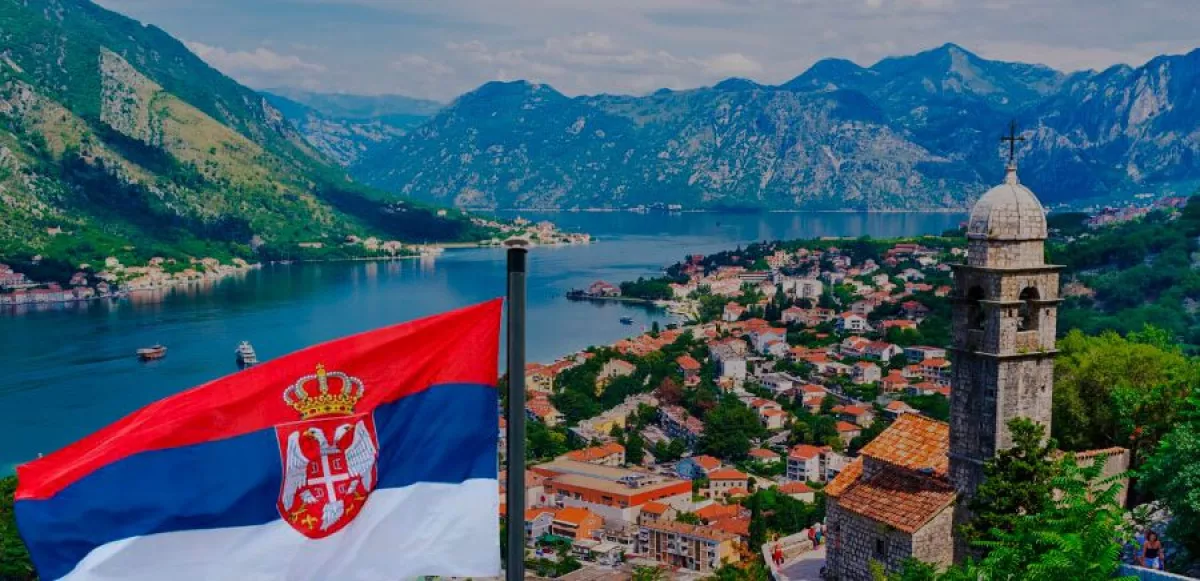
However, the Serbian side has repeatedly stated that it does not recognise Kosovo’s “independence,” neither de facto nor de jure. In particular, Vucic has categorically declared: “I will not be the one who will sign the independence of Kosovo. There is no surrender; we will recognise neither the factual nor de jure independence of Kosovo.”
Regarding the anti-Russian sanctions, the Serbian leadership has repeatedly emphasised that it does not intend to join them. As the country’s Minister for European Integration, Nemanja Starović, noted in July 2025, “Russia would not be affected at all, but the Serbian economy would be affected to a huge extent.”
Thus, these fundamental disagreements indicate that the question of Belgrade’s accession to the broader European family will likely remain unresolved—and probably for a long time.







 editor@caliber.az
 +994 55 444-88-98
 Азербайджан, Баку, ул. Низами, 203, Af Business House, 5-й этаж