










Georgia and Ukraine: Once allies, now at odds? Article by Vladimir Tskhvediani
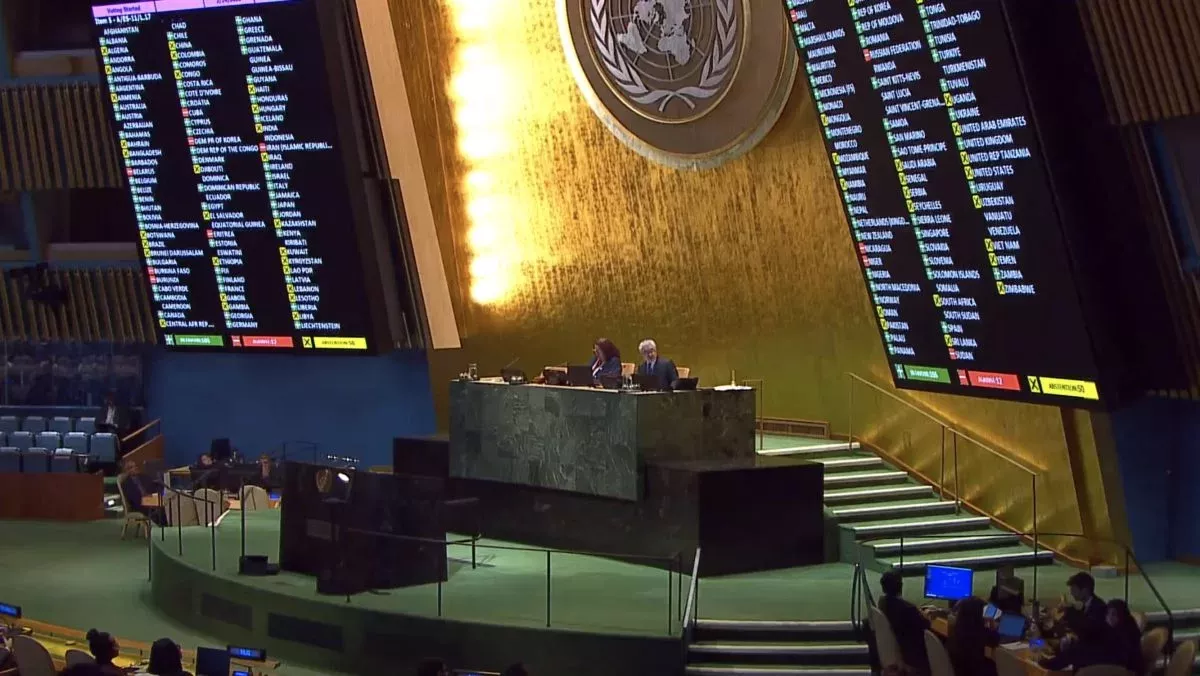
On the fourth anniversary of the start of the Russia–Ukraine war, the Georgian leadership once again reaffirmed its support for the Ukrainian people, as well as for Ukraine’s sovereignty and territorial integrity. In particular, Tbilisi endorsed the pro-Ukraine resolution “Support for Lasting Peace in Ukraine” adopted by the UN General Assembly.
In addition, the stay of Ukrainian refugees in Georgia has been extended by another year—until February 24, 2027. According to Prime Minister Irakli Kobakhidze, around 25,000 Ukrainian citizens have found refuge in the country.
Nevertheless, verbal tensions between the leadership of the two countries have resurfaced. In the context of the UN resolution vote, Georgian Parliament Speaker Shalva Papuashvili sharply criticised Ukrainian President Volodymyr Zelenskyy, calling him an “ungrateful person” who “shows no gratitude either to the US or to Georgia.”
“He recalled [Ukraine’s] ambassador because we did not allow Georgians to go fight and die. We are doing everything for the Ukrainian people. The final verdict on Zelenskyy will be delivered by the Ukrainian people themselves,” Papuashvili stated.
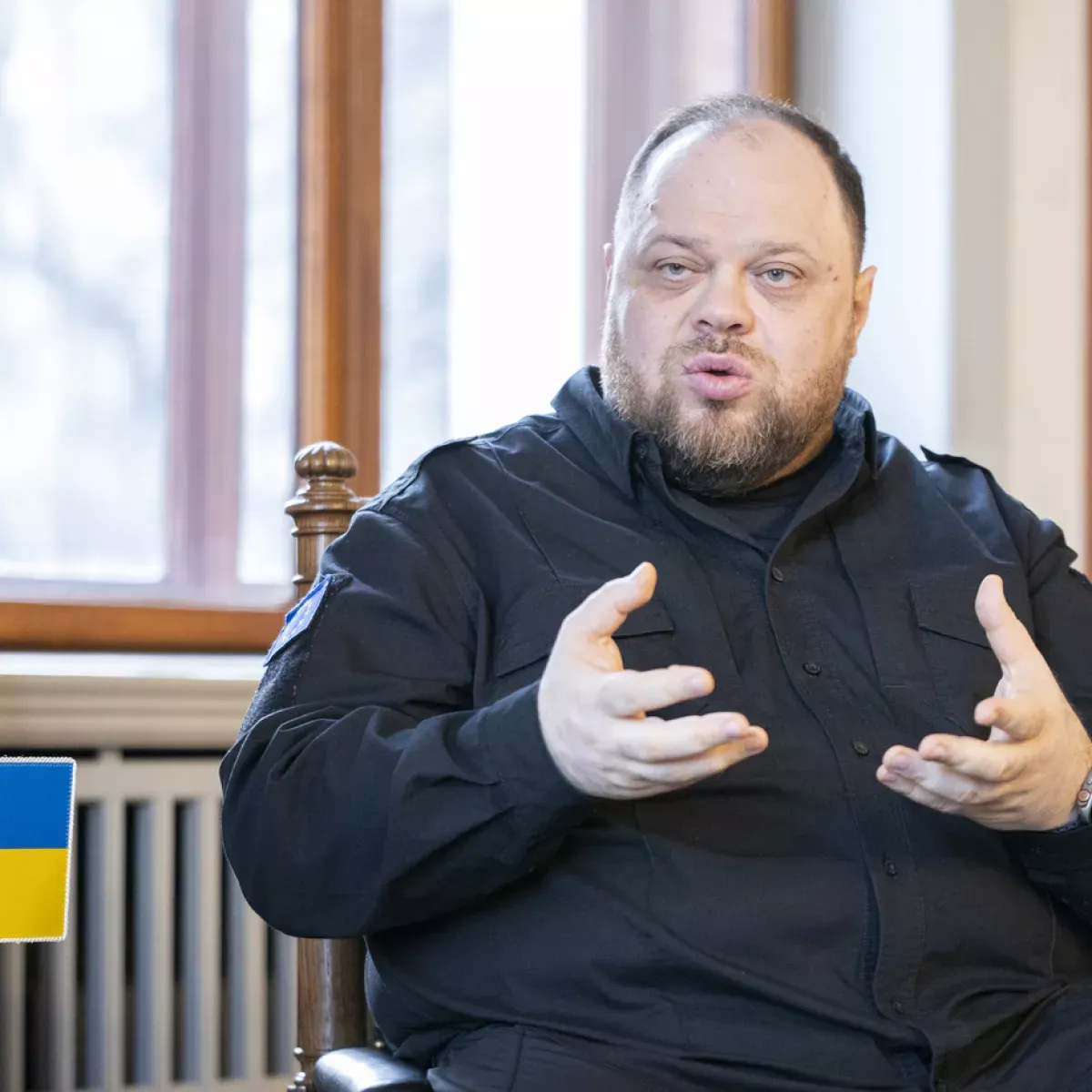
In response, Speaker of the Verkhovna Rada of Ukraine, Ruslan Stefanchuk, stated that Georgia’s support for the resolution on Ukraine’s territorial integrity “is not charity or heroism, but the minimal level of basic decency in 2026.” He also once again accused the Georgian authorities of echoing the narratives of the “Russian world.”
Stefanchuk, however, did not clarify whether his criterion of “decency” applies to the United States, which abstained from the vote. In response, Papuashvili urged the Ukrainian side to “choose their words carefully,” reminding that the Georgian ambassador had remained in Kyiv even under bombardment, while many other countries evacuated their diplomatic missions.
According to the Georgian Parliament speaker, Tbilisi has repeatedly faced unfriendly actions from Kyiv: the recall of the Ukrainian ambassador, accusations against the Georgian authorities, granting asylum to former President Mikheil Saakashvili, declaring Georgian officials persona non grata, as well as support for initiatives that Tbilisi considers hostile.
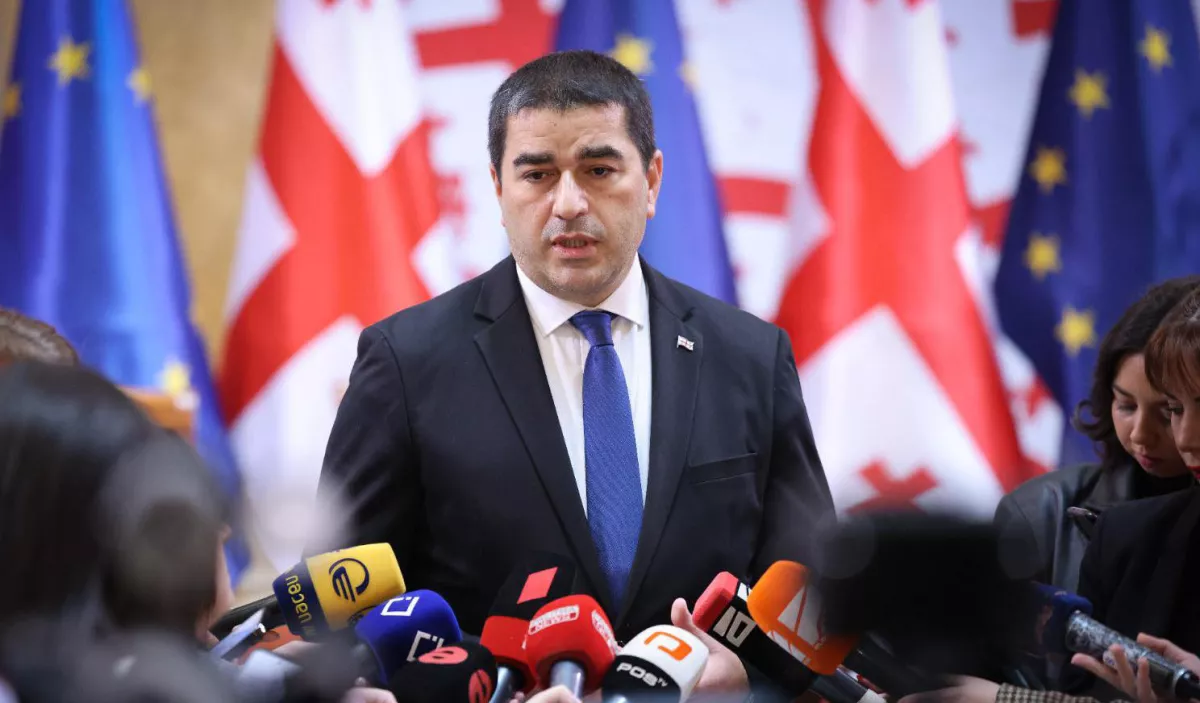
Papuashvili emphasised that Georgia, drawing on its own historical experience, demonstrates solidarity with the Ukrainian people, but expects mutual respect and measured rhetoric in return. According to him, calls to drag the country into war and retaliatory accusations are inconsistent with the principles of partnership, and friendship implies reciprocity.
To understand why relations at the level of public rhetoric have flared up again now, one must ask a broader question: who ultimately bears responsibility for the catastrophic situation in which Ukraine finds itself today?
It should be recalled that the “first round” of the full-scale Russia–Ukraine war in February–March 2022 was effectively won by Ukraine. Despite the suddenness of the invasion and significant advances into Ukrainian territory, Russian forces did not achieve results that could be considered a “success.”
To avoid the complete destruction of its units, which faced supply problems, Moscow agreed in March 2022 to hold negotiations in Istanbul under the mediation of Türkiye. The Ukrainian delegation was led by David Arakhamia — an ethnic Georgian from Abkhazia — who continues to participate in negotiations with Russia to this day.
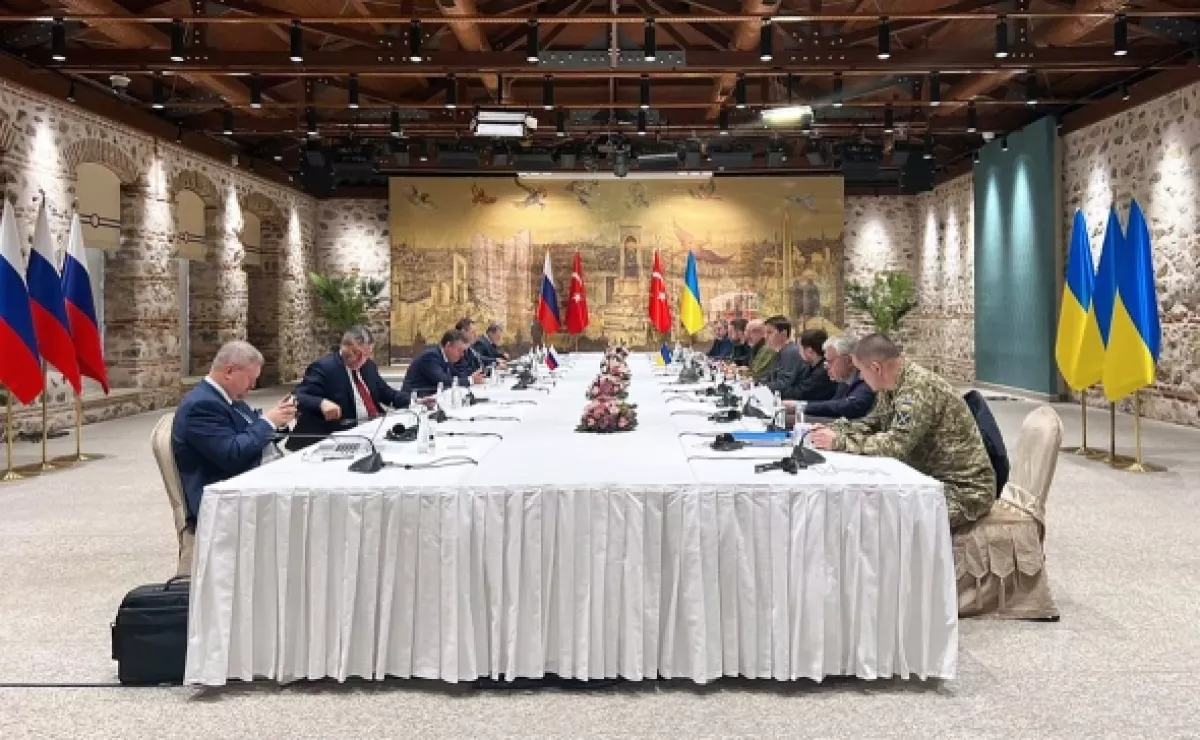
The preliminary agreements reached in Istanbul could be considered extremely favourable for Kyiv: Moscow agreed to withdraw troops from almost all territories occupied after the start of the invasion and allowed for the possibility of revisiting the status of Crimea in the future.
Military aid from the United States and European countries was delivered in a measured manner, often delayed, and proved insufficient to achieve a strategic breakthrough on the front.
The shortage of air defence systems was particularly critical, leaving Ukrainian cities and infrastructure vulnerable to attacks. As a result, the conflict shifted into a war of attrition — a configuration in which Ukraine’s resources are being depleted faster.
Kyiv can no longer reasonably place blame on Joe Biden or the Democratic Party for obvious reasons. The administration of Donald Trump, in turn, has signalled an intention to end the war; however, according to available information, the conditions being considered are significantly less favourable for Ukraine than those discussed in March 2022.
Accepting such terms would be extremely problematic for the current Ukrainian leadership. Concluding an unfavourable peace would inevitably raise questions about the cost of the prolonged conflict and whether such extensive casualties could have been avoided by agreeing to a compromise earlier.
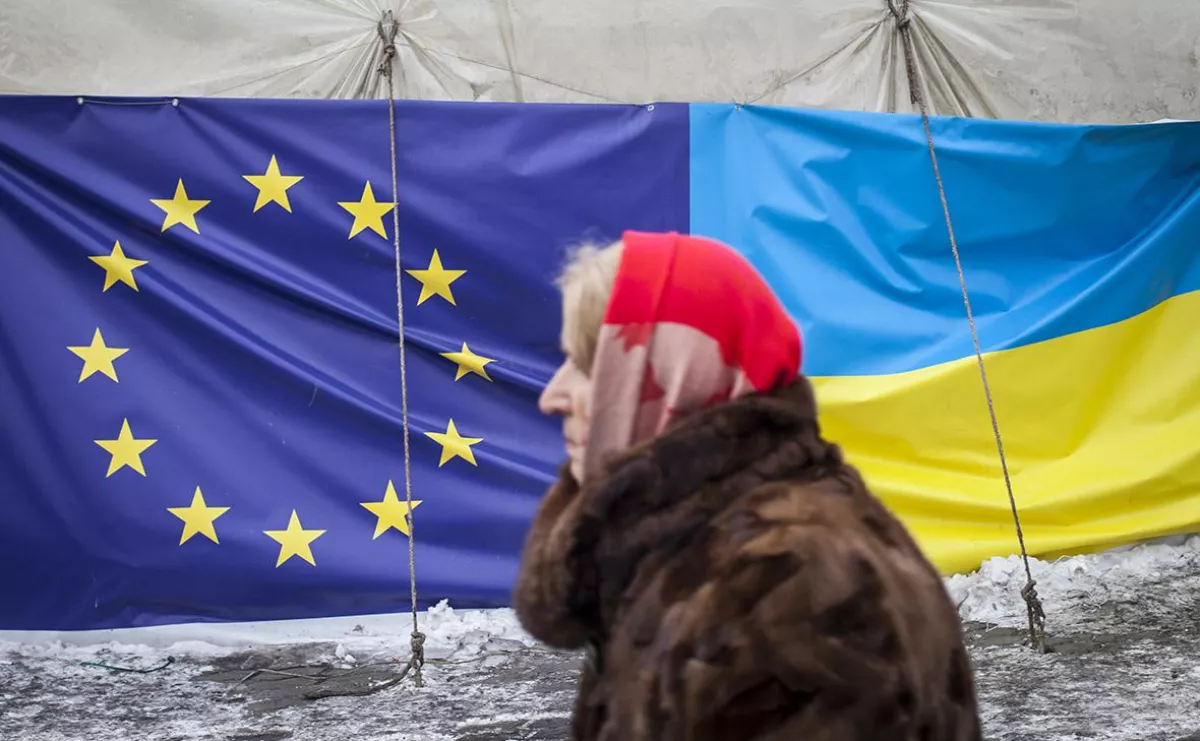
At the same time, Kyiv cannot openly clash with Brussels, as it critically depends on European support. Additional pressure comes from corruption scandals uncovered during the war, which have already affected the domestic political situation and will likely influence the prospects of the current government once the conflict ends or is “frozen” (under martial law, elections in Ukraine are not held).
Against this backdrop, attempts are being made in the information space to portray Georgia as “extreme” — a country whose leadership, despite pressure from the EU, refused to get drawn into the conflict, open a “second front,” or turn its own territory into an additional theatre of military operations.
It is clear that neither opening a second front nor imposing sanctions on Russia would have had a decisive impact on the course of the war. However, such steps could have serious consequences for Georgia itself. Moreover, part of Ukraine’s foreign trade, which currently passes through Georgian territory, would also have been affected.
Meanwhile, in the near future, if the Russia–Ukraine war becomes “frozen,” relations between Ukraine and Georgia are expected to receive a new impetus. Both countries are ready for a sharp increase in trade turnover and, most importantly, for more intensive use of transit capabilities than before the war, when the scale of transit along the Middle Corridor was significantly lower than it is today.
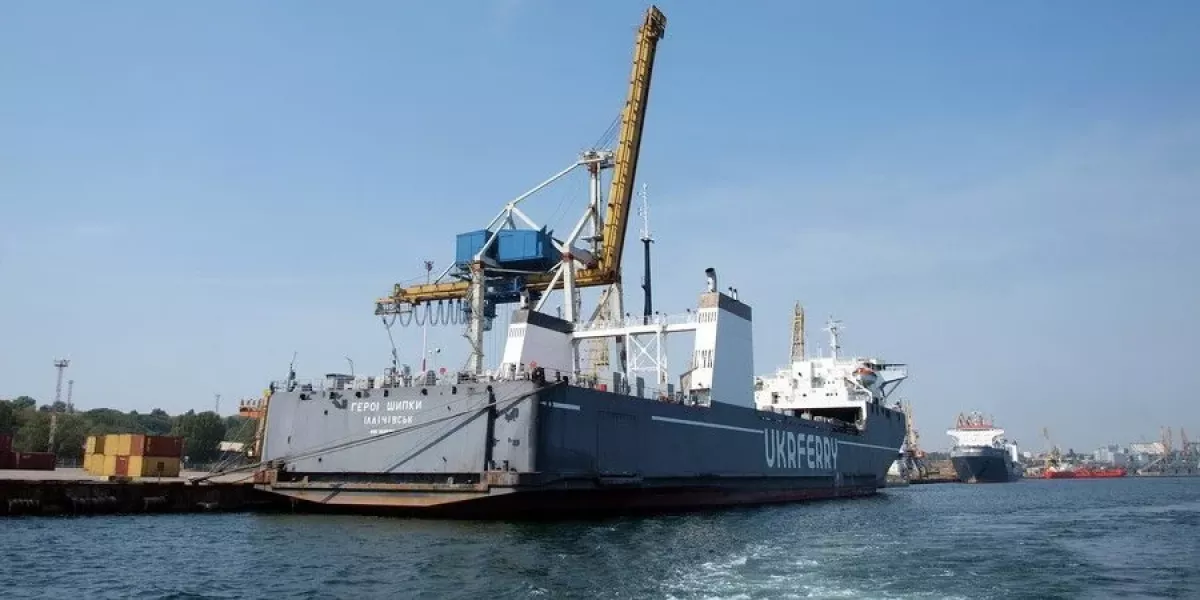
It is no coincidence that as early as spring 2025, Ukraine attempted to resume regular ferry service with Georgia. In March 2025, two voyages were completed from Chornomorsk (Odesa region) to the Georgian port of Batumi, conducted under a media blackout. This approach continues to be observed, and ferry services have not yet become regular; however, there is little doubt that they will transition to a regular schedule once a ceasefire is reached.
Another Ukrainian port in the same Odesa region — Bilhorod-Dnistrovskyi — is also interested in regular ferry connections with Georgia. The port has signed a memorandum with the Georgian port of Poti, part of the Danish transport company Maersk’s APM Terminals. Under this agreement, a new ferry route will link the Ukrainian port and Poti.
The declared purpose of the memorandum is to attract cargo traffic through the Middle Corridor. It is expected that another branch of this corridor will pass through Ukraine via a new railway route — the Bessarabia Route (Ukraine — Moldova — Romania).
Thus, there are all the prerequisites for the development of an important “branch” of the Middle Corridor passing through Georgia once the war in Ukraine ends.
As for the current “verbal disagreements” between the Georgian and Ukrainian authorities, they are unlikely to have any consequences for bilateral relations. Moreover, according to political analysts, the political leadership in Kyiv is highly likely to change after a “freeze” of the war.
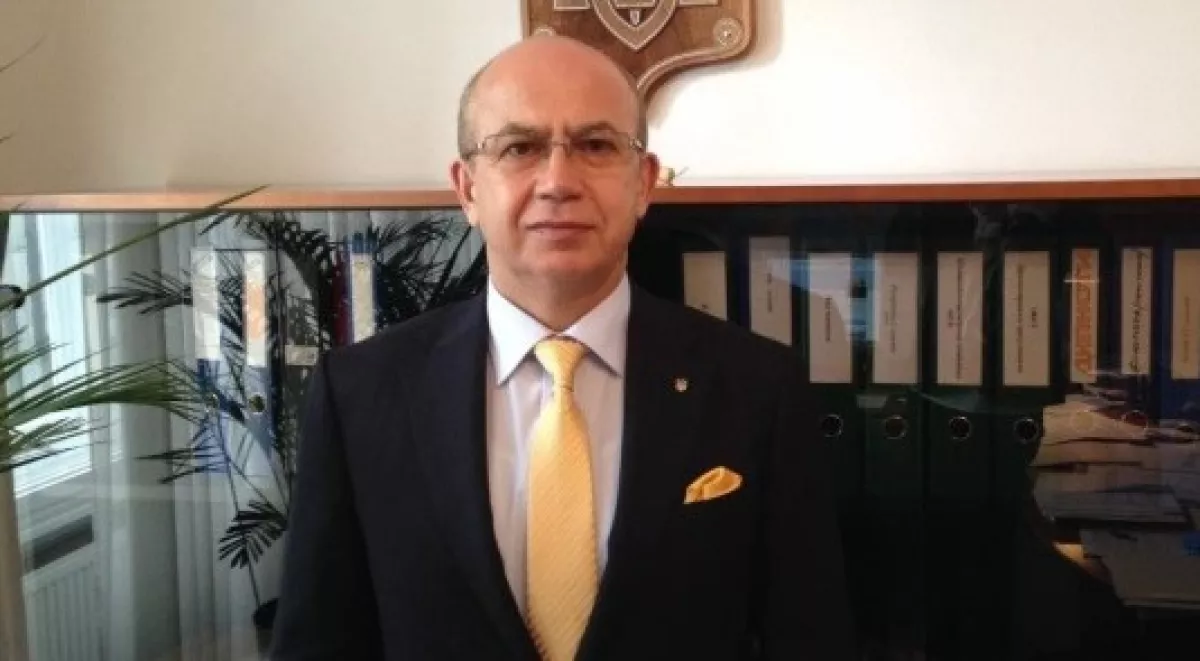
In January 2026, Ukrainian President Volodymyr Zelenskyy appointed diplomat Mykhailo Brodovych as ambassador to Georgia, effectively rejecting the Georgian pro-Western opposition’s campaign to label the current authorities in Tbilisi as “allegedly illegitimate.”
By Vladimir Tskhvediani, Georgia, exclusively for Caliber.Az







 editor@caliber.az
 +994 55 444-88-98
 Азербайджан, Баку, ул. Низами, 203, Af Business House, 5-й этаж