










Azerbaijan’s Parliament passes 181 laws, 33 resolutions in 2025 PHOTO
Azerbaijan's Milli Majlis (Parliament) has concluded its autumn session. In 2025, the parliament convened 38 plenary sessions, adopting 181 laws and 33 resolutions.
At the final session, Sahiba Gafarova, Speaker of Azerbaijan’s Parliament, summarised the parliament’s work over the past year, Caliber.Az reports via the press service of the Milli Majlis.
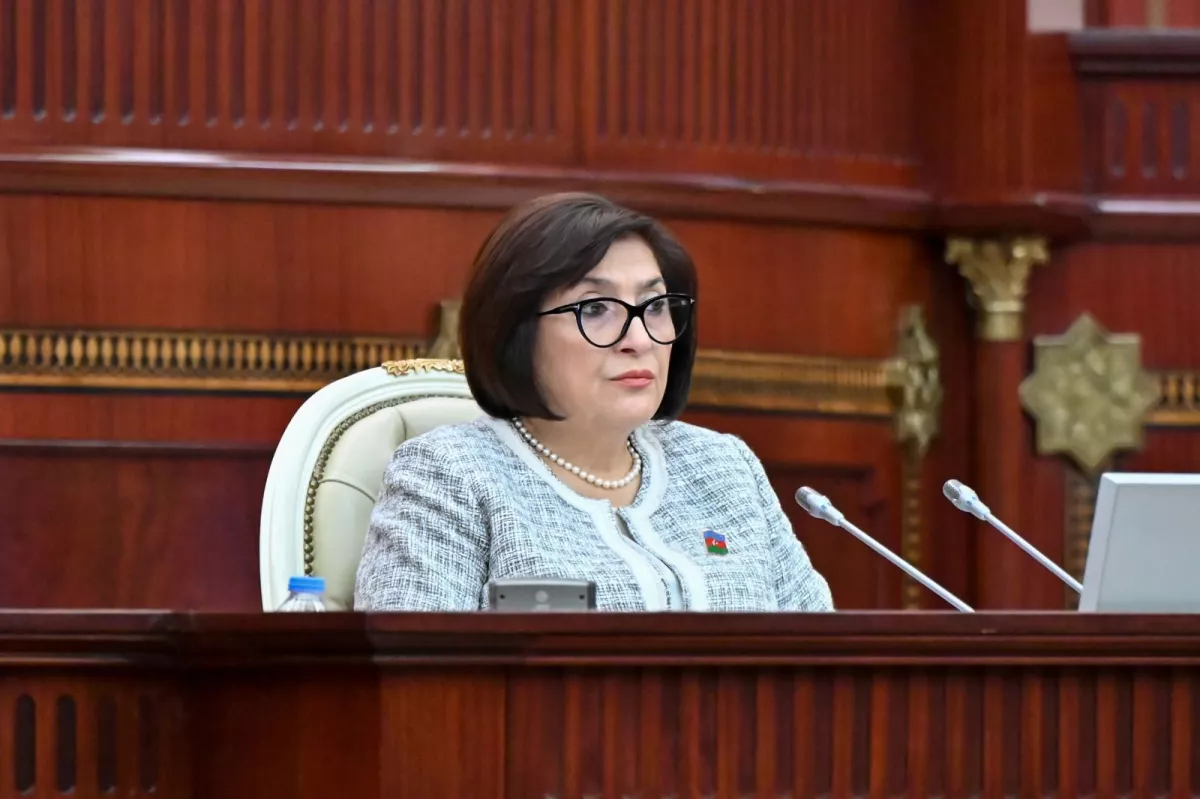
She emphasised that the legislature focused on strengthening constitutional foundations, developing a modern and sustainable legal framework, improving the legal system, and protecting citizens’ rights and freedoms.
During the autumn session, the Milli Majlis held 16 meetings and reviewed 86 bills and draft resolutions. Over the full year, the parliament convened 38 plenary sessions, adopting 181 laws and 33 resolutions. Key legislation included the 2026 state budget, as well as laws “on gas supply,” “on heat supply,” “on public services,” “on the Internal Troops of the Republic of Azerbaijan,” and “on special judicial executors,” among others.
Gafarova highlighted ongoing cooperation between the Milli Majlis and the Presidential Administration, noting that regular contacts between parliamentary departments and executive authorities helped systematise legislative-executive interaction. She also praised constructive collaboration with government ministries and state committees, which participated in hearings and discussions on draft laws. Over the year, the parliament conducted eight hearings, three public discussions, one extended session, and five conferences.
The speaker also underscored efforts to preserve and promote the Azerbaijani language. Following President Ilham Aliyev’s address on the 80th anniversary of the National Academy of Sciences, a parliamentary conference was held on December 8 to discuss the state language strategy and define roles for lawmakers, scholars, and the intelligentsia.
In addition to legislative work, the Milli Majlis issued statements condemning actions by certain international organisations and foreign states perceived as threats to Azerbaijan’s sovereignty. The parliament continued to exercise its oversight functions, reviewing reports from the Cabinet of Ministers, the Accounts Chamber, the Human Rights Commissioner, and other state bodies.
Gafarova noted that deputies remained active in their constituencies, holding regular meetings with citizens and addressing concerns in parliament and other authorities. Over the year, parliamentary leadership and committee heads received around 3,000 citizens, while more than 22,000 citizen inquiries were processed.
By Jeyhun Aghazada







 editor@caliber.az
 +994 55 444-88-98
 Азербайджан, Баку, ул. Низами, 203, Af Business House, 5-й этаж