










Baku’s hidden elegance: inside the lesser-known Taghiyev mansion A historical overview on Caliber.Az
The oil boom period transformed Baku into one of the most dynamically developing cities of its time. The rapid enrichment of Baku’s industrialists and millionaires led to the emergence of luxurious mansions that became adornments of the city’s streets. Buildings designed by renowned architects were distinguished by refined façade compositions, an abundance of decorative details, and high-quality construction materials. The residences of oil magnates not only reflected their status and ambitions but also shaped Baku’s unique architectural identity.
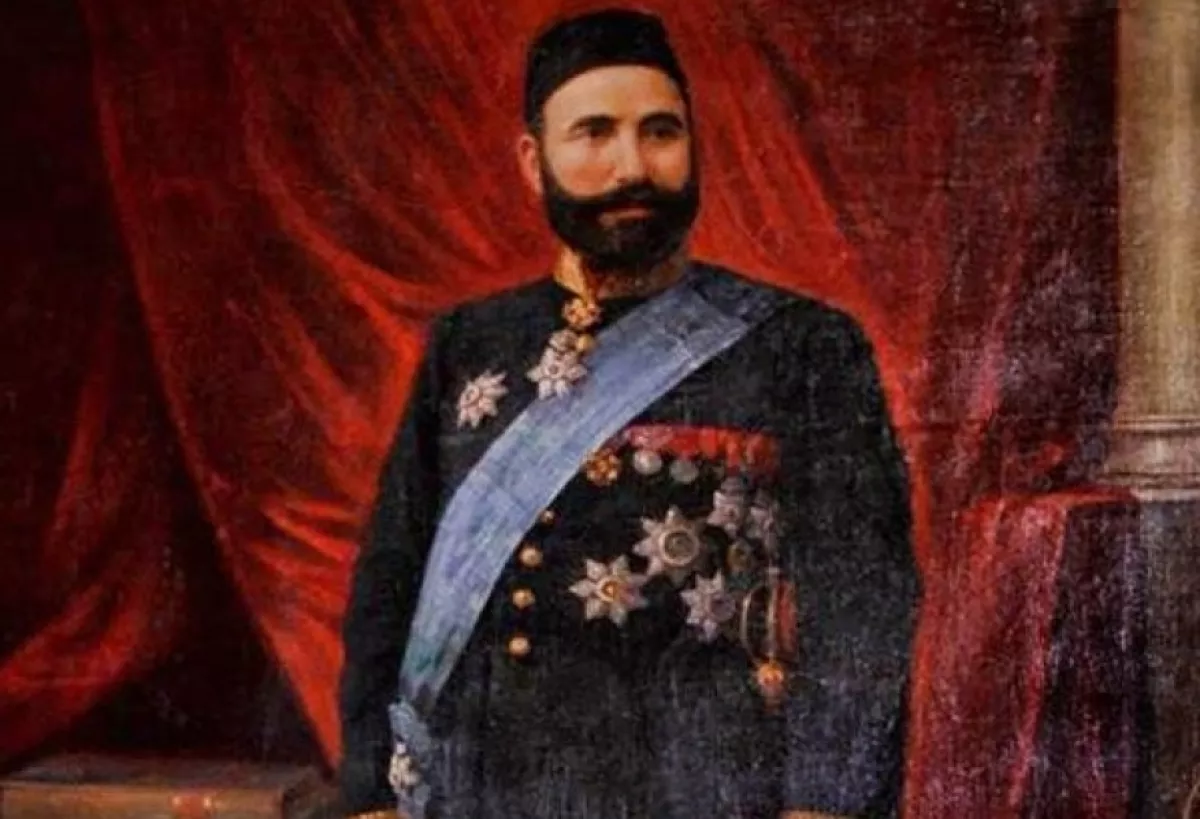
A symbol of an entire era - Haji Zeynalabdin Taghiyev was an Azerbaijani industrialist, socio-political figure, patron of the arts, Active State Councillor, first-guild merchant, hereditary honorary citizen, benefactor, and philanthropist. Possessing immense wealth, he managed to turn personal success into a source of public good. Taghiyev did an extraordinary amount for his nation, investing in education, supporting culture, and promoting public initiatives. His activities went far beyond entrepreneurship—they became an expression of deep responsibility toward his people and a commitment to serving the future of the country.
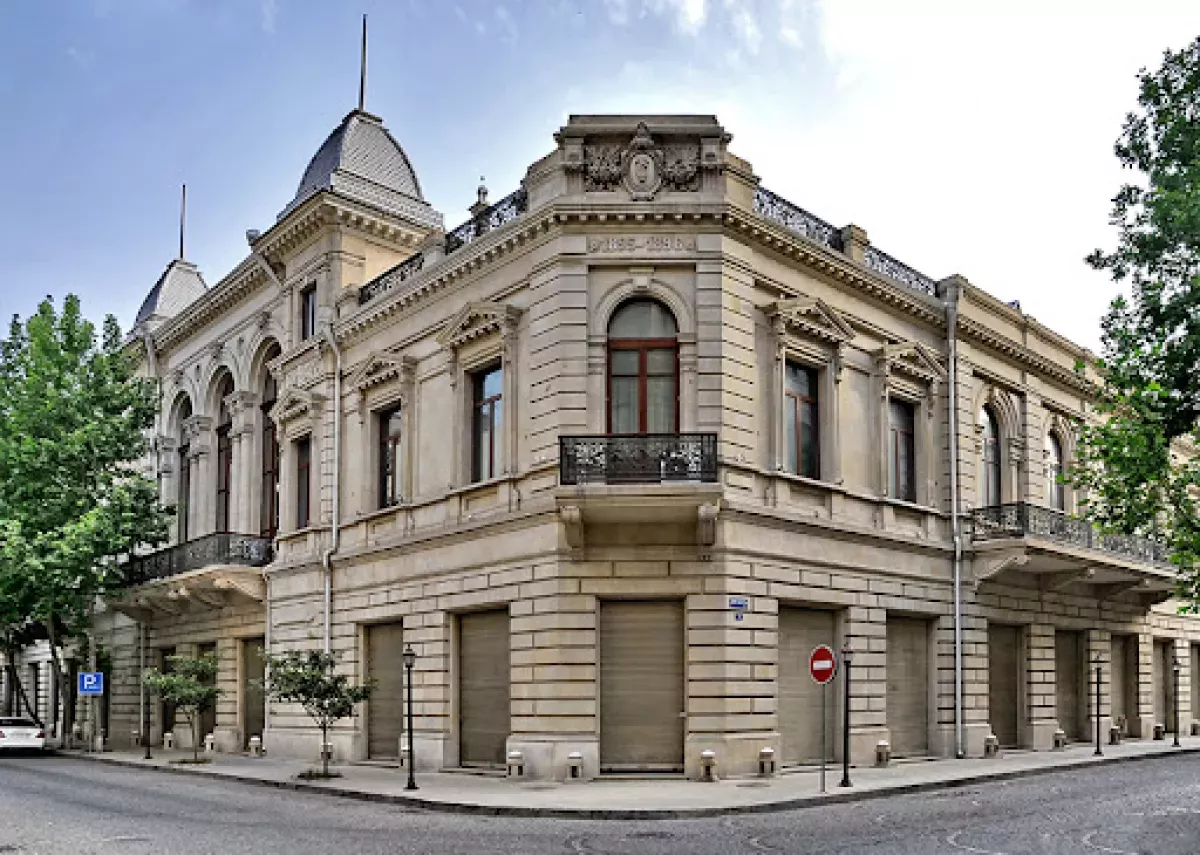
His famous house, located in the centre of Baku, is known to everyone and is rightfully considered one of the architectural jewels of the city. This mansion is not only a monument to the luxurious oil era, but also a visible embodiment of the scale of its owner’s personality—a man whose name has forever entered the history of Azerbaijan.
In 1895–1901, a magnificent palace was built in the centre of Baku, becoming a symbol of the flourishing oil boom era. Located on today’s Haji Zeynalabdin Taghiyev Street in Baku, this grand mansion immediately attracts attention with the monumentality of all four façades and the expressive domes crowning the building.
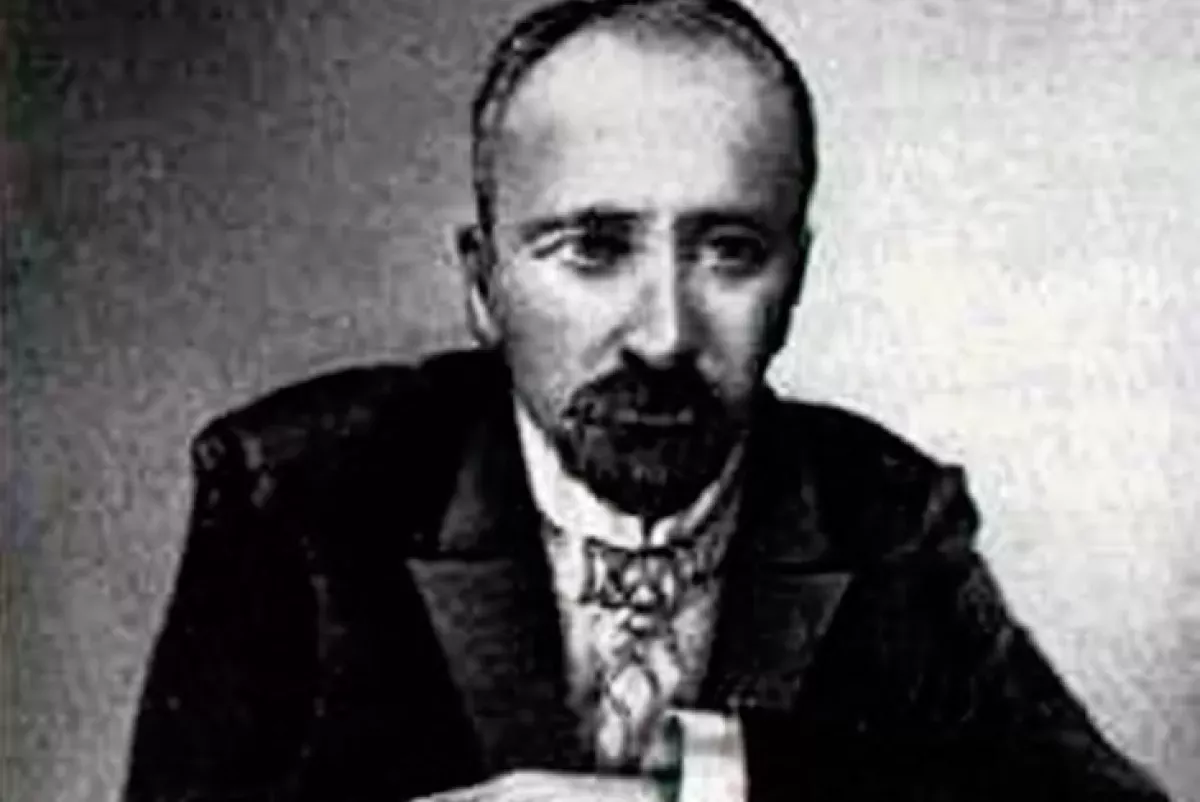
The author of the project—the Polish architect Józef Gosławski—used the European classical order system in its design, giving the building a sense of solemnity and harmonious proportional rigor. At the same time, in the composition, and especially in the interiors of the ceremonial halls, motifs of Azerbaijani architecture can be felt, which gives the palace a national character and artistic depth. The expressiveness of the exterior, the elegance of the stucco decoration, and the meticulous attention to detail make this building one of the most beautiful architectural works in the city.
Today, the National Museum of History of Azerbaijan is located within its walls, which gives the palace a special cultural significance.
However, Taghiyev also had another building—less monumental, but no less remarkable. This refers to the house constructed in 1895 according to the design of the architect Józef Gosławski, located at Postovaya Street (today Ostrovsky—S. Taghizade), 70 in Baku. Unlike more ceremonial structures, this mansion is designed in a restrained and laconic manner, which only emphasises its refinement. The subtle plasticity of the façade, balanced proportions, and attention to detail testify to the high level of architectural culture of its time.
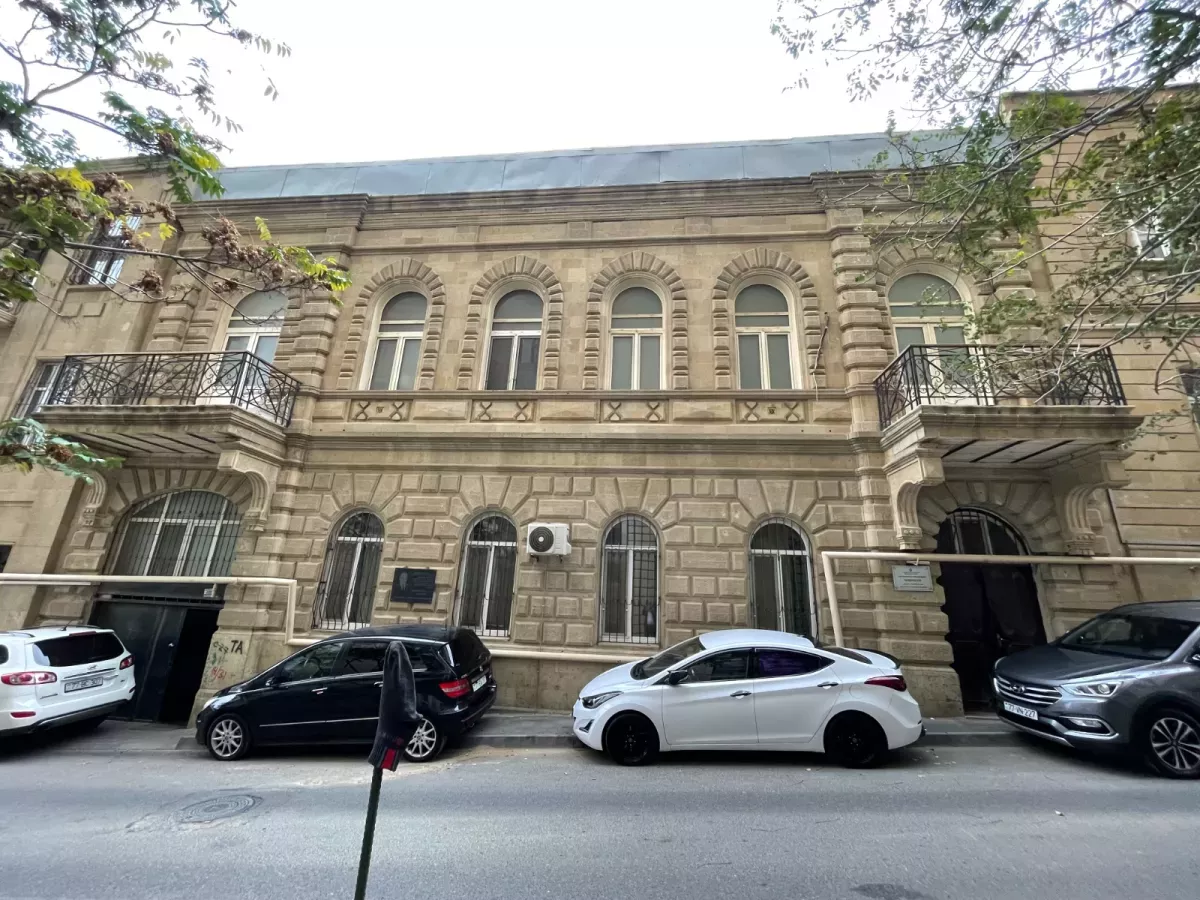
The architectural design of the façade, executed in Renaissance forms, evokes associations with Italian palazzos, where detailing, proportionality, and monumental rustication are harmoniously combined. Initially, the house was designed as a three-story building; however, it was built as a two-story structure and became one of the key accents of the street. The side risalits and the expressive rhythm of the windows, framed by rustication, give the building dynamism and a sense of grandeur.
The house is harmoniously integrated into the architectural environment of the surrounding urban landscape, as if continuing the ensemble of historic development. Its appearance does not disrupt, but rather emphasises the overall aesthetic line of the street, where each building seems to enter into a dialogue with the neighbouring one, creating a unified symphony of forms, proportions, and style characteristic of late 19th-century Baku.
Today, this house remains a valuable architectural monument, embodying the brilliance and scale of the ambitions of Baku’s bourgeoisie of its time. Its majestic appearance continues to impress both residents and visitors of the capital, reminding them of the golden age of Baku architecture.
The name of Haji Zeynalabdin Taghiyev has become a symbol of nobility, foresight, and true patriotism, and his life path has proven that personal success can serve the prosperity of a nation. The legacy he created continues to live on in the city’s architecture and public memory, remaining an important part of history and a moral guide for future generations.
By Vahid Shukurov, exclusively for Caliber.Az







 editor@caliber.az
 +994 55 444-88-98
 Азербайджан, Баку, ул. Низами, 203, Af Business House, 5-й этаж