










From Section 907 to strategic alignment: Washington’s policy shift on Azerbaijan Article by Star and Stripes
In an analysis published by Pentagon’s Star and Stripes paper, retired US Army colonel Wes Martin delves into Washington's policy in the South Caucasus. Caliber.Az reprints some excerpts from the article.
“Iran’s recent orgy of mass murder, which killed and wounded tens of thousands, again highlights a truth Washington can’t afford to ignore: pressure works best when adversaries are off balance.
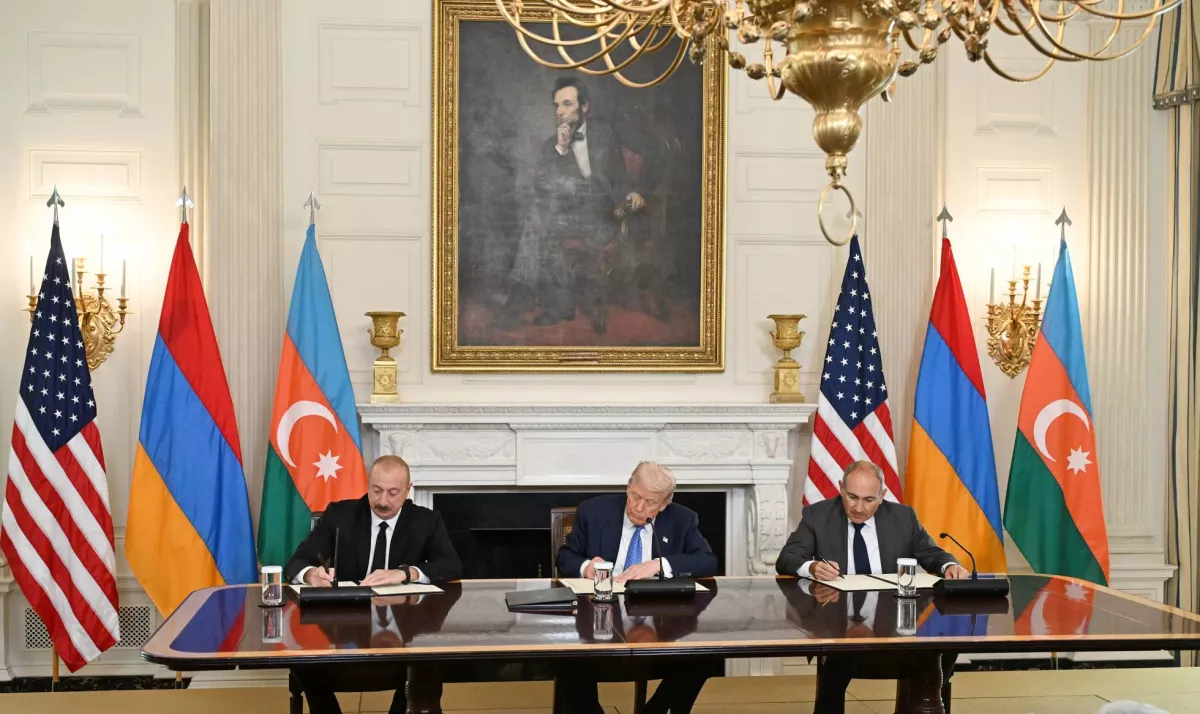
The possibility that the Armenia-Azerbaijan conflict may finally resolve has become a consequential dimension in the geopolitical calculus around Iran’s future. The Obama and Biden administrations treated the South Caucasus as a diplomatic backwater of frozen conflicts and declining American leverage. That was a mistake. President Donald Trump corrected it by hosting the president of Azerbaijan and the prime minister of Armenia at the signing of a peace memorandum last August.
Azerbaijan, sitting astride east–west energy routes and north–south transit corridors, especially the Middle Corridor from Europe to Asia has become a node of real strategic significance. It supplies the world with half a million barrels of oil a day, provides Europe with non-Russian gas, and maintains close security ties with Israel.
Moscow and Teheran oppose a durable Armenia–Azerbaijan peace because it would reduce their leverage.
A settlement would unlock transit routes linking Azerbaijan to its exclave of Nakhchivan and onward to Türkiye and world markets, diminishing Iran’s chokehold on regional trade and Russia’s claims indispensability.
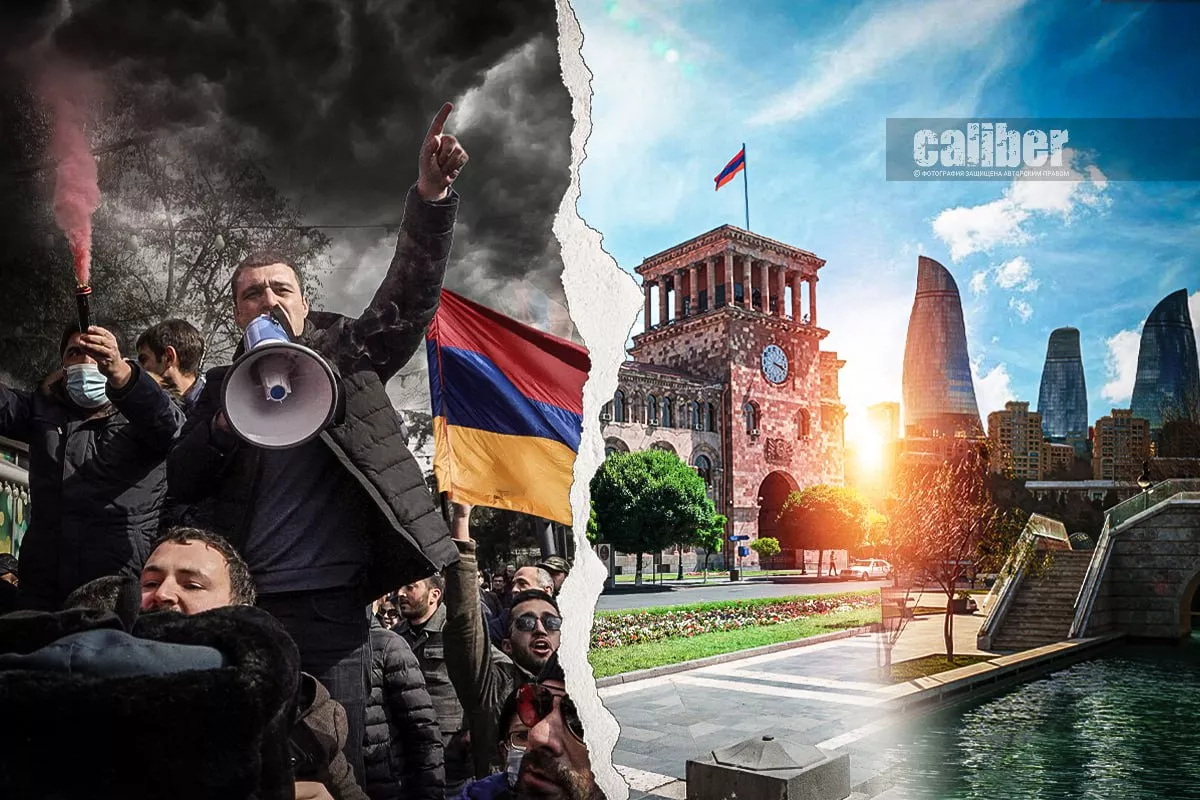
This helps explain the opposition to the peace process not in Yerevan, but thousands of miles away in American cities with Armenian diaspora communities.
Chief among the organized opponents is the Armenian National Committee of America [ANCA], which presents itself as an advocate for Armenian security but increasingly behaves as a spoiler of American diplomacy. Its rejection of a settlement with Azerbaijan places it at odds not only with Washington’s foreign policy, but also, arguably, with Armenia’s long-term survival as a sovereign state. While healthy nationalism can be a good thing, extreme nationalism can be lethal.
Diaspora politics often drift toward maximalism. Yet ANCA’s posture goes beyond emotional attachment. Its positions increasingly mirror narratives advanced by Tehran, Beijing, and, to a lesser extent, Moscow. Nowhere is this clearer than its treatment of Israel.
ANCA and affiliated organizations have adopted the language of irrational damnation, claiming “genocide” in Gaza and drawing parallels between Israel and Azerbaijan. These claims are strikingly aligned with the rhetoric of Iran and its proxies. That alignment is unlikely to be accidental.
Israel’s partnership with Azerbaijan, defensive, technological and intelligence-based, has long irritated Tehran. Azerbaijan offers Israel a partner in the South Caucasus, while Israel offers Azerbaijan advanced agriculture, energy partnerships, military technology, and security cooperation. By condemning this relationship, ANCA seeks to fracture a quiet but effective partnership.
ANCA has increasingly tethered itself to one faction of American politics, the left. Its reflexive opposition to diplomatic initiatives associated with Republican administrations has led it to undermine agreements that would otherwise enjoy bipartisan support. Peace between Armenia and Azerbaijan is one such casualty. By opposing it, ANCA is not defending Armenia; it is prolonging its vulnerability.
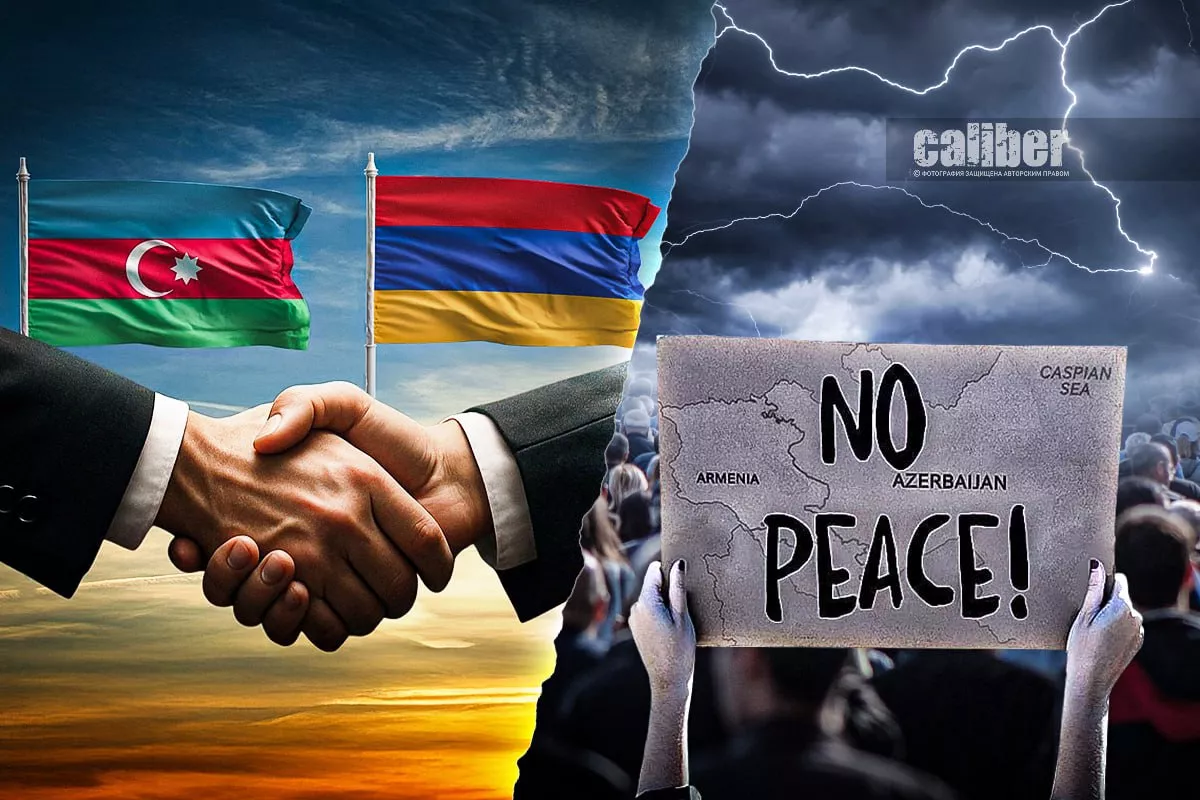
A successful Armenia–Azerbaijan settlement would do several things. It would stabilize a volatile region. It would reduce Russia’s military footprint. It would weaken Iran’s ability to weaponize geography. And it would strengthen Azerbaijan as a U.S. trade and investment partner capable of advancing Western energy security and regional connectivity. For Washington, this is not a moral dilemma but a strategic opportunity.
It is time for Washington to lift the obsolete Section 907 of the 1992 FREEDOM Support Act passed with Armenian lobby effort in a different era, which restricts any direct U.S. support from going to the Azerbaijani government and blocks sales of military equipment. It is time to lift this trade-limiting legislative relic.
None of this requires abandoning concern for Armenian security or dignity. A peace agreement backed by Western guarantees offers Armenia its best chance to escape geopolitical purgatory. The alternative, endless confrontation subsidized by diaspora outrage, offers only decline,” Martin writes.







 editor@caliber.az
 +994 55 444-88-98
 Азербайджан, Баку, ул. Низами, 203, Af Business House, 5-й этаж