










On words and actions What to expect from Ursula von der Leyen’s visit to Baku
European Commission President Ursula von der Leyen’s visit to Baku comes at a time when the South Caucasus has firmly established itself as a key hub of global geopolitics — a crossroads where major international powers converge, a transport corridor of growing strategic importance, and a vital component of Eurasia’s evolving energy architecture.
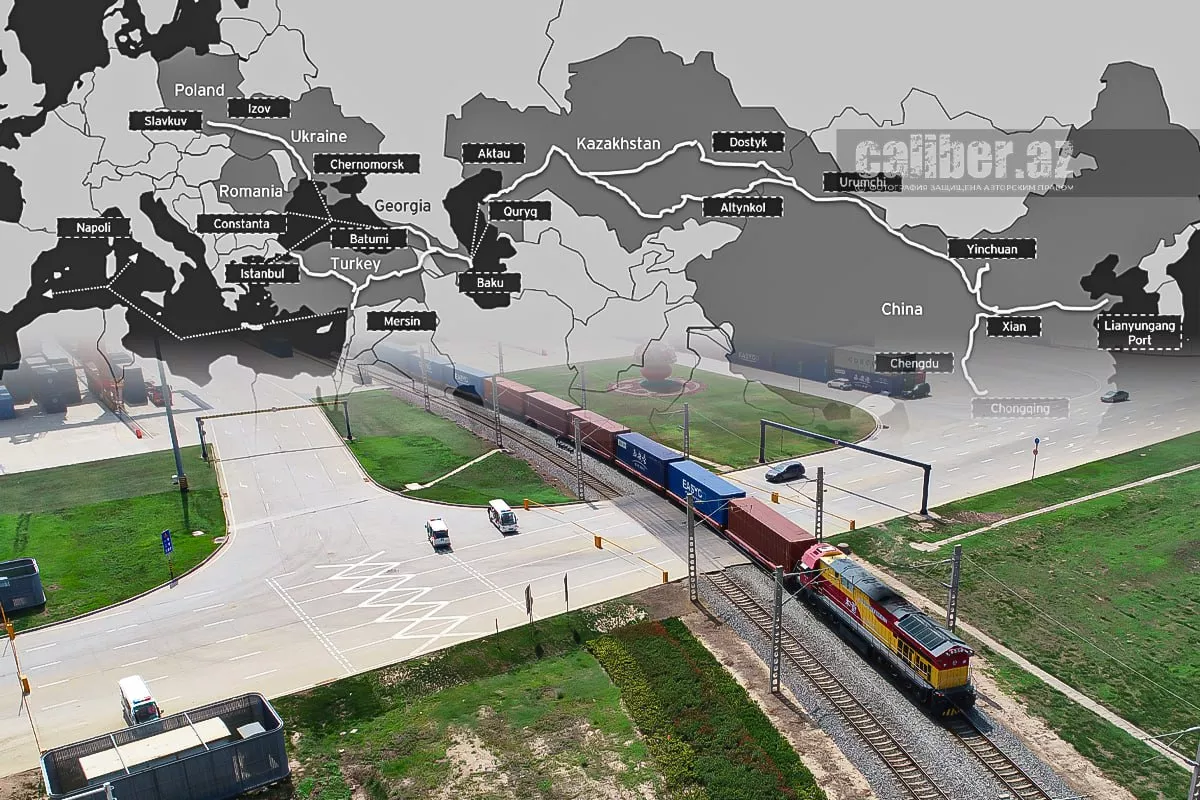
The context of the visit is highly indicative. It takes place amid intensified efforts by Brussels to strengthen its influence along the Middle Corridor — a route connecting Europe with Central Asia and China, bypassing traditional pathways. The European Union is seeking to diversify both logistical and energy supply chains, which is why its interest in Azerbaijan is not situational but strategic in nature.
However, in Baku, such visits are not met with excessive enthusiasm. A pragmatic approach has long been established there: what matters are not declarations, but concrete actions. And this is precisely where the key intrigue of the upcoming talks lies — whether the EU is ready to move from political rhetoric to recognising Azerbaijan’s real role as a centre of regional stability.
Over the past years, the Azerbaijani state has not merely strengthened its position — it has effectively altered the balance of power in the South Caucasus. Following the full restoration of its sovereignty and territorial integrity, Baku initiated the peace process with Yerevan, not as a matter of forced diplomacy, but as a deliberate strategy to shape a new security architecture based on the principles of international law and mutual recognition of borders.
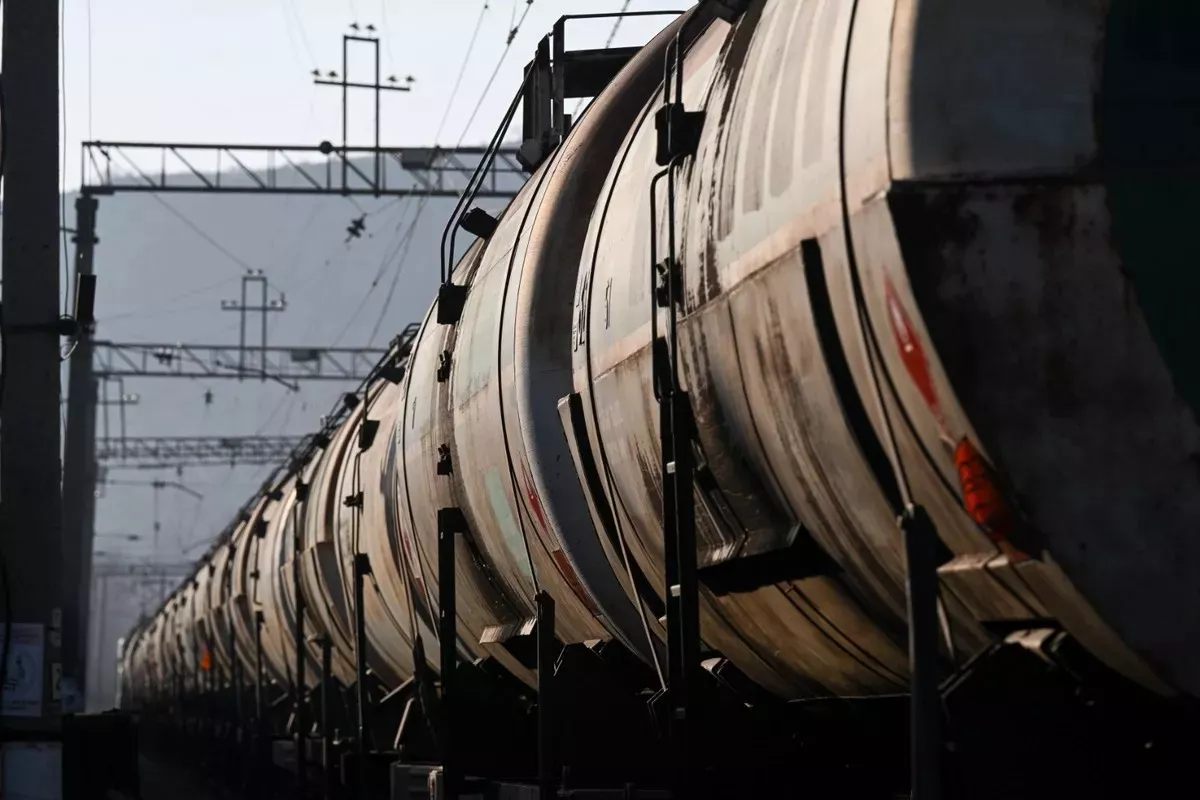
It is particularly important that these initiatives have not remained at the level of declarations. Azerbaijan has demonstrated readiness for practical steps: from lifting the ban on the transit of goods to Armenia through its territory to supplying Azerbaijani fuel to that country. In a post-conflict context, such actions are not gestures of goodwill, but real mechanisms for reducing tensions.
One would logically expect the EU to welcome such a policy, yet Brussels’ response has often appeared cautious and contradictory. This creates a perception of double standards, where Azerbaijan’s strategic importance is acknowledged de facto, but not always de jure.
Meanwhile, the energy factor has become one of the key pillars of Azerbaijan–EU relations. The Memorandum of Strategic Partnership signed in July 2022 laid the foundation for increasing Azerbaijani gas supplies to Europe, and against the backdrop of a global energy crisis triggered by major shocks, Baku has emerged as one of the guarantors of stability in the European market.
Reliability of supplies, predictability of policy, and readiness to expand cooperation have made Azerbaijan an indispensable partner for the EU — something well understood in Brussels. The only question is whether the European Union is ready to perceive the Azerbaijani state not merely as a supplier of resources, but also as an equal political actor.
At the same time, escalation in the Middle East, rising tensions between countries, and a crisis of international institutions are creating an extremely unstable external environment. In the immediate vicinity of Azerbaijan, the interests of major powers intersect, each pursuing its own strategic agenda. Under such conditions, Baku’s multi-vector foreign policy acquires particular importance.
As is known, over many years the country has consistently built relations with all key centres of power, avoiding dependence on any single direction. This requires not only diplomatic skill, but also strategic resilience. It is precisely this approach that has allowed Azerbaijan to maintain stability even during serious regional shocks, and today, in a period of geopolitical turbulence, the country remains one of the few islands of stability.
In the context of the above, Ursula von der Leyen’s visit takes on particular significance, becoming a kind of test of the European Union’s readiness for a more mature and consistent approach. In Baku, expectations are focused not so much on new statements as on concrete decisions — in the fields of energy, transport, digital connectivity, and security.
At the same time, the Azerbaijani state continues to consistently implement its own strategy, which includes not only the development of bilateral ties with Europe but also active participation in broader integration processes, such as strengthening links within the Turkic world. This multilayered diplomacy enables the country to reinforce its position across multiple directions simultaneously.
Ultimately, it is precisely this approach that defines Azerbaijan’s strength on the international stage: not loud declarations, but consistent actions; not situational alliances, but a long-term strategy; not reaction to external challenges, but their anticipation. And in Baku, the head of the European Commission is expected with calm pragmatism and without illusions. Here, proposals will be carefully listened to, prospects discussed, and conclusions drawn. However, the final assessment will not be made on the basis of the negotiations themselves, but on their practical outcomes.







 editor@caliber.az
 +994 55 444-88-98
 Азербайджан, Баку, ул. Низами, 203, Af Business House, 5-й этаж