










Triangle of power: Energy axis of UAE – Azerbaijan – Israel Article by Forbes
The American magazine Forbes has published an article by Wesley Alexander Hill on Azerbaijan’s cooperation with the UAE and Israel. The article highlights how Azerbaijan is emerging as a strategic bridge between the South Caucasus and the Middle East through energy and infrastructure partnerships, forming an informal UAE–Azerbaijan–Israel triangle. Analysts note that outdated U.S. policies like Section 907 could limit American engagement in this increasingly vital region. Caliber.Az presents an excerpt from the piece.
"Energy interconnectivity is increasingly shaping geopolitical landscapes in ways that conventional diplomacy often cannot. Nowhere is this more evident than in the evolving relationships among the middle powers of Eurasia. For example, Azerbaijan and the United Arab Emirates (UAE) are developing a shared framework that is helping stitch together two long-conflicted regions that were usually considered separately: the South Caucasus and the Middle East.
As the Abraham Accords and the Israel-India-USA-UAE (I2U2) agreements redefine cooperation across the Middle East, Azerbaijan’s deepening ties with the UAE and Israel reveal a quiet yet consequential expansion of this emerging geopolitical architecture, which could reshape regional politics. American energy companies can benefit from increased participation in the dealmaking that underpins these new collaborations.
For decades, the South Caucasus was defined by stalemates, frozen regional conflicts, and great-power competition.
Following Azerbaijan’s decisive victory in the Karabakh war and subsequent diplomatic shifts in the region, facilitated by peacemaking at the White House, have increasingly enabled the country to pursue diversified partnerships.
This shift was underscored last week when XRG, the international investment arm of Abu Dhabi National Oil Company (ADNOC), signed an agreement with Azerbaijan’s Southern Gas Corridor (SGC) during a visit by Azerbaijan’s President Ilham Aliyev to the UAE. This deal, involving the sale of a non-controlling stake in the SGC, directly engages the Emiratis in one of Europe’s most critical non-Russian gas supply routes. The agreement builds on a growing history of cooperation between ADNOC and Azerbaijan’s state energy firm, SOCAR, including earlier renewable energy initiatives with the UAE’s clean-energy leader, Masdar.
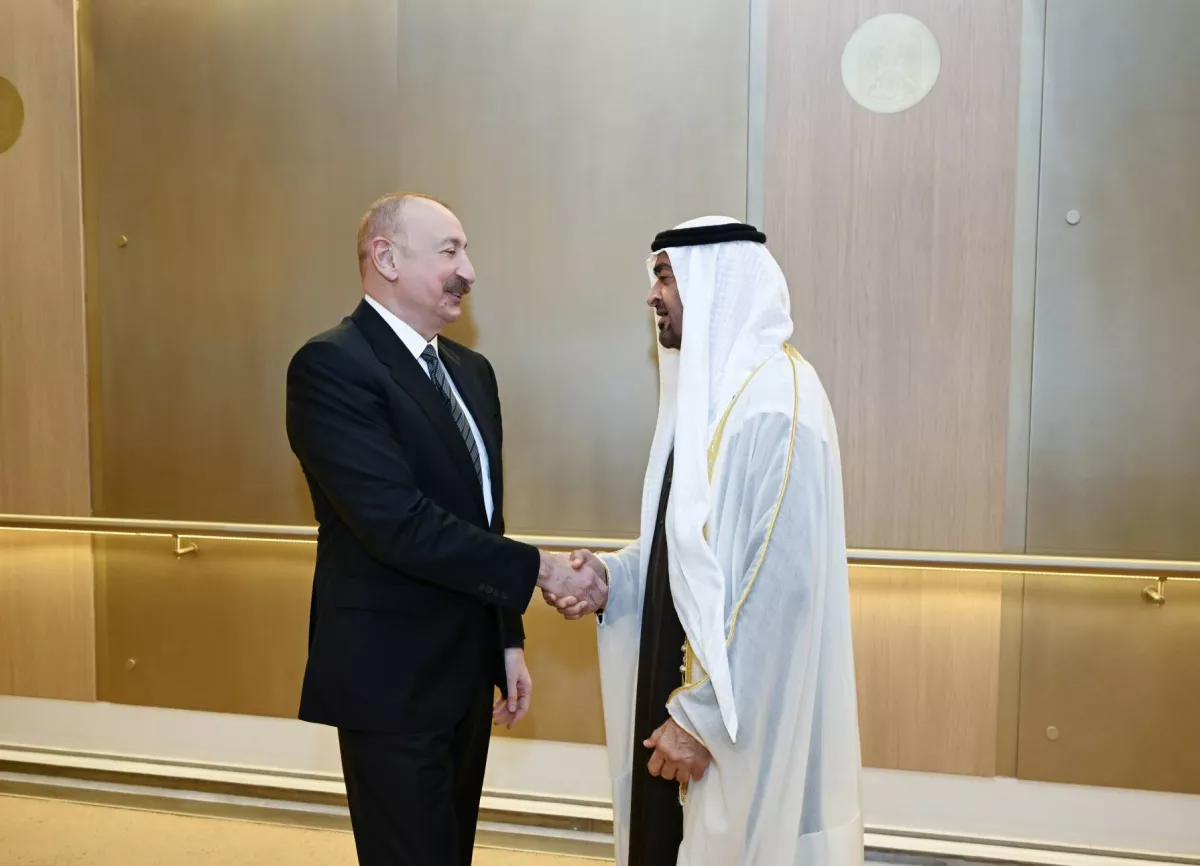
Traditionally, Azerbaijan’s foreign policy was anchored in its role as a major oil and gas exporter. Over the past decade, however, Baku has pursued strategic diversification, inviting deeper collaboration with Gulf partners, most notably the UAE, across both hydrocarbons and the clean energy sectors. In late 2023, ADNOC and SOCAR signed a strategic collaboration agreement focused on low-carbon energy technologies.
The cooperation reflects a shift from resource extraction toward full engagement in the energy value chain. The Garadagh Solar Power Plant, developed jointly by Masdar and SOCAR, is now one of the region’s largest renewable installations. Additional agreements span solar, onshore and offshore wind, and green hydrogen development.
For both Azerbaijan and the UAE, energy cooperation functions as a geopolitical instrument, tying a strategically positioned Caucasus state to a core Gulf power in ways that reshape regional connectivity and influence.
Linking to broader peace frameworks: the Abraham Accords and I2U2
Originally brokered by the United States during the first Trump Administration, the Abraham Accords marked a historic shift in Middle Eastern diplomacy by facilitating the normalisation of relations between Israel and several Arab states, beginning with the UAE and Bahrain in 2020.
Building on this momentum, the I2U2 grouping, comprising India, Israel, the United States, and the UAE, was formalised in 2021 as a platform to coordinate joint initiatives in energy, food and water security, transportation, and technology. Unlike traditional security alliances, I2U2 is explicitly economic and infrastructure-focused, mobilising private capital and expertise to deliver regional public goods and deepen cross-border integration within the broader West Asian economic ecosystem.
While Azerbaijan is not a formal member of I2U2, its growing strategic and economic ties with the UAE, combined with Abu Dhabi’s deepening relationship with Israel, are integrating Baku in this evolving architecture. This emerging broader economic network aligns with I2U2’s objectives, especially in energy security and renewables, and reflects a pragmatic shift toward economic statecraft as a basis for regional stability.
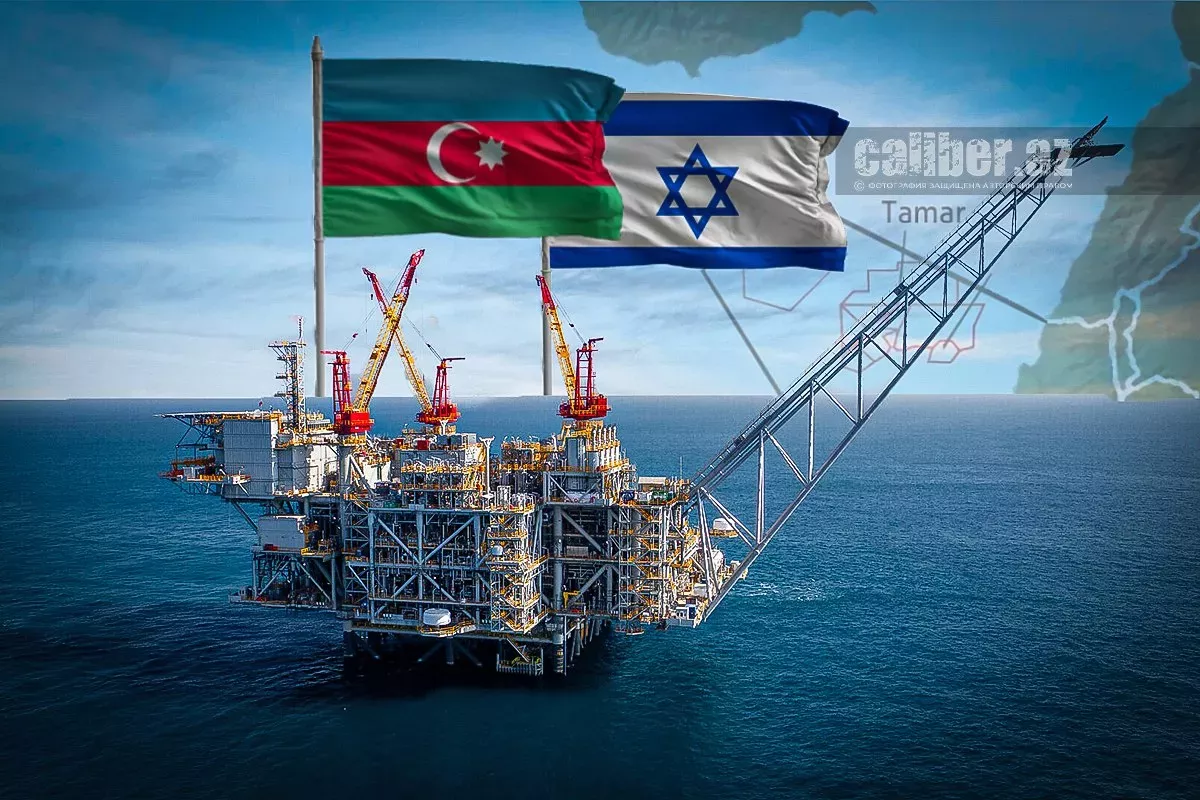
Azerbaijan’s long-standing relationship with Israel, rooted in energy exports and defence cooperation motivated by shared distrust of the Islamist theocracy in Iran, exemplifies this trend. Baku supplies a significant portion of Israel’s fuel needs and has expanded its footprint in Israeli energy markets, including a 10 per cent stake in the Tamar offshore gas field and participation in joint exploration ventures in Israeli waters.
These developments dovetail with Emirati and Israeli investments across energy and infrastructure sectors and signal the emergence of a UAE–Azerbaijan–Israel triangle: an informal but strategically consequential nexus of cooperation that strengthens economic and security links between the Caucasus and the Middle East. U.S. companies could be better positioned to join American allies in the South Caucasus if not for a legislative relic that hinders their participation.
Section 907: An outdated framework in the new geopolitics
While Azerbaijan’s ties deepen and move towards joining an increasingly complex regional network, some elements of U.S. policy toward Baku remain rooted in a bygone geopolitical era. Section 907 of the 1992 Freedom Support Act restricts U.S. government assistance to Azerbaijan. This is a provision born of Cold War-era conflicts and driven by Armenian-American lobbying in the aftermath of the Karabakh hostilities.
Today, however, many analysts and Azerbaijani officials argue that Section 907 has long outlived its strategic rationale and, if anything, is hindering deeper U.S.-Azerbaijan cooperation in energy and broader security contexts. Public statements from Baku highlight that the amendment’s original justification (a blockade of Armenia) no longer reflects current realities, which include resumed trade and cross-border cooperation between the two countries. Grain and other goods from third countries are arriving to Armenia through Azerbaijani territory is clear evidence that open regional trade is a new reality.
Repealing Section 907 could allow U.S.-based companies to engage more fully with pivotal energy partners, reinforcing U.S. influence in a region increasingly important to the European and global energy markets and a focus of geopolitical competition among the U.S., China, and Russia.
The UAE-Azerbaijan-Israel triangle: A strategic confluence
The evolving relationship among Azerbaijan, the United Arab Emirates, and Israel goes beyond a set of parallel bilateral ties. It reflects an emerging triangle of cooperation with real strategic depth. The UAE’s normalization with Israel under the Abraham Accords and Azerbaijan’s longstanding ties with Israel set a new precedent for intra-regional engagement, one which benefits both Europe and the United States.
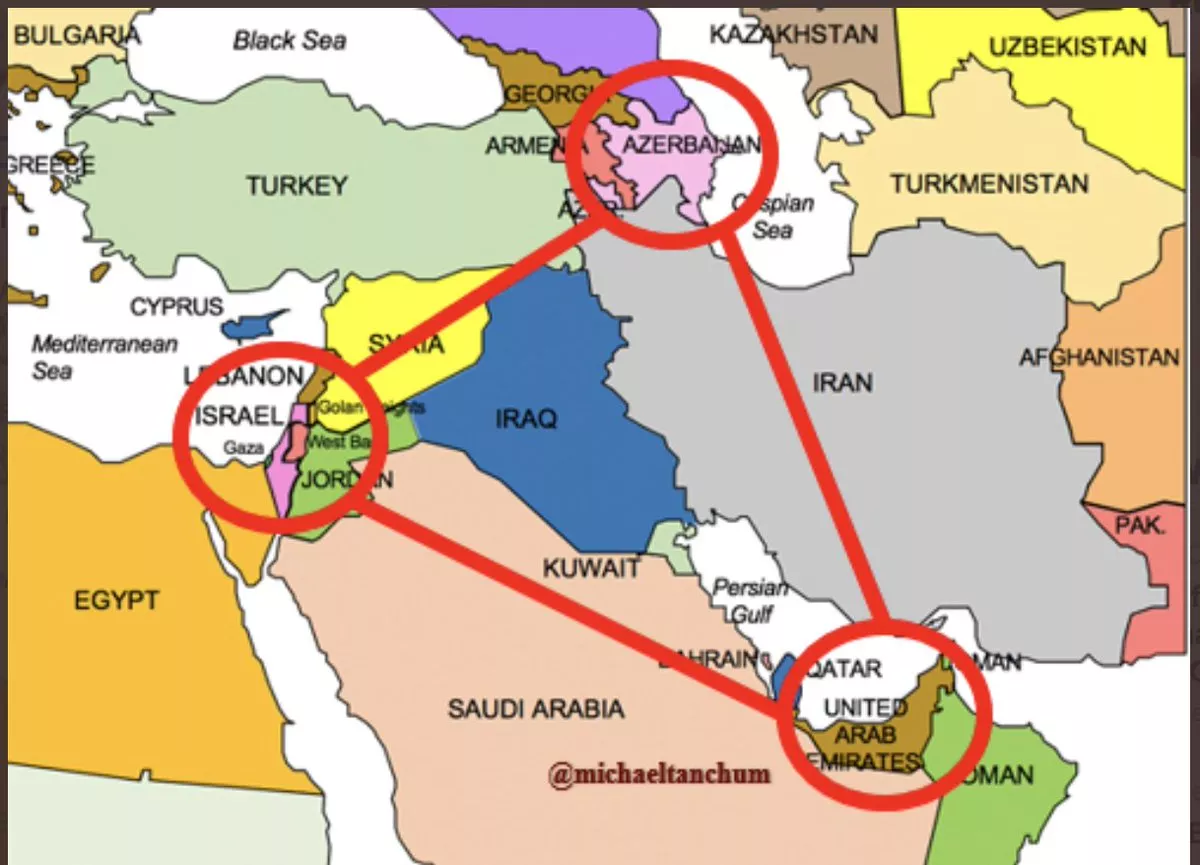
The trilateral relationship spans energy, infrastructure, defense, diplomatic engagement, and shared interests. Azerbaijan’s energy cooperation with the UAE is more than an economic partnership. It is a foundational building block of this broader architecture. Through joint projects in hydrocarbons, renewables, and infrastructure, Baku and Abu Dhabi are knitting tighter economic linkages that extend to Israel through existing energy, defense, and technology cooperation.
As Azerbaijan’s strategic ties with the UAE and Israel deepen, and as frameworks like the Abraham Accords and the I2U2 economic grouping continue to mature, policymakers, particularly in Washington, face a clear choice: modernize outdated policy relics such as Section 907 or risk limiting the ability to engage in a region where energy diplomacy and pragmatic cooperation are increasingly the currency of influence,” Wesley Alexander Hill wrote.







 editor@caliber.az
 +994 55 444-88-98
 Азербайджан, Баку, ул. Низами, 203, Af Business House, 5-й этаж