










Astana and Tbilisi are shaping a new logistics reality Article by Vladimir Tskhvediani
On June 29, 2026, Georgia and Kazakhstan officially formalised their strategic partnership. Irakli Kobakhidze and Kassym-Jomart Tokayev signed the joint declaration in Astana.
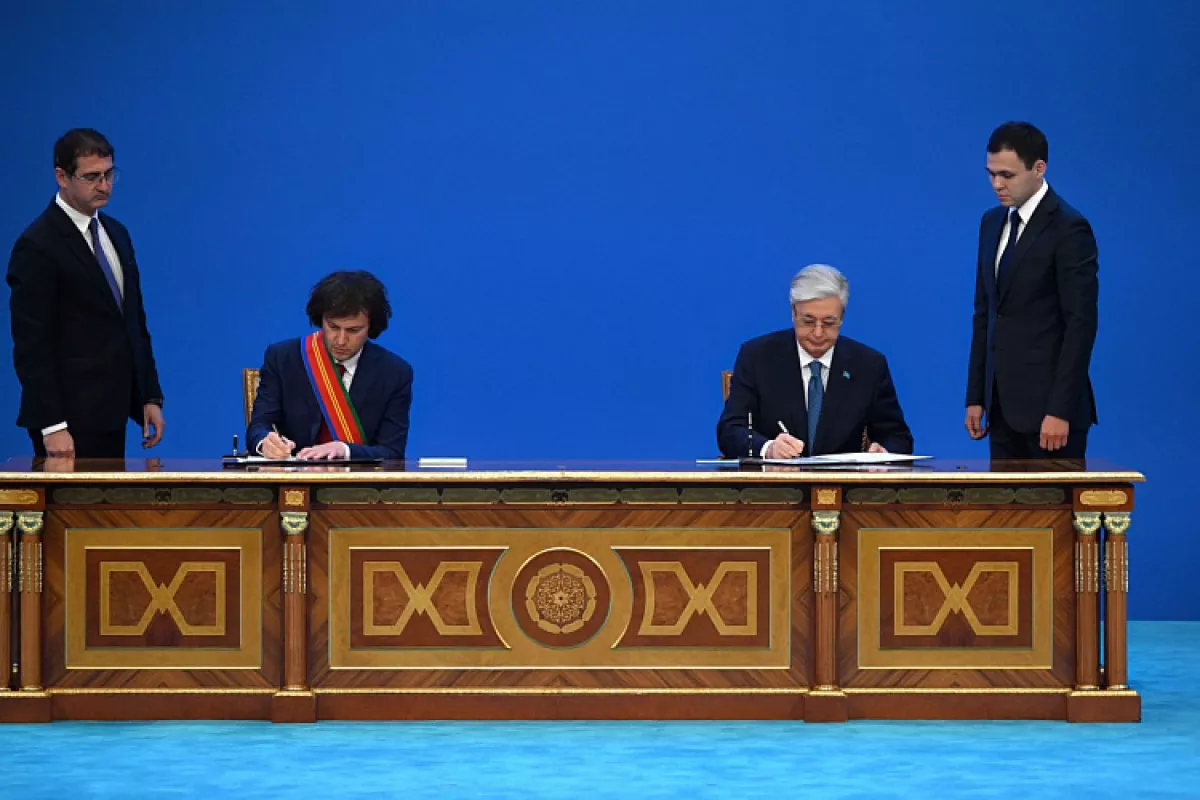
During the official visit of the Georgian government delegation to Kazakhstan, the two sides focused primarily on discussing the prospects for the development of the Middle Corridor.
Today, the strategic partnership between Georgia and Kazakhstan is becoming increasingly important, above all for ensuring secure transit between Asia and Europe along this route. This is particularly significant at a time when the overland route through Russia, once regarded as the most efficient option, has encountered serious challenges as a result of the Russia–Ukraine war.
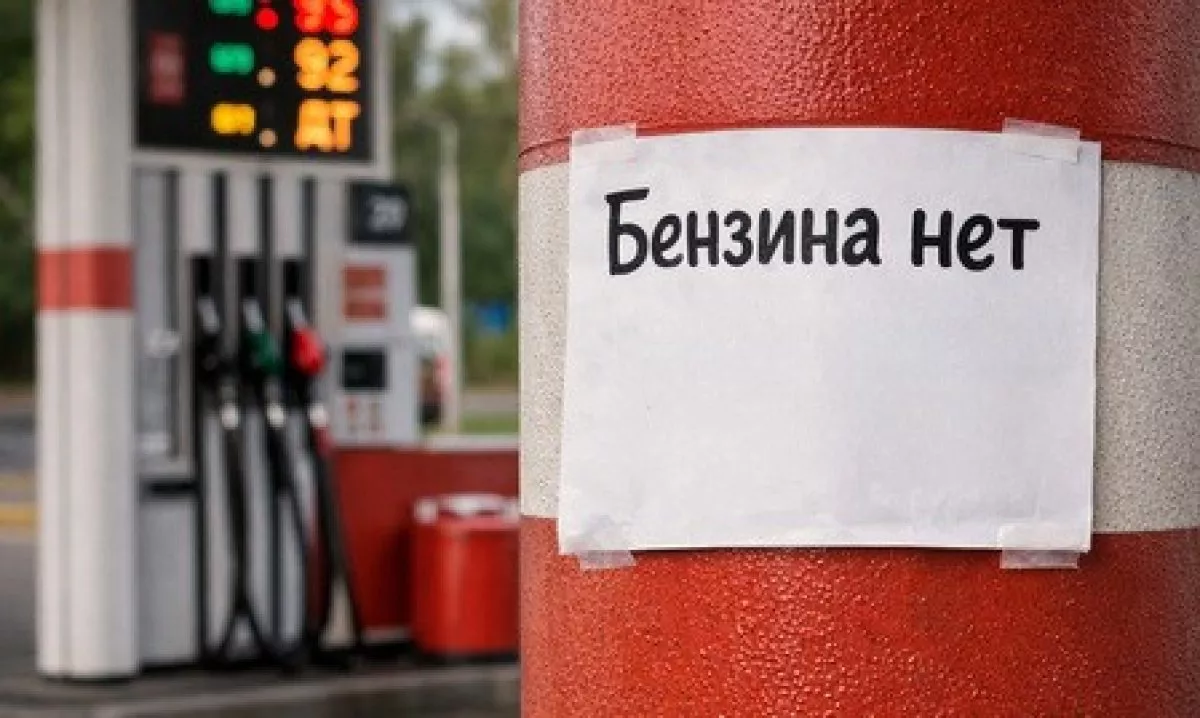
Russia, with its vast territory, is facing a fuel supply crisis caused by shortages that emerged after Ukrainian drone strikes on Russian oil refineries. In a number of Russian regions, filling stations have completely run out of fuel, while others have introduced strict rationing measures on fuel sales.
Fuel shortages are beginning to affect road freight transportation from China and Kazakhstan. On some routes, truck drivers are spending up to a full day waiting in fuel queues, while the average daily distance covered on the China-bound route has fallen from 600–700 kilometres to about 500 kilometres.
So far, Russia's rail transit network has not experienced major disruptions, except in the occupied territories of Ukraine and border regions adjacent to Ukraine. However, the course of the war remains unpredictable. Moreover, if the fuel crisis in Russia continues, part of the country's domestic freight traffic may have to be shifted to the rail network, which would inevitably reduce its capacity for international transit.
As a result, the safest maritime gateway through Georgia is becoming increasingly essential for Kazakhstan. A significant reorientation of transit traffic from China away from the "Northern Route" through Russia and toward the Middle Corridor, also known as the Trans-Caspian International Transport Route (TITR), which runs through Kazakhstan, the Caspian Sea, Azerbaijan, and Georgia, appears virtually inevitable in the near future. This trend is reinforced by the fact that transit volumes along the TITR have increased 3.5-fold over the past five years.
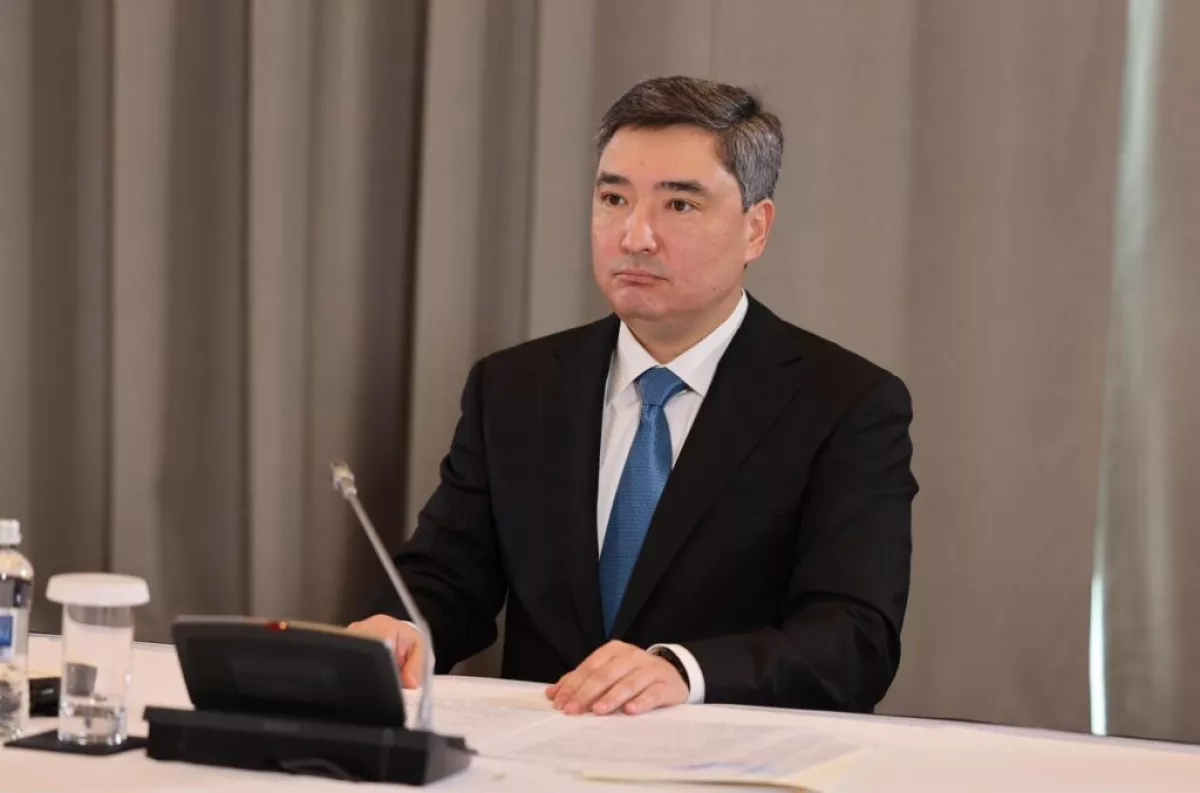
“We also highly appreciate Georgia’s growing role as a regional transport and logistics hub connecting Central Asia, the South Caucasus, the Black Sea region and Europe,” Kazakh Prime Minister Olzhas Bektenov emphasised during his meeting with Irakli Kobakhidze.
According to Bektenov, in the near future, cooperation between Kazakhstan and Georgia could place special emphasis on the following sectors: agricultural processing, petrochemicals, transport services, manufacturing, construction materials production, and logistics.
To date, Kazakhstan has invested more than $500 million in Georgia’s economy and intends to further expand cooperation with Tbilisi. Among Kazakhstan's major investments in Georgia's logistics infrastructure, the most significant is the Port of Batumi, which is controlled by KazTransOil. Kazakhstan is also interested in expanding its presence in Georgia's port infrastructure, particularly in Poti, where Kazakh investors have already established a multimodal terminal.
Kazakhstan is also considering participation in the Anaklia Deep Sea Port project, which is being developed with Chinese support. This is particularly significant given that Kazakhstan works closely with China on the development of transit along the Middle Corridor through Georgia and coordinates its investment projects with Beijing.
Kazakhstan and Georgia have also agreed to step up cooperation in the fields of economic development, investment, transport, digital technologies, and agriculture. The latter is especially important, as fuel shortages in Russia could create an additional challenge for Georgia—ensuring the country's food security.
It is no secret that Georgia relies on Russia for a significant share of its food imports, particularly grain. In 2026, however, Russia's harvest may fall below average due to fuel shortages, logistical difficulties, and unfavourable weather conditions. Kazakhstan, where no major harvest problems are expected this year, could replace Russian agricultural products—especially grain—on the Georgian market.
In 2025, agricultural trade between Georgia and Kazakhstan increased by 77 per cent, exceeding $116 million. This positive trend is expected to continue throughout 2026.
By Vladimir Tskhvediani, Georgia, exclusively for Caliber.Az







 editor@caliber.az
 +994 55 444-88-98
 Азербайджан, Баку, ул. Низами, 203, Af Business House, 5-й этаж