










From Milei to Fujimori: why is Latin America turning right? Article by Matanat Nasibova
In recent years, Latin America has witnessed a clear shift towards right-wing and centre-right politics. Amid a deepening crisis of confidence in left-wing governments—driven by worsening public security, economic stagnation, and social instability—a number of countries across the region have elected new conservative, libertarian, and right-wing populist leaders.
Notably, most of these right-leaning politicians have adopted a hard-line stance on combating crime, reducing the size of the state bureaucracy, and strengthening economic ties with the United States.
To better understand this regional trend, let us take a closer look at several Latin American countries where these political shifts have become particularly evident.
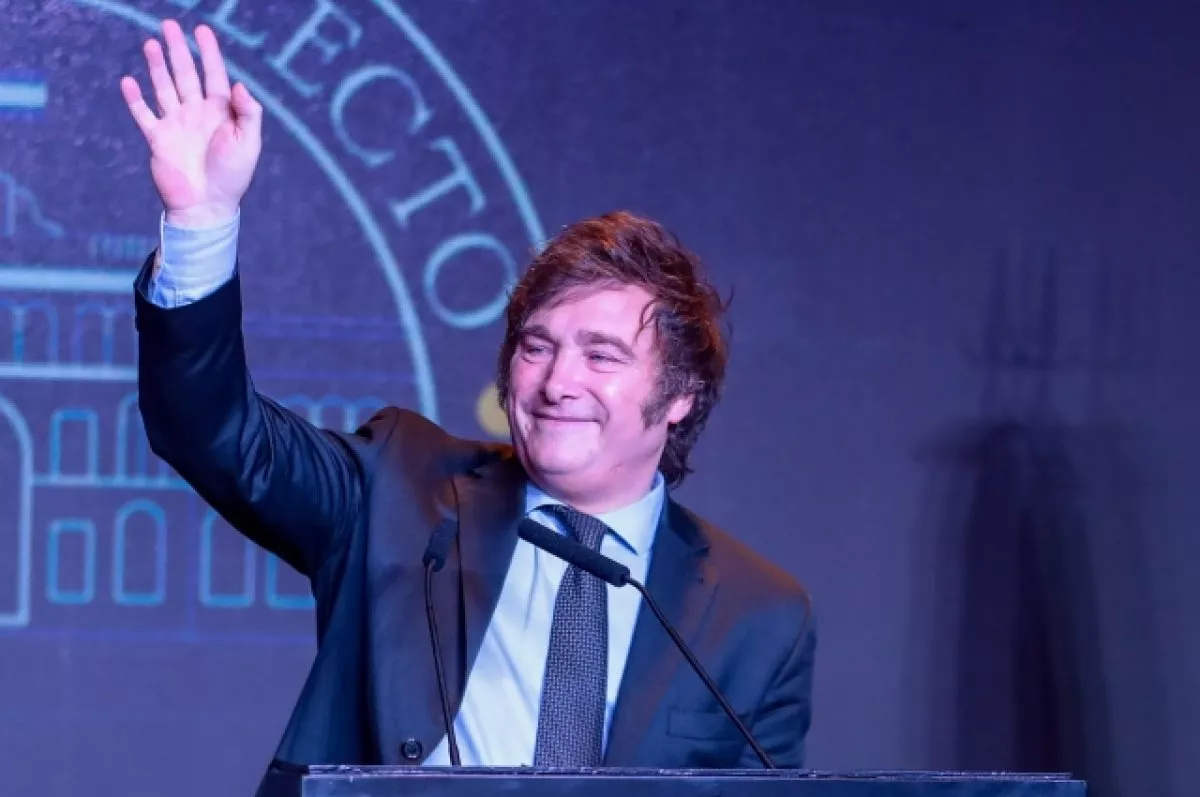
Argentina is currently governed by the right-wing libertarian Javier Milei, who won the 2023 presidential election against the backdrop of the country's deep socio-economic crisis. His victory reflected the frustration of voters exhausted by soaring inflation and endemic corruption, as well as their rejection of the failed policies of Argentina's traditional political parties.
At the time of the election, annual inflation had exceeded 200 per cent, more than 40 per cent of the population was living below the poverty line, and Milei's pledge to implement sweeping economic reforms—including abolishing the Central Bank and adopting the US dollar as legal tender—persuaded millions of Argentines to cast their ballots in his favour.
In another Latin American country, Chile, right-wing candidate José Antonio Kast also came to power following the elections. He secured a convincing victory in the second round by offering clear and tough solutions to pressing social problems, including the mass deportation of illegal migrants and deploying the military to restore public order amid deteriorating security conditions. These proposals resonated strongly with voters. Deeply disillusioned with the left-wing agenda of President Gabriel Boric, the electorate backed Kast as an uncompromising candidate capable of leading the country.
Similar political and socio-economic factors also brought right-leaning forces to power in Bolivia, where the ruling Socialist party was defeated by centre-right and moderate political forces; in Colombia, where candidates from the right-wing camp won the most recent presidential election; as well as in El Salvador, Panama, Honduras, and Paraguay.
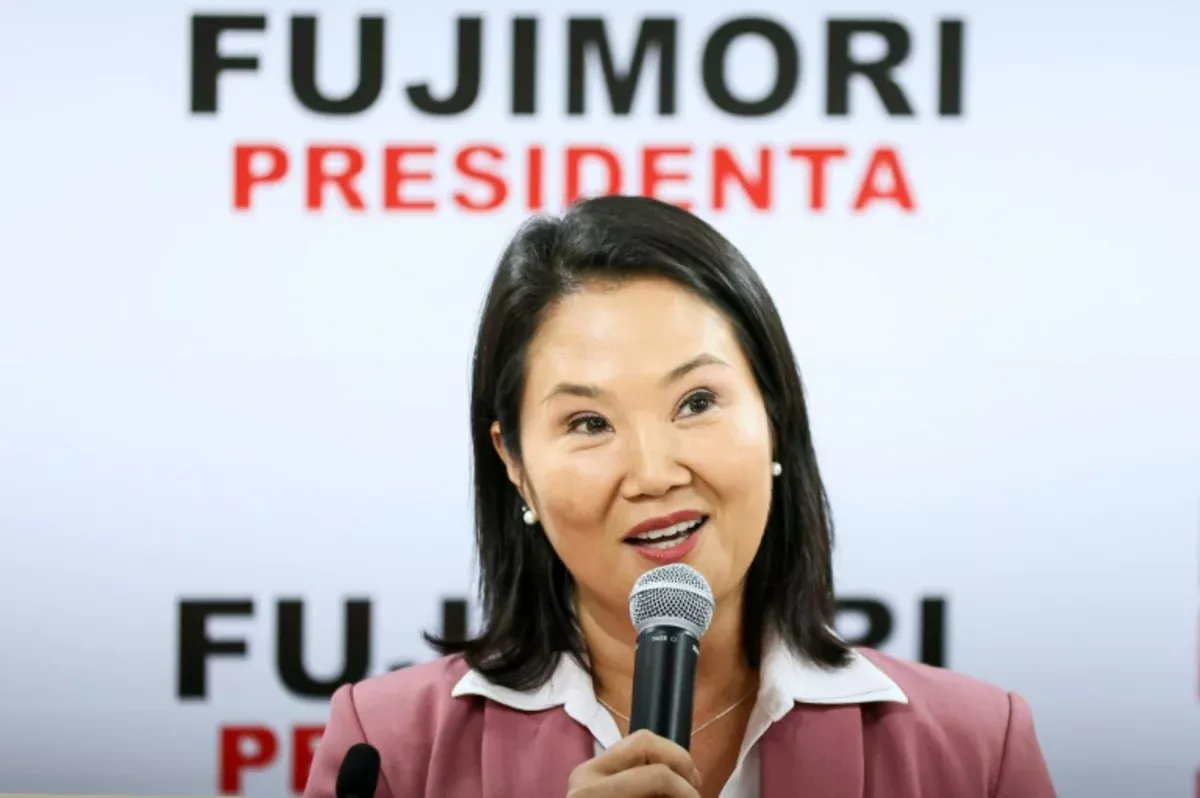
And just recently, this list was joined by Peru, where right-wing forces led by Keiko Fujimori — the daughter of former president Alberto Fujimori — came to power. Alberto Fujimori’s political ideology was initially characterised as centre-right and later as far-right, while his views, commonly referred to as “Fujimorism”, combined neoliberal economics — including tough market reforms, privatisation, and opening the country to foreign investment — with authoritarianism and social conservatism.
According to international analysts, the right regained power in Peru amid widespread public dissatisfaction with the political instability and polarisation associated with left-wing rule. A deep split in parliament triggered a succession of impeachment proceedings, and as a result the country saw eight presidents in a single decade. This was compounded by economic stagnation, inflation, high fuel prices, rampant corruption, and a sharp rise in crime.
Keiko Fujimori firmly pledged during her election campaign to adopt a tough governing approach similar to that of her father, who became known for crushing the Maoist insurgency and bringing Peru's hyperinflation under control. The final results showed that she narrowly defeated Sánchez in the second round of the presidential election by fewer than 50,000 votes out of more than 18 million ballots cast, securing the presidency on her fourth attempt. The razor-thin margin suggests that many Peruvians have not forgotten that her father was convicted of corruption and crimes against humanity committed under the guise of fighting terrorism.
Be that as it may, Peru will once again be led by a representative of the political right, reinforcing the long-standing view among many analysts that the country is fundamentally right-leaning. According to this assessment, left-wing forces have only managed to win power during periods of exceptional social unrest, making their electoral successes largely temporary.
Against this backdrop, the international community's reaction to Keiko Fujimori's victory is particularly noteworthy. Once Peru's National Jury of Elections officially confirmed the results, the country's key Western partners, along with most of its neighbours in the region, recognised the outcome as the legitimate expression of the Peruvian people's will.
For their part, international observer missions, including those from the Organization of American States (OAS) and the European Union, concluded that the elections had been conducted democratically and dismissed allegations of fraud made by the left-wing candidate, Roberto Sánchez. In Washington, Fujimori's victory was widely viewed as further evidence of the broader rightward political shift, although U.S. officials also expressed concern over the deep polarisation of Peruvian society.
Taken together, the broadly positive international response to the outcome of Peru's presidential election suggests that the return of right-wing forces to power — both globally and across Latin America in particular — is increasingly being seen as an established political trend driven by the accumulation of crises in recent years. If this trajectory continues, it may be argued that international politics is gradually moving away from the liberal model and entering what many observers describe as a new era of the political right.







 editor@caliber.az
 +994 55 444-88-98
 Азербайджан, Баку, ул. Низами, 203, Af Business House, 5-й этаж