










The Middle Eastern Singapore: from showcase to target Analysis by Artem Kirpichenok
For a long time, Dubai’s image was carefully crafted as an emirate located in the Middle East, yet somehow apart from it. Just nearby, as the saying goes, wars raged, states collapsed, coups took place, and millions became refugees—but this did not affect the splendid desert oasis, which attracted foreigners not only with its luxury hotels, shopping malls, skyscrapers, and tax benefits, but also with its image as a “Middle Eastern Singapore,” thriving regardless of the chaos surrounding it.
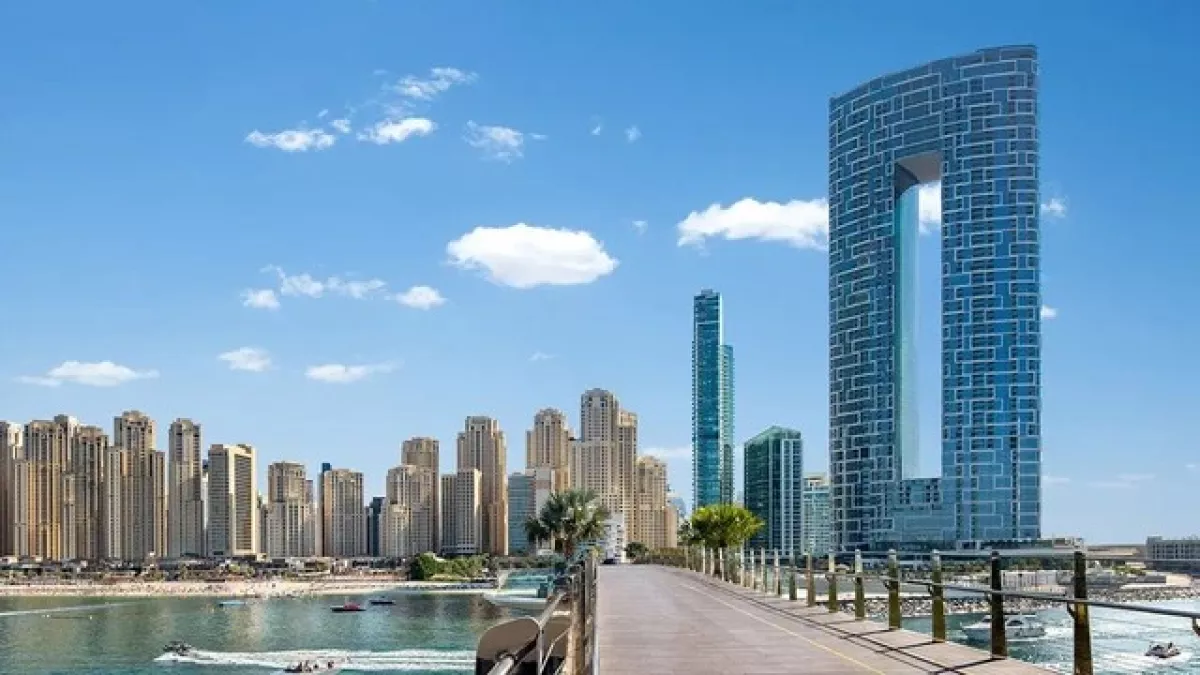
Most foreigners note that the atmosphere in the emirate differs from what they have encountered in other cities of the Persian Gulf—there is a sense of exclusivity and privilege. It should be noted, however, that creating this image took decades. As late as the mid-20th century, one of the world’s greatest cities was still a modest port for fishermen and pearl divers. Then, in 1958, Sheikh Rashid bin Saeed Al Maktoum became the ruler of Dubai, a name now associated with the emirate’s transformation, though not everyone remembers that he was among the first to realise that prosperity could come from more than just oil.
Even before the emirate began receiving revenues from the sale of “black gold,” Maktoum started investing in Dubai’s commercial potential. Under his leadership, work began on building an airport, dredging and deepening the creek, and creating a modern seaport. These initiatives laid the foundation for the city’s modern economic model. While oil still dominated Dubai’s economy in the 1970s, its role gradually diminished as trade, construction, and service sectors grew rapidly. Dubai ceased to be merely a port on the Persian Gulf and became a hub for regional commerce.
New York served as one example for the emirate’s development. According to Sheikh Maktoum, when he and his father, Emir Rashid, ascended the Empire State Building—the tallest building in the world at the time—during the 1960s, they dreamed of making Dubai similarly synonymous with skyscrapers. Decades later, the Burj Khalifa became the tangible embodiment of that vision. Skyscrapers, airports, and luxury harbours all contribute to promoting the “Dubai” brand on the global stage.
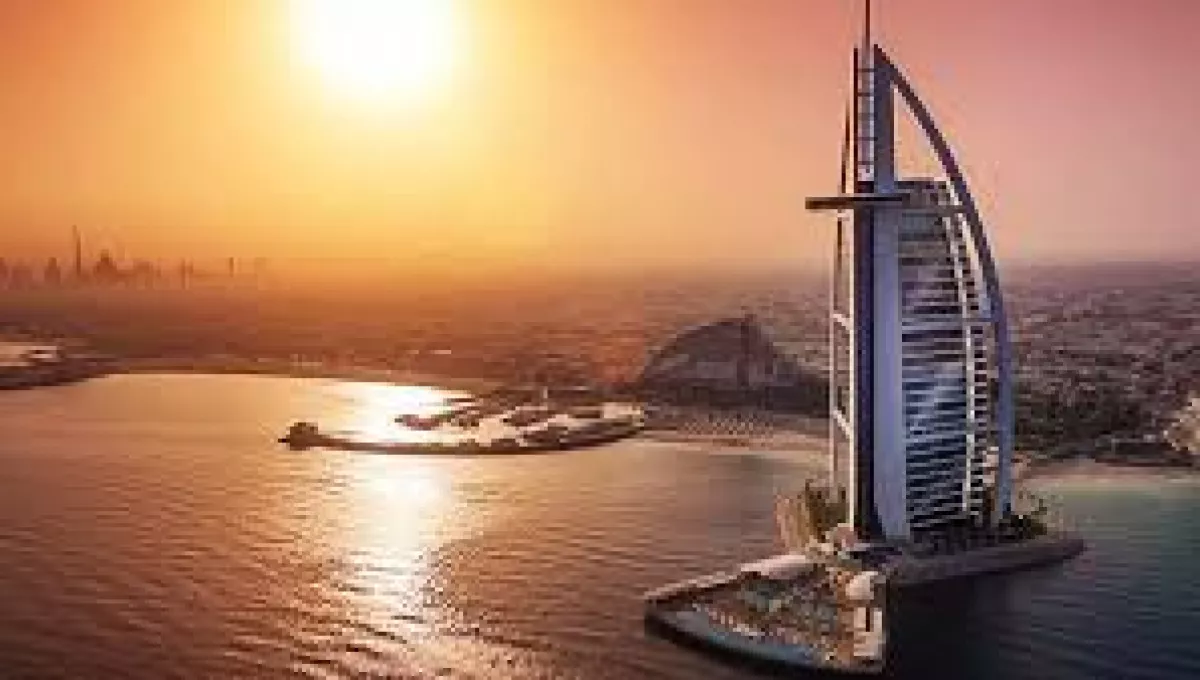
In 1985, Emirates was established, eventually becoming one of the world’s most prestigious airlines. In 1999, the iconic Burj Al Arab hotel, shaped like a sail, opened, and by 2000, foreigners were granted the right to own property in the emirate.
Sheikh Rashid’s successors continued his policies, executing ambitious projects one after another, fulfilling the emir’s dream of Dubai as more than just an oil hub. Today, oil accounts for less than 1% of the emirate’s GDP, replaced by luxury real estate, tourism, financial services, and trade. By contrast, neighbouring Abu Dhabi, which holds over 90% of the United Arab Emirates’ oil reserves, remains largely dependent on the energy sector.
It is noteworthy that Beirut once served as the region’s international financial capital, until civil war erupted in the 1970s, ending its prosperity. Bahrain then assumed that role, but Dubai’s rise eventually pushed it into the background. Each transition was built on the same promise: to provide a stable alternative to the previous financial centre, which had fallen victim to regional instability.
At the same time, Dubai’s prosperity has, to some extent, been built on the instability of other countries. Syrians fleeing civil war, wealthy families displaced by the Arab Spring, migrants from Russia and Ukraine—all brought capital and talent to the emirate. Overall, the UAE’s population has grown from 1 million in 1980 to 11.3 million in 2024.
The foundation of Dubai’s success lies in a model where its geographic location harmonises with tax incentives, logistical capabilities, financial services, and an exceptional quality of life. Yet infrastructure alone is not enough for this model to function seamlessly. As is well known, capital seeks not only profit but also predictability, which is why companies, investors, foreign specialists, and tourists are drawn to the emirate—not just for the opportunities it offers, but for its stability amid surrounding chaos.
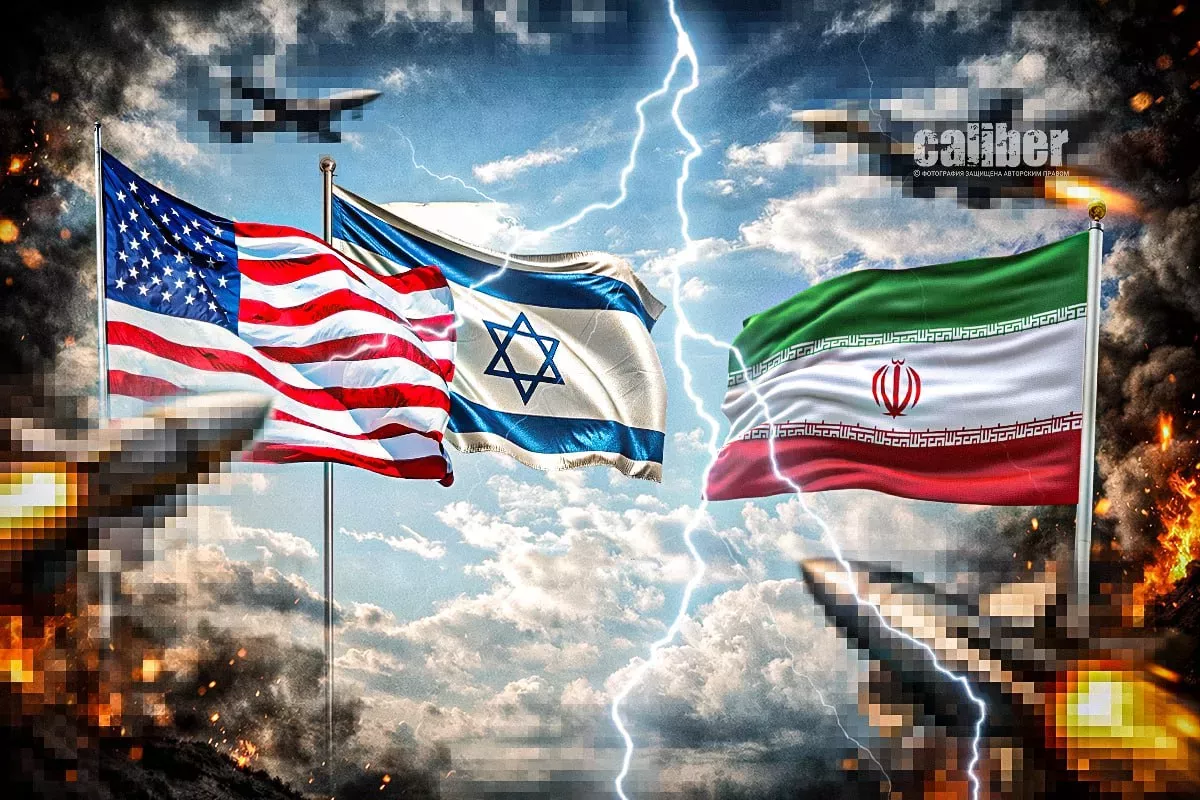
However, the current war in the Middle East has shaken the very basis of this axiom. The fact that Gulf countries have become targets of Iranian attacks has exposed a reality long overlooked: Dubai is, after all, located in the Middle East. Suddenly, the city is no longer a glossy showcase but a target. Missile and drone strikes from Iran have inflicted significant reputational damage, with the world witnessing footage of tens of thousands of tourists and expatriates fleeing amid burning key infrastructure. Dubai’s real estate market has also faced a severe stress test.
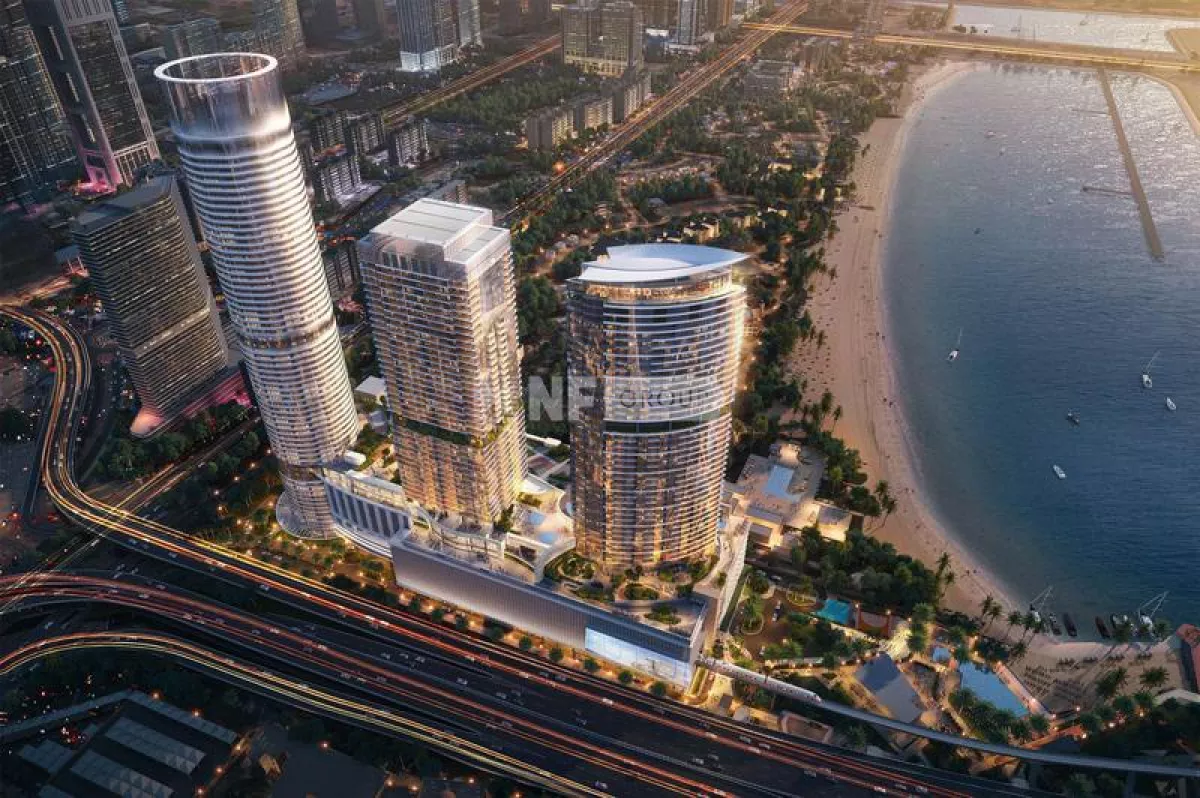
At the same time, experts believe that panic is far from imminent, and some wealthy individuals remain willing to invest in high-end real estate. On March 5, for example, a penthouse in Dubai was purchased for 422 million dirhams ($115 million). Optimists see this transaction as a signal to the market: “big money” still trusts that the emirate’s image can withstand any foreign-policy crisis.
Mohamed Alabbar, head of Emaar, told CNBC that Dubai has weathered numerous crises, and current threats represent only temporary turbulence that will not alter the UAE’s trajectory as a key 21st-century hub: “[...] people with true capital understand that a country like this, with stable leadership and the safety it has shown, can deliver. They will double down on this.”
This view is echoed by Middle East political economy expert Christopher Davidson, who believes the attacks may harm Dubai’s image only in the short term: “But the fundamental factors—its infrastructure, legal framework, climate, and geographic location—remain unchanged. In the long term, its appeal will endure.”
Summing up, the conclusion is clear: it is inaccurate to claim that “Dubai is finished,” but equally premature to assert that “nothing can happen to Dubai.” The emirate remains strong, yet recent events raise pressing questions about the future of the Dubai model.







 editor@caliber.az
 +994 55 444-88-98
 Азербайджан, Баку, ул. Низами, 203, Af Business House, 5-й этаж