










Türkiye-Pakistan-Saudi Arabia: A new power triangle How a flexible partnership boosts influence
A defining feature of contemporary international politics is the rapid strategic shifts and the move away from traditional long-term alliances in favour of more flexible, exclusive forms of cooperation between states. This trend was further confirmed by Pakistan’s Minister of Defence Production, Hayat Harraj, who announced that Riyadh, Islamabad, and Ankara are set to form a trilateral military alliance. According to Harraj, the agreement follows a year of negotiations and will connect the Persian Gulf, the Middle East, and South Asia.
The Pakistani minister’s remarks have raised numerous questions among experts, such as: “Will the new alliance become the core of a permanent bloc capable of influencing the regional balance of power, or will it remain merely a coordinating framework?”; “Will the participants be able to overcome differences in strategic priorities and present a united front to neighbouring countries and international institutions?”; “What role will this partnership play in a rapidly changing world, and what are its prospects for development?”
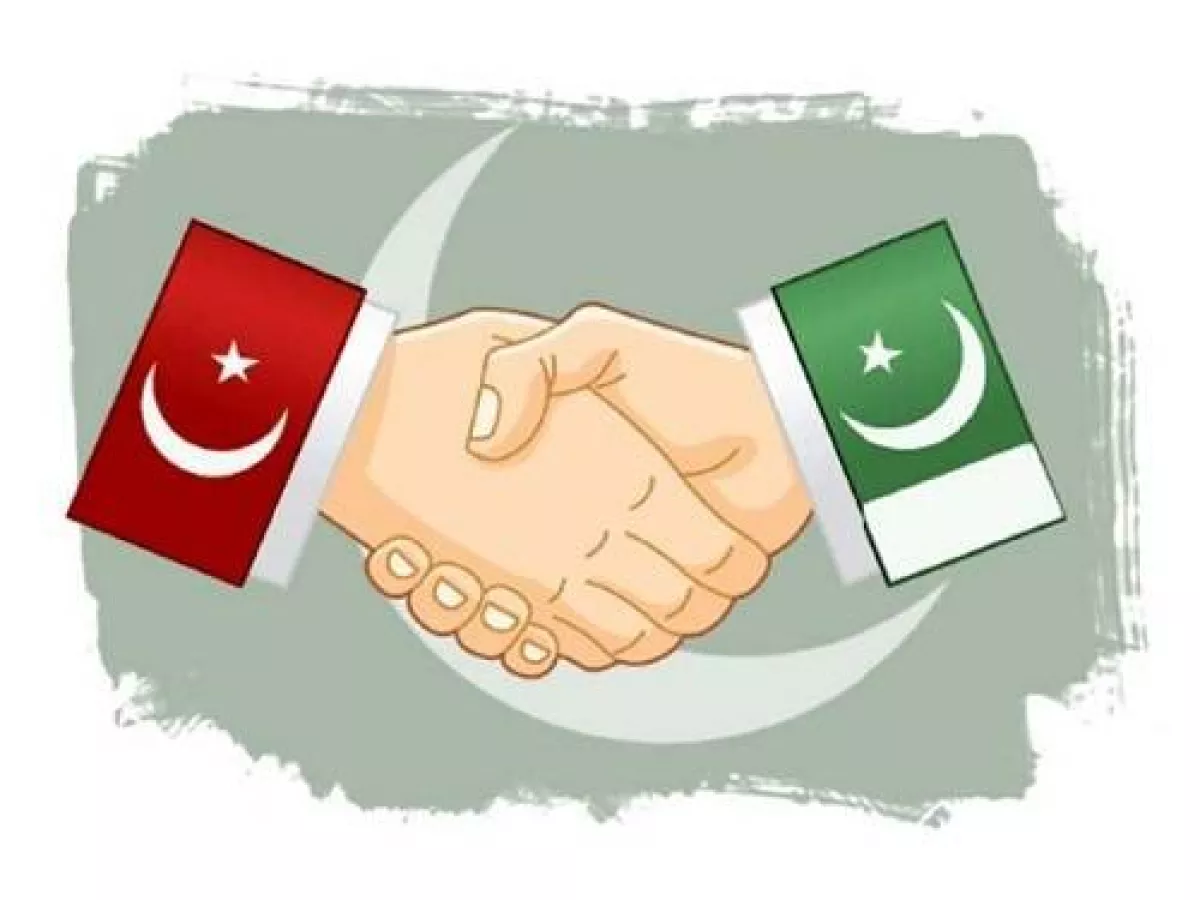
First of all, it is worth noting that this trilateral alliance has deep historical roots. Turkish-Pakistani ties are among the most stable in the Islamic world, tracing back to the support provided by Muslims of the Indian subcontinent to the Ottoman Empire in the late 19th and early 20th centuries—a connection that logically continued after the creation of Pakistan in 1947. During the Cold War, the two countries participated in joint security structures, the most notable of which was the Baghdad Pact, aimed at countering the USSR and India.
After the end of the Cold War, relations between Türkiye and Pakistan evolved into a multidimensional strategic partnership, with a clear emphasis on military cooperation and defence industry collaboration. Türkiye has become one of Pakistan’s leading suppliers of military equipment, particularly drones and naval vessels, and plays a central role in modernising its armed forces. In this context, Ankara sees Islamabad as a “gateway” to South Asia and a friendly nuclear power, while Pakistan regards Türkiye as a reliable partner in its complex engagement with the United States, China, and the Gulf states.
On the other hand, Saudi-Pakistani relations have been characterised by pragmatism, grounded in shared interests in security and the economy. The religious factor has also played a significant role in this rapprochement. Since the 1960s, Pakistan has provided military assistance to the Kingdom, while Saudi Arabia has been a major economic partner of Islamabad, offering financial support, employment opportunities for Pakistanis, and discounted energy supplies.
Following a series of disagreements after the “Arab Spring,” Pakistan-Saudi relations entered a phase of strategic recalibration, driven by the national interests of both states. Notably, the Riyadh–Ankara track has previously experienced significant disagreements, but the two sides have now adopted a policy of dispute resolution and selective coordination on key issues.
Türkiye’s approach to the trilateral alliance, in turn, is based on its pursuit of a multidirectional foreign policy that goes beyond the constraints imposed by its relatively tense relations with some Western powers. For Ankara, an alliance with Pakistan and Saudi Arabia provides an opportunity to strengthen Turkish influence in two strategically vital regions—the Persian Gulf and South Asia. The Republic of Türkiye seeks to expand its military export markets and establish itself as a reliable supplier of weapons and defence technologies within the Islamic world.
As noted earlier, Pakistan represents for Ankara a nuclear power with extensive combat experience, while Saudi Arabia constitutes a strategically important market and source of investment, enhancing the resilience of the trilateral coalition. In this way, Türkiye views the potential alliance as a tool to maximise both its “hard” and “soft” power within a flexible alliance strategy.
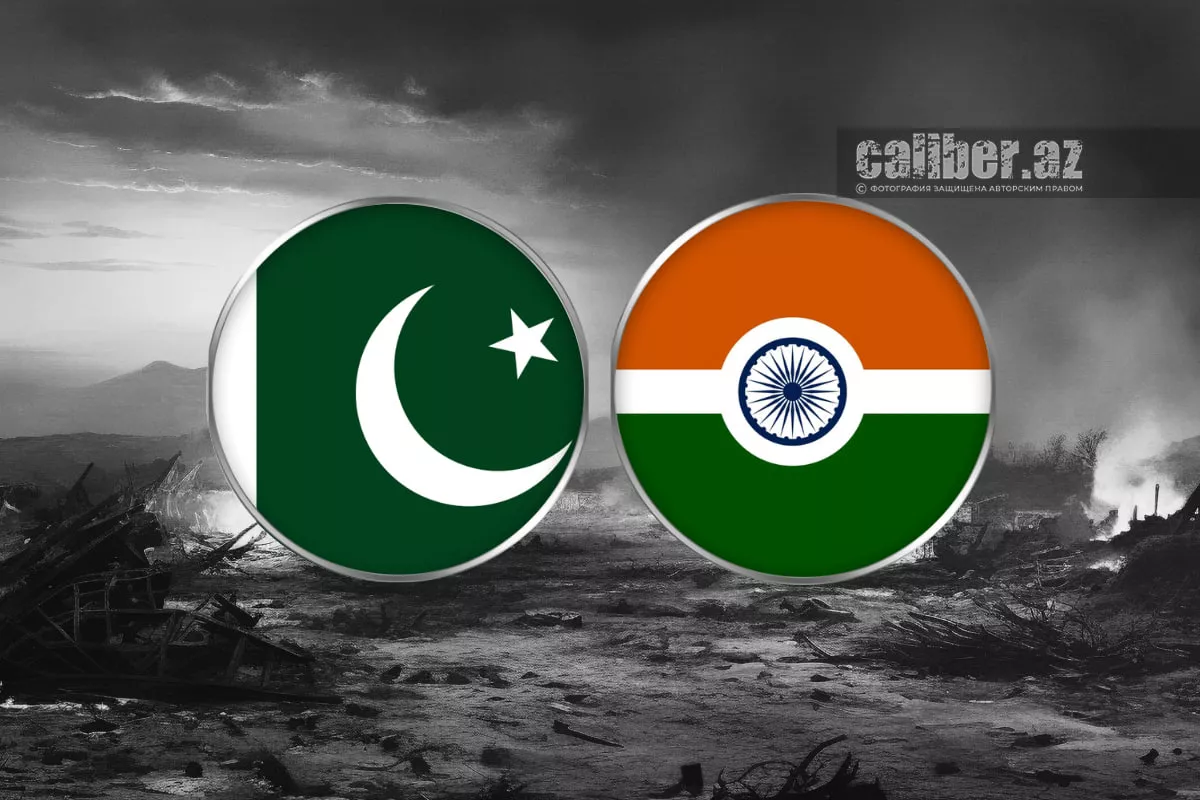
As for Pakistan’s foreign policy, it is shaped by a complex system of checks and balances, driven by the existential threat posed by India. Through this lens, Islamabad views the trilateral alliance as a means to balance the regional power structure and expand its strategic manoeuvring space beyond excessive dependence on China or the United States. For Pakistan, Türkiye is an important ally in military modernisation and the transfer of defence technologies, while Saudi Arabia is a vital partner in economic and energy security.
Thus, Islamabad sees the trilateral alliance as an opportunity to strengthen its position as a key player between the Middle East and South Asia, without entering into a burdensome partnership with any single superpower.
The motives of Saudi Arabia should be viewed in the context of its reassessment of its role in regional and global politics, driven by current global shifts. Regional security remains Riyadh’s primary concern, particularly given challenges in the Persian Gulf and the Red Sea. Cooperation with Türkiye and Pakistan allows the Kingdom to expand its security and defence capabilities, while tectonic shifts in global politics are pushing it to establish flexible relationships with emerging countries capable of providing political, military, and economic support on a mutual basis.
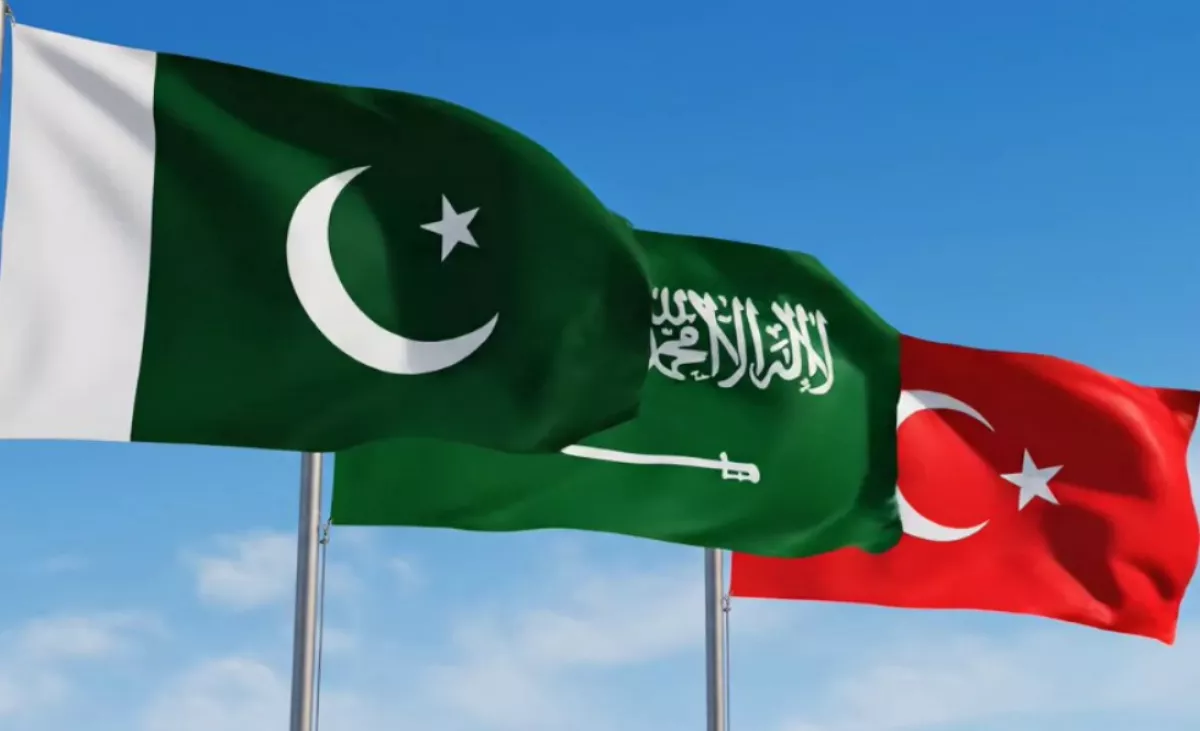
Taken together, all of the above indicate that these three countries are striving for maximum strategic autonomy in a rapidly changing world. They aim to build flexible partnerships and strengthen their defence capabilities and economies without being tied to rigid, ideology-based alliances. While Türkiye seeks to expand its regional influence, Saudi Arabia takes a more cautious approach based on a system of checks and balances, and Pakistan remains primarily focused on national security and its confrontation with India.
Thus, it appears that relations within the alliance will develop within the framework of limited coordination rather than evolving into a comprehensive, long-term pact. This scenario provides high flexibility for all three states, allowing them to benefit from cooperation without committing to strict obligations.
Thus, the proposed trilateral alliance represents a significant factor in shifting the regional balance of power in the Middle East. Its impact will not be immediate, but rather a gradual pressure, with results likely to manifest over the medium term. Military blocs will restrain regional powers from rash actions, while dependence on Western defence and economic structures is expected to decline. Undoubtedly, the Türkiye–Saudi Arabia–Pakistan alliance will attract close attention from neighbouring states; however, the informal nature of the cooperation will prevent any formal claims from being made.







 editor@caliber.az
 +994 55 444-88-98
 Азербайджан, Баку, ул. Низами, 203, Af Business House, 5-й этаж