










Ukrainian question and Europe’s diplomatic weakness From promises to painful concessions
More than three years… Can you imagine—more than three years, an incredibly long period by geopolitical standards, a period that has already claimed and continues to claim an immense number of civilian lives in Ukraine—this is how long it took Brussels to realize something important: the necessity of developing its own peace plan for Ukraine. No matter how you look at it—stand, sit, or just slump.
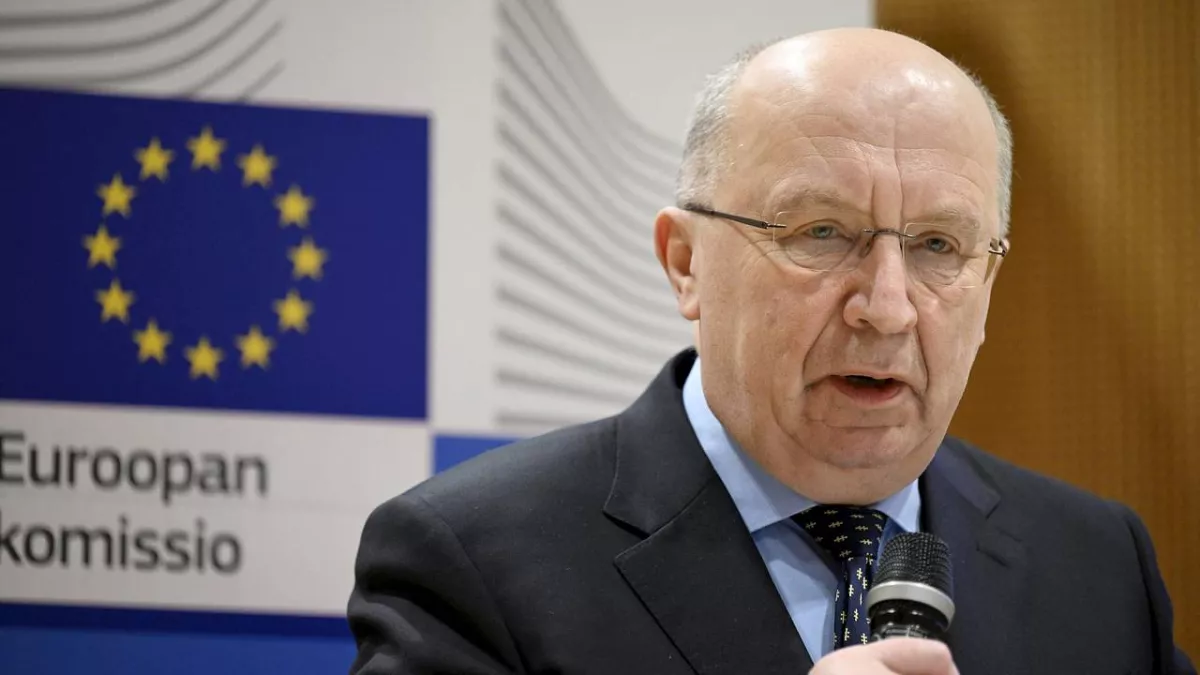
EU Commissioner for Defence Andrius Kubilius frames this through the lens of the EU needing to “overcome some kind of our mental problems that usually we're awaiting when some plans will come from Washington.” But isn’t it at least a little shameful to admit, in effect, one’s own geopolitical impotence?
Apparently, it isn’t—because even after the humiliating criticism from U.S. Vice President J.D. Vance of European policy as a whole, and in the context of the Munich Security Conference (February 2025), Europeans did not bother to take any concrete action in favor of Ukraine, beyond the same old promises to “stand by the Ukrainian people – for as long as it takes.” In other words, even a public, hefty slap in the face from Vance did not push Brussels to develop its own steps toward Kyiv.
And what was implied by the repeated statements from the German Chancellor about supporting Kyiv “for as long as it takes” when, on December 2, German Foreign Minister Johann Wadephul stated that Ukraine might be forced to make “painful concessions” in the war with Russia?
Moreover, without any sense of shame, Wadephul calmly defines the task of diplomacy as “developing compromises that can sustain both sides of the conflict.”
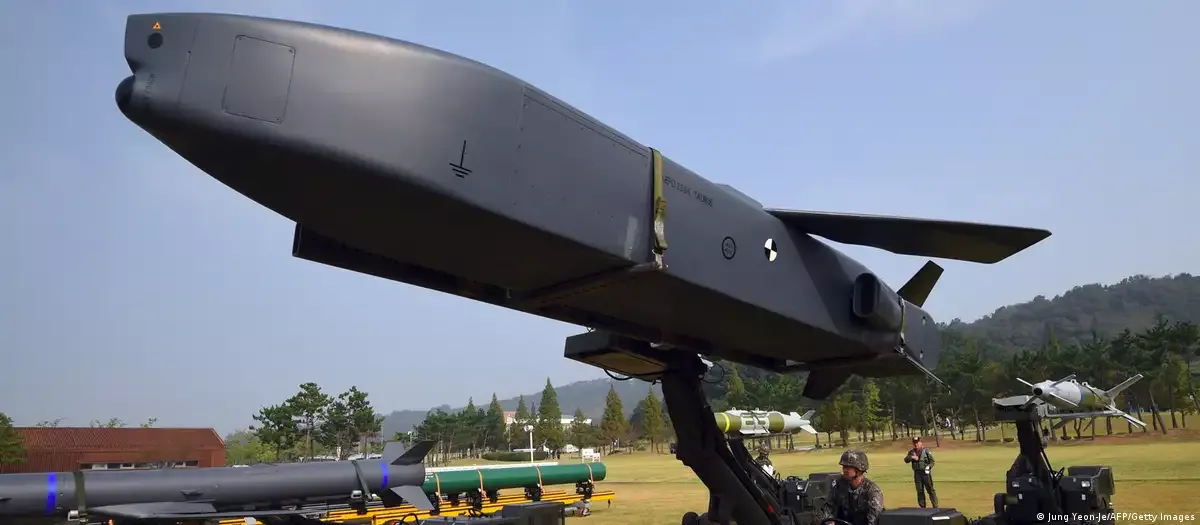
The question arises: if we are talking about compromises, what limits are Berlin even willing to consider that might come at the expense of Kyiv’s interests? And why has this only been raised now? After all, Ukrainians are still asking today about the promised “Taurus” systems. Similarly, in Kyiv, Dnipro, and Odesa… people continue to hear only promises of some idea of creating a reparations credit, under which Brussels supposedly intends to provide financial assistance to Ukraine over two years, using nearly €200 billion from frozen Russian assets.
Fortunately, Kubilius boldly claims that “such an amount of financial support maybe could convince Putin that he will not achieve anything.” But in reality, this decision is being blocked by Belgium—a country that holds a significant portion of Kremlin assets. The Belgian government openly insists that other EU members should share the risks “due to potential retaliatory measures from Moscow.”
Isn’t that absurd? Has Belgium only just raised this issue?
For now, one thing is clear: the meeting on this matter has been postponed by European leaders to…December 18. But why wait two weeks, when Ukrainians are facing enormous difficulties on the battlefield? Let’s be honest: if the Belgians refuse to support the “reparations format” today, how is Brussels (in this case, acting as Belgium’s capital, not the EU as a whole) supposed to change its position in just two weeks? And if it does, why must such a long wait be necessary?
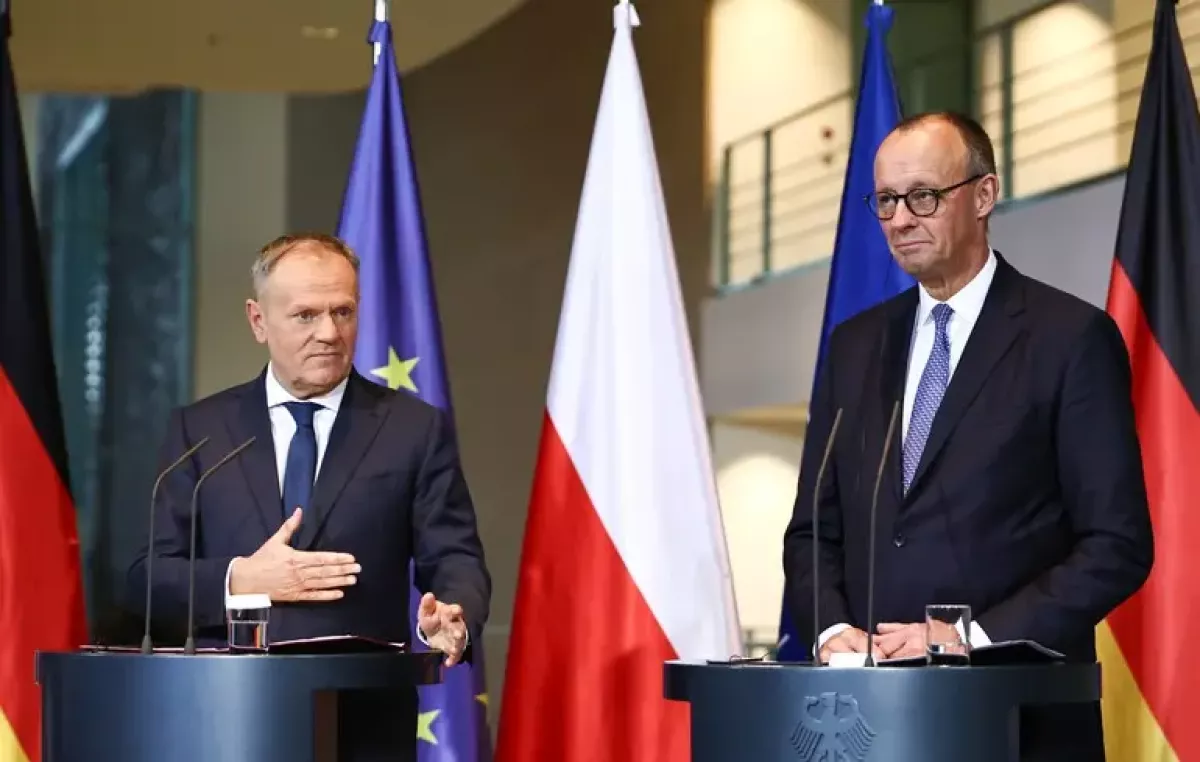
Questions, questions, questions… and still no answers. Although, perhaps the truth is far more mundane. For example, on December 1 , Chancellor Merz and Polish Prime Minister Donald Tusk discussed not the extremely difficult situation facing Kyiv, but an entirely different aspect of reparations—possible payments by Germany to surviving Polish citizens who suffered under German actions during World War II.
“Act quickly,” Warsaw urged Berlin.
Undoubtedly, resolving Polish–German issues is important. But the fact remains: why couldn’t this discussion be postponed, say, to December 18, while the topic of a “reparations credit” from Russian assets be considered within a couple of days? Too busy, perhaps…
Yes, someone might object that just a few days ago Berlin announced the immediate allocation of an additional €170 million to Kyiv for winter aid and increased the total 2026 military and financial support budget to €11.5 billion (plus €3 billion on top of previously planned funds). But how much can these figures—impressive though they may sound—truly compensate for what Wadephul described as Ukraine’s “painful concessions”—territorial, of course? And how will this be received in Ukraine?
A paradox, to say the least. Russia’s war against Ukraine has lasted more than three years. And now Brussels (this time, in the context of the EU capital) suddenly remembers the need for a European peace plan for Ukraine.
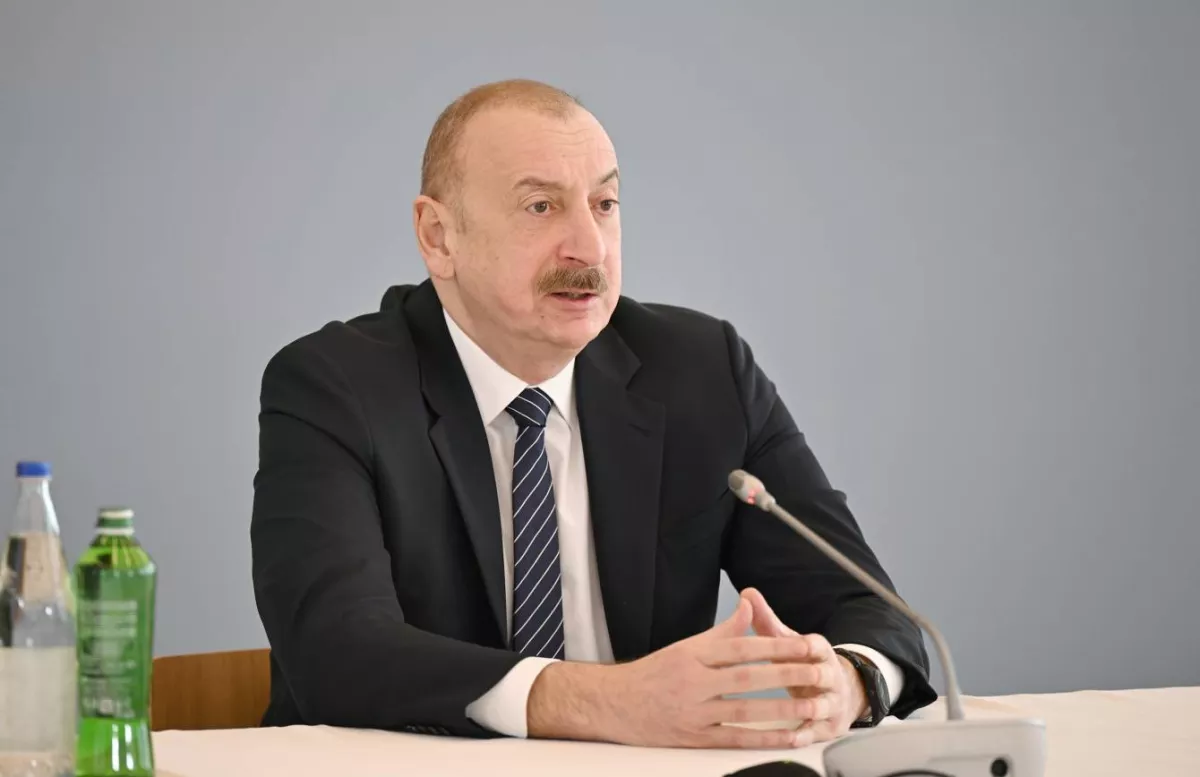
It is worth recalling the words of President Ilham Aliyev, spoken in April of this year regarding the Russia–Ukraine war. The head of state emphasised Baku’s longstanding support for Ukraine’s territorial integrity and sovereignty and noted that a ceasefire alone never stops a war. At the same time, he stated that no country—“at least in my understanding”—would agree to compromise on the issue of territorial integrity.
Therefore, expecting Ukraine to “agree that they will sacrifice their internationally recognized territory in exchange for peace is not fair and not realistic.”
Following this, the leader of Azerbaijan emphasised that, as a realist, he does not “see, in the foreseeable future, any prospect for peace between Ukraine and Russia.” To elaborate, President Aliyev stated:
“Russia has declared occupied territories as part of Russia. How can they step back from that? Ukraine considers, as the whole world does, these occupied territories as part of Ukraine, and Azerbaijan considers them as part of Ukraine. How can they sacrifice and say, ‘No, it's not part of Ukraine’? Well, if it happens, then it means that I do not understand anything about international politics.”
Unfortunately, as our head of state summarised eight months ago, “wars end when there is a final capitulation act.”
We have repeatedly noted that world leaders, at least in their own interests, should study the position of President Ilham Aliyev. Perhaps then, EU commissioners would not have “remembered” the importance of a peace plan for Ukraine only on December 2, 2025.







 editor@caliber.az
 +994 55 444-88-98
 Азербайджан, Баку, ул. Низами, 203, Af Business House, 5-й этаж