










Charter for a strategic future Azerbaijan and US sign landmark partnership agreement
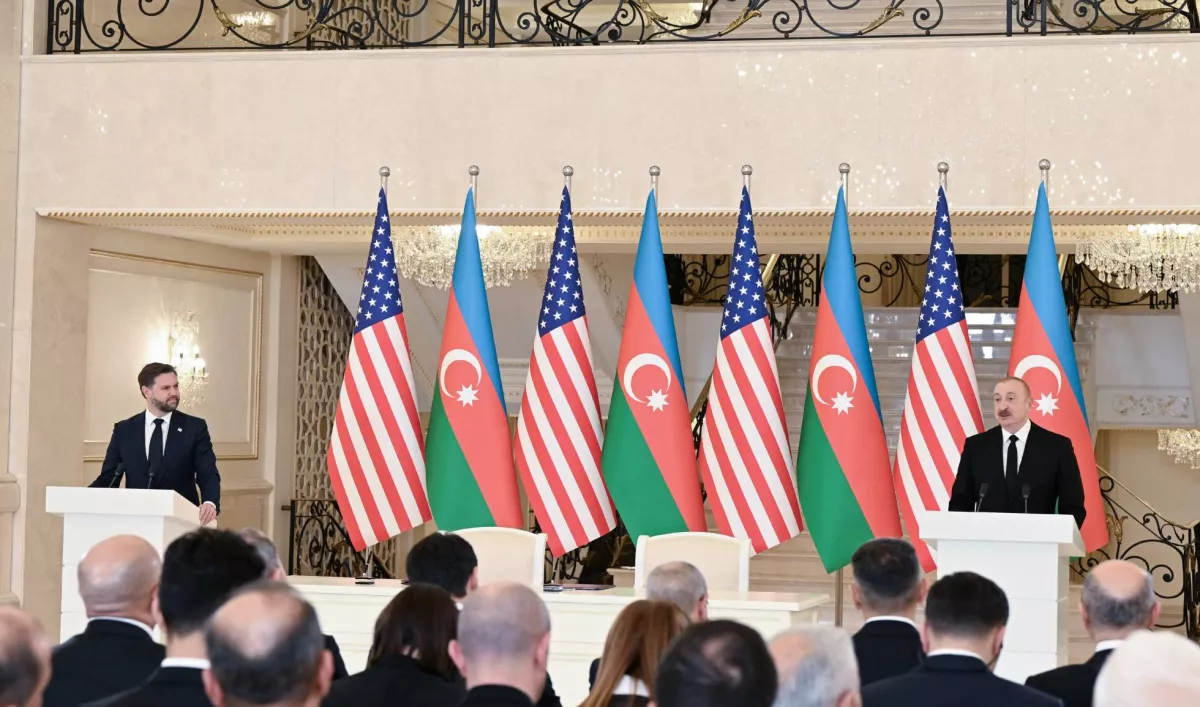
The breakthrough achieved last August on the Azerbaijan–U.S. track has opened up unique opportunities for the development of bilateral business relations. Since then, four Azerbaijani delegations have visited Washington, and this week, a high-level delegation from the U.S. Chamber of Commerce arrived in Baku. Following the decisions made six months ago, a working group was established to develop the Charter of Strategic Partnership between Azerbaijan and the United States. Work on this document has now been completed: during the meeting held on February 10 in Baku between President of Azerbaijan Ilham Aliyev and U.S. Vice President James David Vance, who visited the country, the strategic charter was officially signed.
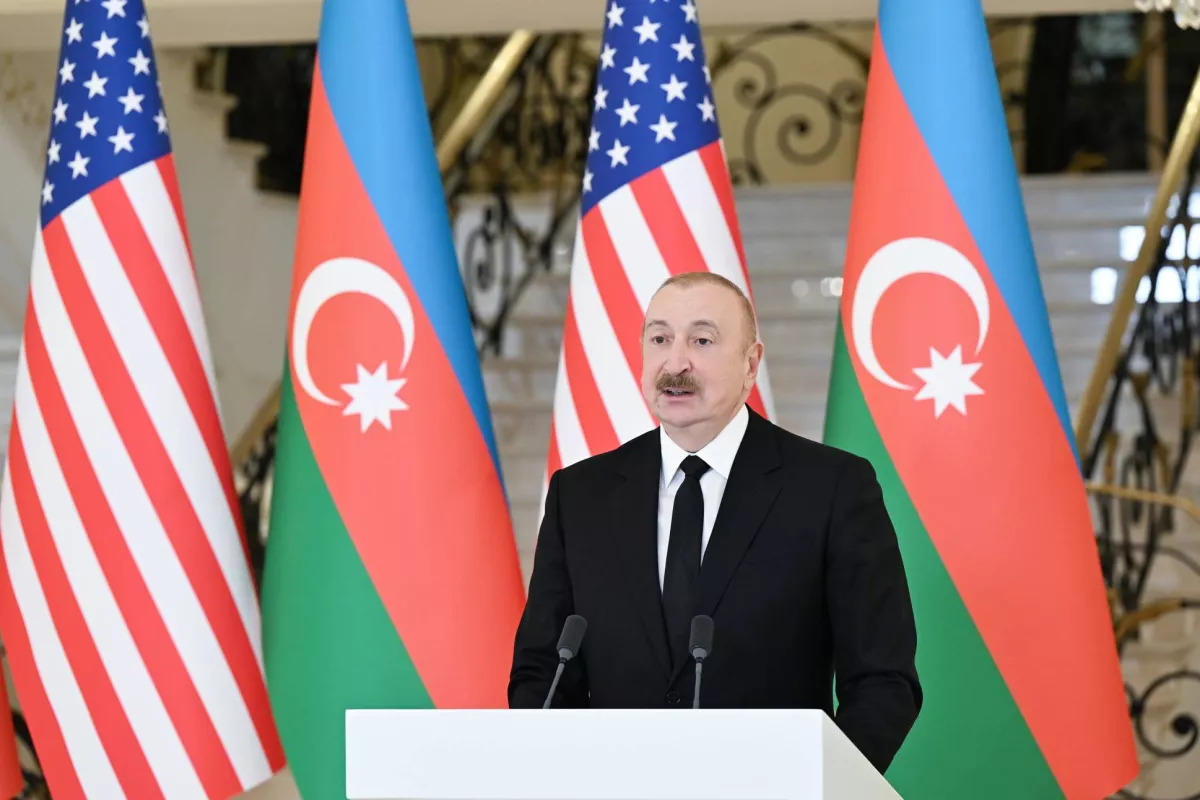
“Six months ago, a historical meeting in Washington with President Trump and the signing of a document to establish the working group to elaborate the Charter on Strategic Partnership opened new opportunities for bilateral cooperation,” said President Ilham Aliyev, speaking to the press alongside U.S. Vice President Vance. “Today, relations between the United States and Azerbaijan are entering an absolutely new phase. In the Charter, which we signed with our dear guest, there are different directions of our cooperation.”
Alongside strengthening the international standing and political status of Azerbaijan, the signing of this strategic document is intended to give momentum to the implementation of joint initiatives aimed at expanding business partnerships and trade between the two states. These areas are detailed in the sections of the signed Charter: the preamble highlights the commitment to strengthening relations, including the development of regional connectivity, attracting investment into the economy, cooperation in the energy and technology sectors, and in security.
The two countries intend to work on improving the business climate, as well as trade and investment flows, to advance bilateral economic relations, building on the productive history of Azerbaijan–U.S. cooperation. Examples include Baku and Washington’s partnerships in projects such as the Contract of the Century and the Southern Gas Corridor, which have benefited both sides and the region as a whole.
Specifically, Section I of the document outlines the intentions of the United States and Azerbaijan to work together to promote regional connectivity, with a focus on the Trans-Caspian Transport Corridor (the Middle Corridor), including through cooperation in the development of land, sea, and air transport infrastructure, energy and information connectivity, facilitation of trade and transit, customs control and border crossing, international multimodal logistics, and other related areas.
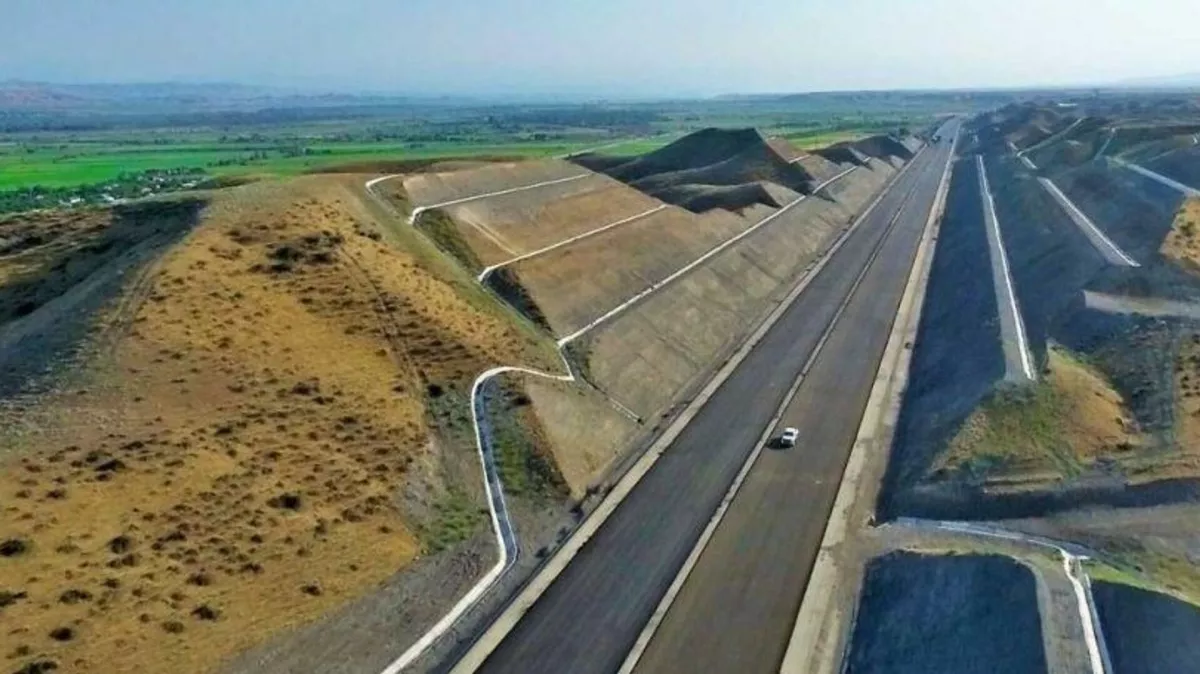
The parties first and foremost recognise the significance of the Trump Route for International Peace and Prosperity (TRIPP) as a multimodal connectivity project designed to ensure seamless links between mainland Azerbaijan and its Nakhchivan Autonomous Republic (NAR). This initiative contributes to the development of international and domestic connections among the countries involved, while unlocking the region’s potential for international trade and transit.
Today, against the backdrop of rapidly growing demand for freight transport between China, the Central Asian countries, and Europe, the implementation of TRIPP (a component of the Zangezur Corridor) enhances the capacity of the Trans-Caspian International Transport Route (TITR), with total cargo handling on new railway lines expected to increase to 15 million tonnes per year. The United States fully supports these efforts, and it is unsurprising that Azerbaijan and the European Union are now discussing the inclusion of the Zangezur Corridor in the Trans-European Transport Networks (TEN-T).
Equally justified is the European Commission’s interest in initiatives to establish a transport and logistics hub in the NAR, where design and reconstruction work on 188 km of railway infrastructure has already been completed.
Equally important is the point in the Charter according to which the United States intends to expand energy cooperation with Azerbaijan, including in the oil, gas, and electricity sectors, on both bilateral and multilateral bases, with the aim of implementing joint projects such as interconnector initiatives, supply route diversification, and deepening cooperation in civil nuclear energy.
“We will continue to work on issues related to energy security. Azerbaijan today provides energy security through its natural gas resources to 16 countries, 11 of them being NATO members, allies of the United States,” President Ilham Aliyev emphasised in his statements to the press.
Political support and business partnership with the United States are extremely important for advancing prospective initiatives, such as the future creation of a Trans-Caspian gas pipeline to increase supplies of “blue” fuel to Europe. Washington and Baku are also prepared to cooperate in expanding renewable energy capacity and electricity transit.
Among the shared interests of the two countries is the development of a “green” energy corridor from Azerbaijan to Europe: in December 2025, the Black Sea Interconnection Cable project was included by the European Union in the list of Projects of Mutual Interest (PMI).
Another important point of the Charter highlights the two countries’ commitment to partnership in the high-tech sector. This includes supporting U.S. companies in developing artificial intelligence (AI) in Azerbaijan, cooperation in the space industry, investment in digital infrastructure, and the joint implementation of data centre projects.
The strategic document also outlines the readiness to establish Azerbaijan–U.S. specialised mechanisms, such as tools to support joint R&D, innovation bridge platforms, and sectoral initiatives in cybersecurity, as well as the promotion of private venture capital, support for startups, and partnerships in training a qualified workforce for the IT sector.
The document also notes that Azerbaijan and the United States may, within the existing framework of the strategic partnership, establish working groups for areas of cooperation, including the economy and trade, energy, connectivity, AI and digital development, and more. Within three months of the signing of this Charter, the respective working groups intend to identify a list of projects and roadmaps for their implementation.
The relevant structures of both countries plan to hold regular meetings at least once a year under the framework of this Charter and may create additional dialogue platforms as needed.
Notably, the areas outlined in the Charter represent far from a complete list of promising directions where Azerbaijani and U.S. business circles plan to engage in fruitful cooperation in the coming years. In particular, as part of the U.S. Chamber of Commerce business mission, the Central Bank of Azerbaijan and the State Oil Fund of the Republic of Azerbaijan (SOFAZ) recently organised a roundtable on “Finance and Investment.” The forum emphasised the importance of expanding cooperation with American banks and specialised companies to exchange advanced technologies and expertise. Among the priorities for partnership with U.S. companies are the digitalisation of the banking sector and operational systems, the development of cross-border payment infrastructure, and related areas.
During recent business meetings of U.S. Chamber of Commerce representatives at the Ministry of Health of Azerbaijan, discussions focused on opportunities for exchanging expertise and know-how from American companies, their participation in the implementation of innovative medical technologies in Azerbaijan, and cooperation in the pharmaceutical industry and medical education.







 editor@caliber.az
 +994 55 444-88-98
 Азербайджан, Баку, ул. Низами, 203, Af Business House, 5-й этаж