










Nine parties against Georgian Dream A new alliance with an old agenda
On 2 March, after several months of negotiations, nine opposition parties linked to former President Mikheil Saakashvili formally united in an alliance called “Unity for Victory.” The alliance includes the parties Akhal, Girchi, Droa, Unity – National Movement, European Georgia, Strategy Agmashenebeli, Federalists, Freedom Square, and the National Democratic Party.
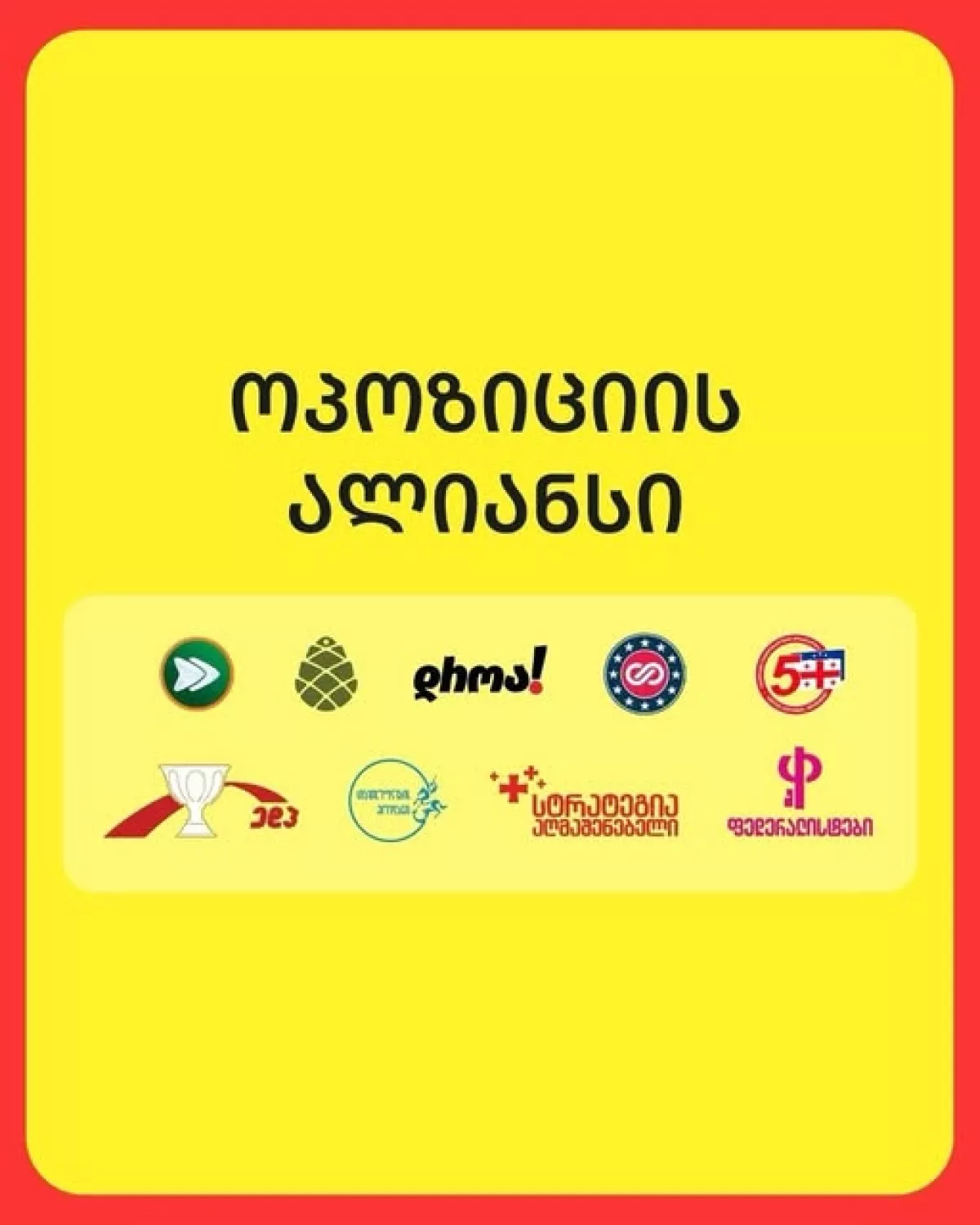
According to their first joint statement, the alliance’s goal is “to overthrow the authoritarian regime of Bidzina Ivanishvili, restore Georgia’s Euro-Atlantic course, and ensure democratic governance, security, and the well-being of its citizens.”
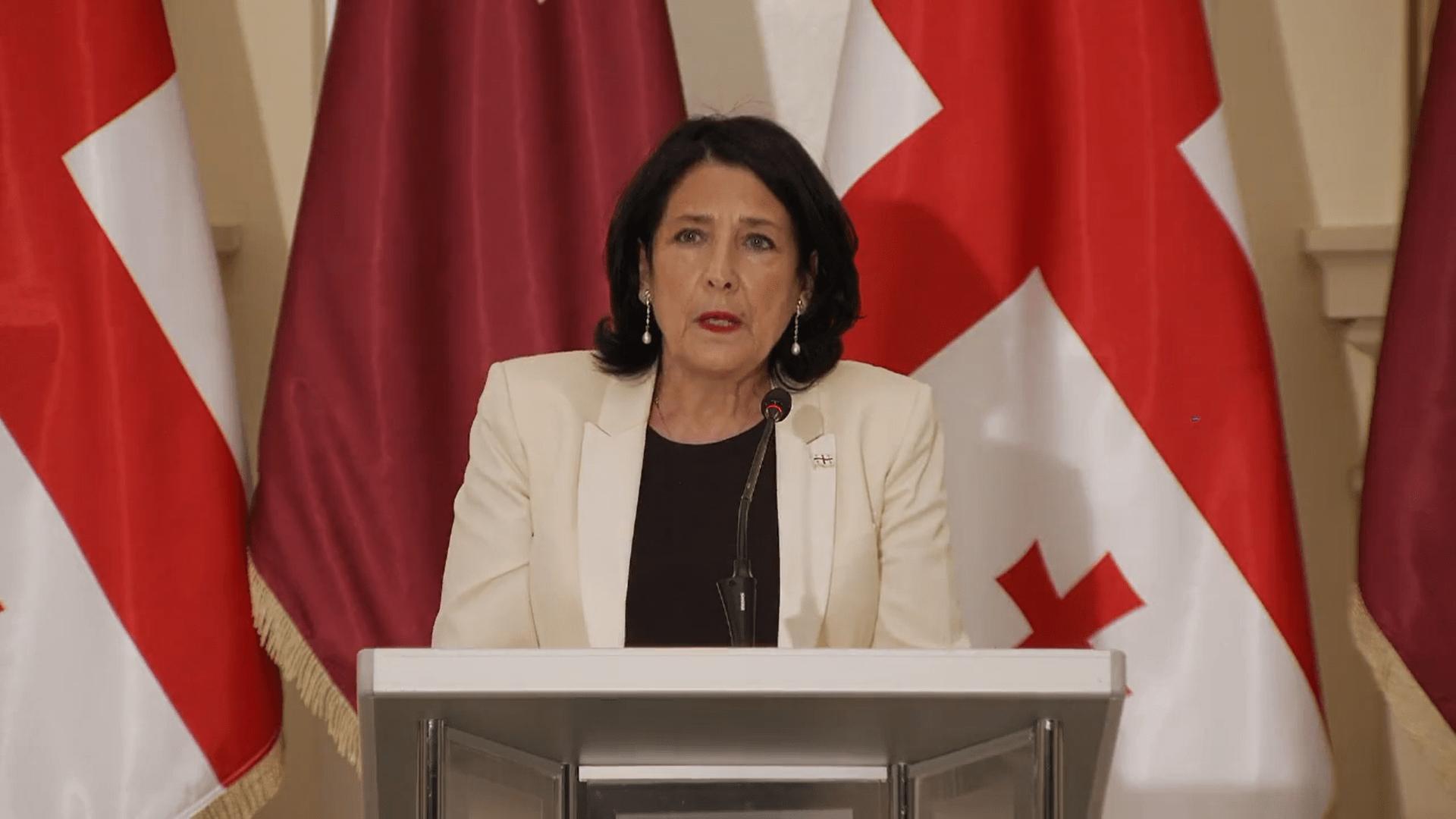
“The opposition alliance will fight to the end—until the release of political prisoners and victory in free and fair elections,” the statement says. The formation of the alliance was also supported by former President Salome Zourabichvili.
Had such a union been formed a year ago, it might still have had an impact on the domestic political situation. At that time, the “non-recognition” of the October 2024 parliamentary election results and the “legitimacy” of the Georgian Dream government, as well as calls for new elections “under external oversight,” enjoyed some support among the public. Moreover, the international environment was less tense.
Last year, there was still potential for mass street protests, as demonstrated by the events of October 4, 2025. On that day, which coincided with local elections, the opposition that boycotted the vote once again tried to use the “street” as a tool to pressure the authorities.
Today, however, Georgia’s pro-Western opposition and its actions have virtually disappeared from both domestic and international news agendas. Against the backdrop of events surrounding Iran, Georgia is increasingly seen as a “beacon of stability.” In this role, it has become sought after by various centres of power—from the United States to China and Russia. The importance of transit routes through Georgia and the South Caucasus, including air corridors, has grown significantly.
Opposition politicians who had relied on coming to power through destabilisation have lost relevance even for external partners. “Revolutionary” scenarios in Georgia are now unwanted by anyone. Especially given the escalating situations in Ukraine and the Middle East, no one—including EU countries, whose economies are increasingly affected by prolonged conflicts—wants the emergence of a “second” or “third” front in the South Caucasus.
The next elections, where the opposition could once again compete for voters’ support within constitutional frameworks, are still a long way off. By that time, the current leaders and their alliances risk losing political significance. It is also possible that Salome Zourabichvili may finally bring her active political career to an end.
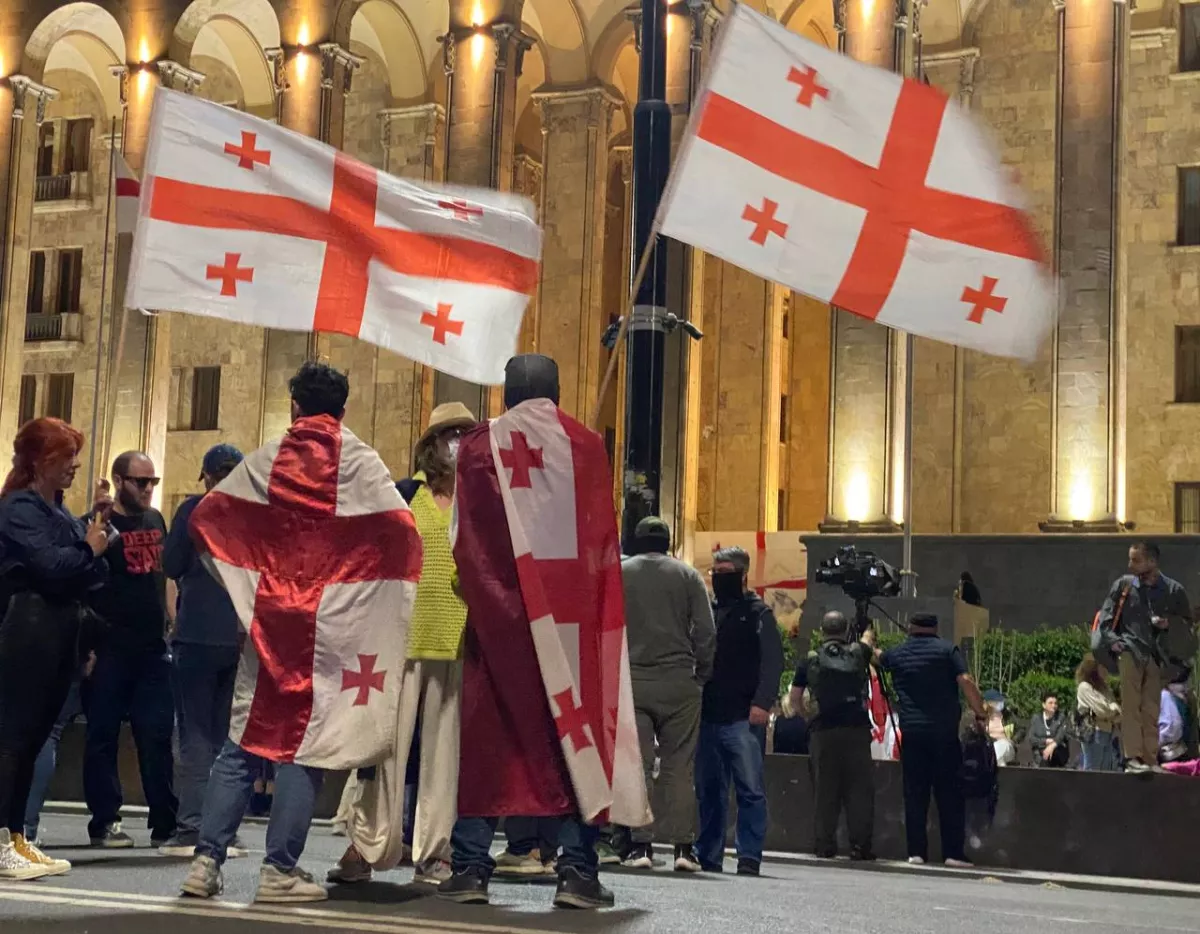
The public’s attitude toward the opposition is illustrated by the extremely small turnout at regular rallies and marches on Rustaveli Avenue. Beyond the circle of core activists, mobilising protesters is becoming increasingly difficult. Against the backdrop of economic difficulties in EU countries and the continued growth of Georgia’s economy, the opposition’s ideas of “European integration at any cost” are appearing less appealing to a segment of the population. Even fewer people are willing to support the country’s involvement in military conflicts for the sake of an abstract “European choice.”
Most importantly, the new opposition “alliance” has once again failed to consolidate the entire opposition. The parties Lelo – Strong Georgia and Gakharia for Georgia chose to ignore it.
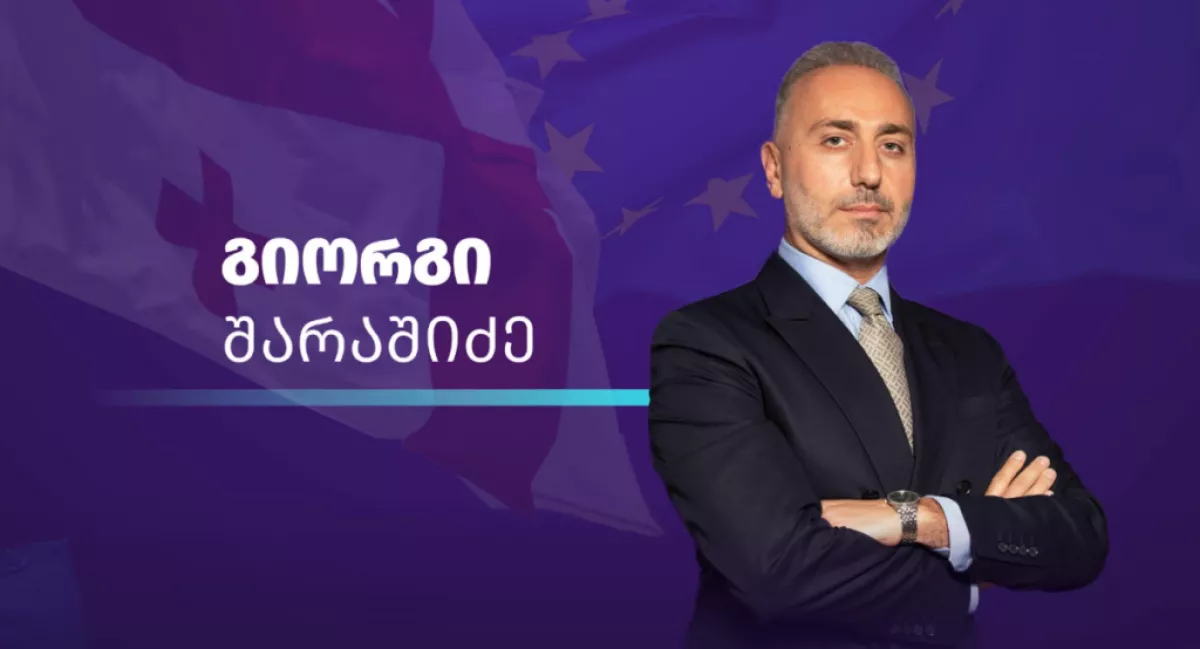
Georgy Sharashidze, a member of parliament from Gakharia for Georgia, commenting on the union of the nine political forces, stated that it essentially represents members of the United National Movement, the party of former President Mikheil Saakashvili. In his view, this political flank is a “red line” for the party of former Prime Minister Giorgi Gakharia.
The MP also accused the united forces of objectively strengthening the ruling Georgian Dream party.
“Some opposition parties came together around the idea of boycotts and ‘peaceful overthrow’ on October 4. All this only served to strengthen Georgian Dream. In other words, these parties—directly or indirectly, intentionally or by mistake—played into the hands of Georgian Dream,” Sharashidze said.
Within Georgian Dream itself, the formation of the new alliance was characterised as “a circus,” with party leaders again emphasising that the united opposition forces act under external guidance, harming the country’s interests.
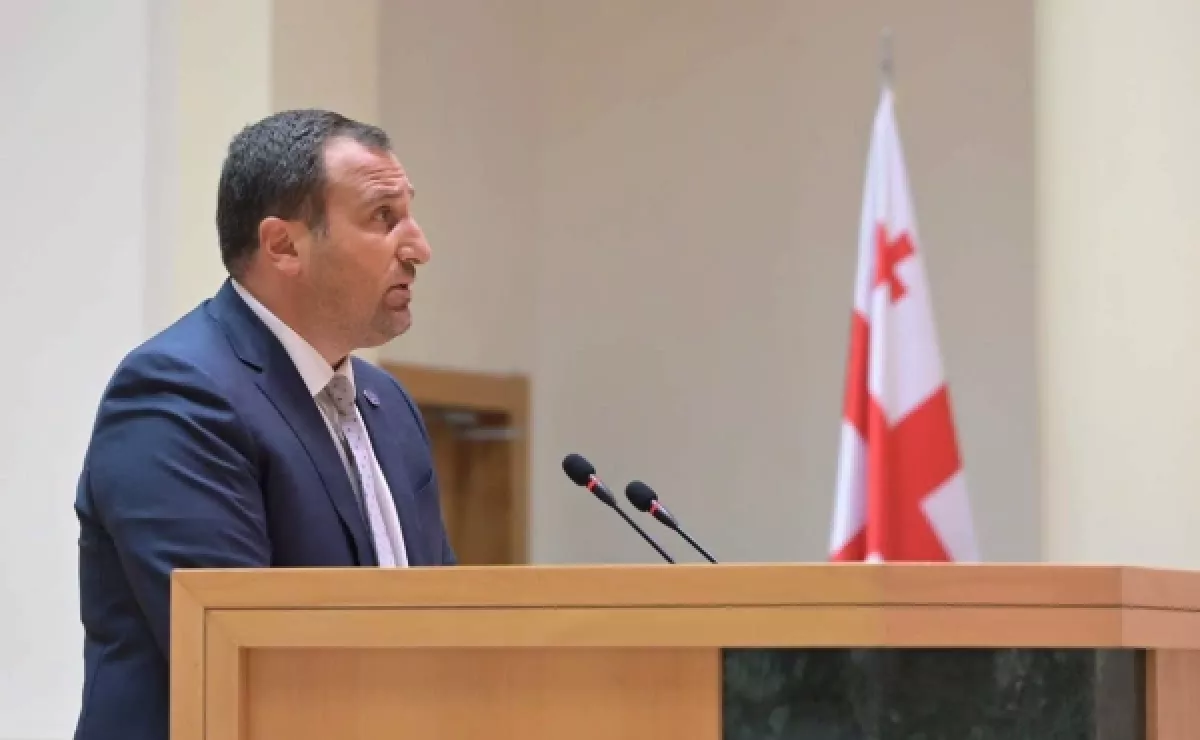
“In principle, they have never dissolved and have always acted in unison against Georgia. The Georgian people already determined the place of this agency back in 2012, and that place is the political garbage heap,” said Irakli Kirtskhalia, chair of the Georgian Dream parliamentary faction.
By Vladimir Tskhvediani, Georgia, exclusively for Caliber.Az







 editor@caliber.az
 +994 55 444-88-98
 Азербайджан, Баку, ул. Низами, 203, Af Business House, 5-й этаж