










Ukraine’s March of hope Light in the window, resolve on the front line
Many residents of Ukraine perceive the arrival of March as a psychological milestone — marking the end of the most difficult phase of the full-scale, bloody war, rather than a turning point, a victory, or the end of hostilities. The winter has ended — a season on which Russia had placed a strategic bet — and which Ukraine, contrary to the expectations of the opposing side, managed to endure.
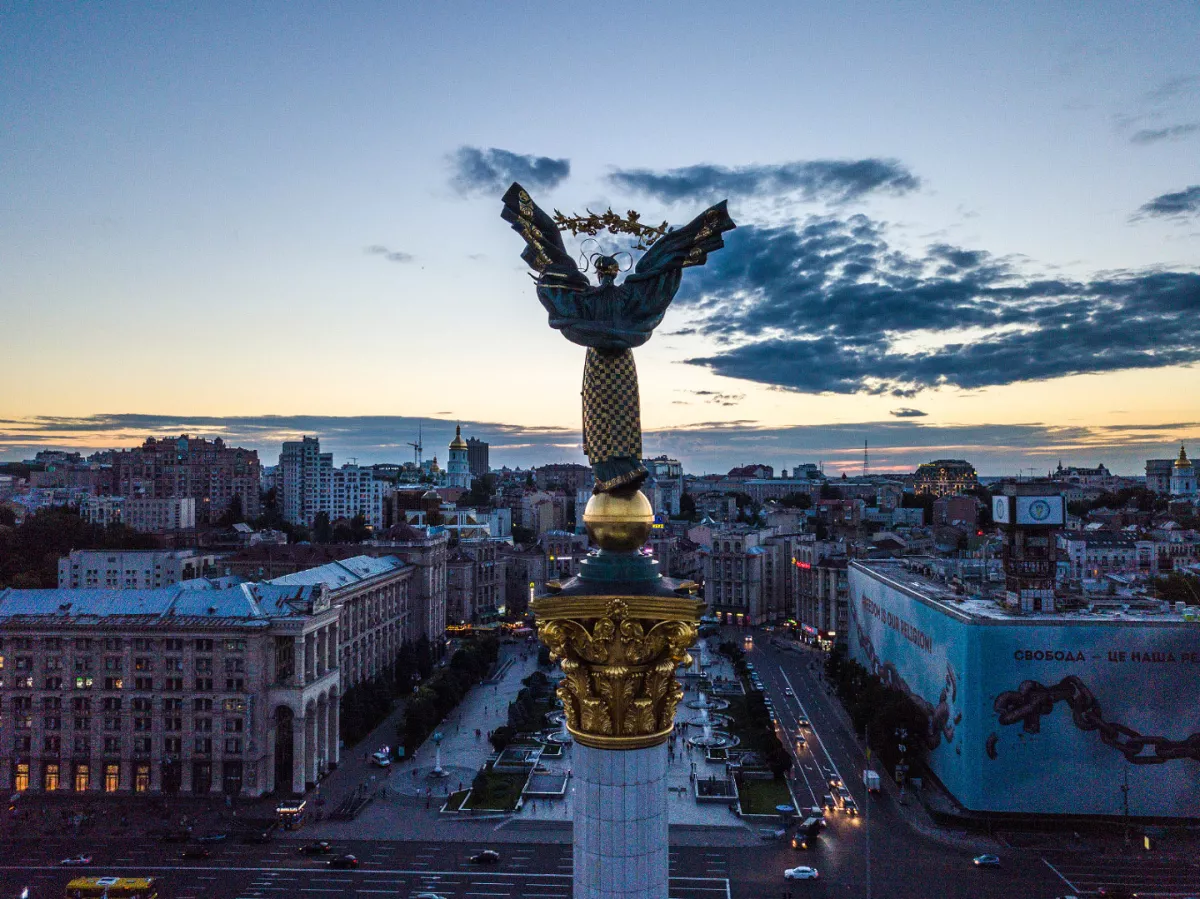
Statistical data and assessments from military analysts, statements by politicians and public opinion leaders, and — above all — the shifts in Ukrainians’ daily lives together form a coherent picture: a cautious and measured, yet increasingly perceptible hope is taking shape across the country for a near-term halt to the war along the current line of contact. And there are tangible reasons for such sentiment.
According to the Ukrainian analytical project DeepState, Russian forces seized 126 square kilometres of Ukrainian territory in February — half the amount recorded in January and the lowest monthly figure since July 2024. At the same time, the number of attacks has not decreased — the difference compared to January is only about 4 per cent — however, the assault operations themselves involve fewer personnel.
Thus, the issue is not a reduction in the war’s intensity, but rather a decline in its effectiveness for the Russian army. Russia continues to operate largely out of inertia, concentrating on the same key axes: Pokrovsk (31 per cent of all attacks), Huliaipole (21 per cent), Kostiantynivka (13 per cent), and Lyman (7 per cent). However, even in sectors where the most notable advances are being recorded — above all around Pokrovsk — these gains amount to localised tactical successes that fail to alter the broader strategic configuration of the front.
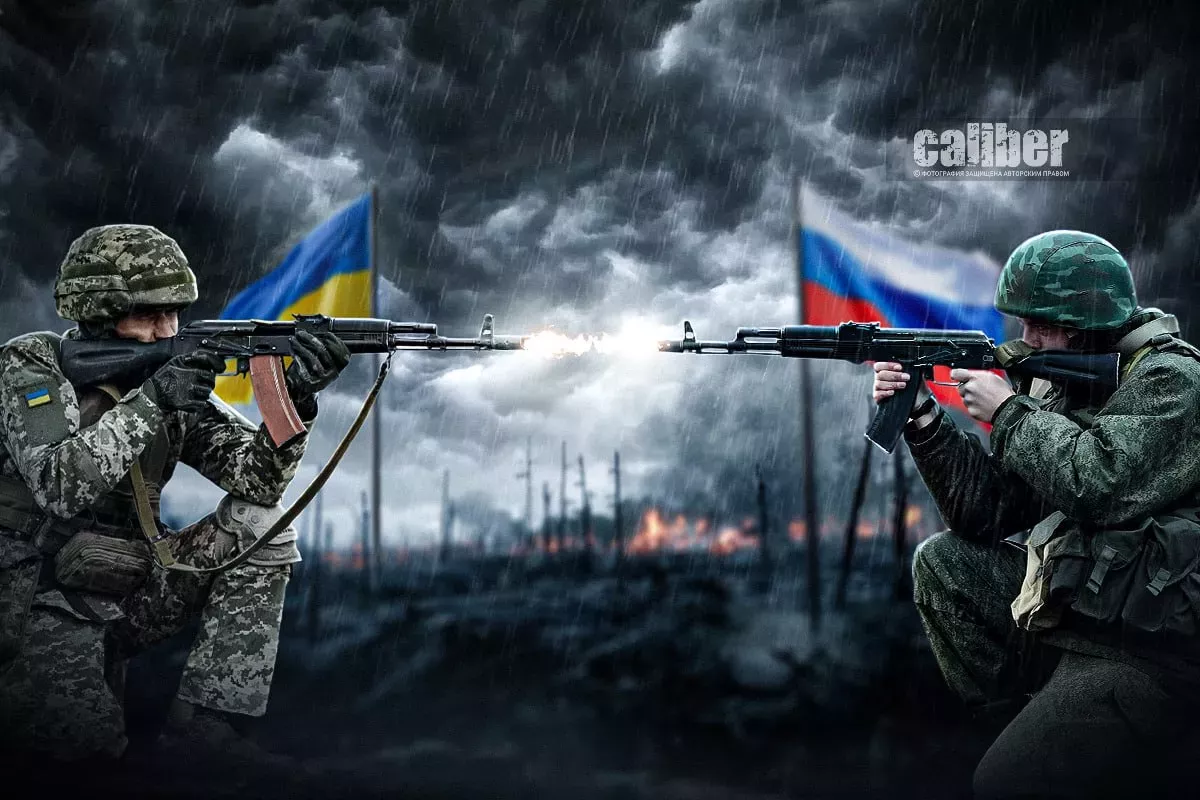
This is precisely the key point. The Russian army continues its offensive, yet it is no longer expanding the front or achieving operational objectives. The cost of every additional kilometre is rising, while the tangible gains are diminishing. A symbolic summation of the winter campaign came in a statement by Ukrainian President Volodymyr Zelenskyy: “The Russians wanted to turn this winter into the destruction of Ukraine and Ukrainians. But Ukraine did not break. We have preserved our energy system.”
The winter period had indeed been viewed by Moscow as a crucial window of opportunity. There were massive strikes on energy infrastructure, dozens of missiles and hundreds of drones launched in single waves, and a calculated bet on cold weather, exhaustion, and internal strain. Yet this scenario did not materialise. On the contrary, by late February and early March, residents of Kyiv and other major cities began noting an important everyday indicator of resilience: electricity in apartments had become stable again, and in many buildings, outages had not occurred for nearly a week.
And this is not merely a technical detail. In wartime, energy stability is directly linked to the morale of society. A light in the window is a signal that the state continues to function, that the system of governance has held firm. An additional boost has come from remarks by Taras Chmut, head of the Come Back Alive foundation, who noted that for the first time in many months, Ukraine has begun to liberate more territory than it is losing. Even if these are relatively small areas, the very shift in momentum is of critical importance.
This is further reflected in frontline reports. Fighters of the 132nd Separate Reconnaissance Battalion of the 7th Rapid Response Corps of the Air Assault Forces of the Armed Forces of Ukraine reportedly breached enemy defensive lines in the Oleksandrivske sector. According to a statement from the Air Assault Forces command, “during the operation, enemy firing positions, personnel, and ammunition storage sites were destroyed. Thanks to the professional actions of the reconnaissance units, the enemy’s plans for further offensive operations were thwarted. This made it possible to establish a foothold for the tactical advance of friendly units.”
Taken together, these developments make it clear that Russia’s strategy of exhausting Ukraine has failed. As days grow longer and warmer and logistical conditions improve, the balance increasingly tilts against the Russian army, whose resources and economy are under mounting pressure.
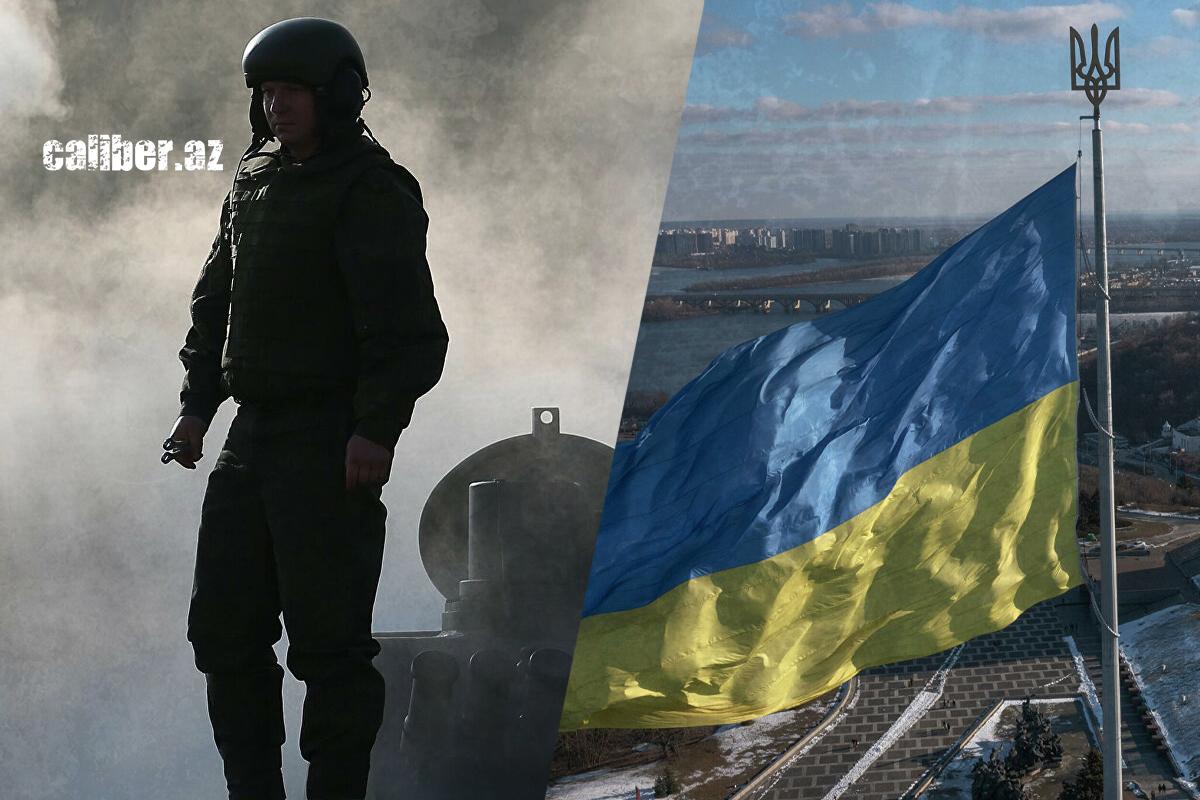
A key factor here is that, today, Ukrainian society harbours almost no expectations of returning to the “1991 borders” in the foreseeable future, nor of a rapid liberation of Crimea and all of Donbas. These topics have largely disappeared from everyday discourse—not out of a renunciation of principles, but due to a sober assessment of current realities. Instead, both experts and ordinary citizens are actively discussing an alternative scenario: a ceasefire agreement along the current front line, without Ukrainian forces withdrawing from the towns and settlements they currently control in Donetsk and Luhansk oblasts. This is the new hope—not maximalist, not triumphant, but pragmatic.
Another important signal is the gradual return of Ukrainians from Europe. While their numbers are still smaller than desired, the very fact of this return reflects a revived faith in the future. These processes remain fragile, yet they are precisely what are forming the social foundation of a postwar Ukrainian state.
Whether events will unfold exactly as Ukrainians hope is another matter. What is crucial right now is that the country lives in anticipation not of surrender or a “freeze at any cost,” but of a ceasefire under terms that are neither humiliating nor destructive to its statehood.
Ukraine has withstood the harshest winter of the war years without breaking—energetically, socially, or politically. For the first time in a long while, hope has ceased to be an abstract idea; it has become a real force influencing public sentiment, the economy, and strategic calculations.







 editor@caliber.az
 +994 55 444-88-98
 Азербайджан, Баку, ул. Низами, 203, Af Business House, 5-й этаж