










China’s scenario for Afghanistan and Pakistan Mediating conflict, protecting interests
Recently, China has been striving to further strengthen its geopolitical position both globally and in the broader Asian region, taking concrete steps in this direction, including acting as a peacemaker in resolving armed conflicts, particularly between Afghanistan and Pakistan.
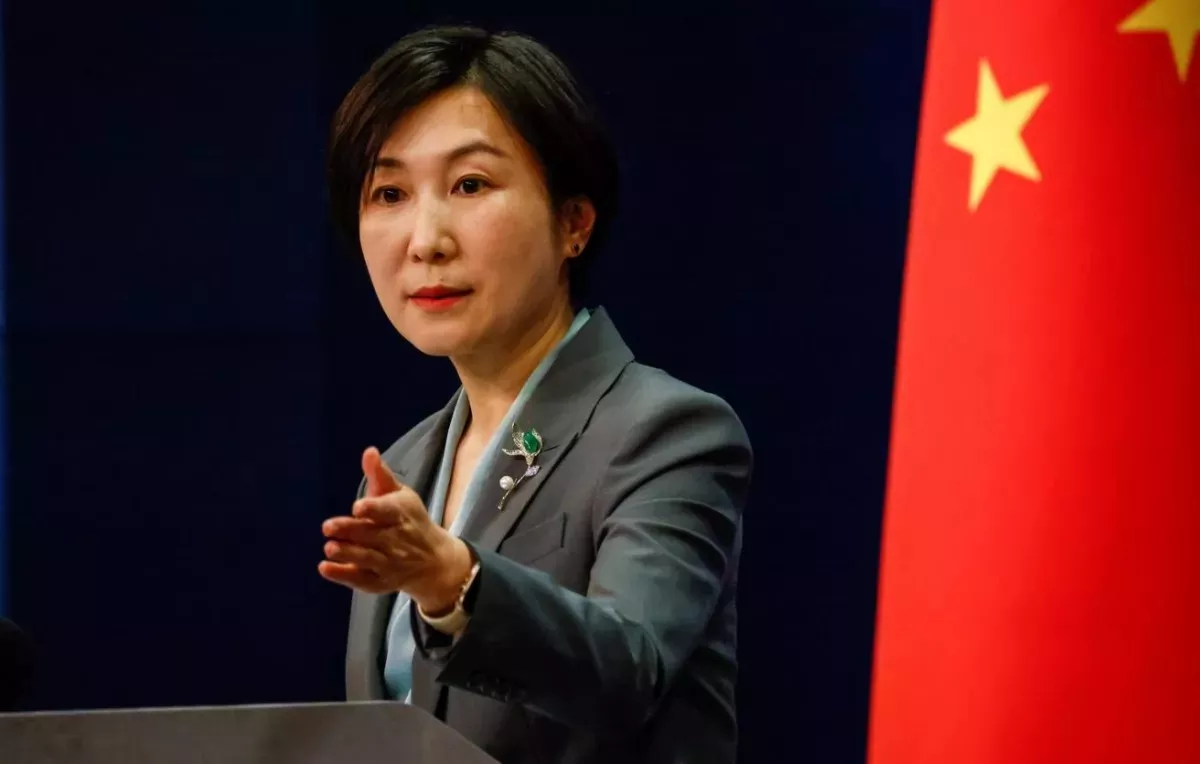
For instance, recently, Chinese Foreign Ministry spokesperson Mao Ning stated during a briefing that Beijing has officially confirmed its role as a mediator in resolving the confrontation between Islamabad and Kabul: “Both Pakistan and Afghanistan highly value and welcome China’s mediation and are ready to return to the negotiating table, which is a positive sign.”
Brief background: The main cause of the conflict between Kabul and Islamabad is the activity of the Tehrik-i-Taliban Pakistan (TTP), which is based in Afghanistan and attacks Pakistan. The current escalation has been caused by cross-border strikes, Kabul’s refusal to restrain the TTP, and the historical dispute over the “Durand Line.”
To begin with, it is worth noting that the most well-known and successful example of China’s mediation was the restoration of diplomatic relations between Saudi Arabia and Iran in March 2023. After many years of a “frozen period,” it was thanks to Beijing’s efforts that these two countries resumed diplomatic relations and even decided to reopen embassies. This success demonstrated that China is capable of achieving results where traditional Western mediators face difficulties, significantly boosting the country’s authority in the Middle East.
serving China’s own interests, based on the following considerations. First, stability in the Pakistan–Afghanistan border region is extremely important for China, as this area is seen as a key factor in ensuring domestic security and implementing large-scale infrastructure projects. Beijing is concerned that instability in Afghanistan could allow extremist and terrorist groups—such as the East Turkestan Islamic Movement—to cross the border into Xinjiang. This concern is well-founded.

It is enough to recall that during periods of instability in Afghanistan—especially in the 1990s—extremists repeatedly crossed from Afghanistan into China’s Xinjiang Uyghur Autonomous Region (XUAR) through the Wakhan Corridor. Against this backdrop, it seems logical to assert that by mediating the conflict between Kabul and Islamabad, China seeks to prevent potential attempts to export radicalism onto its own territory.
Overall, experts note that China frames its actions in the XUAR as a fight against the “triple evil” of terrorism, separatism, and extremism. Under the guise of protecting Xinjiang, Beijing aims to safeguard national security, territorial integrity, and the ideological stability of the region, which is considered a key hub of the Belt and Road Initiative.
Second, Beijing’s peacekeeping mission not only strengthens its influence in the Asian region but also enhances its geopolitical significance through the development of security infrastructure and a “soft power” strategy.
Third, through economic and logistical channels, China aims to integrate Afghanistan into the China–Pakistan Economic Corridor (CPEC), which requires stability between Kabul and Islamabad. At the same time, China maintains close strategic ties with Pakistan while refraining from interfering in the domestic affairs of either country—a stance that fully satisfies both conflicting parties.
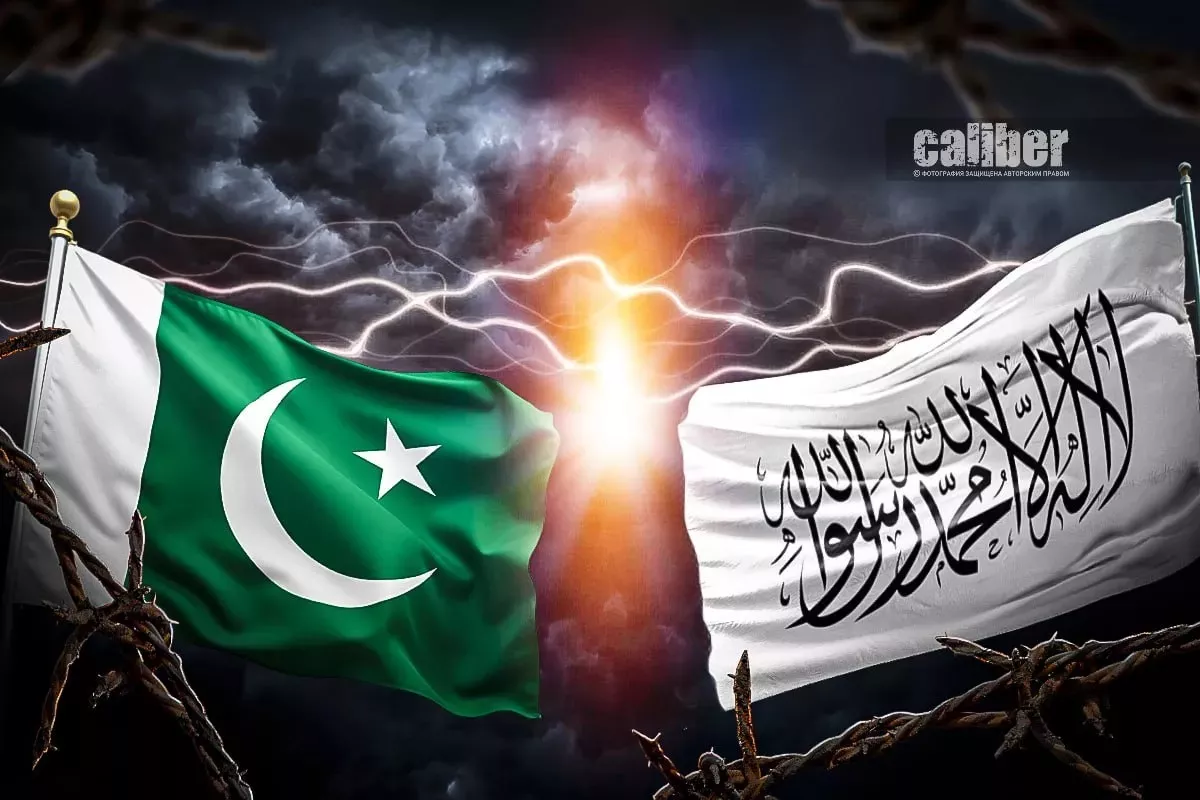
Taking the above factors into account, it can be assumed that during negotiations, China may be able to reduce tensions and advance certain agreements regarding border security. However, it would be premature to speak of a full normalisation of relations between Afghanistan and Pakistan.
The most likely scenario appears to be one in which the conflict enters a phase of managed tension under China’s control. This outcome is acceptable to both parties due to their mutual distrust, stemming from serious disagreements over the Durand Line—a disagreement that has, in effect, transformed the conflict from an ideological struggle into a “hot phase.” Resolving this fundamental contradiction is unlikely, even with a powerful mediator like China.
At the same time, the situation is complicated by both countries’ ambitions for regional dominance. Interestingly, from a geopolitical perspective, it is in Islamabad’s interest to have a friendly Kabul to avoid a two-front situation (India to the east, Afghanistan to the west) and to gain “strategic depth.” Afghanistan, on the other hand, does not want to depend on Pakistan and seeks a more independent policy.
Taken together, these factors lead to the following conclusions: if military actions along the Afghanistan–Pakistan border intensify, China’s mediation will likely be formal in nature, forcing Beijing to focus solely on protecting its regional projects. In another scenario, the parties might agree not to “cross red lines,” but full reconciliation between Kabul and Islamabad—even under China’s mediation—remains out of reach for the time being.







 editor@caliber.az
 +994 55 444-88-98
 Азербайджан, Баку, ул. Низами, 203, Af Business House, 5-й этаж