










Georgia, fake news, and the gas controversy Propaganda vs reality
Information provocations surrounding natural gas supplies to Georgia continue. The State Security Service (SSS) of Georgia has launched an investigation into acts of sabotage and unauthorised access to a computer system, which led to the posting on December 25, 2025, on the Georgian government administration website, of information about an alleged deal with Russia’s Gazprom, including details on purchase volumes and prices.
Following this, on January 13, 2026, the Formula TV channel aired a program in which the information was discussed in the context of an alleged “increase in Georgia’s dependence on Russian gas supplies.”
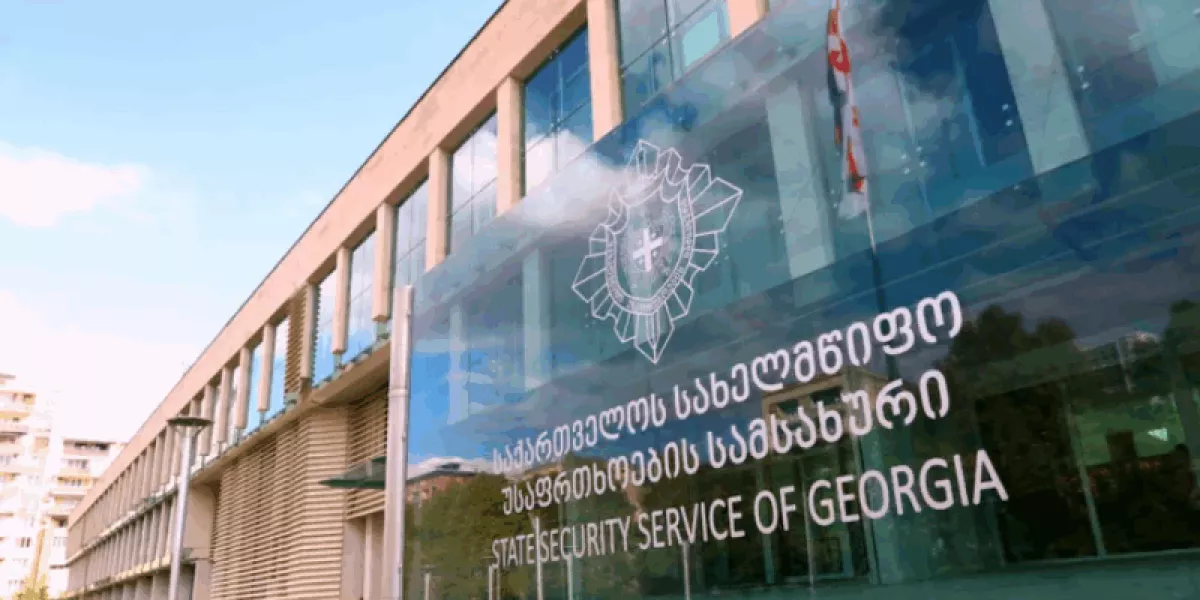
According to the Security Service, the Georgian government administration website was targeted in a cyberattack, which resulted in the dissemination of false information about Georgia’s relations with the Russian Federation in the gas sector. The attack was an attempt to harm Georgia’s national interests, including potential political and economic consequences for the country.
“Following the alleged criminal act, various media outlets and social media platforms began actively covering the issue. The State Security Service responded immediately and, to prevent damage to state interests, recommended that media representatives and individuals refrain from disseminating unverified information,” the SSS statement reads. The investigation is being conducted under Articles 318 (sabotage) and 284 (unauthorised access to a computer system) of the Criminal Code of Georgia.
The cyberattack on the website of the Georgian government administration was part of a long-running “gas” information campaign by opposition and pro-Western media. The opposition regularly accuses the ruling Georgian Dream party of allegedly “abandoning” natural gas supplies from Azerbaijan in favour of imports from the Russian Federation. However, despite the opposition’s alarmist rhetoric about Georgia “falling into a Russian gas trap,” the share of natural gas from Russia has traditionally fluctuated between 10–20 per cent of annual imports and has not exceeded this range.
Natural gas imports from Russia reached their peak in 2023, at 596 million cubic meters. In 2026, around 400 million cubic meters of natural gas are planned to be imported from Russia, accounting for approximately 12 per cent of total imports. According to Georgia's Ministry of Economy, gas purchased from Gazprom is not used for household supply and is exclusively allocated to the commercial sector.
Meanwhile, the opposition systematically manipulates statistical data to suggest an allegedly increasing gas dependence of Georgia on Russia. Opposition media almost always emphasise any temporary or situational rise in natural gas purchases from Russia while consistently downplaying the inevitable subsequent reductions in Russian supply volumes.
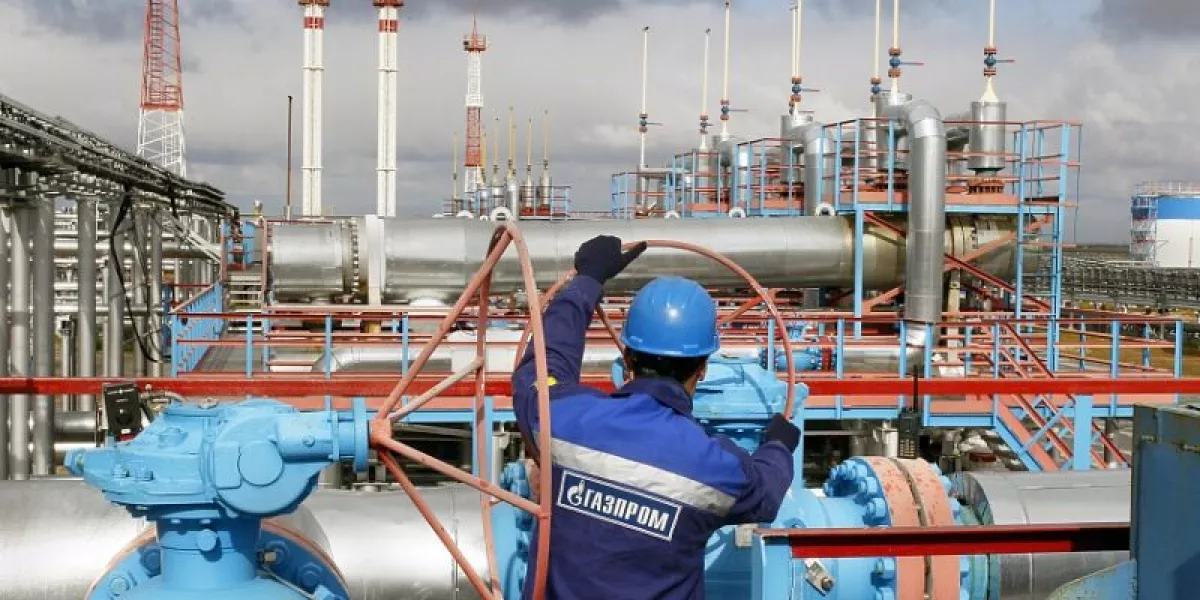
Following the cyberattack on the website of the Georgian government administration, Georgian opposition media also relied on overtly propagandistic information from Gazprom’s own Telegram channel. For example, it was claimed that in 2025, the “gas shipments to Kazakhstan, Uzbekistan, and Kyrgyzstan grew by 22.2 per cent, while deliveries to Georgia jumped 40.4 per cent.” However, no reference was provided to indicate the baseline volume of supplies in 2024 from which this increase was calculated, nor was the period over which the growth occurred specified. It was also unclear whether the figures were measured in cubic meters or in monetary terms.
Obviously, Gazprom needs to showcase “successes” in secondary markets against the backdrop of a sharp reduction in supplies to its previously key European market. Georgian opposition outlets quickly picked up this propagandistic rhetoric of the Russian gas monopoly and began actively broadcasting it, focusing primarily on the much-discussed 40.4 per cent “increase” in supplies to Georgia.
In reality, Azerbaijan remains Georgia’s main partner in the gas sector. Supplies of Azerbaijani gas have been steadily increasing thanks to the expansion of transit through the Southern Gas Corridor. Since 2020, the volume of gas received by Georgia in exchange for transit has grown 1.8 times.
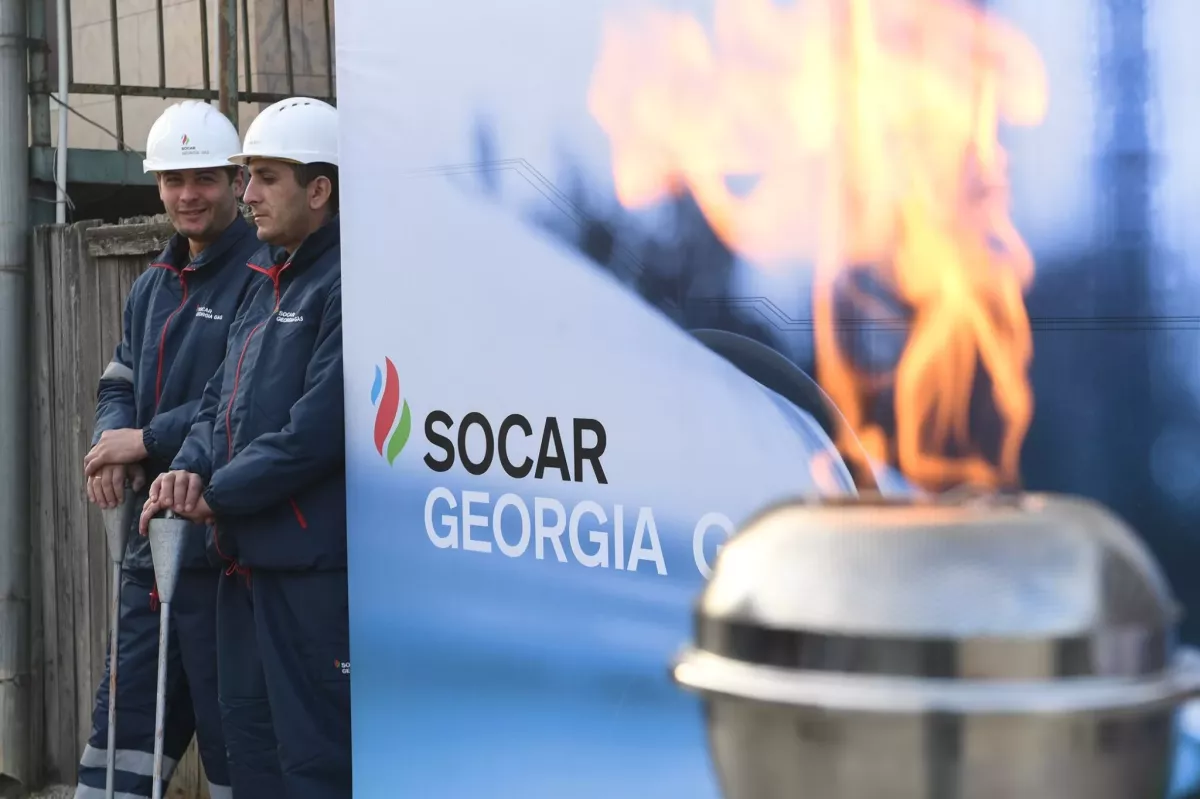
In the near future, both the transit of Azerbaijani gas through Georgian territory and its supply to the Georgian market are expected to continue growing—especially considering the expansion of Azerbaijani natural gas exports to Europe.
Since January 2026, the Azerbaijani company SOCAR has started supplying gas to Austria and Germany. Currently, 16 European countries are receiving Azerbaijani gas, all transported via the Southern Gas Corridor through Georgia.
At the end of December 2025, Georgia’s Ministry of Economy approved the country’s gas balance for 2026. According to projections, total gas supplies to Georgia this year are expected to reach 3.34 billion cubic meters, with more than 87 per cent of imports supplied by Azerbaijan through the Shah Deniz consortium and SOCAR. Contrary to claims by opposition media, the Georgian government has no plans to “switch to Russian gas.”
By Vladimir Tskhvediani, Georgia, exclusively for Caliber.Az







 editor@caliber.az
 +994 55 444-88-98
 Азербайджан, Баку, ул. Низами, 203, Af Business House, 5-й этаж