










Georgian challenge for EU Europe risks falling behind in South Caucasus
The European Union, apparently, is beginning to realise that its prolonged attempts to orchestrate a revolution in Georgia are starting to harm its own interests. The current economic situation in the EU points to a shortage of additional channels for energy and electricity supplies, as well as a need for reliable transit routes with Asian countries. In these circumstances, Georgia’s role as an important country along the Middle Corridor objectively grows in significance for Europe.
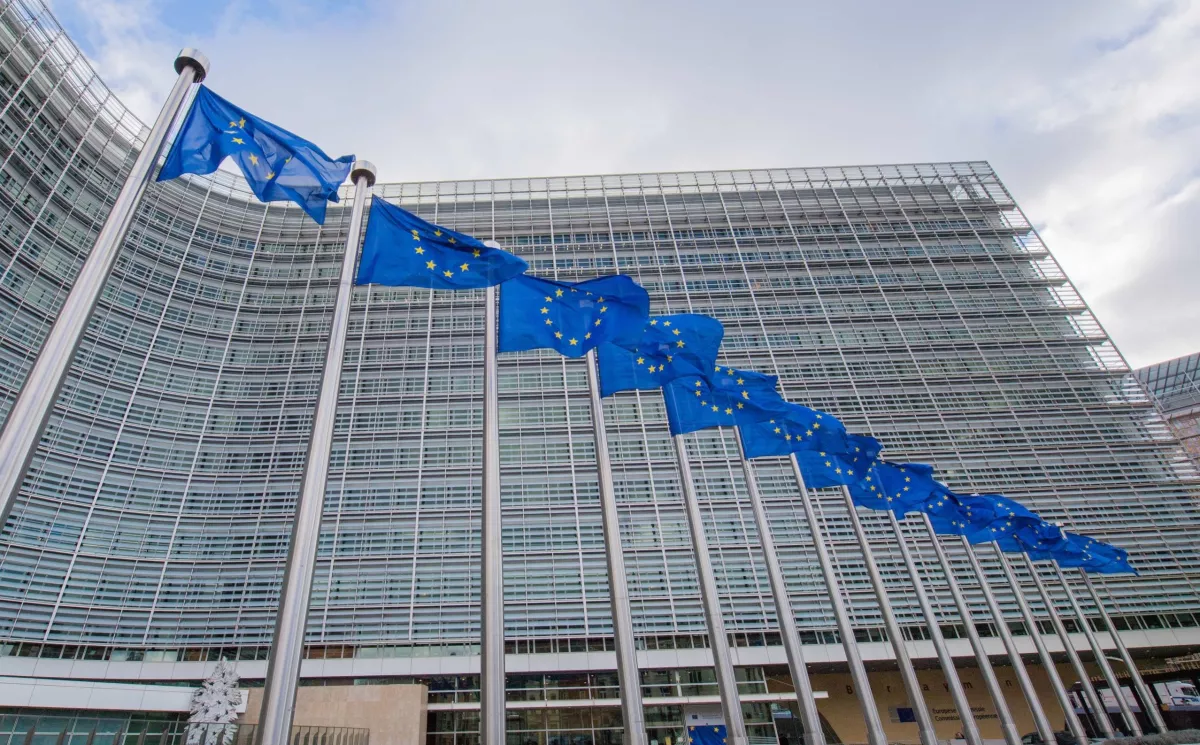
This is acknowledged in a recently published study by the Directorate-General for Enlargement and the Eastern Neighbourhood Policy of the European Commission, focused on the expansion of the Trans-European Transport Network (TEN-T). The study places significant emphasis on the deep-water port of Anaklia. “However, project is very political, currently implemented by PPP under the leadership of China Communication Construction Company (CCCC). If realized, Anaklia could significantly expand Georgia’s maritime capacity and support the growth of the MC [Middle Corridor- ed.],” the document notes.
Until recently, Georgia’s “pro-European” opposition, criticising the ruling Georgian Dream party, emphasised that the Anaklia port was being built by a Chinese company, which they claimed contradicted Georgia’s “European aspirations.” However, the aforementioned European Commission study no longer carries this anti-China framing. On the contrary, it emphasises that Georgia plays a key role on the China-to-Europe route.
The document also addresses the project for an underwater power cable across the Black Sea. In December 2022, Azerbaijan, Georgia, Romania, and Hungary signed an agreement to lay an electric cable along the seabed to transmit “green” electricity from Azerbaijan to Europe, with the prospect of including Central Asia in the future.
Since then, the energy situation in EU countries has worsened significantly. In recent years, electricity prices on the European market have averaged two to three times higher than those in the US and China. Moreover, sharp “spikes” in electricity costs are becoming increasingly frequent. This is due to the growing share of “green” energy sources in the EU’s energy mix, coupled with insufficient supplies of cheap electricity from outside the Union. Prolonged unfavourable weather — such as cloudy conditions reducing solar generation or periods of calm with little wind — can cause wholesale electricity prices to surge. As a result, the EU now has a clear interest in the swift implementation of the underwater power cable project across the Black Sea, a point reflected in the European Commission study.
“A major strategic step in connecting the energy markets is the planned subsea power cable from Georgia to Romania,” the document notes.
The European Commission has already designated the Black Sea energy cable project as a “project of mutual interest.”
A 2025 study conducted by the Italian consulting firm CESI confirmed the technical and economic feasibility of the project, and the European Network of Transmission System Operators for Electricity (ENTSO-E) has incorporated it into its development strategy.
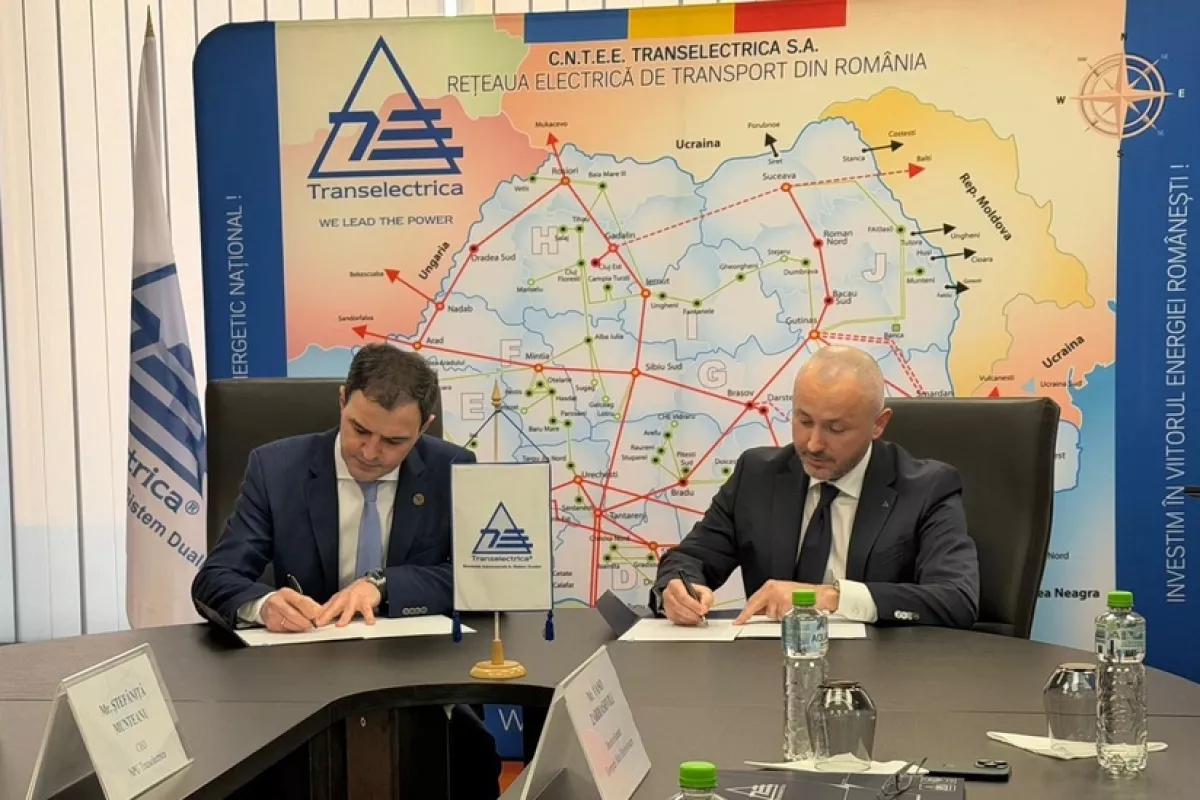
Very recently, at the Energy Week Black Sea 2026 international conference in Bucharest, the Georgian state company Georgian State Electric Systems and the Romanian operator Transelectrica signed a memorandum of bilateral cooperation for the Black Sea underwater cable project. Georgia and Romania will jointly carry out the necessary studies, including geotechnical and geophysical surveys of the seabed, as well as financial, legal, regulatory, environmental, and social assessments. The agreement also provides for coordinated institutional representation of the project in relevant international organisations.
According to the European Commission study, the modernisation of the ports of Batumi and Poti, as well as the construction of the deep-water port of Anaklia, is strategically important for transporting and handling the heavy equipment needed for the implementation of the underwater cable project and renewable energy initiatives.
“Sizeable renewable projects are under way in Romania, Bulgaria, Türkiye, Azerbaijan, Georgia and Uzbekistan. However, in the short term, the diversification of existing gas supply remains an essential pillar of energy security,” the document emphasises.
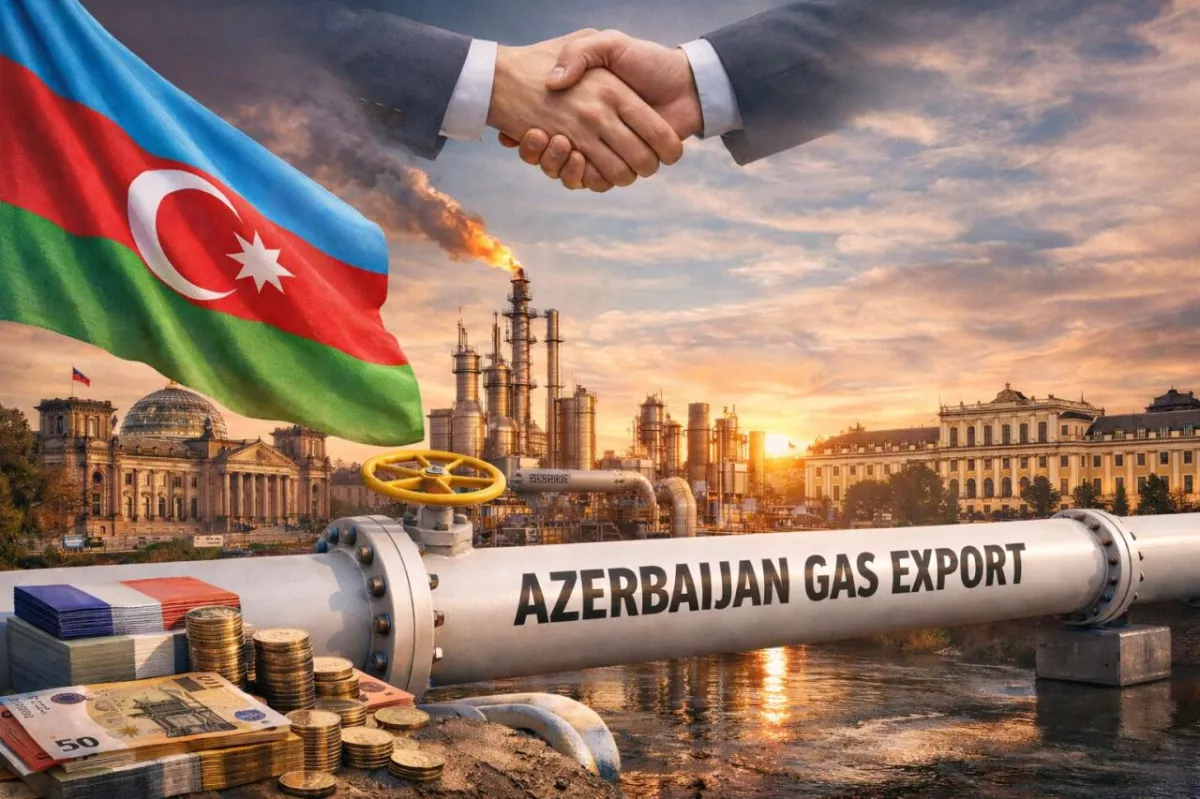
Notably, significant supplies of natural gas from Azerbaijan are reaching EU countries via the Southern Gas Corridor through Georgia, and their reach within the European Union is steadily expanding. In 2026, deliveries to Austria and Germany began.
The European Commission study on the expansion of the TEN-T also lists other projects in Georgia recommended for implementation by the World Bank and the European Commission. These include the Kutaisi bypass road, the Kutaisi logistics centre, the Kumisi logistics centre, the railway line to the deep-water port of Anaklia, and a number of other infrastructure initiatives.
There remains hope that the EU will soon provide support to the Georgian government on these projects and that constructive dialogue between Tbilisi and Brussels will resume. Especially considering that, after spending considerable time and resources attempting to orchestrate a “revolution” in Georgia without success, the European Union has begun to fall noticeably behind the United States in advancing its interests in the South Caucasus region.
Leading analytical centers, including Carnegie Europe, have already highlighted this trend. Under the headline “Europe Falls Behind in the South Caucasus Connectivity Race,” the organisation recently published a detailed article that also touches on the Georgian dimension.

The article notes that the visit of U.S. Vice President J.D. Vance to Armenia and Azerbaijan, as well as the Trump Route, reflect the United States’ active ambitions in the region, while simultaneously highlighting Europe’s lack of a clear strategic vision. It emphasises that, despite having significantly greater financial resources in the South Caucasus, Europe has so far been unable to propose its own alternative to the Trump Route.
“Europe still lags behind,” the authors of the Carnegie Europe article observe, suggesting that, in order to catch up, the EU could establish a South Caucasus border infrastructure fund to finance customs terminals, scanners, logistics hubs, and digital border systems.
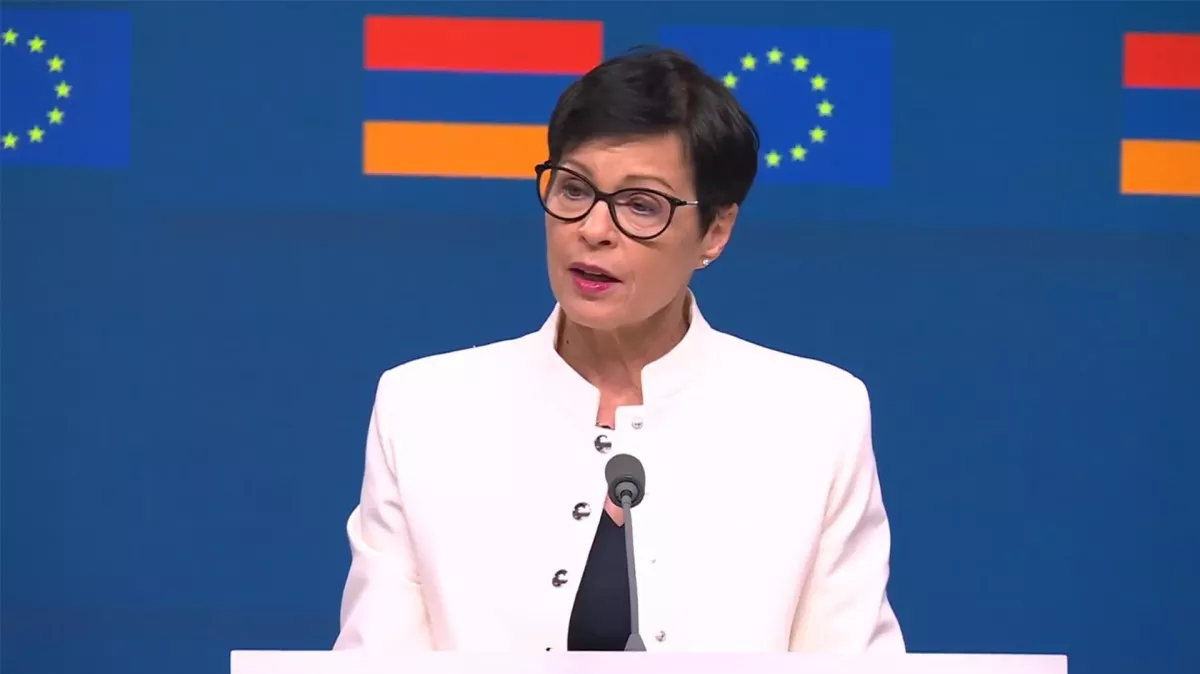
“A bigger strategic regional approach is also a way for the EU to reengage with Georgia. In late 2025, European Commissioner for Enlargement Marta Kos proposed a quadrilateral transport connectivity format involving between the union, Armenia, Azerbaijan, and Turkey. It is a sensible initiative, but without Georgia, the region’s connectivity map remains incomplete,” the Carnegie Europe article states.
By Vladimir Tskhvediani, Georgia, exclusively for Caliber.Az







 editor@caliber.az
 +994 55 444-88-98
 Азербайджан, Баку, ул. Низами, 203, Af Business House, 5-й этаж