










Global collapse exposes fragile security Overview by Teymur Atayev
The war between Israel and the U.S. against Iran has highlighted not only the involvement of numerous countries in military actions but also demonstrated the vulnerability of almost all of them — without exception. This concerns not only the immediate theatre of hostilities involving deadly missiles but also the financial and economic dimension.
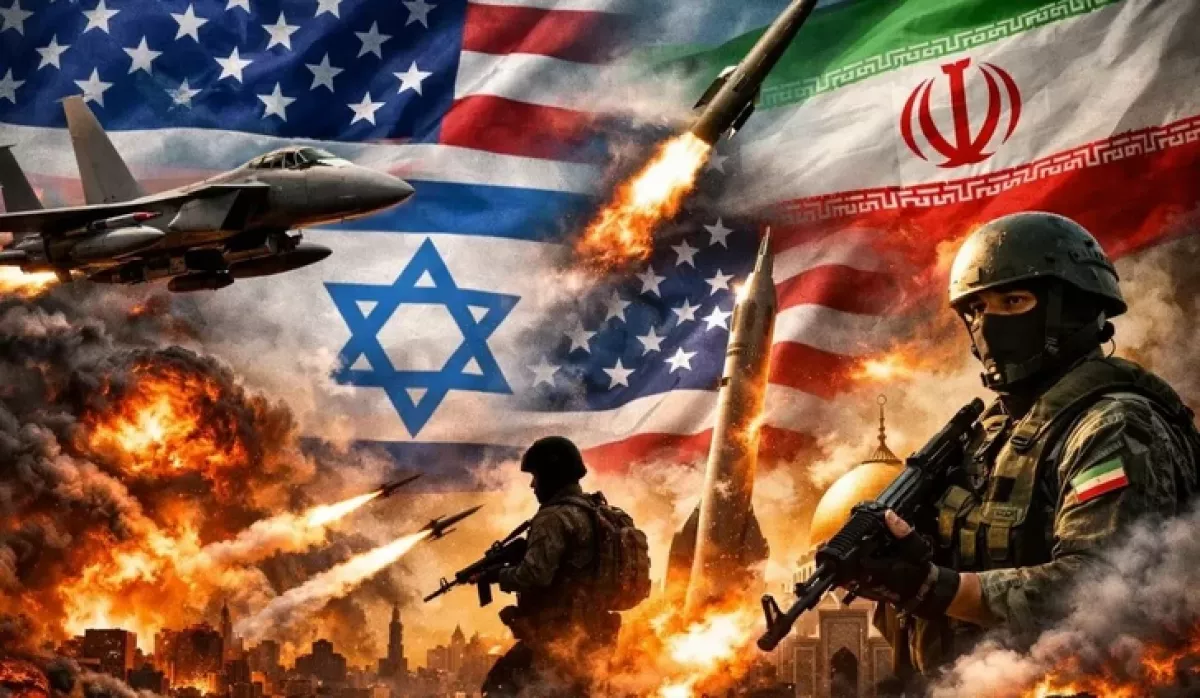
Before our eyes, the infrastructure of countries that just a month ago were perceived as oases of security and sustainable development is collapsing. Rich natural resource fields, on which the well-being of many regions of the world literally depends, are burning.
Tourist appeal is disappearing, and investments are being lost, as several states have declared force majeure. Regardless of any assessments, this clearly indicates the loss of prospects for revenue from previously calculated and approved projects that had been actively developing over recent decades.
On the other hand, the notion of a “small victorious war” has also proven false: the defence of states, which once seemed flawless, has shown cracks. Even military bases, equipped with what seemed to be the most advanced defence systems, have become targets of powerful strikes, resulting in losses of millions, and in some cases, billions.
Thus, no one has proven to be truly protected—neither militarily nor economically. This is no longer just about the fact that international law has effectively ceased to function, giving way to a “law of the jungle,” where “you are guilty only because I feel like eating.” Investments, logistics, and infrastructure projects have come under threat. Perhaps only the arms industry has emerged as a winner once again—as often happens.
This turn of events casts new light on the words of President Ilham Aliyev, spoken at the 13th Global Baku Forum, where he emphasised that under current circumstances, “issues of security, stability, and safety should be number one on the agenda of any country, because without that all the rest is absolutely useless.”
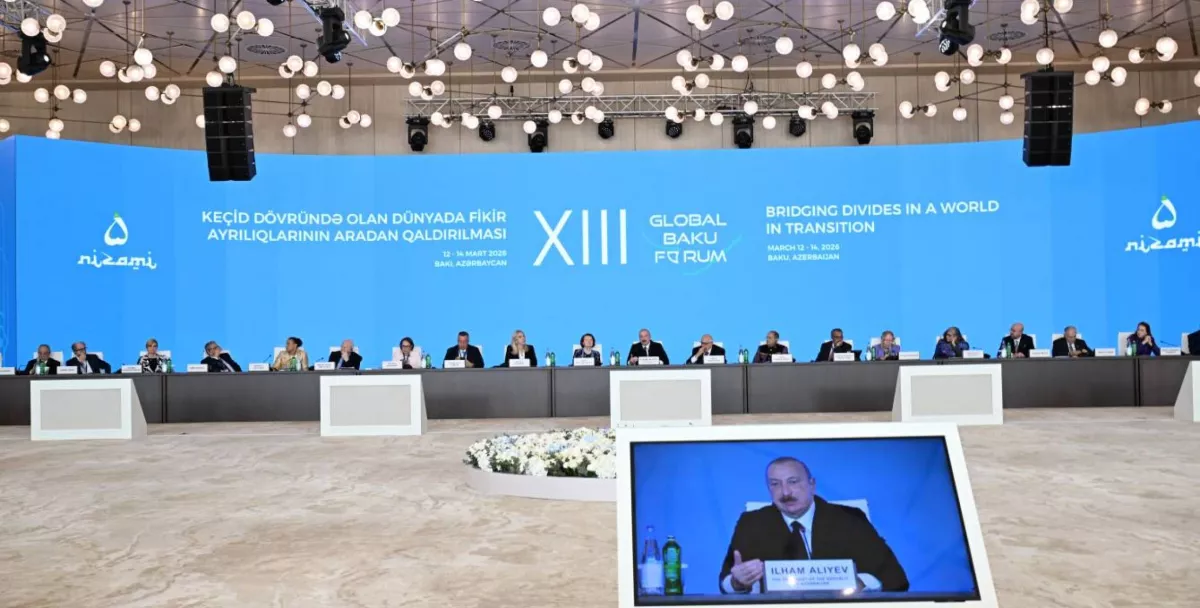
As the president noted, countries that have invested in their development for decades are now facing severe risks. In this context, security and stability become the key factors for the survival and existence of any nation.
It is hard to disagree with this. An important detail, however, is that Aliyev has repeatedly emphasised this aspect—both in the context of protecting Azerbaijan’s national interests and through the framework of the Organisation of Turkic States (OTS) and the Consultative Meetings “Central Asia — Azerbaijan,” which have now developed into a stable geopolitical format known as C6.
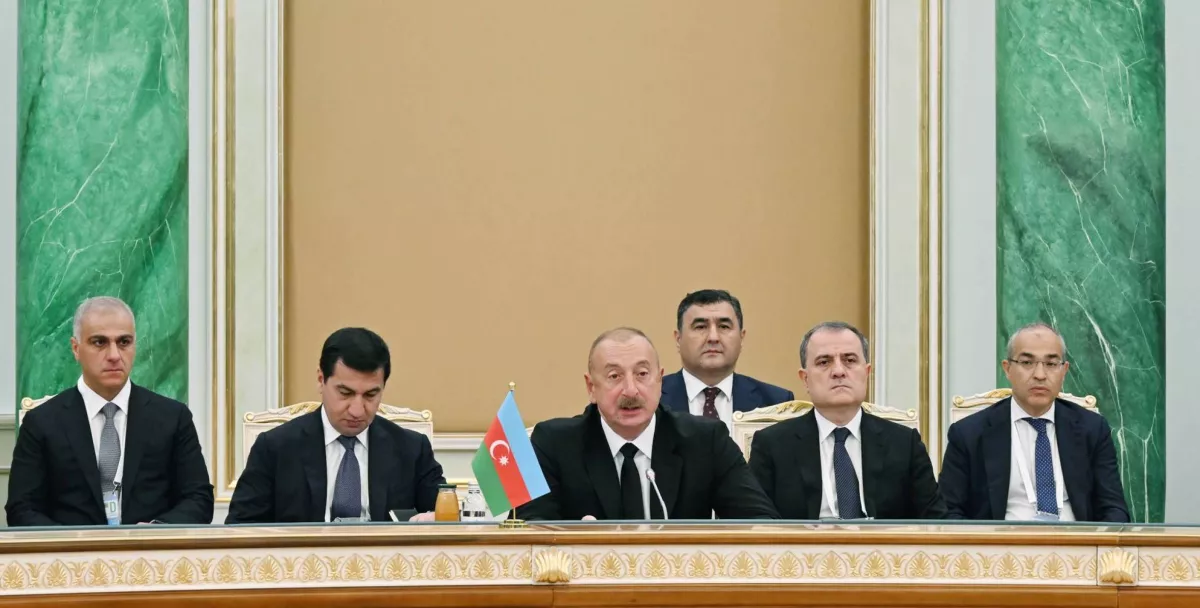
For instance, at the 6th Consultative Meeting of the Heads of Central Asian states in 2024, where Ilham Aliyev participated as an honorary guest, he stressed that rising global threats require strengthened cooperation among our countries in defence and security.
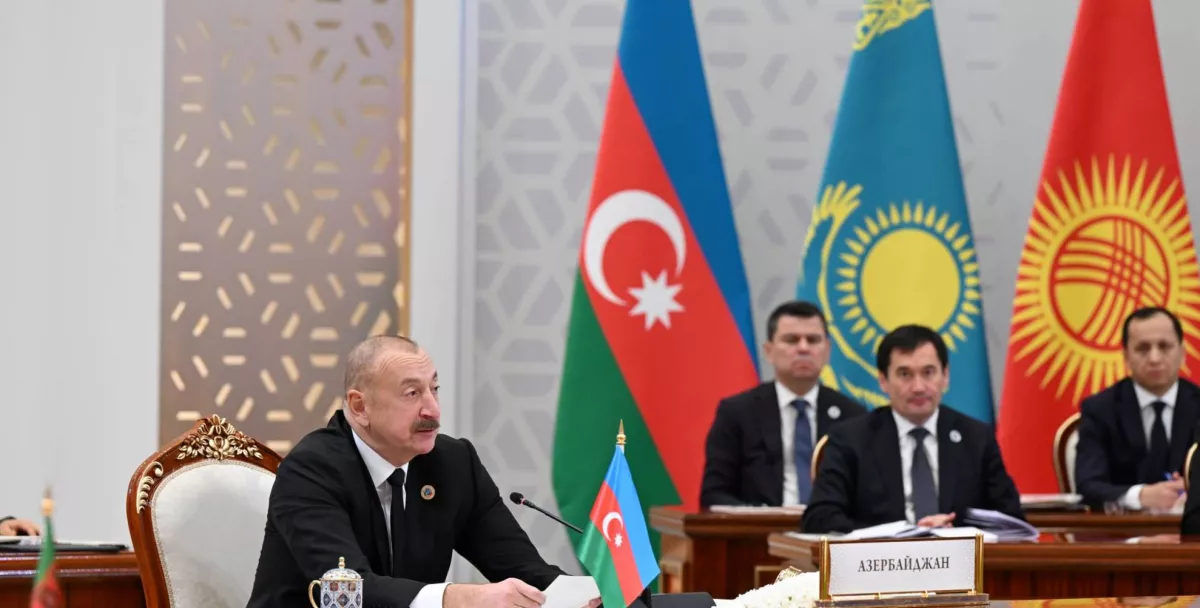
A year later, at the 7th Consultative Meeting of Heads of State of Central Asia—where Azerbaijan’s accession to this format was announced—the president noted that, despite the country’s geographic location in the South Caucasus, “thanks to this active interaction, Central Asia and Azerbaijan today form a single geopolitical and geo-economic region, whose importance in the world is steadily growing.”
At the 12th Summit of the Council of Heads of State of the Organisation of Turkic States in 2025, the head of state stated unequivocally: “development cannot be achieved without ensuring security.” In an environment where international law is breaking down, cooperation between countries in military and defence-technical spheres takes on particular importance.
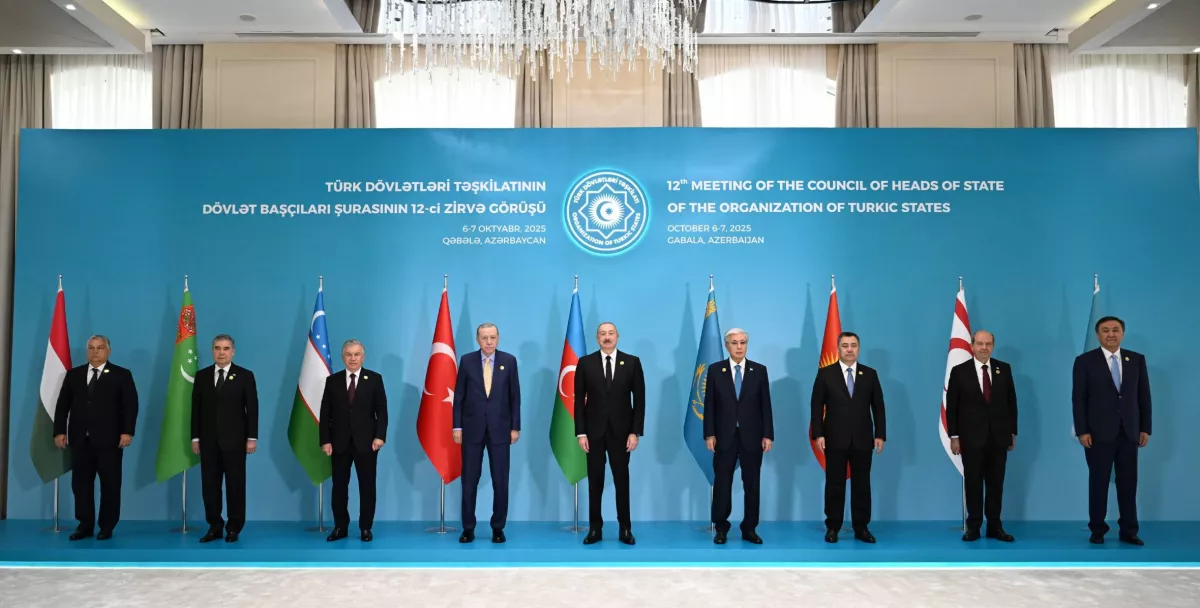
Highlighting the deep collaboration built in this context with allied Türkiye, Aliyev proposed holding joint military exercises in Azerbaijan in 2026 involving the OTS member states. This proposal was justified by the fact that military strength remains a key factor in safeguarding the independence and territorial integrity of states under current global conditions.
Examining various aspects of the statements made by the leader—whether in speeches, interviews, or addresses—we have repeatedly noted that they carry a clear message to all interested parties. In this context, his points presented at the 13th Global Baku Forum take on particular significance. Especially since today, Azerbaijan is not only an important geographic link at the crossroads of East and West, North and South, but also a key geopolitical hub of international importance.
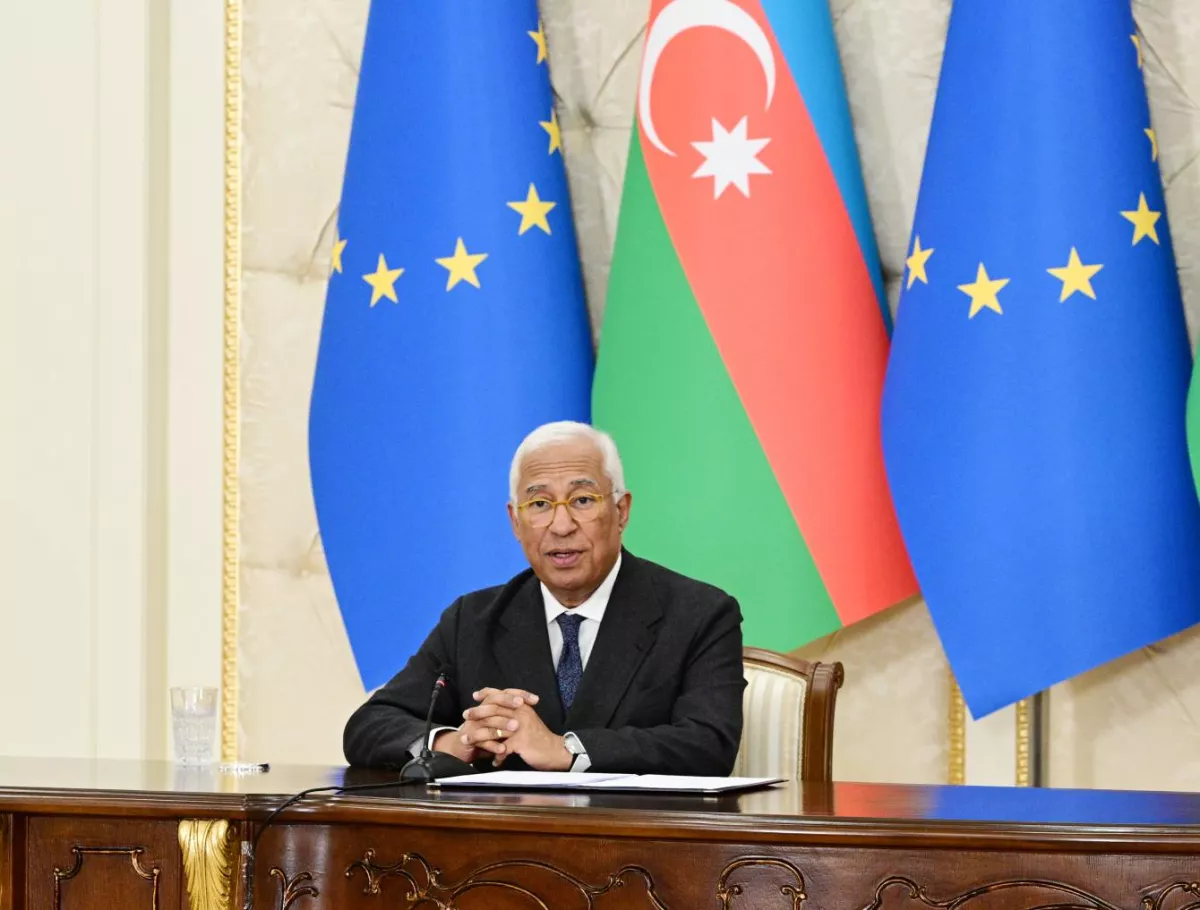
This was further confirmed by the words of gratitude from the President of the European Council, António Costa, during his recent visit to Azerbaijan, acknowledging the country’s significant role in ensuring Europe’s energy security.
Thus, recent global developments have once again highlighted Azerbaijan’s special role in the world system. Against this backdrop, the carefully considered and strategically precise steps taken by official Baku to strengthen security and defence are not just justified—they are critically important for the country’s continued sustainable development.







 editor@caliber.az
 +994 55 444-88-98
 Азербайджан, Баку, ул. Низами, 203, Af Business House, 5-й этаж