










Korean deadlock Seoul seeks EU mediation with Pyongyang
Amid complex relations with North Korea, South Korean authorities have not given up on attempts to establish dialogue with Pyongyang. A recent appeal from Seoul to the EU to act as a mediator in talks with the North Korean side is evidence of this.
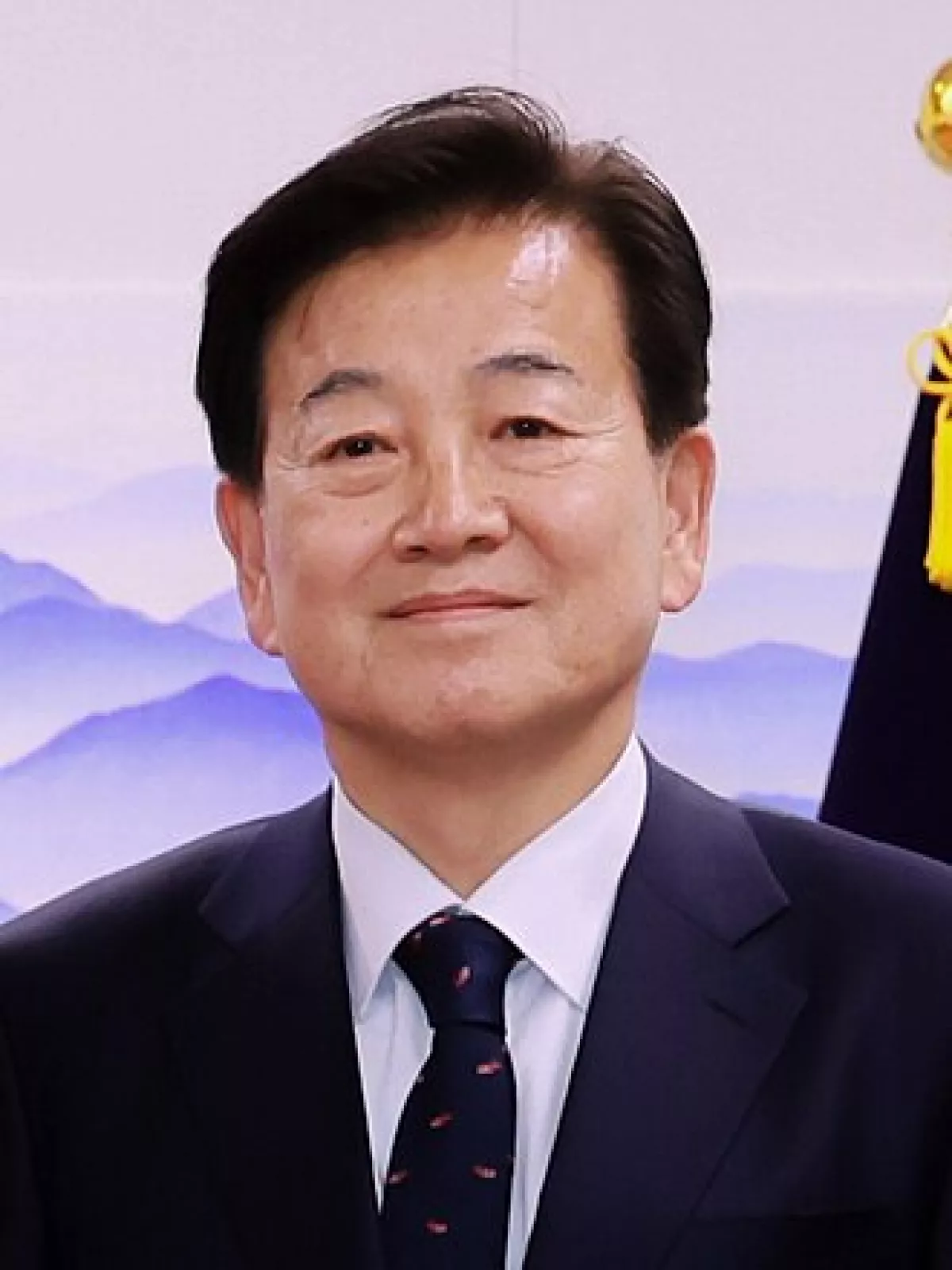
During a meeting with a delegation of the European Parliament’s Committee on Foreign Affairs, led by Chairman David McAllister, South Korea’s Minister of Unification, Chung Dong-young, asked the European Union to consider mediating a “two-plus-one” political dialogue to reduce tensions on the Korean Peninsula.
“I would appreciate it if the EU would consider facilitating an EU-mediated two-plus-one political dialogue between South and North Korea,” the minister said, describing the situation between the two countries as “a swamp of distrust and hostility.”
As can be seen, the administration of President Lee Jae Myung has firmly taken a course aimed at improving relations with Pyongyang to reduce tensions in East Asia. This initiative from Seoul is also intended to signal to the international community that the North Korean factor is not merely a regional problem, but a matter of global security.
Such an approach by the South Korean authorities is undoubtedly commendable. However, a natural question arises: “How realistic is it for Brussels to act as a mediator in such a complex matter?” It seems likely that the answer would be negative, as several significant factors suggest.
First, despite its strategic alliance with South Korea, grounded in shared values and economic cooperation, the EU is not a key player in the East Asian region, where China plays the leading role.
Beijing firmly maintains its position as the military, political, and economic centre of gravity in the region. It is North Korea’s main partner and views the active involvement of external actors in Korean Peninsula affairs with considerable scepticism, due to concerns that such involvement could shift the regional balance of power in favour of NATO or U.S. interests.
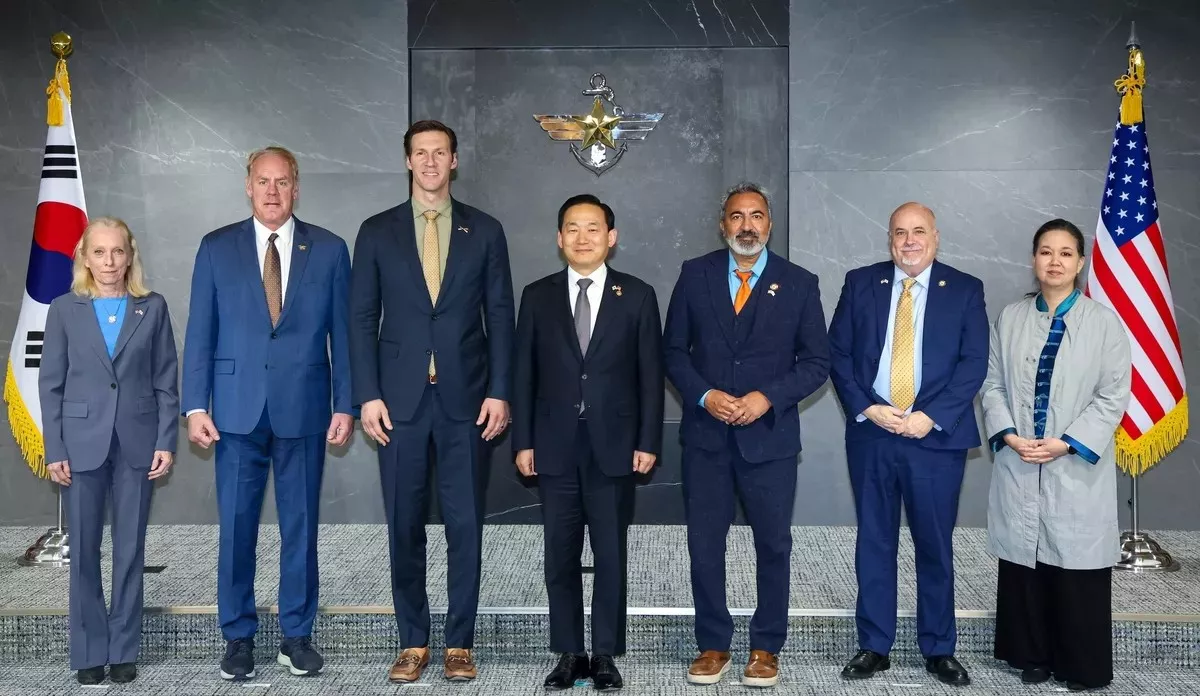
On the other hand, South Korea maintains close ties with the United States, including in the defence sphere, as evidenced by the regularly conducted joint military exercises between the two countries’ forces, which traditionally provoke a sharp negative reaction from Pyongyang. In particular, according to Yonhap, South Korea’s Defence Minister Ahn Gyu Back recently held talks with a delegation of U.S. senators, during which they discussed strengthening the alliance between Seoul and Washington, South Korea’s plans to develop a nuclear-powered submarine, and the potential for bilateral cooperation in shipbuilding and naval maintenance as a factor in enhancing U.S. maritime power.
Thus, at most, the EU can aspire to play the role of a diplomatic regulator in the process of normalising relations between Seoul and Pyongyang. The main influential players in the region will continue to be the United States and China, whose positions will determine the future balance of power in East Asia.
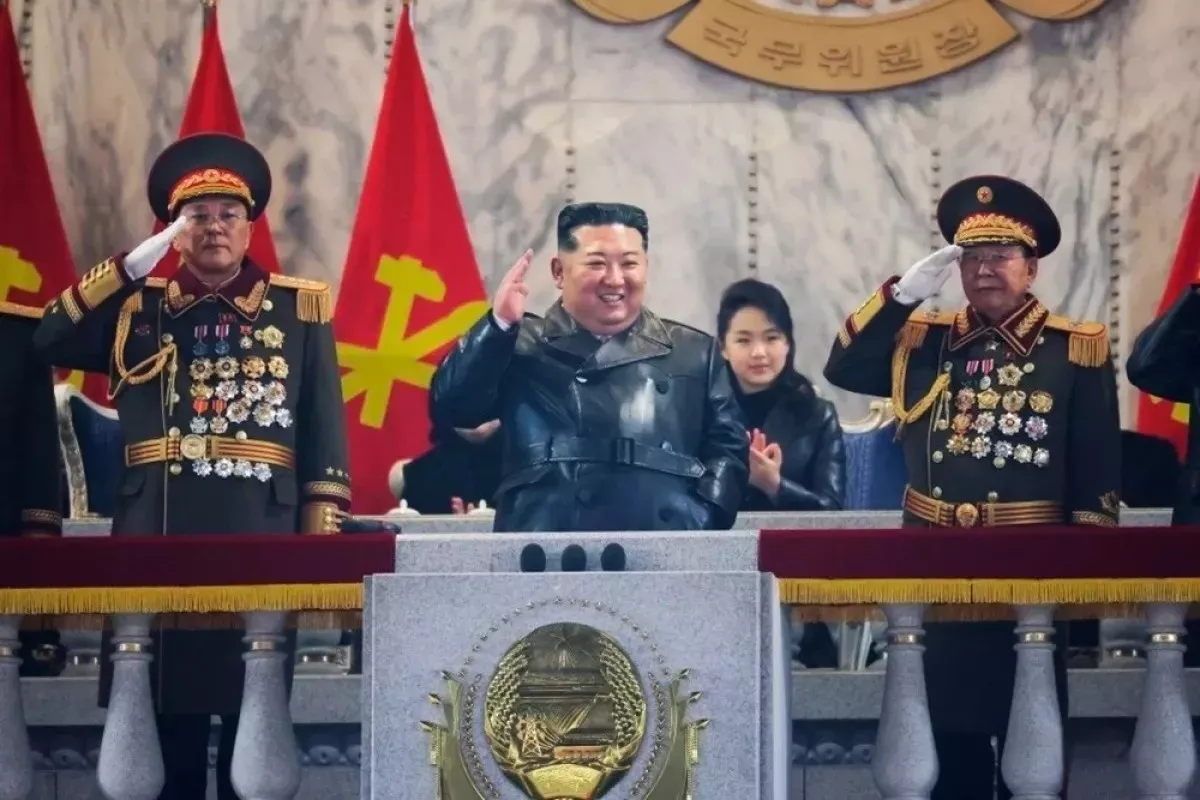
On the other hand, Pyongyang’s uncompromising stance toward Seoul cannot be overlooked. It is worth recalling that, despite the formal armistice following the Korean War, South and North Korea never signed a peace treaty, remaining effectively in a “cold war” state.
In recent years, North Korea has taken an extremely radical position, officially rejecting reunification with Seoul. Pyongyang has demolished symbols of reunification, dismantled the roads connecting the two countries, and adopted a “two-state” policy, enshrining in its Constitution a provision that designates South Korea as a “hostile state” and its “main enemy.”
Moreover, North Korean leader Kim Jong Un has repeatedly emphasised in his speeches that the possibility of reunification with South Korea is absolutely out of the question, since, in his view, it is a colony of the United States and an unwavering enemy. As he put it: “From the standpoint of national interests, we have no intention of unifying with a country that has handed over its policy and national defence to foreign powers.”
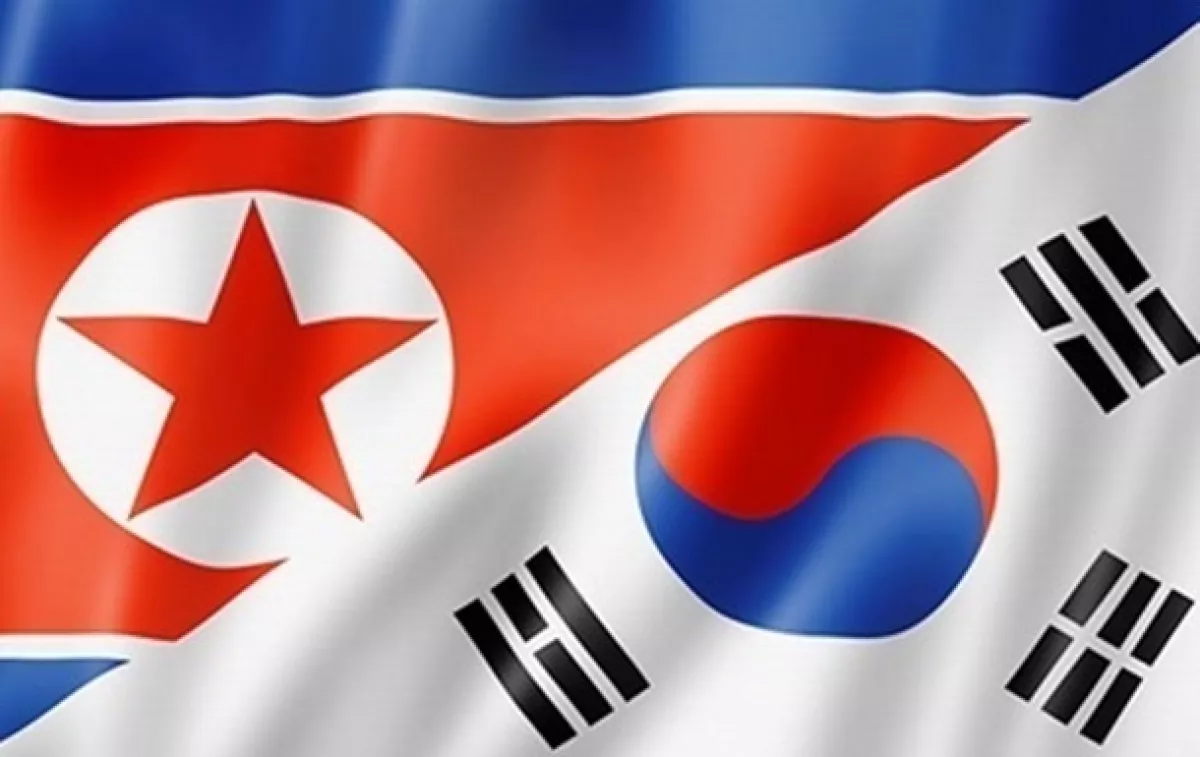
Under such circumstances, the chances of the European Union—representing Western bloc countries—successfully mediating are virtually nonexistent. However, China could play a role, given its established ties with Pyongyang and its engagement with the EU on various issues.
Even if, hypothetically, North Korea were persuaded to accept EU mediation thanks to Beijing’s efforts, the likelihood of fully resolving the Korean issue in the medium term remains extremely low. This is because the dispute is not so much over tangible resources as over the ideological right to unify the peninsula under one’s own leadership and over political legitimacy.







 editor@caliber.az
 +994 55 444-88-98
 Азербайджан, Баку, ул. Низами, 203, Af Business House, 5-й этаж