










Lithuania vs Belarus and drones on the border Provocation from above
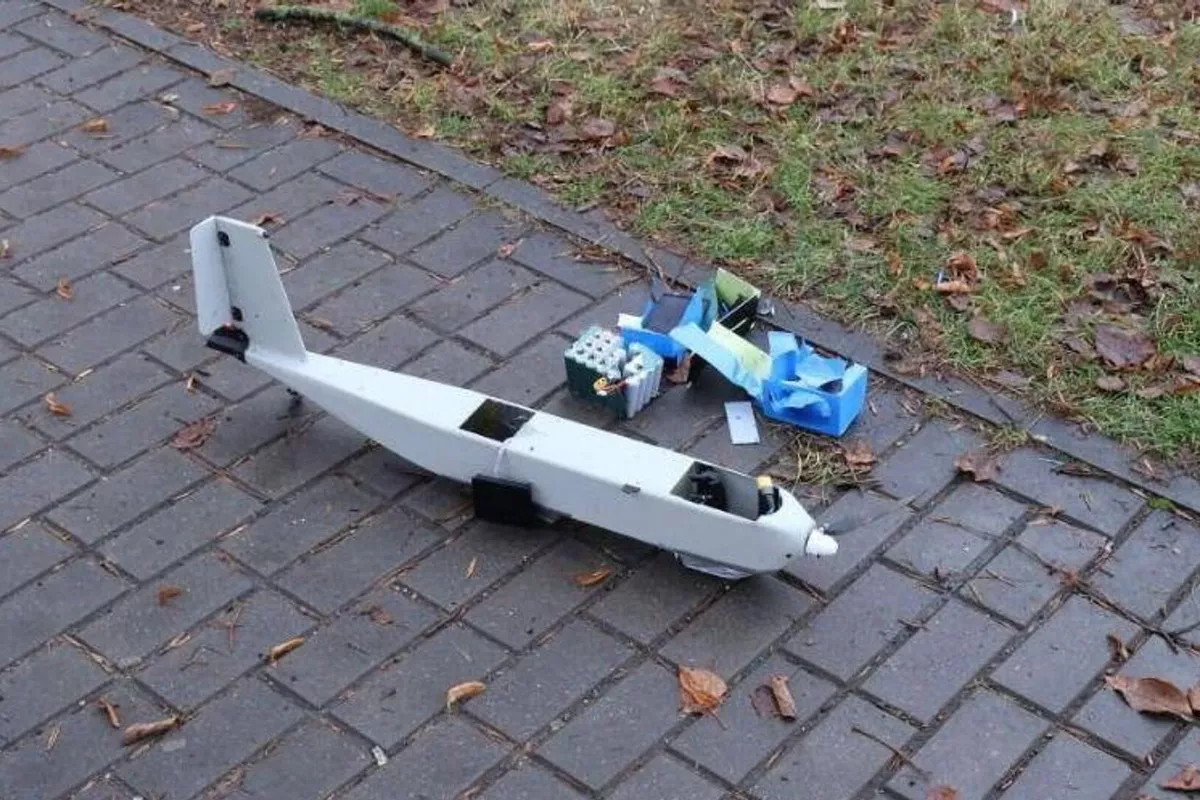
On the wreckage of the drone that crashed in Grodno, authorities discovered tracking equipment and a navigation program indicating that the UAV was intended to continue its flight into Poland.
Shooting in the legs
On November 30, an unmanned aerial vehicle fell on one of the streets of Grodno. Before the crash, the drone scattered printed materials featuring the white-red-white flag (“BChB”), which is recognised as extremist in the Republic of Belarus. In addition, the UAV was equipped with photo and video cameras for intelligence collection, as well as two 32 GB memory cards. Analysis of the onboard equipment revealed that the drone had been launched from the village of Kampčiamiestis in the Alytus district of Lithuania.
According to its programmed flight plan, after crossing the Belarusian border, the drone was to enter Polish airspace, then move towards Germany, perform a turn near the city of Bydgoszcz, re-cross the Belarusian border, and return via Grodno to its launch point in Lithuania.
According to the press service of the Belarusian president, Alexander Lukashenko was promptly informed about the incident and issued the necessary instructions.

Belarusian presidential press secretary Natalya Eismont stated: “The State Security Committee and all other necessary structures are acting in accordance with the instructions received… As for the Lithuanians — having once made a blunder with the border closure, they are now committing further foolish actions that will backfire on them. We believe neither the Belarusian nor the Lithuanian people need this, but we are ready for anything.”
According to her, Minsk will soon understand the goals and motives behind such actions by Vilnius. “But for now… having once shot themselves in the foot, they are now shooting themselves between the legs,” Eismont added.
On December 1, the acting chargé d’affaires of the Republic of Lithuania was summoned to the Belarusian Ministry of Foreign Affairs. He was presented with a formal protest regarding the violation of Belarusian state borders. Minsk considered the incident a deliberate provocation not only against Belarus but also against Poland. The Lithuanian side was asked to provide comprehensive information about the incident, including details on the purpose of the drone launch and its operator, to conduct a thorough investigation, hold those responsible accountable, and take measures to prevent similar incidents in the future.

Lithuanian media have so far remained silent. Darius Buta, a representative of Lithuania’s National Crisis Management Centre (NCMS), refused to comment when asked by journalists, stating only that this is a “fabricated story.”
Programmed for escalation
What other details have emerged about this incident? Belarusian nationalist opposition sources immediately began spreading claims that the drone was allegedly homemade. According to the opposition, this interpretation was likely intended to downplay the significance of the incident and deflect suspicion from the possible involvement of official Lithuanian structures.
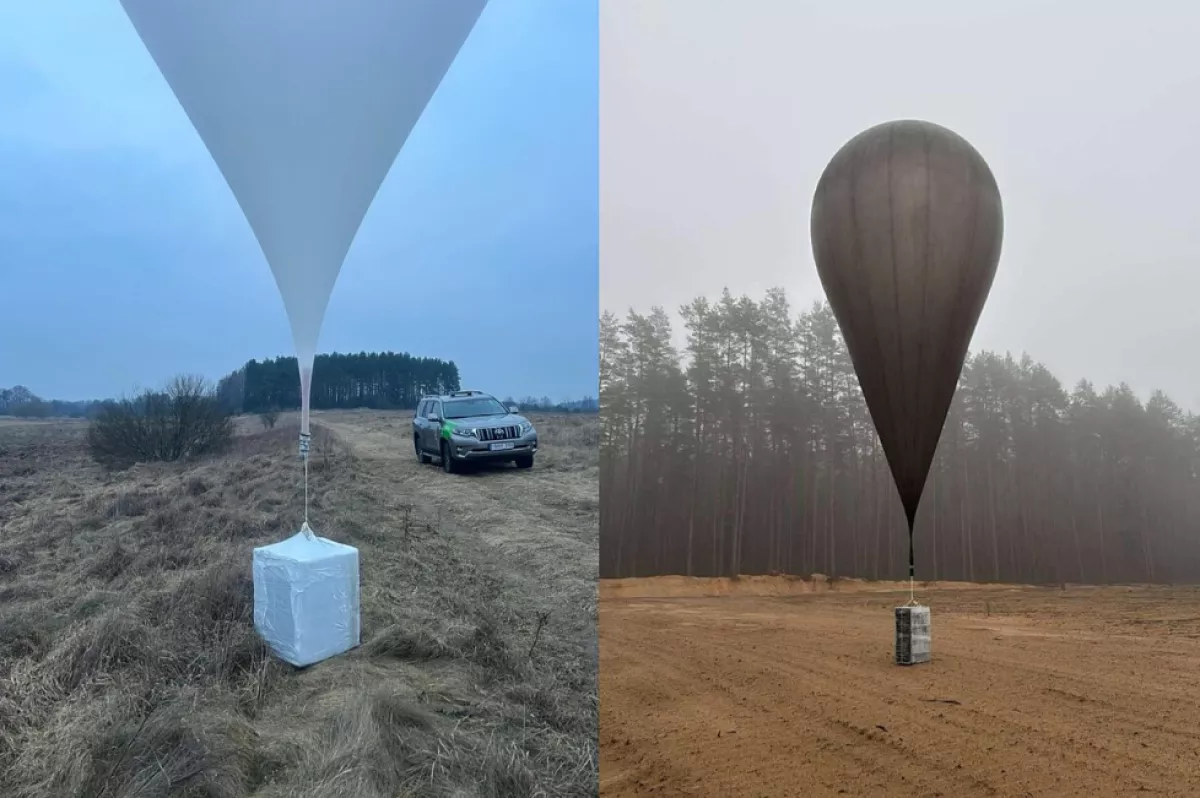
At the same time, there were claims that the incident was supposedly orchestrated by the Belarusian side itself — to distract attention from the case involving cigarette-smuggling aerial balloons (the so-called “hybrid war” in Lithuania’s interpretation). This “conspiracy theory,” in her own words, was voiced on Euroradio by Belarusian opposition figure Alina Kharysova.
However, the UAV that crashed in Grodno was an aircraft-type drone with a wingspan of about 1.5 metres, manufactured commercially. The drone is marked with the German company Aero-naut, serial number R250204. Notably, during World War II, this company, which specialised in model aviation, regularly supplied plywood and materials to the National Socialist Flyers Corps (NSFK) and other Third Reich structures — a fact openly acknowledged on the company’s website.
But that, as they say, is beside the point. Anyone could have purchased such a model. So who is behind this provocation, and why?
It is fairly obvious that the “war party” seeks to disrupt the emerging thaw in relations between Belarus and the West. Notably, the flight of the Lithuanian drone occurred on the eve of another visit to Minsk by representatives of Donald Trump’s administration.
At the same time, negotiations were underway in Minsk with the Lithuanian road transport association LINAVA on issues that arose following the border closure by Lithuania. Belarusian President Alexander Lukashenko instructed authorities to provide full support to Lithuanian entrepreneurs. Therefore, the launch of the provocative drone could also have been aimed at undermining the process of normalising Belarus’s relations with Lithuania’s business community.
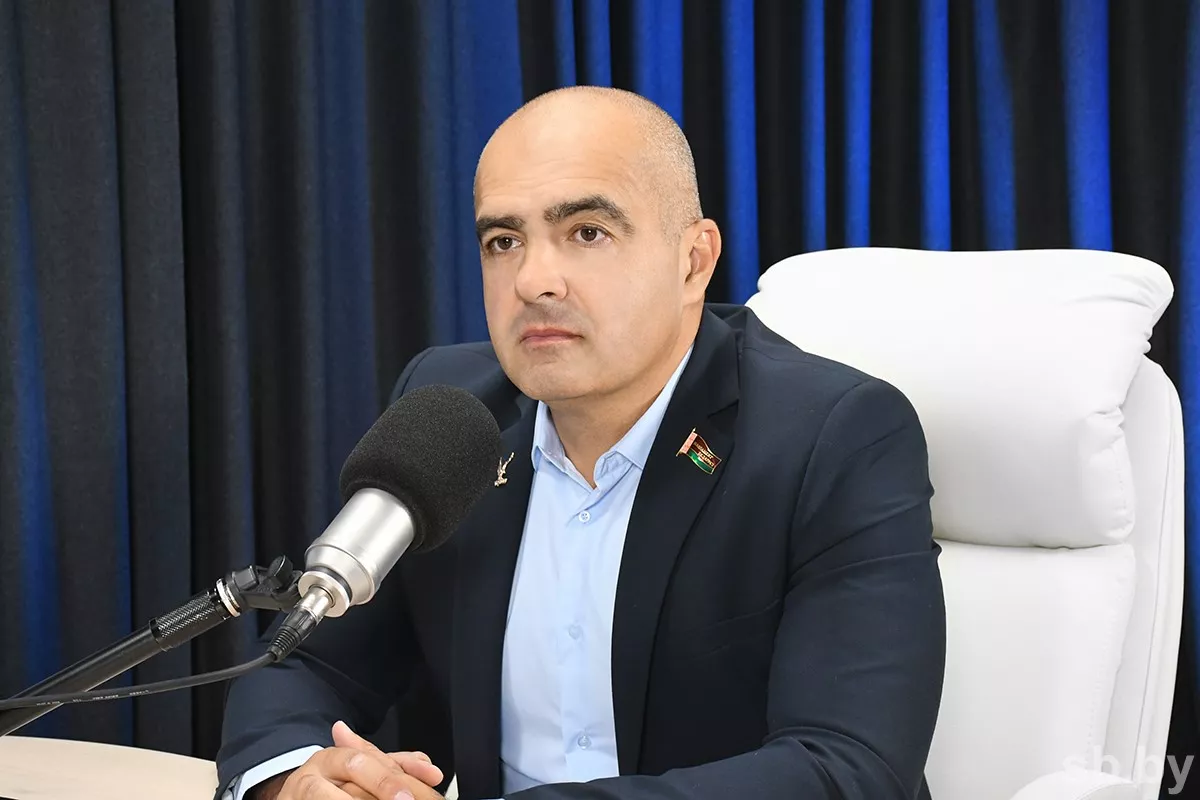
“Lithuania has carried out a serious provocation against Belarus, but we are not closing the border or hysterical, unlike the Lithuanians, who are afraid of aerial balloons,” said Belarusian National Assembly deputy Oleg Gaidukevich. According to him, Lithuanian border guards “smoke Belarusian contraband cigarettes.”
Belarusian parliament member Alexander Shpakovsky believes that the drone provocation was orchestrated by the Lithuanian side and is a continuation of its hostile policy towards Belarus. In his view, the purpose of the action is to provoke Minsk into responding, thereby portraying Lithuania as a victim in the eyes of the US and the EU.
The Belarusian Foreign Ministry described the incident as a double provocation. Indeed, the intrusion of an unknown drone from Belarusian territory into Polish airspace could have seriously complicated the already tense relations with Warsaw. It is worth noting that Poland had previously closed its border with Belarus as well, but reopened it following a visit to Warsaw by Chinese Foreign Minister Wang Yi.
Undoubtedly, forces seeking to undermine China’s economic influence in Europe will continue to organise provocations along Belarus’s borders with Poland and Lithuania — key transit routes for Chinese goods.
Drone provocations
It is too early to speak definitively about the individuals behind the drone flight from Lithuania to Poland via Grodno. However, if Belarusian nationalist opposition activists or their paramilitary formations were involved, they would not have been able to carry out such an operation without the knowledge of the relevant Lithuanian authorities.
This episode is far from the first case of drones being used against Belarus.

In April 2024, Belarusian KGB Chairman Ivan Tertel reported that extremists based in Lithuania were preparing a strike with attack drones on Minsk and its suburban areas. The targets were intended to be critical infrastructure facilities. According to Tertel, the KGB, in coordination with other agencies, took a series of “decisive” measures that prevented these provocations.
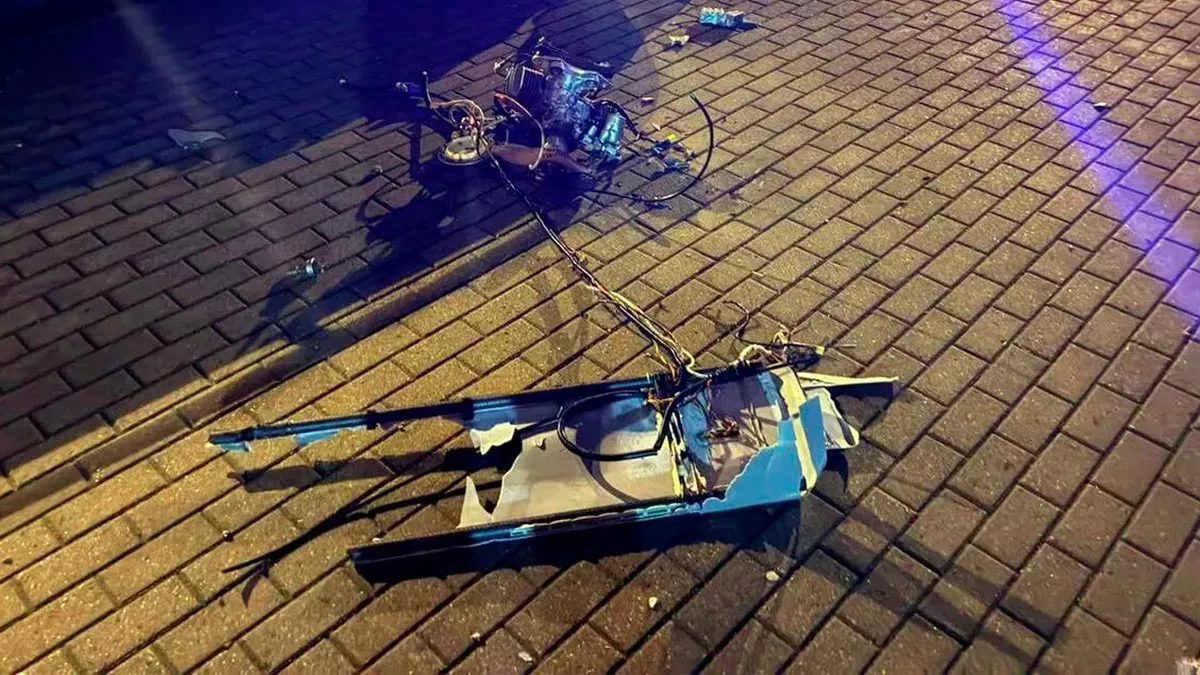
In July 2025, a combat drone, neutralised by electronic warfare systems, fell in the courtyard of a house on Matusevich Street in Minsk. Several cars were damaged, but fortunately, there was no detonation. Upon disarming, it was found that the drone carried 59 kg of explosives, as well as steel ball shrapnel.
At the same time, Belarus has consistently advocated — and continues to advocate — for peace and stability, not only in the region but globally. However, as the country’s leadership has repeatedly emphasised, the state is always prepared to respond appropriately to any challenges or provocations.







 editor@caliber.az
 +994 55 444-88-98
 Азербайджан, Баку, ул. Низами, 203, Af Business House, 5-й этаж