










Turkish platform for the Vatican Pope Leo XIV’s historic visit
Türkiye has once again confirmed that this great country provides a platform for peace, mutual understanding, and consensus — and does so in a variety of formats.
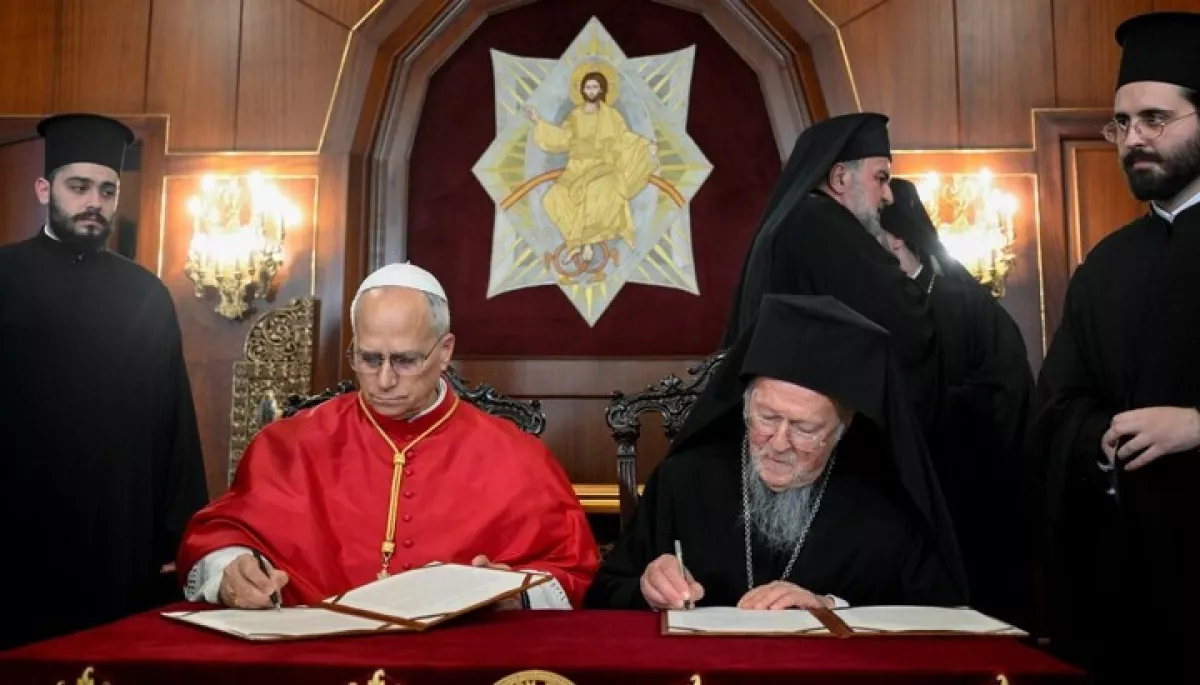
On November 29, the head of the Roman Catholic Church, Pope Leo XIV, and the leader of the Ecumenical Patriarchate of Constantinople, Archbishop of Constantinople — New Rome and Ecumenical Patriarch Bartholomew I, signed a joint Declaration on the rapprochement of the Churches. In the document, they expressed their intention to establish a common date for celebrating Easter and called for an immediate end to wars.
The religious leaders emphasised that they “continue to walk with firm determination on the path of dialogue, in love and truth (cf. Eph 4:15), towards the hoped-for restoration of full communion between our sister Churches.” Leo XIV and Bartholomew I, while acknowledging the obstacles to full Christian unity, noted that they are united by faith. According to them, Christian unity should contribute to the establishment of peace among peoples, and the name of God cannot be used to justify violence or xenophobia.
They urged politicians to work towards the immediate cessation of wars, as building a just and fraternal peace is a manifestation of care for the creations of the Almighty. Only in this way can indifference, the desire for domination, greed, and xenophobia be overcome — especially since “God will not abandon humanity.”
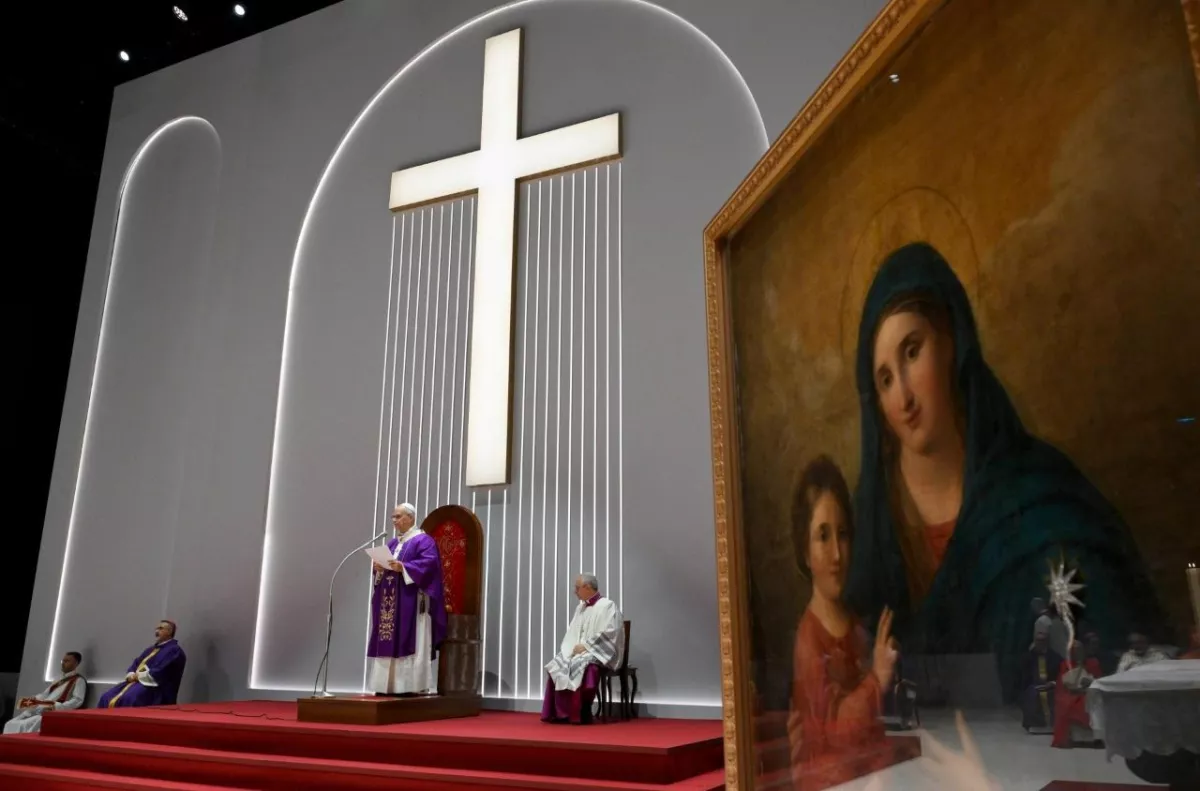
During the celebration of the Holy Mass on the first Sunday of Advent at the Volkswagen Arena complex in Istanbul, Pope Leo XIV emphasised that the world needs unity and reconciliation. He used the image of a bridge, reflected in the logo of his visit to Türkiye, including the famous connecting structures over the Bosphorus that unite Asia and Europe. The Pope drew a parallel between these three bridges and the need for joint efforts to strengthen unity on three levels: “within the community, in ecumenical relations with members of other Christian denominations, and in our encounters with brothers and sisters belonging to other religions.”
Highlighting the importance of moving forward in a united manner based on unifying trends, which can break down walls of prejudice and distrust and promote mutual understanding and respect as a path to peacebuilding, Leo XIV focused on mercy in the context of helping one’s neighbour. He urged people to cast aside “works of darkness” and to put on the “armor of light.” In this context, a parallel can be drawn with the Qur’anic assertion that humanity was created “into nations and tribes so that you may know one another” (Qur’an 49:13).
During his participation in the solemn Divine Liturgy at the Patriarchal Cathedral of St George, where he prayed alongside Bartholomew I, the head of the Catholics stressed the necessity of joint efforts by Catholics and Orthodox for the benefit of all humanity across three key areas: first, in preserving peace; second, in fulfilling the task of protecting the environment; and finally, in the development of new technologies so that the benefits of progress do not serve only a “small number of people or the interests of a privileged few.” In this regard, Leo XIV advocated for common efforts to ensure the responsible use of technology for the good of every person.
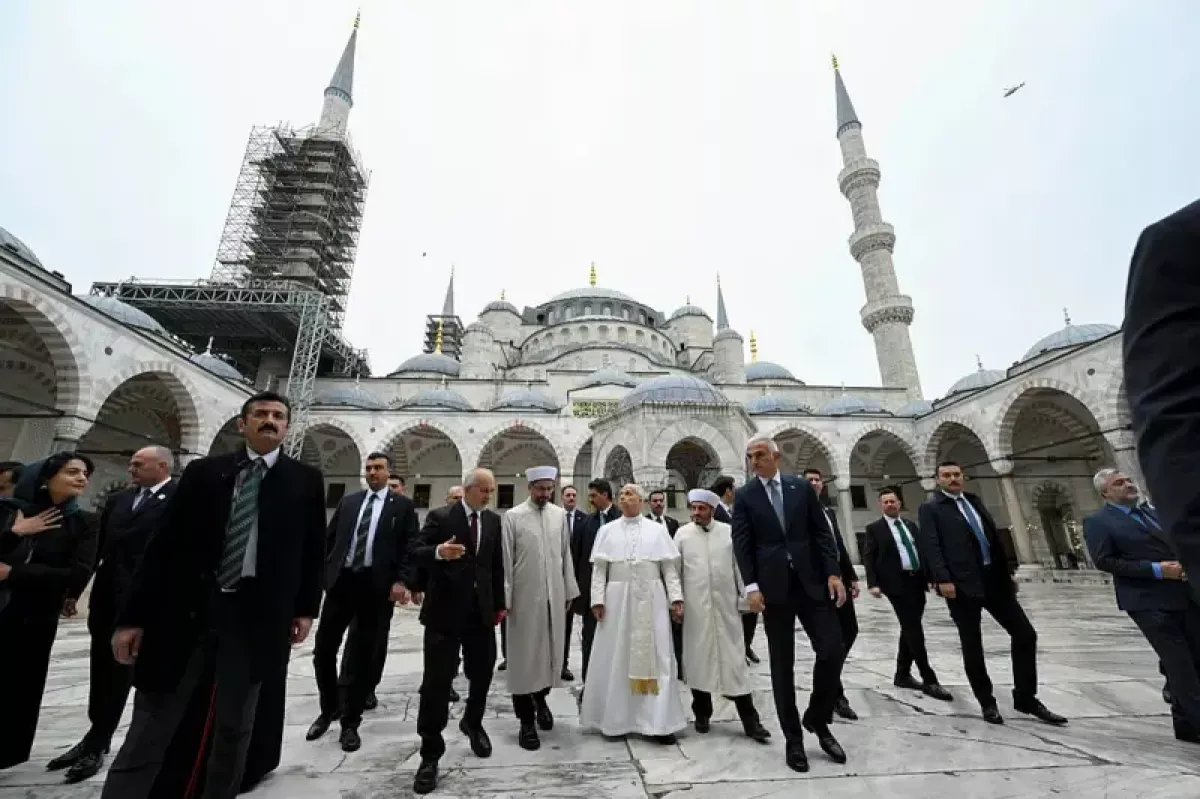
The head of the Roman Catholic Church also visited the Sultanahmet Mosque in Istanbul, famously known as the Blue Mosque.
The Pope openly called for an end to wars — and this was by no means the first time — echoing the repeated appeals of his predecessor, Pope Francis, who in 2022 highlighted the need for an active anti-war movement within the faith community.
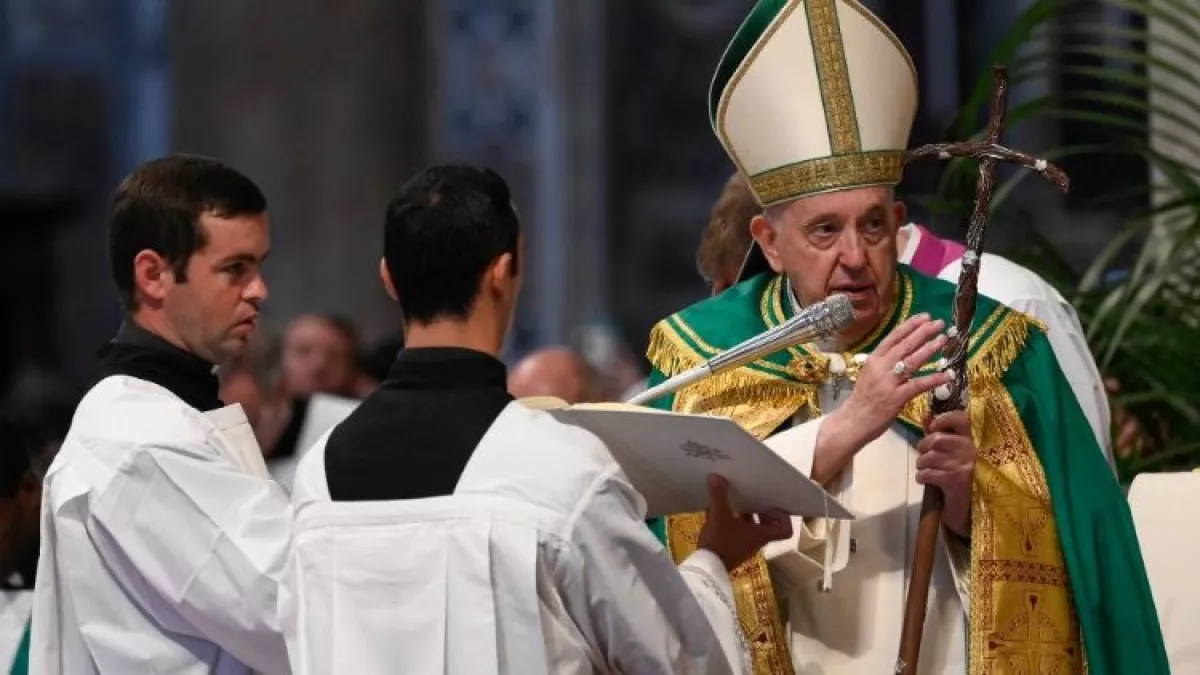
“When you see troubling events all around you, while wars and conflicts are on the rise, while earthquakes, famines and plagues are happening, what are you to do; what do I do?” he asked. “Do you distract yourself in order not to think about it? Do you amuse yourself in order not to get involved?” Pope Francis regretted that masses of people choose a worldly path, failing to take dramatic situations to heart, turning away to see nothing, and passively and resignedly adapting to what is happening.
In one of his early addresses to the faithful, Leo XIV expressed gratitude to various Catholic associations providing solidarity and support to the people of Gaza. He emphasised that there is no future built on violence, forced displacement, or revenge. Peoples “need peace; those who truly love them work for peace.” In October 2025, Pope Leo XIV sent humanitarian aid to the populations of Gaza and Ukraine.
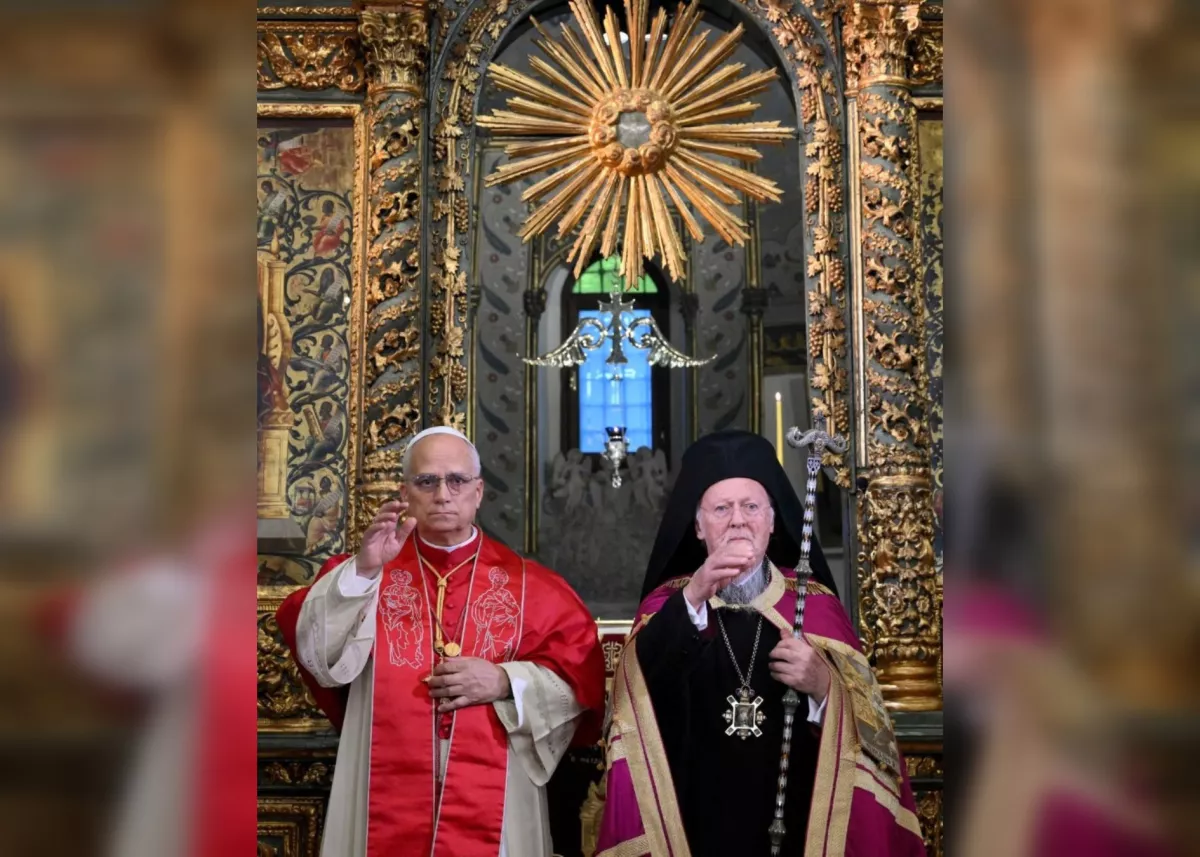
The visit of the head of the Roman Catholic Church is undoubtedly of historic significance — primarily in light of the signing by Leo XIV and Bartholomew I of a Declaration that not only reaffirmed the intention to continue rapprochement between Christian Churches but also underscored the urgent need to end wars, accompanied by a call for all people to support the path of peace. This emphasis resonates closely with the Qur’anic assertion that “whoever kills a person not in retribution for murder or for spreading corruption on earth, it is as if he has killed all mankind; and whoever saves a life, it is as if he has saved all mankind” (Qur’an, 5:32).
One can only hope that the primary recipients of these messages will heed the calls to end bloodshed.
Following the conclusion of his apostolic visit to Türkiye, Pope Leo XIV proceeded to Lebanon.







 editor@caliber.az
 +994 55 444-88-98
 Азербайджан, Баку, ул. Низами, 203, Af Business House, 5-й этаж