










Ukraine between war and collapse Why Kyiv could run out of funds
Recently, claims that Ukraine is on the brink of a major financial crisis have become a recurring theme—not only in statements by various politicians but also across global media—and it has become one of the most discussed topics in Ukrainian society. Unfortunately, such forecasts have a solid basis.
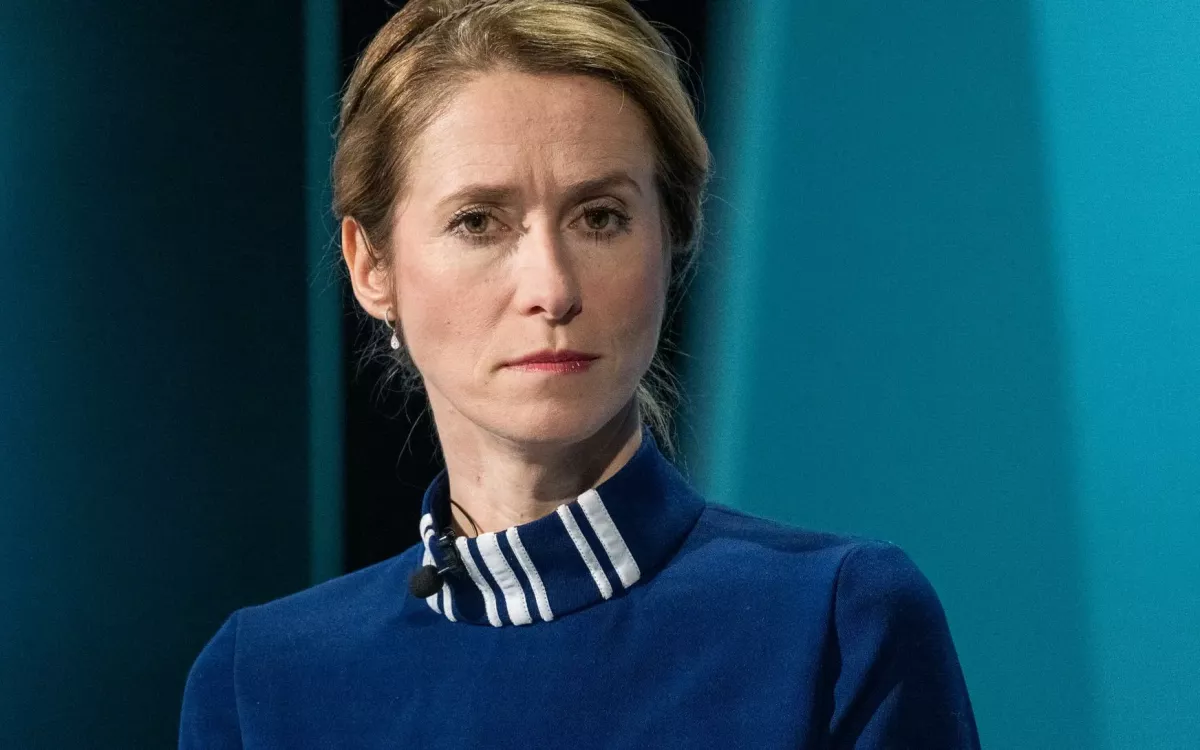
In particular, this is confirmed by statements from the European Union’s High Representative for Foreign Affairs and Security Policy, Kaja Kallas, made during her recent visit to Ukraine. At a joint briefing with Ukraine’s Foreign Minister, Andrii Sybiha, the senior EU official stated that the situation regarding the €90 billion loan for Kyiv is far from optimistic, noting that work is ongoing to overcome obstacles to the implementation of the 20th package of sanctions against Russia and the final approval of the loan.
“The work is ongoing to overcome these obstacles, but unfortunately, today I don't have good news to deliver here that this loan will be disbursed. That's why we are still working, and hopefully we will get this decision next time,” she said.
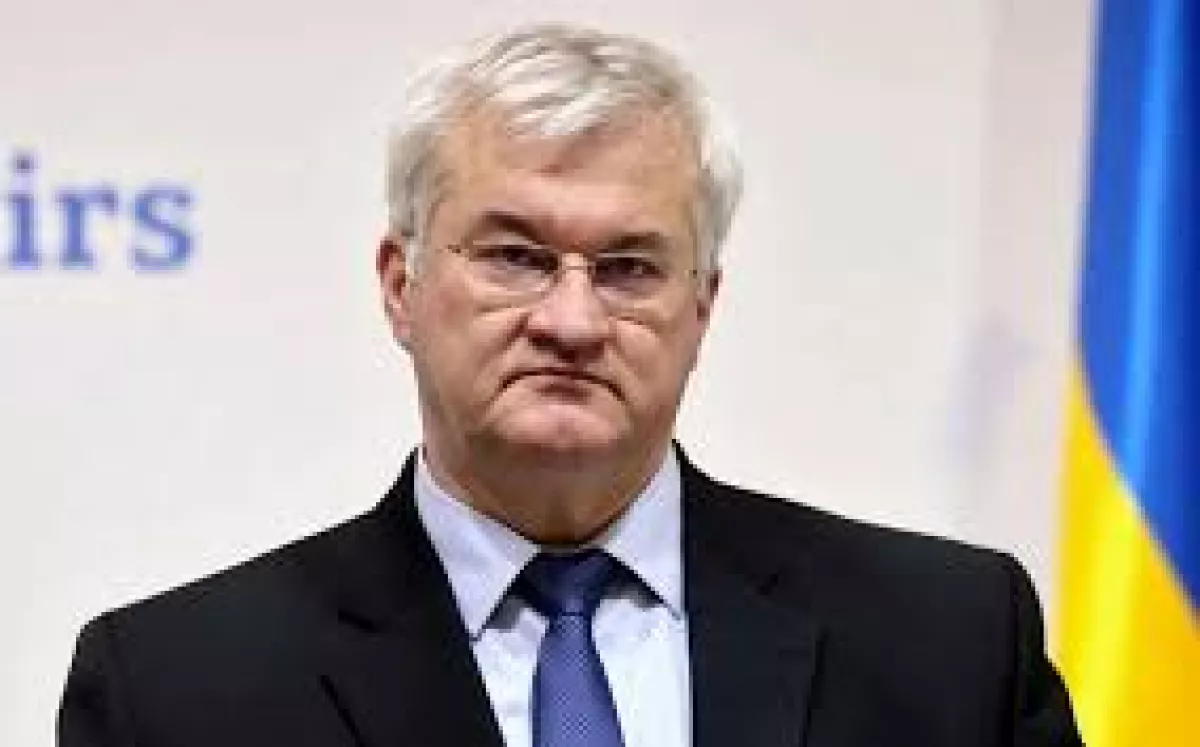
In turn, Ukraine’s foreign minister emphasised that the main obstacle to this decision is Hungary, adding that Ukraine hopes a way will be found to overcome this artificially created barrier.
Thus, as Andrii Sybiha’s statements imply, the parliamentary elections in Hungary scheduled for April 12 have become of critical importance for Kyiv. Naturally, the most favourable outcome for Ukraine would be a victory for the opposition party Tisza, led by Péter Magyár, over Fidesz, the party of current Prime Minister Viktor Orbán.
On the other hand, the current situation confirms the fact that the European Union initially had no “Plan B” for Ukraine, and everything depended on “Plan A,” under which Brussels would succeed in persuading Budapest to lift its veto on granting the €90 billion loan to Kyiv. In addition, it should not be overlooked that Slovakia is also opposed to the allocation of this loan.
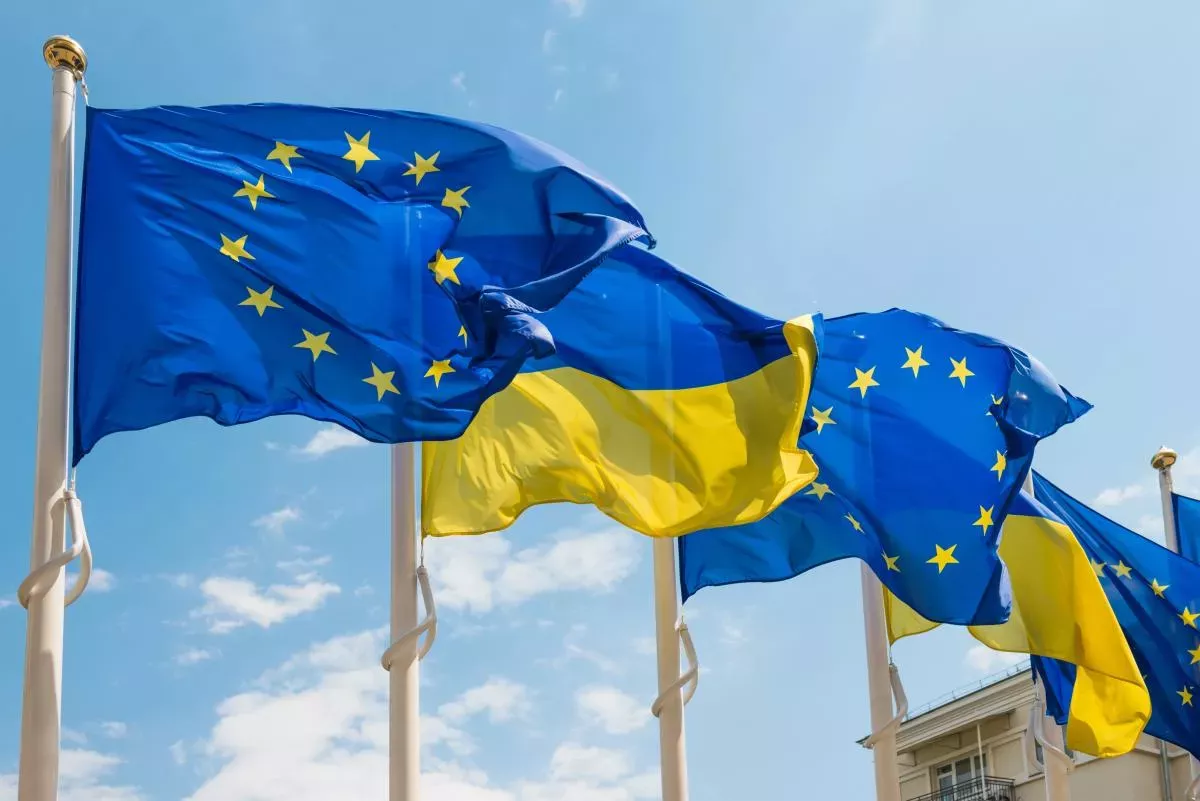
Thus, the question of when Ukraine will actually receive these funds—if it receives them at all—remains open, even though the European Commission took preparatory steps on April 1 by dividing the loan into two parts. The Commission proposed that the European Council approve the allocation of €45 billion to Ukraine by December 31, 2026, with the remaining portion of the €90 billion to be delivered next year.
However, these are again only words and plans, while Ukraine urgently needs the money. This urgency was highlighted by Verkhovna Rada deputy Ruslan Horbenko, who warned that the country could face a collapse in pension and social worker salary payments within two months if the West does not provide financial assistance.
“Regarding the funding of pensions, social payments, and salaries for social workers, there could indeed be a collapse within two months if we do not receive additional timely aid—which is already built into our budget—from our partners, including support from the IMF. Of the €90 billion EU loan, 70% is earmarked for arms procurement,” the MP said in an interview with a Ukrainian YouTube channel.
He also stated that “money for the war is already allocated in the budget”: “The economy would have to come to a complete stop for us to run out of funds to finance our military.” Earlier, Ukrainska Pravda reported that within two months, Kyiv could face difficulties in funding both military and civilian expenses. Similarly, Bloomberg, citing its sources, presented a bleak forecast for Ukraine: without Western assistance, the country could run out of budget funds within two months.
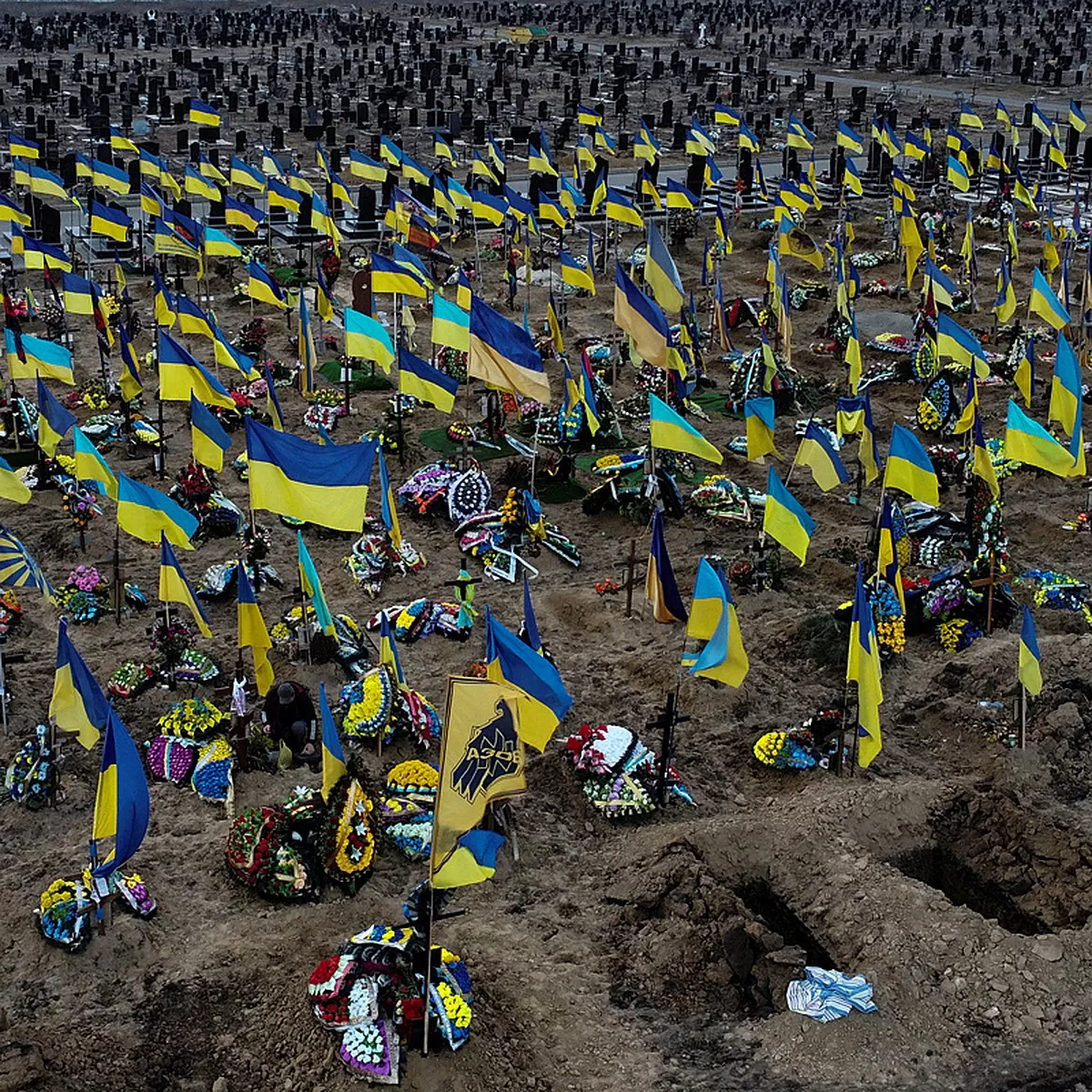
Here, it is necessary to mention an expense category that carries enormous moral, ethical, and psychological significance for Ukrainians. This is the one-time state assistance of 15 million hryvnias (approximately $345,000) provided to the families of servicemen of the Ukrainian Armed Forces, mobilised personnel, and volunteers who died during combat. The payment is made in stages (20% immediately, with the remainder distributed over 40 months) and is divided equally among family members (parents, spouses, children). The sum, as we can see, is substantial, but paying it to the families of all the fallen is simply unrealistic, especially under the current circumstances. As a result, many servicemen who gave their lives for Ukraine’s freedom have been, are, and will continue to be officially recorded as “missing in action.”
This is the situation faced by the family of the Ukrainian actor and TV host Maksym Nelipa, who was killed on the front lines, as recounted by his brother, Andriy Nelipa, on Facebook. It turned out that a year after Maksym’s death, not all the state benefits and entitlements had been fully processed. According to Andriy, the family has not received the promised payments and benefits, but what worries them most is the inability to properly arrange his burial site. It has come to the point that the relatives and close friends of the hero have had to raise funds themselves for a memorial complex costing approximately 150,000 hryvnias (about $3,450).
And if the family of a well-known actor finds itself in such a situation, it is not difficult to imagine the challenges faced by the families of thousands upon thousands of Ukrainian heroes who were never public figures during their lives when trying to receive this one-time state assistance.
Moreover, it should not be forgotten that many units of the Ukrainian Armed Forces have, throughout more than four years of war, been “patching financial holes” with donations from ordinary citizens—primarily through social media fundraisers organised by well-known bloggers. However, even they have long complained that raising funds to support the Armed Forces of Ukraine has become increasingly difficult, as people simply have less money to give.
And, apparently, this process could worsen further if the European Union fails to find a way to provide Ukraine with the urgently needed loan in the very near future.







 editor@caliber.az
 +994 55 444-88-98
 Азербайджан, Баку, ул. Низами, 203, Af Business House, 5-й этаж