










Waterless Tehran Iran’s capital on the brink of a catastrophic crisis
Iranian water and environmental specialist Khalil Khani is one of the leading researchers on the country’s water crisis. Alongside his work, there are other studies conducted by international experts based on satellite imagery analysis. Taken together, all the scientific data paint an extremely alarming picture.
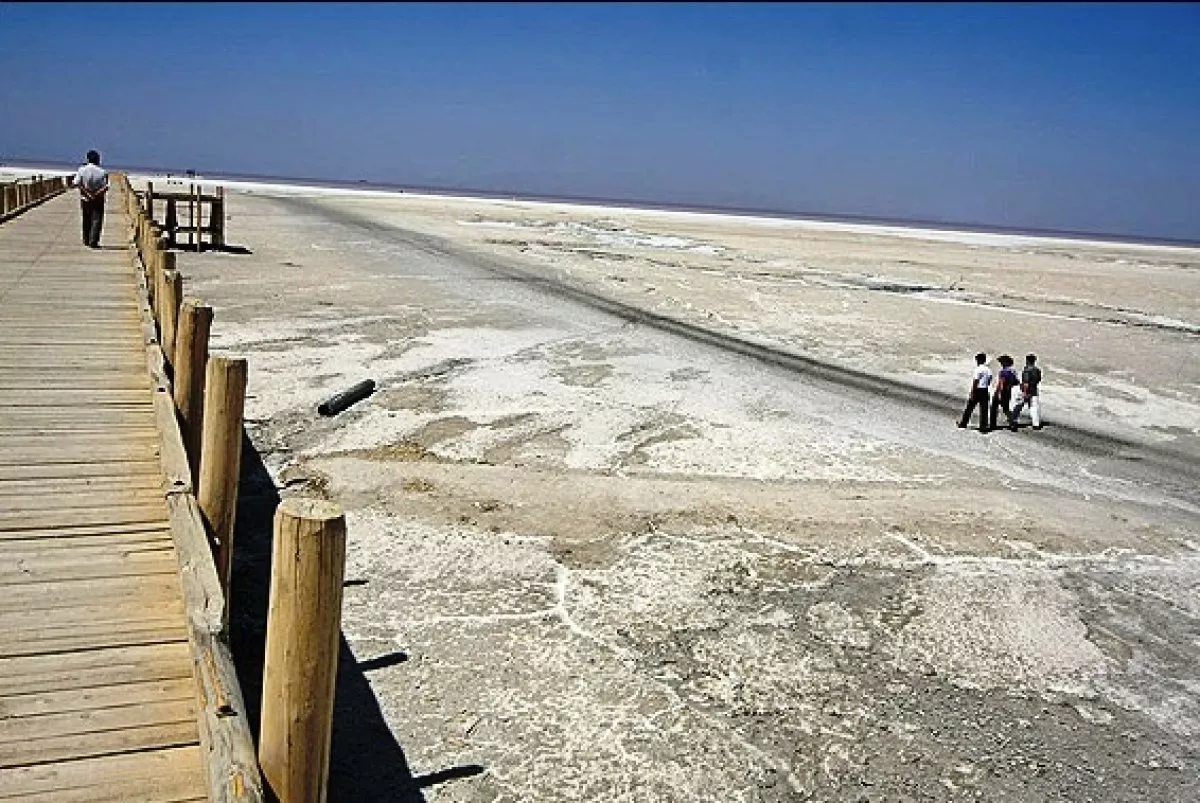
Tehran is experiencing an acute water crisis. Analysis of satellite images of the regions supplying the capital with water shows that the levels in key reservoirs are significantly below typical seasonal averages.
The President of Iran has already stated that the country “has no choice” but to consider relocating the capital due to the growing water supply problems. In the near future, water rationing may be introduced in several areas, and authorities will likely have to evacuate part of Tehran’s population. Such a scenario could lead to large-scale social upheaval: other regions lack sufficient jobs, and it remains unclear who and how will provide the relocated population with basic necessities.
Several reservoirs are rapidly deteriorating, turning into small ponds and nearing disappearance. Regular water outages are being recorded in different parts of the city.
Tehran receives the bulk of its water supply from five reservoirs located around the capital. Analysis of satellite data confirms the presence of structural problems: the city’s main water sources are severely depleted. Comparing the surface area of water in Tehran’s five major reservoirs from June to November of this year revealed a significant reduction, indicating a critical strain on the region’s water resources.
Tehran’s water crisis is driven by a combination of factors: rapidly increasing water demand, historic-scale droughts, and extremely inefficient management of the economy and water resources. The problem is compounded by the fact that the Iranian government has virtually no “easy solutions”: any reforms needed to stabilise the situation would affect the political system, impact the economy, and could trigger widespread social unrest and political protests.
Tehran is located in the central part of Iran, in the Markazi province, which covers more than half of the country’s territory and a significant portion of its population, yet this area contains less than a third of the nation’s freshwater reserves.
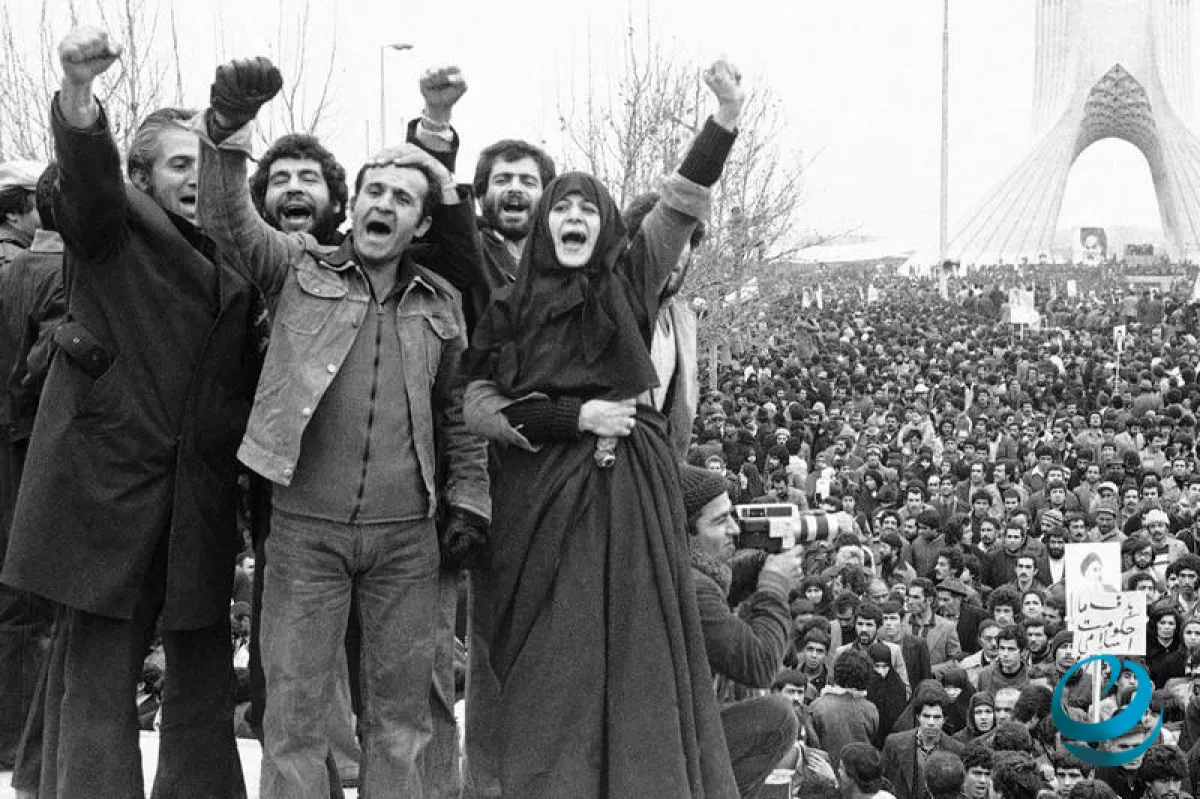
After the 1978–1979 revolution, Tehran’s population doubled: from around 6 million in 1979 to more than 10 million today. Including the metropolitan area, the number reaches approximately 20 million. Current projections suggest that within the next ten years, the capital’s population will increase by another one million — and this does not account for growth in the suburbs and the wider metropolitan area.
Urban residents are generally wealthier than rural populations and can afford water-intensive household appliances and services, such as dishwashers and washing machines. As a result, actual water consumption in Tehran has grown faster than the population itself, rising from 346 million cubic metres per year in 1976 to over 1.2 billion cubic metres today.
Rapid urbanisation exacerbates the problems faced by water users in Tehran. Corrupt municipal structures and an even more corrupt political elite make decisions on zoning and modernisation based on political interests and personal gain, rather than principles of sustainable spatial planning.
A significant portion of construction projects in Tehran is carried out without permits. Uncontrolled development places severe strain on the city’s water supply networks. Despite chronic drought, a third of the water entering the system is lost due to leaks and illegal extraction before it even reaches consumers.
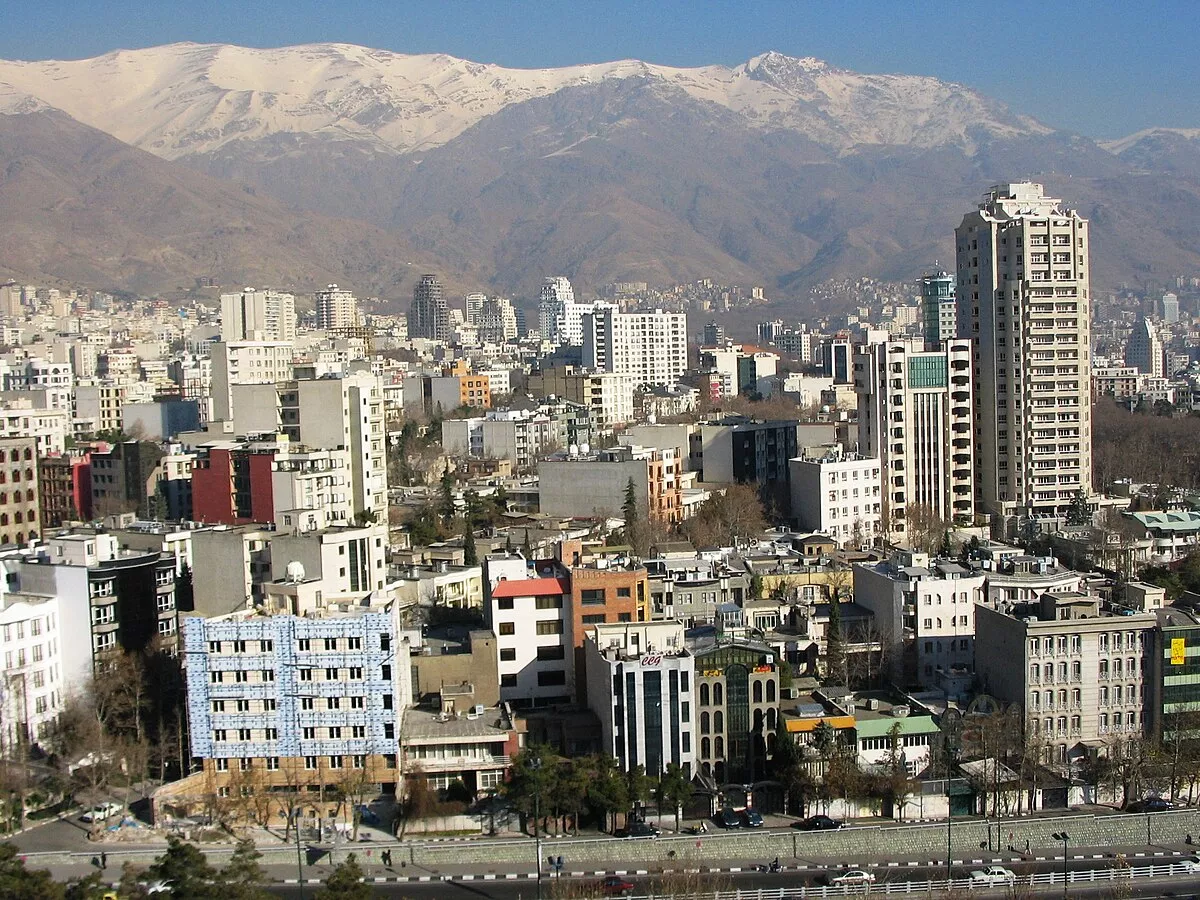
The unplanned expansion of built-up areas has led to a reduction of vegetation cover by almost 90%. Green spaces have been replaced with impermeable surfaces, preventing natural rainfall from seeping into the soil and replenishing rivers and groundwater. Against the backdrop of rising water demand, rapid urban growth, and the loss of green areas, Tehran’s water consumption is already approaching the point of exceeding the city’s available water resources.
Inefficient management only increases pressure on the water supply system. Iran heavily subsidises the cost of water: tariffs are set far below the actual production cost. In 2024, urban consumers paid only about 52% of the real cost of water, depriving utilities of the necessary resources to maintain infrastructure while simultaneously encouraging overconsumption.
As a result, although planners calculate annual water distribution based on a norm of 130 litres per person per day, around 70% of urban consumers exceed this figure. Actual average daily consumption ranges from 200 to 400 litres per capita. These distorted economic incentives undermine the sustainability of Iran’s entire water sector and have particularly serious consequences for Tehran.
However, there is another key factor. In an effort to ensure food security, the Islamic Republic heavily subsidises water use in agriculture, which accounts for about 90% of the country’s total water demand. Depending on reservoir levels, Tehran receives up to 60% of its water supply from the Tehran aquifer — an underground water body shared with surrounding farms. Groundwater extraction for agricultural production accounts for nearly half of the total water footprint (the total volume of water used directly and indirectly in producing goods and services) of Tehran province.
Furthermore, the chronic overexploitation of water resources in the capital region is exacerbated by the widespread use of illegally drilled wells. Government critics argue that the individuals and companies involved in this drilling typically have connections among local officials. As a result, the overall underground resource is being depleted at an accelerating rate: the region loses about 100 million cubic metres of groundwater irreversibly each year.
The situation is further worsened by the fact that, until recently, Iran imported up to 50% of its food. Due to sanctions, the country is now largely deprived of this option, and its ability to earn foreign currency has significantly decreased. In response, authorities have expanded domestic production of key food crops, including highly water-intensive ones such as rice. This has led to a sharp rise in water consumption, drying of rivers, and accelerated depletion of groundwater reserves.
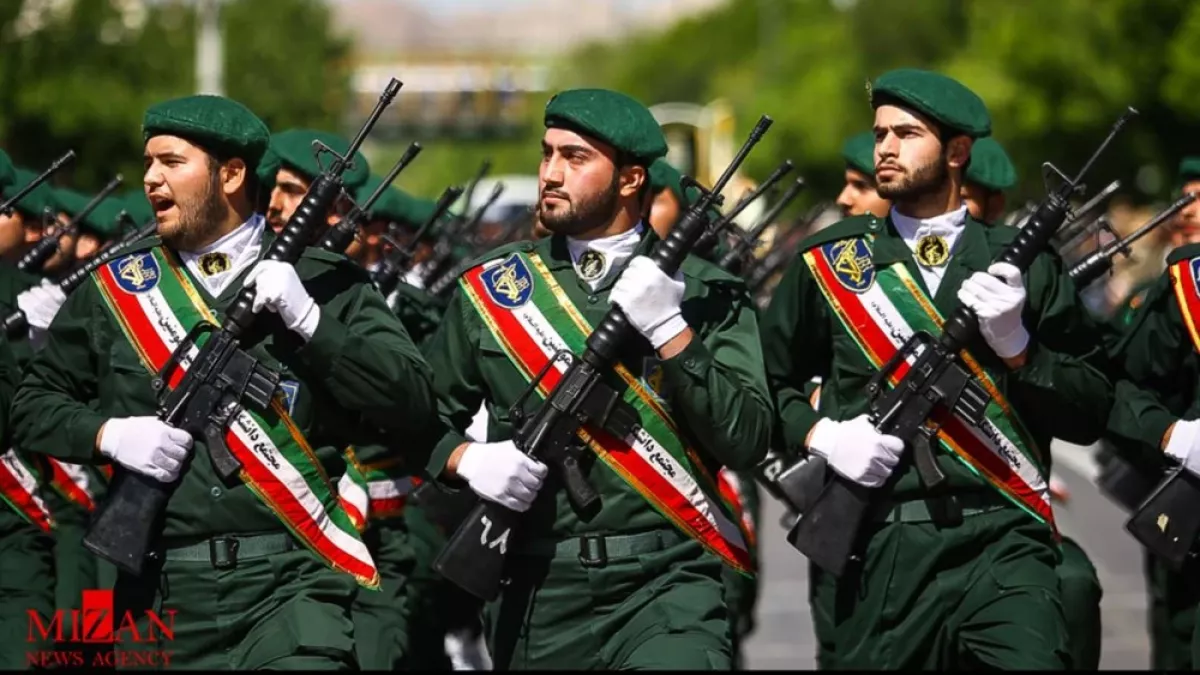
Corruption, nepotism, and incompetent management have further exacerbated the situation. The powerful IRGC — the Islamic Revolutionary Guard Corps, a militarised organisation and effectively Iran’s deep state — has taken control of the agencies responsible for managing water resources. A significant portion of agricultural companies is owned by individuals related by family ties to senior IRGC officials. This model, based on the redistribution of state subsidies, control over financial flows, and appropriation of profits by connected officials, results in predatory treatment of the environment. Most officials and entrepreneurs are effectively shielded from prosecution, as the IRGC has largely subordinated both the judicial system and the prosecutor’s office.
Given the current imbalance between water demand and availability, Tehran’s water supply prospects look extremely bleak — especially as the city’s population continues to grow rapidly. Recent rainfall may provide only temporary relief. The drought, now entering its fifth consecutive year, reflects a nationwide trend in Iran: increasing duration and intensity of dry periods and declining long-term precipitation around the capital.
Climate models used by researchers predict a further intensification of droughts and an increase in the frequency of dry periods in Tehran. Experts have been warning for decades about the approach of a large-scale water crisis, and current developments confirm the accuracy of these forecasts.
Water supply is a complex issue that affects not only resources and their management but also the country’s political and economic structure, as well as the foreign relations of the Iranian regime, including the impact of sanctions. Addressing this challenge in isolation, without changes to the accompanying political and economic parameters, is impossible.







 editor@caliber.az
 +994 55 444-88-98
 Азербайджан, Баку, ул. Низами, 203, Af Business House, 5-й этаж