










Window of opportunity for peace Ukraine has seized the initiative
For decades, Russia built its geopolitical power on oil and gas—energy resources were not merely a source of income but also a tool of influence. However, in recent months, the following has become evident: this seemingly unshakable foundation of Russian power is turning into its main vulnerability, as Ukraine is methodically striking precisely at it.
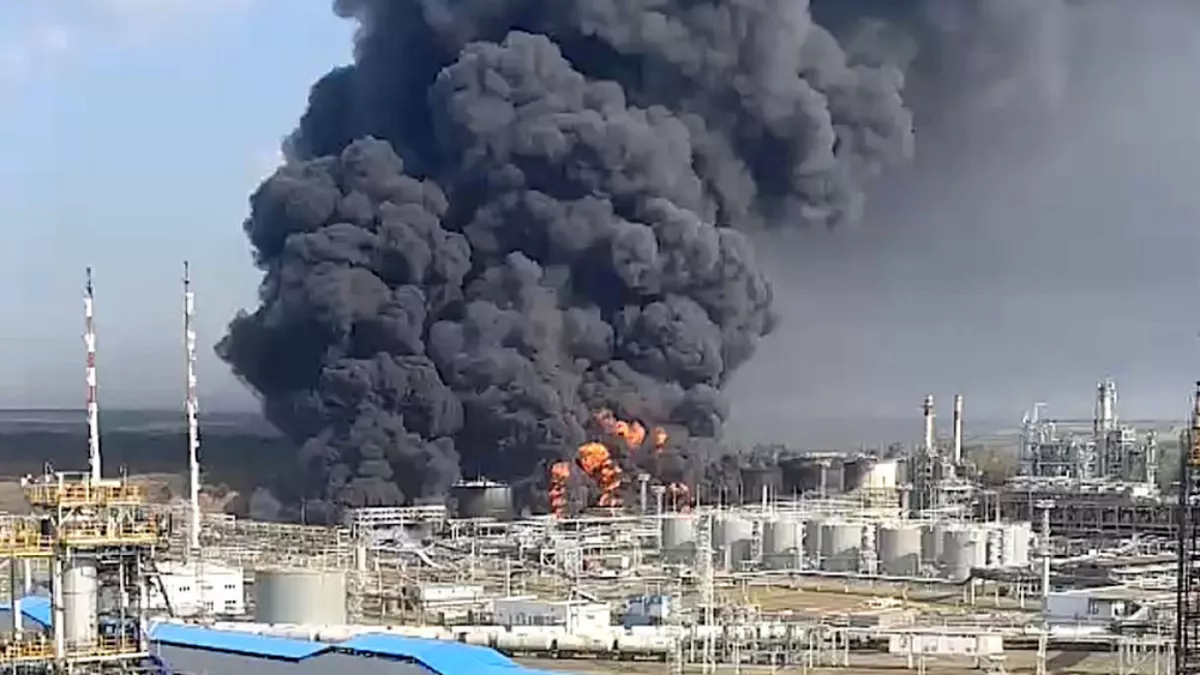
These are systematic drone attacks on Russia’s oil refining infrastructure. And this is no longer a series of isolated strikes but a full-fledged strategy that can aptly be described as “drone sanctions,” whose effects are proving no less destructive than conventional economic restrictions.
The statistics speak for themselves. In May alone, Ukrainian drones struck Russian oil refineries 16 times, including 8 of the country’s 10 largest facilities. According to Energy Intelligence estimates, Russia’s oil refining volumes fell below 4 million barrels per day in early June — the lowest level in the past 21 years. Around one-third of total refinery capacity — approximately 2.14 million barrels per day — is currently idle.
A particularly illustrative case is the Moscow refinery operated by Gazprom Neft, one of the key assets in the country’s fuel infrastructure, which was targeted by Ukraine in June. As a result of the drone strike and the subsequent fire, a primary crude distillation unit accounting for more than half of the plant’s capacity was taken out of operation. The refinery was forced to sharply reduce output and switch to limited operations. Similar disruptions have been reported at other major facilities, including TANECO. As a result, Russia is facing a paradoxical situation: a country among the world’s largest oil exporters is experiencing disruptions and mounting pressure on its domestic fuel market.
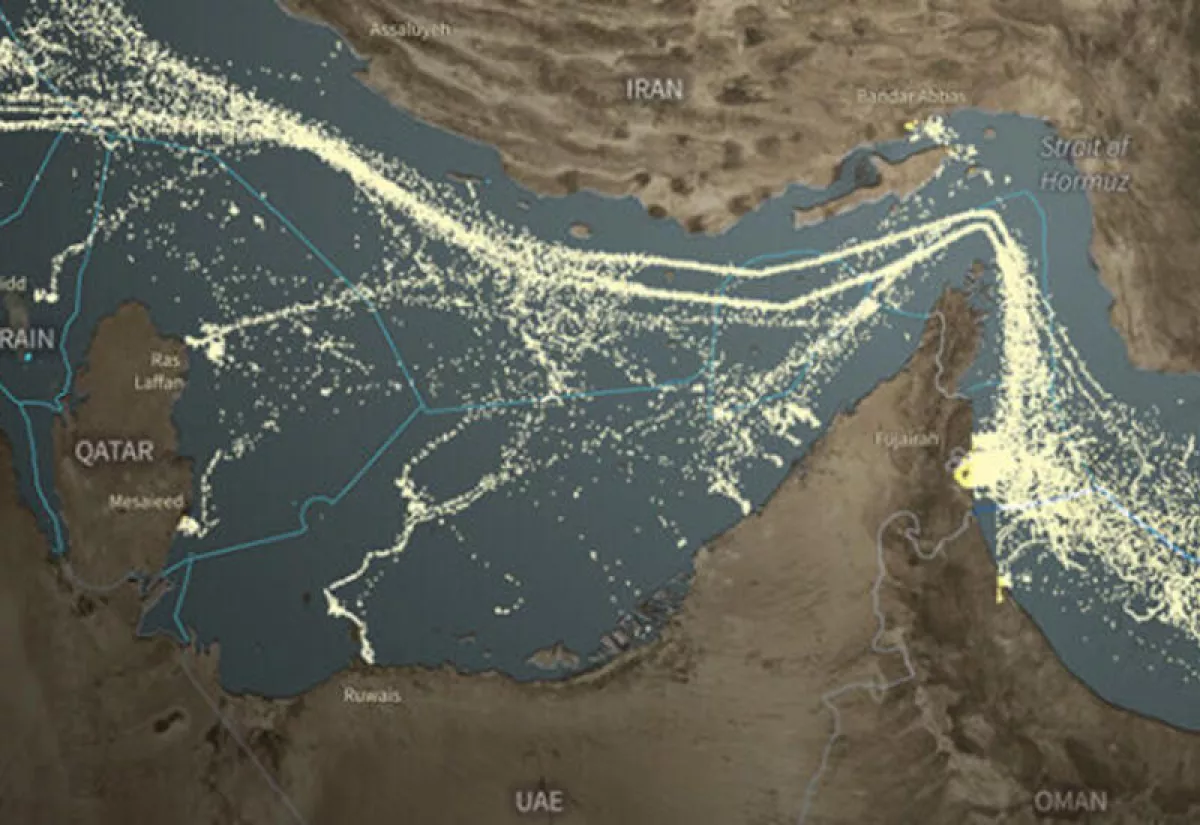
At the same time, external market conditions are also deteriorating. Following agreements between the United States and Iran on restoring navigation through the Strait of Hormuz, additional volumes of oil are returning to the global market, driving prices down: Brent crude has fallen to around $80 per barrel, losing roughly 10% over a short period. For Russia, this represents a double blow: on the one hand, reduced export revenues due to falling prices, and on the other, widening discounts on Russian crude. While the discount previously reached $30 per barrel, it is now beginning to increase again amid expectations of a possible tightening of sanctions.
In addition, statements by U.S. President Donald Trump regarding readiness to lift temporary exemptions for Russian oil have already triggered a sharp market reaction. The Moscow Exchange index has fallen to its lowest levels in recent months, while shares of major oil companies have posted significant losses. As a result, an “perfect storm” is forming: strikes on infrastructure, falling prices, tightening sanctions, and declining investment attractiveness.
The key consequence of this process is that Kyiv, through drone strikes, is reshaping the strategic dynamics of the conflict, with the initiative gradually shifting to Ukraine’s side. This is being recognized not only in Moscow but also in the West, hence the growing readiness to intensify sanctions pressure, particularly in the oil and gas sector. Equally significant is the fact that similar signals are now emerging from the United States. Whereas previously Washington allowed temporary exemptions based on short-term considerations, the tone is now changing.
Overall, the current geopolitical and geoeconomic situation is increasingly unfolding to Russia’s disadvantage. This is no longer a matter of interpretation; it is a combination of observable facts. Russia is simultaneously facing military, economic, and infrastructure pressure, while its ability to offset these losses is limited and its resources are not infinite. Under such conditions, a key question inevitably arises: how long can the country maintain its current level of foreign policy assertiveness?
This is precisely where a space for cautious optimism regarding the possibility of halting the Russia–Ukraine war emerges. The weakening of the economic base and the accumulation of internal pressures may push Russia to reconsider its maximalist positions, thereby opening a window of opportunity for a shift in the nature of the negotiation process. This does not necessarily imply a comprehensive settlement, but rather a potential freezing of the conflict — a scenario that until recently appeared almost unthinkable.







 editor@caliber.az
 +994 55 444-88-98
 Азербайджан, Баку, ул. Низами, 203, Af Business House, 5-й этаж