










A civilisational crossroads for Armenia Pashinyan challenges the old system
The latest statements by Armenian Prime Minister Nikol Pashinyan clearly reflect not mere situational rhetoric, but an attempt to reassess the entire post-Soviet trajectory of Armenian statehood.
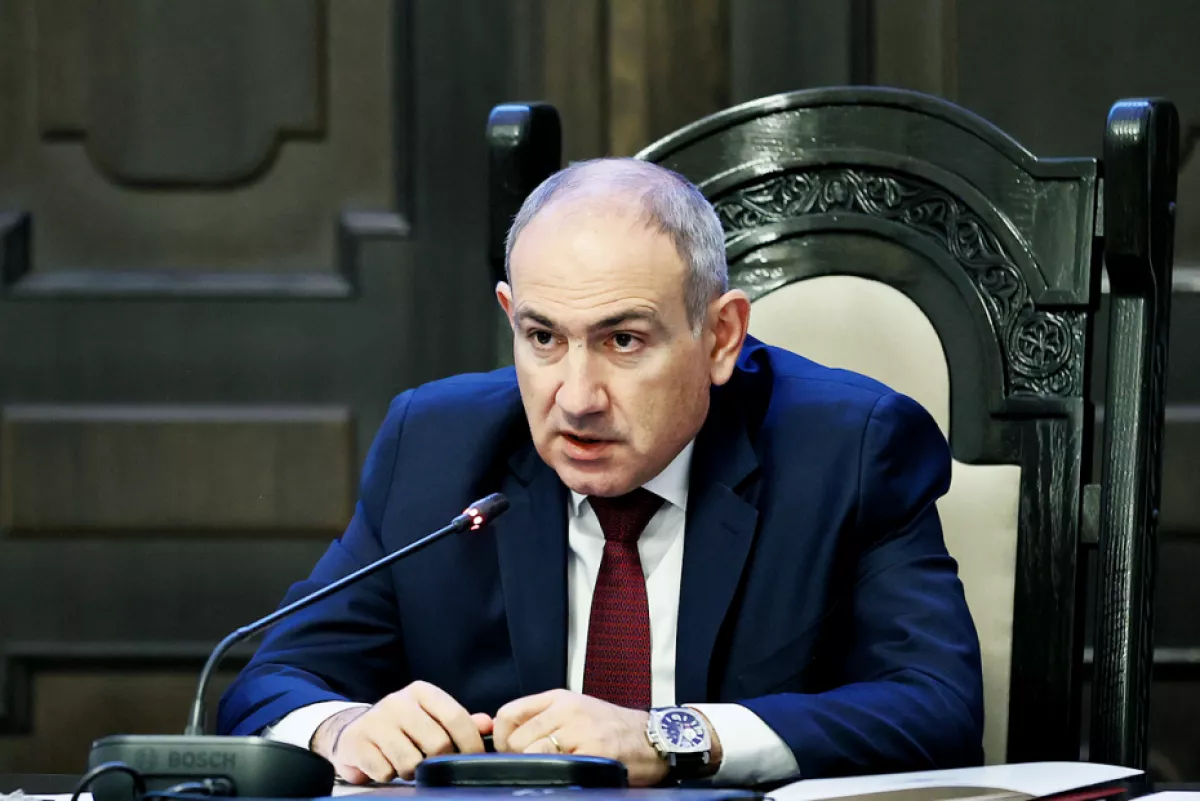
In this context, Pashinyan’s remarks made during the National Assembly session on March 25—during the government hour—can be interpreted as offering his citizens not just a political choice, but a civilisational crossroads.
Specifically, Pashinyan first drew attention to the accusation that, in 2020, society was allegedly not adequately prepared for the scale of threats. In doing so, the Armenian leader effectively acknowledged that the state’s information policy at that time was insufficiently honest and direct—and that he now intends to correct the mistakes of the past. The prime minister sends an open message to Armenian society: the choice between peace and war is not abstract; it is concrete and has a political dimension. Responsible governance lies not in soothing people with illusions, but in warning them of the consequences.
At the same time, the Armenian premier’s key thesis—that the continuation of the “Karabakh movement” inevitably leads to a new war—is logically sound, since its origin lies in the idea of territorial claims against Azerbaijan and confrontation with the country, which eventually took the form of state ideology.
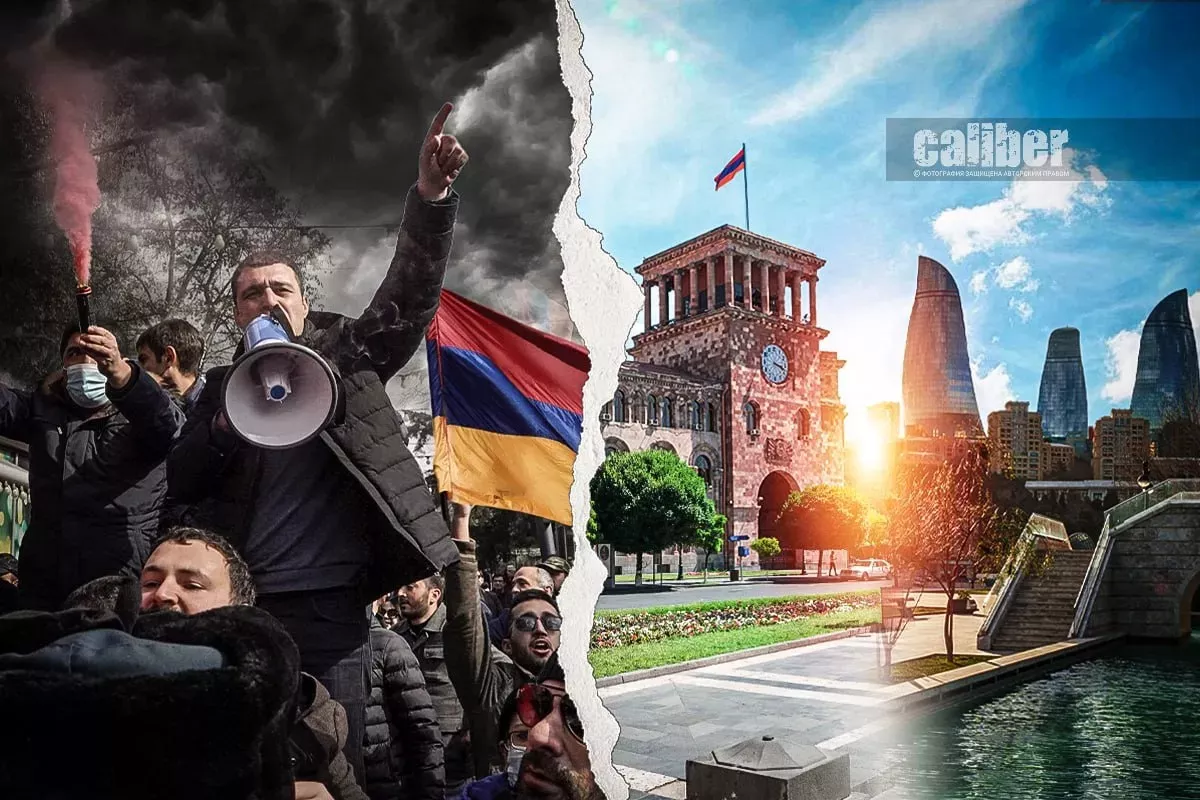
However, as a result of the 44-day war in the autumn of 2020 and the one-day counterterrorist operation in September 2023, Azerbaijan fully restored its territorial integrity and sovereignty, fundamentally reshaping the region’s geopolitical architecture. Continuing the previous course under these circumstances does not constitute a “struggle for rights”; it is a direct path toward a new military escalation, for which Armenia lacks both the resources and the former-format allies.
In essence, Pashinyan, through his statements, dismantles the fundamental myth that the “Karabakh agenda” can exist separately from war. It cannot—and in this, he is entirely correct. Moreover, the Armenian prime minister shifts the issue from the realm of elite decision-making to the domain of public choice, which is crucial. For decades, Armenian society lived under conditions where strategic direction was shaped by narrow groups—whether the Karabakh clan, the diaspora, or external actors. Now, society is presented with an open choice: either continue the ideology of enmity or transition to a model of coexistence and peace. There is no third option.
Pashinyan’s point regarding the “Declaration of Independence of Armenia” as a document that laid the foundation for the conflict has been particularly resonant. The prime minister raises a painful but urgent question: Can a state be truly independent if its core political narrative is based on confrontation with its neighbours? History shows that it cannot, since such a model inevitably leads to dependence on external “guarantors”—as has been the case with Armenia.
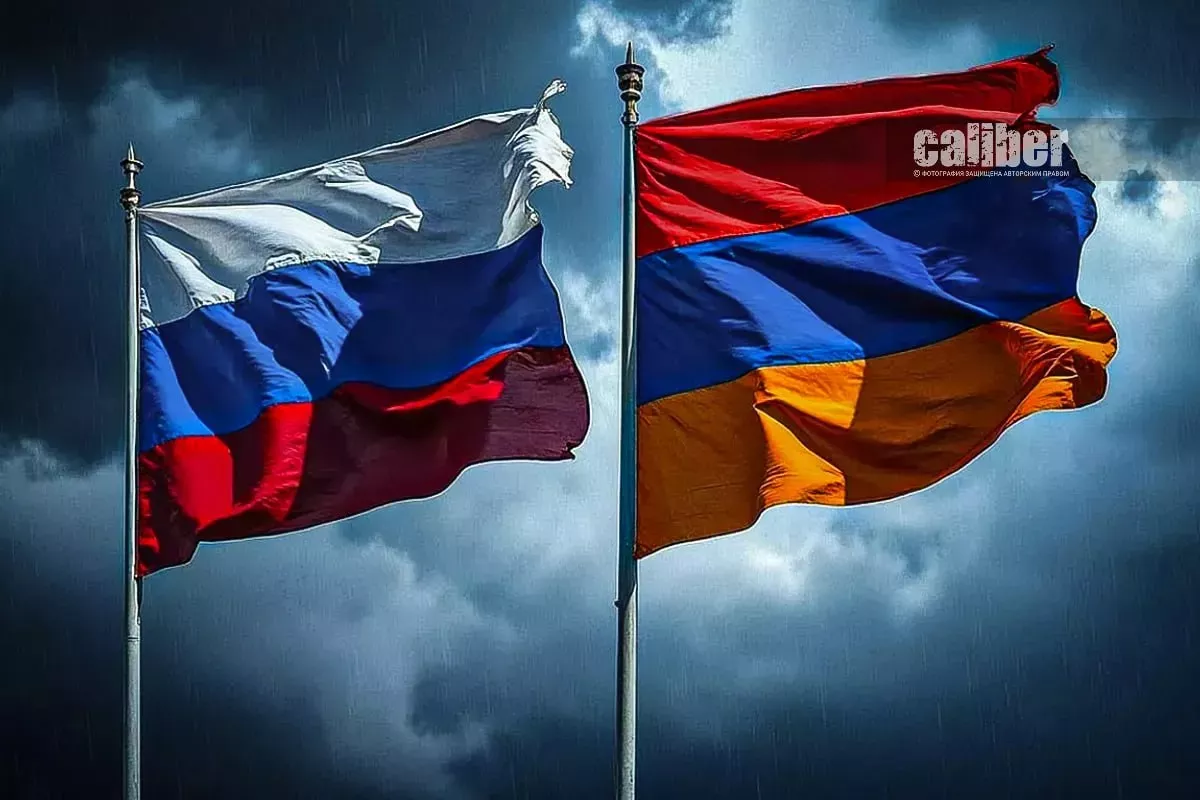
Pashinyan’s reference to a “guarantor” is a transparent allusion to Moscow’s role in Armenian politics over recent decades. It is no secret that Russian politicians of varying ranks openly described Armenia as a “Russian outpost in the Caucasus.” Such phrasing signals that the alliance was far from equal, positioning Yerevan as an instrument in the Kremlin's geopolitical strategy. The outcome is well known: Armenia effectively became a security hostage of Russia, its foreign policy constrained, and economic development sidelined in favour of political objectives.
Today, Pashinyan has chosen a course aimed at dismantling the country’s dependency on Russia, and unsurprisingly, he has faced the harshest criticism from Moscow. In this context, the figure of Samvel Karapetyan merits particular attention, as external actors promote him as an alternative to the current prime minister. The support he receives—from the “Karabakh clan,” Dashnak structures, and segments of the global Armenian diaspora in the U.S., Russia, and France, all of which have historically played a significant role in shaping the Armenian agenda—speaks volumes.
This is a coalition of forces whose political and financial interests have been tied for decades to preserving the conflict. To serve these interests, reality was systematically ignored, and decisions were made to satisfy symbolic politics rather than reflect the state’s actual capabilities. The result of this confrontational approach has been Armenia’s isolation: while the region developed transport corridors and implemented economic projects, the country remained on the sidelines, its borders with Türkiye and Azerbaijan closed, and its participation in major infrastructure initiatives entirely absent.
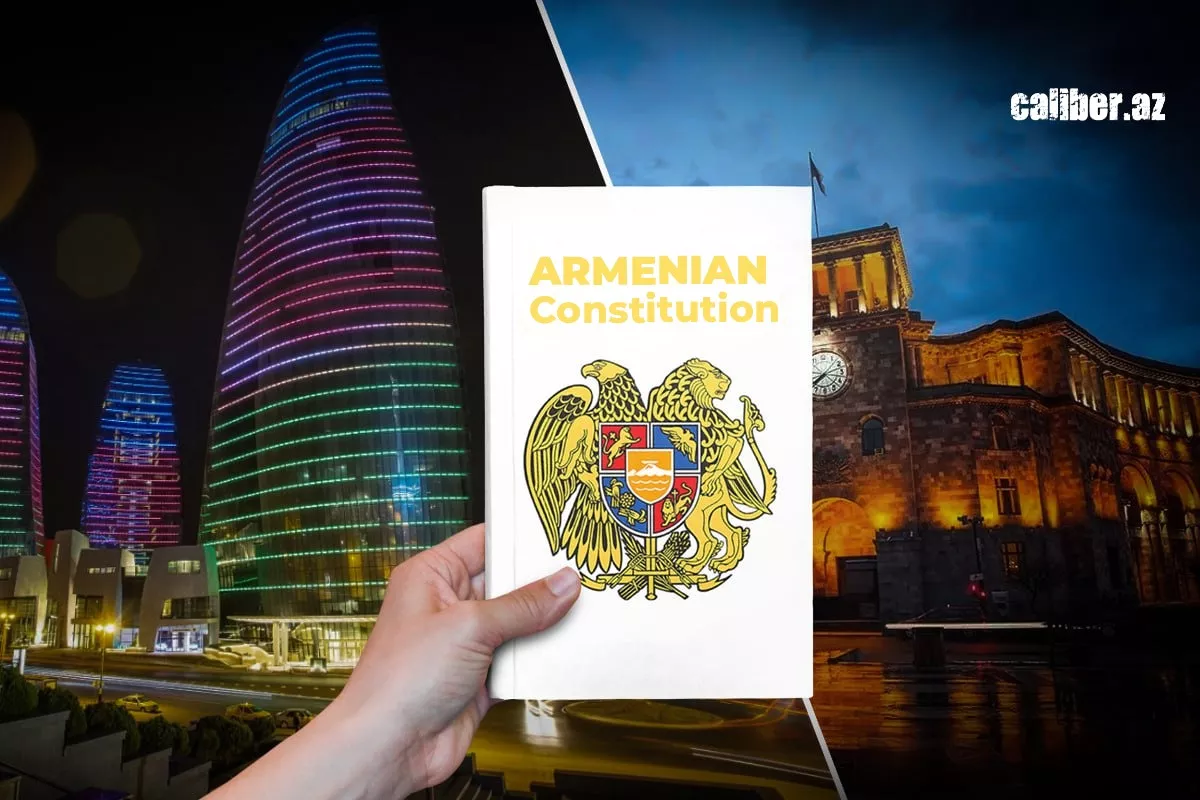
In the post-conflict period, Baku has offered Yerevan a peace agenda, which has already been implemented in practice—peace has de facto been established between the two countries. However, a key obstacle remains: the presence of territorial claims in the preamble of the Armenian Constitution. As long as these claims persist, it is impossible to speak of signing a comprehensive peace agreement. This is precisely the aspect that the Armenian prime minister emphasises, urging not merely legal amendments to the country’s Basic Law, but a transformation of political thinking itself. The prime minister’s central message is simple: unless Armenian society changes its attitude toward its neighbours and its republic’s role in the region, Armenia’s fate will remain the same.
As we can see, Pashinyan is urging the country’s citizens to abandon illusions and confront reality. His logic is consistent and clear: a confrontational ideology leads to war; dependence on external “guarantors” strips the state of sovereignty; conversely, renouncing territorial claims against Azerbaijan and Türkiye opens the path to peace and development. The ball is now in the court of Armenian society, whose choice will determine the Republic of Armenia’s agency within the international geopolitical framework.







 editor@caliber.az
 +994 55 444-88-98
 Азербайджан, Баку, ул. Низами, 203, Af Business House, 5-й этаж