










April 2016: Four days that reshaped the South Caucasus Prologue to victory
In the chronicles of any country, there are events whose historic significance becomes increasingly evident over time. For Azerbaijan, one such event was the April Battles of 2016, the fundamental importance of which for all subsequent developments in the region has become increasingly clear a decade later. It was then that a turning point occurred—not only altering the balance of power but also determining the trajectory of the South Caucasus's future development.
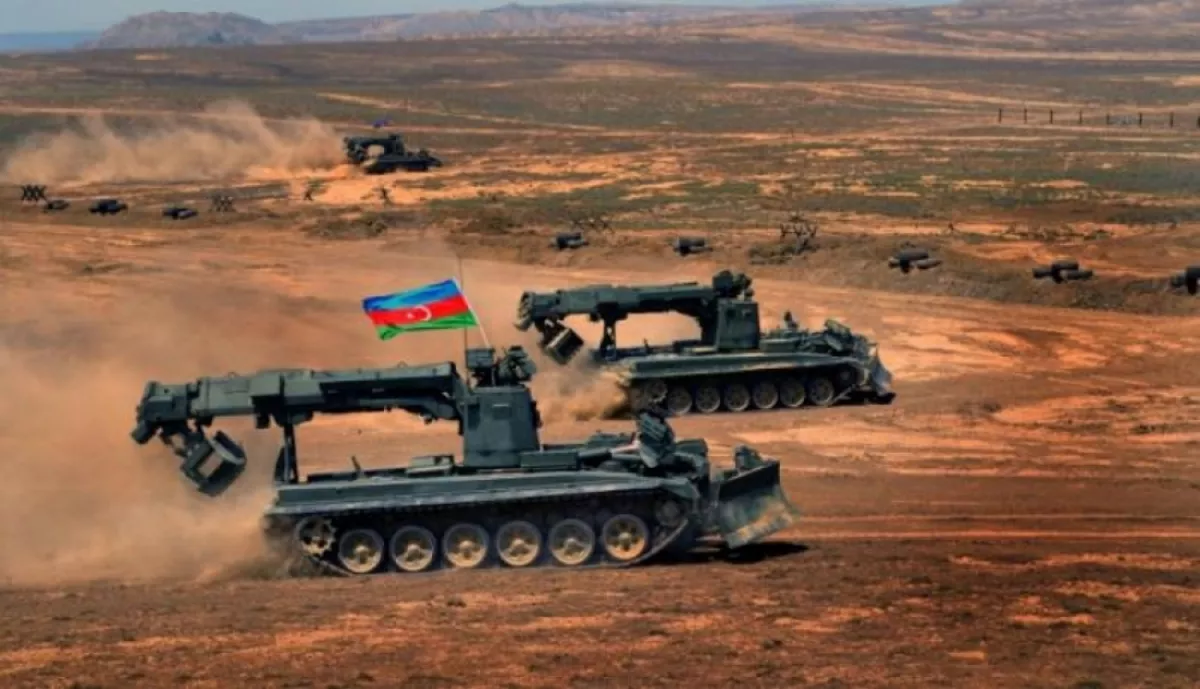
The hostilities that began on the night of April 2 were not a sudden outbreak of “unexplained escalation,” as many foreign observers attempted to portray. They were preceded by systematic shelling of Azerbaijani positions and civilian settlements, resulting in casualties among the civilian population. Under these circumstances, Baku’s decision to launch operations along the Aghdara–Tartar–Agdam and Fuzuli directions was not only justified but inevitable.
From the very first hours of the fighting, another, no less important, front of confrontation unfolded—the informational front. A significant portion of Russian, European, and American media, as well as the so-called “expert community,” hastened to place the blame on Azerbaijan. This reaction revealed the full structure of political bias and double standards: ignoring the root causes and attempting to portray the aggressor as the victim fit neatly into the established paradigm of distorted perceptions of the Armenian-Azerbaijani conflict.
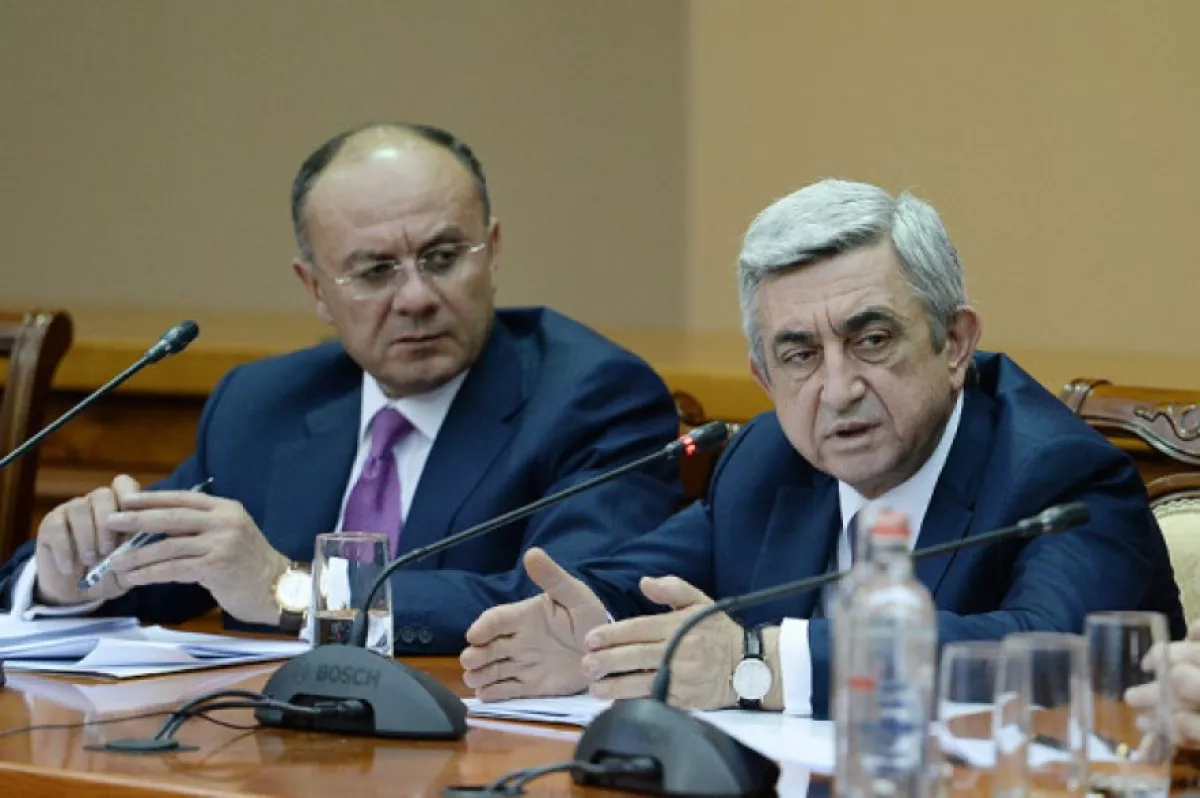
The reaction of the Armenian military-political leadership was also highly revealing. The then-President of Armenia, Serzh Sargsyan, and Defence Minister Seyran Ohanyan attempted to present an obvious defeat as a “victory.” This rhetoric was driven less by external circumstances than by internal fears—acknowledging the real situation threatened serious political consequences within the country.
In contrast to the false-laden chatter of Sargsyan and Ohanyan, the statements of the Azerbaijani Armed Forces’ command were clear and backed by irrefutable facts: the primary objective of Azerbaijan’s counteroffensive was to eliminate the threat to frontline settlements posed by Armenian military forces, and this mission was accomplished effectively and in the shortest possible time.
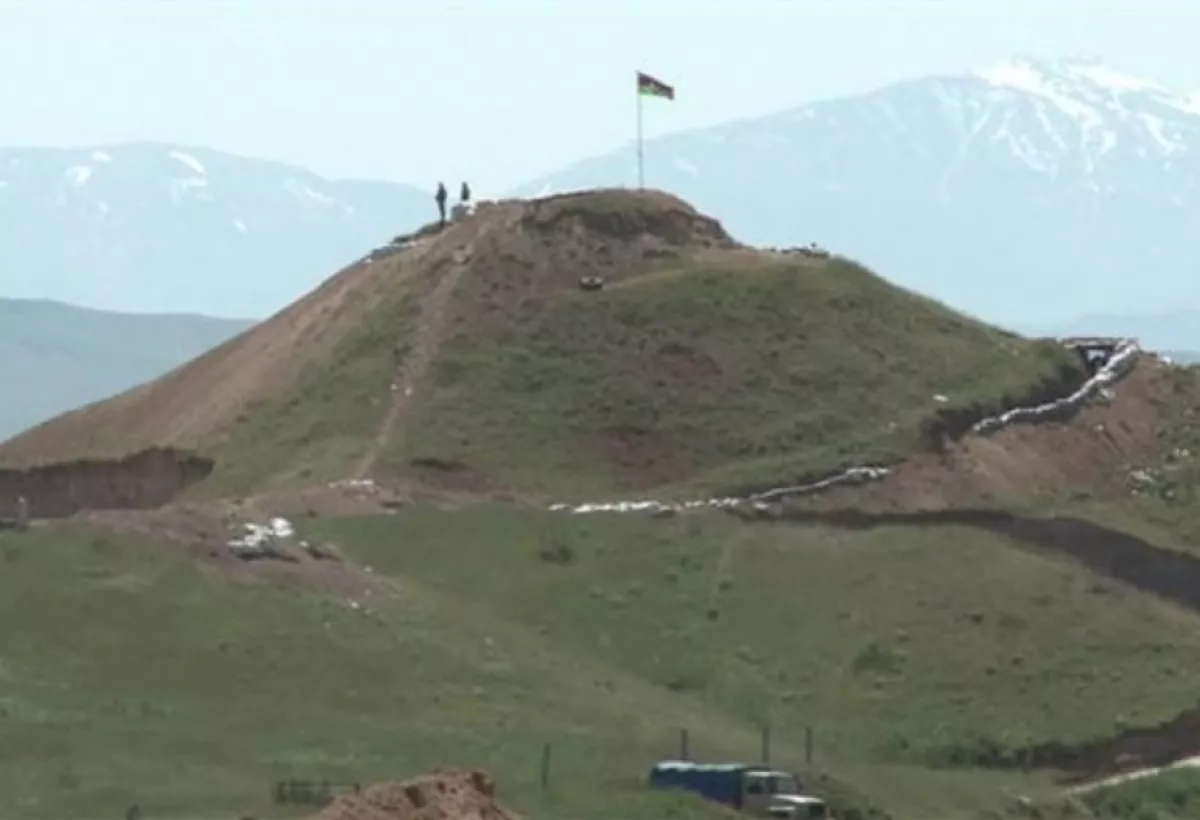
During the April Battles, the heights in the direction of the village of Talish in the Tartar district were cleared of occupying forces. In another sector, the Azerbaijani Army took control of the strategically vital height of Lalatapa, which allowed extensive territory to be monitored. As a result of the army’s crushing strikes, more than 30 tanks, 25 artillery pieces, and other enemy military equipment were destroyed, while 320 Armenian servicemen were killed and over a thousand wounded. Control was also secured over several key roads leading to the village of Gulistan in the Goranboy district and the settlement of Sugovushan in Tartar.
The significance of these victories extended beyond the battlefield, carrying profound psychological and political effects. In April 2016, one of the main stereotypes on which Armenian propaganda had long relied—the supposed “invincibility” of the Armenian army—was shattered. This myth had been a cornerstone of the so-called “Karabakh clan,” which dominated Armenia’s political system for many years. Its destruction marked the beginning of the end for that entire structure. Just two years later, in 2018, events unfolded in Armenia that became known as the “Velvet Revolution,” resulting in the loss of power by Serzh Sargsyan and the entire Karabakh clan.
Even after this, the Armenian side failed to draw the proper lessons, and in September 2020, the 44-day war began, ending in a strategic defeat for Armenia on all fronts—military, political, and diplomatic.
During the Second Karabakh War, our army not only liberated the ancestral Azerbaijani lands from occupation but also decisively shattered the decades-long narrative promoted by Kocharyan and Sargsyan about the “superiority and fighting spirit” of the Armenian Armed Forces. For Armenian society, the reality proved to be the exact opposite: the Armenian army suffered a crushing defeat.
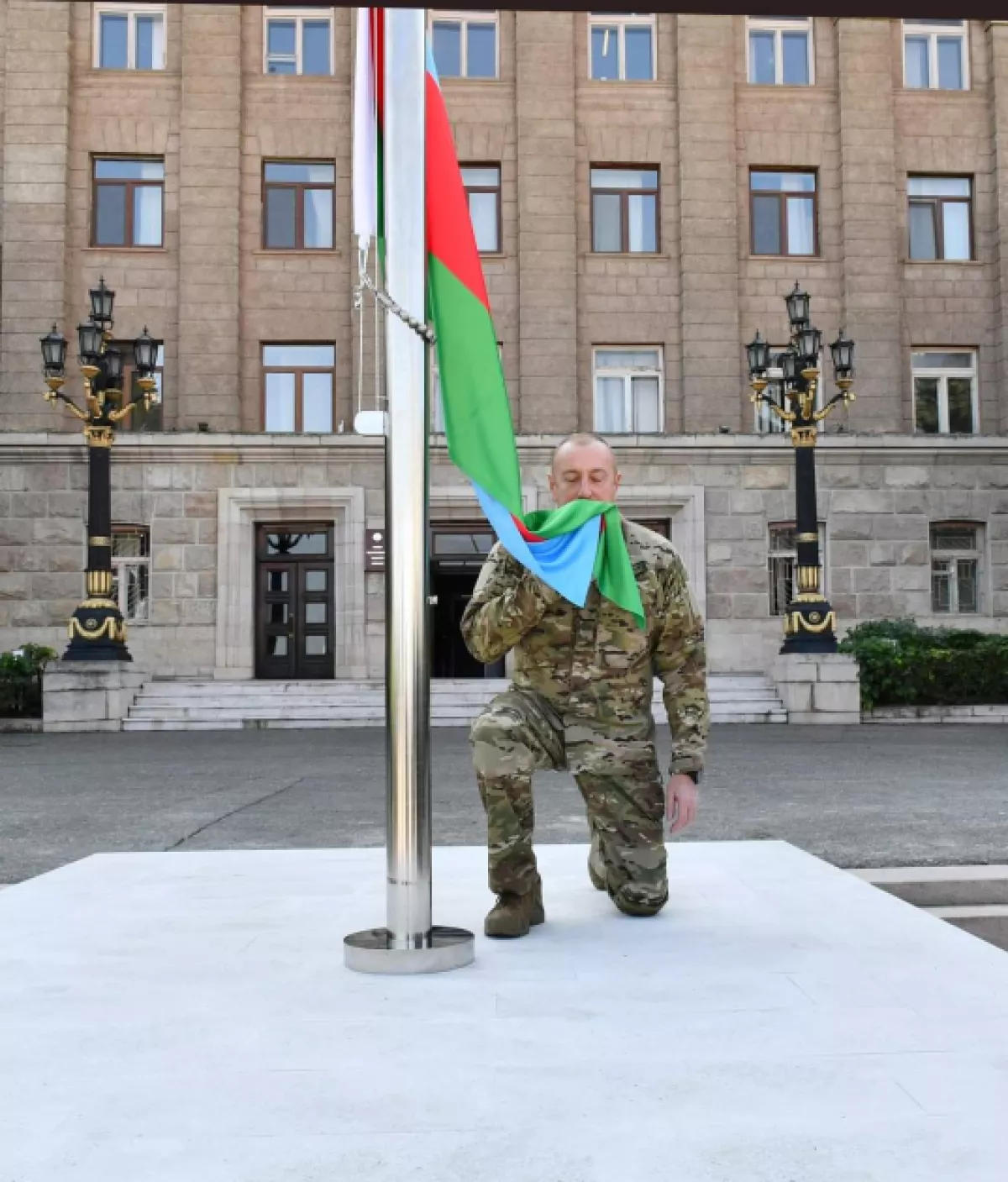
Thus, peace in the South Caucasus became possible thanks to a shift in the military-political balance, which was a direct result of Azerbaijan’s victories—victories whose foundations were laid in April 2016.
The four-day April Battles were, in a sense, a “dress rehearsal,” demonstrating both the capabilities of the Azerbaijani Army and the vulnerabilities of the Armenian military machine. They marked the very point of no return, after which maintaining the previous status quo in the region was no longer possible. Today, the State Flag of Azerbaijan, raised a decade ago atop the height of Lalatapa, proudly flies over all the cities and villages of the Karabakh region—the land to which its rightful owners have returned.







 editor@caliber.az
 +994 55 444-88-98
 Азербайджан, Баку, ул. Низами, 203, Af Business House, 5-й этаж