










Assad loyalists threaten Syria with an apocalyptic “final battle” Alawite uprising in the making?
Details have emerged about a plot involving relatives of former President Bashar al-Assad. According to Reuters, while in exile, former head of Syrian Arab Republic intelligence Kamal Hassan and Bashar al-Assad’s cousin Rami Makhlouf are spending millions of dollars to create armed groups that could lead an uprising along Syria’s coast—in the provinces of Latakia and Tartus.
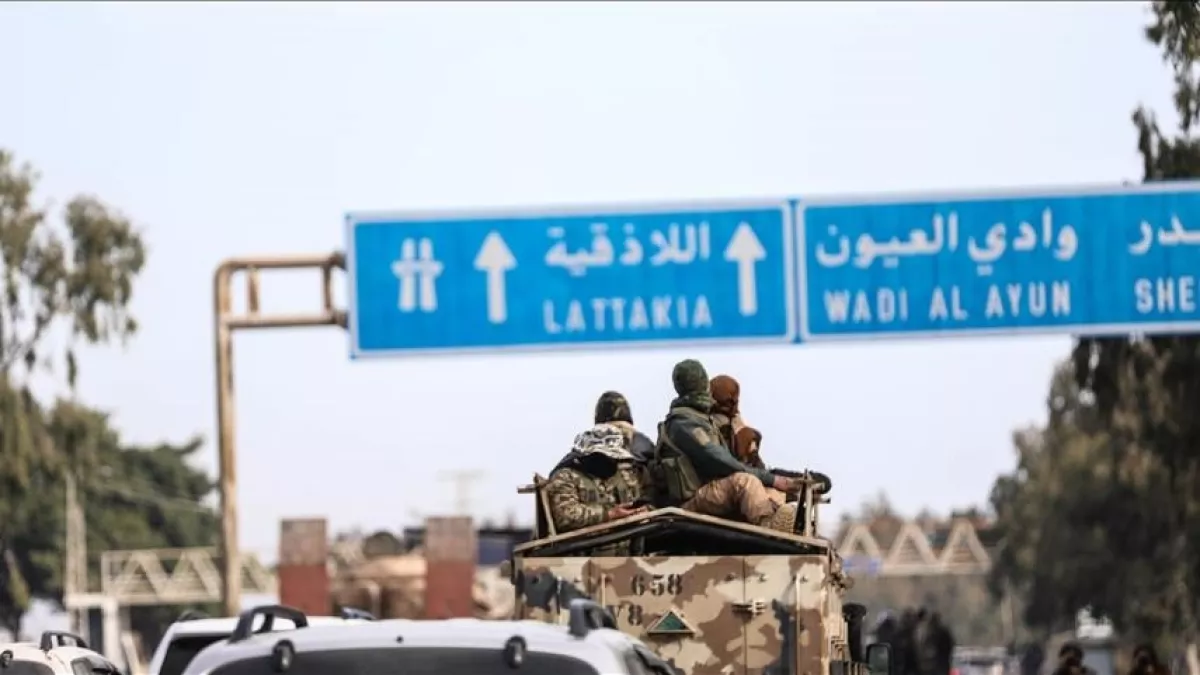
Around 2 million people live in these provinces: roughly half are Sunni Muslims, and the other half belong to the Alawite community. Syrian Alawites are traditionally considered part of Shia Islam, although the details of their religious practices are little known, as Alawites themselves prefer to keep them private. For decades, Syria’s governance system has been built on a combination of tribal influence and ethno-confessional groups.
Although the majority of the country’s population is Sunni, power was held for nearly half a century by the Alawite Assad family. Key positions in the security apparatus were occupied by members of the same community. Through a network of state-owned and private companies, these groups controlled up to half of Syria’s GDP. At the same time, most Alawites (who make up 10–12% of the population) remained among the poorest segments of society, although some served in the army or joined the Shabiha militia, known for its brutality against opponents of the regime.
After HTS forces led by Ahmed al-Sharaa overthrew Assad during their November–December 2024 offensive, the situation for the Alawites sharply deteriorated. HTS military personnel and officials took control of key state services and financial flows.
Today, former supporters of Bashar al-Assad who fled the country after the dictator’s fall are transferring millions of dollars to tens of thousands of potential fighters, hoping to ignite an Alawite uprising against the new government and regain some of their lost influence — as revealed by a Reuters investigation.
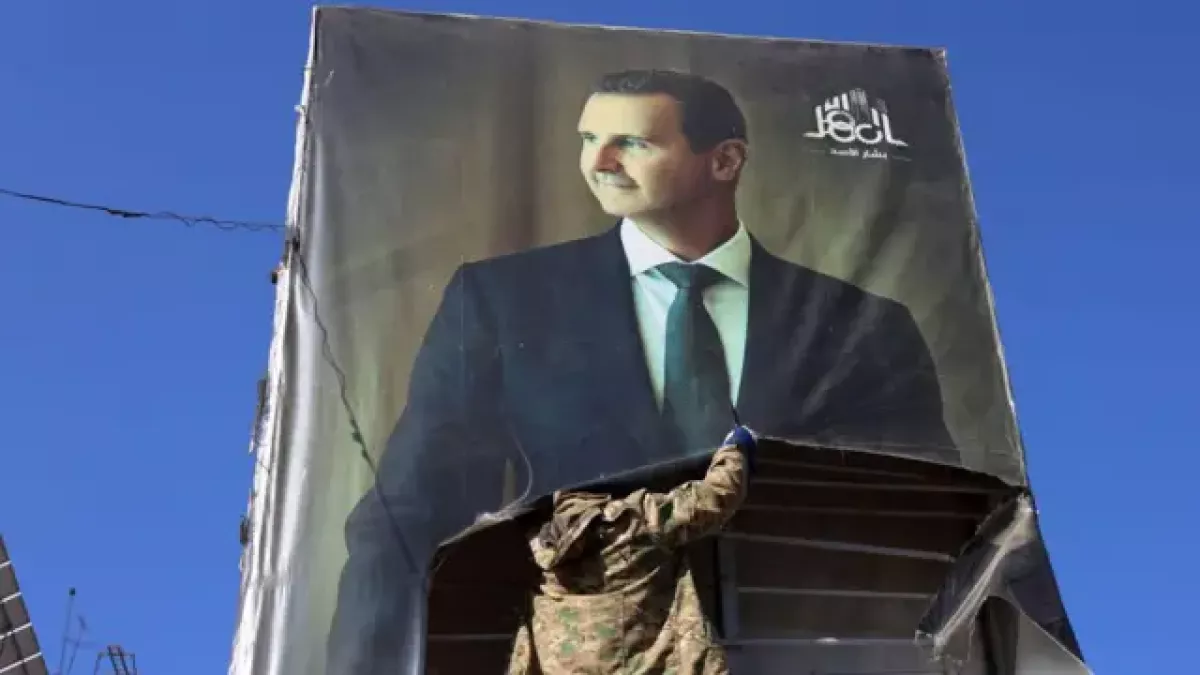
Assad, who fled to Russia in December of last year, has generally accepted life in Moscow, according to sources close to his family. However, other high-ranking figures from the former regime, including his brother, have not accepted the loss of power. Two of the most influential people in Assad’s circle—Major General Kamal Hassan and billionaire Rami Makhlouf—are competing to create their own armed formations along the Syrian coast and in Lebanon, drawing recruits from their community. Their likely aim is to establish a separatist Alawite regime in the provinces of Latakia and Tartus. However, it is possible that their ambitions are broader and could involve attempting to regain control over all of Syria if the new government shows weakness.
Overall, Hassan, Makhlouf, and other groups vying for influence are financing more than 50,000 potential fighters in an effort to secure their loyalty.
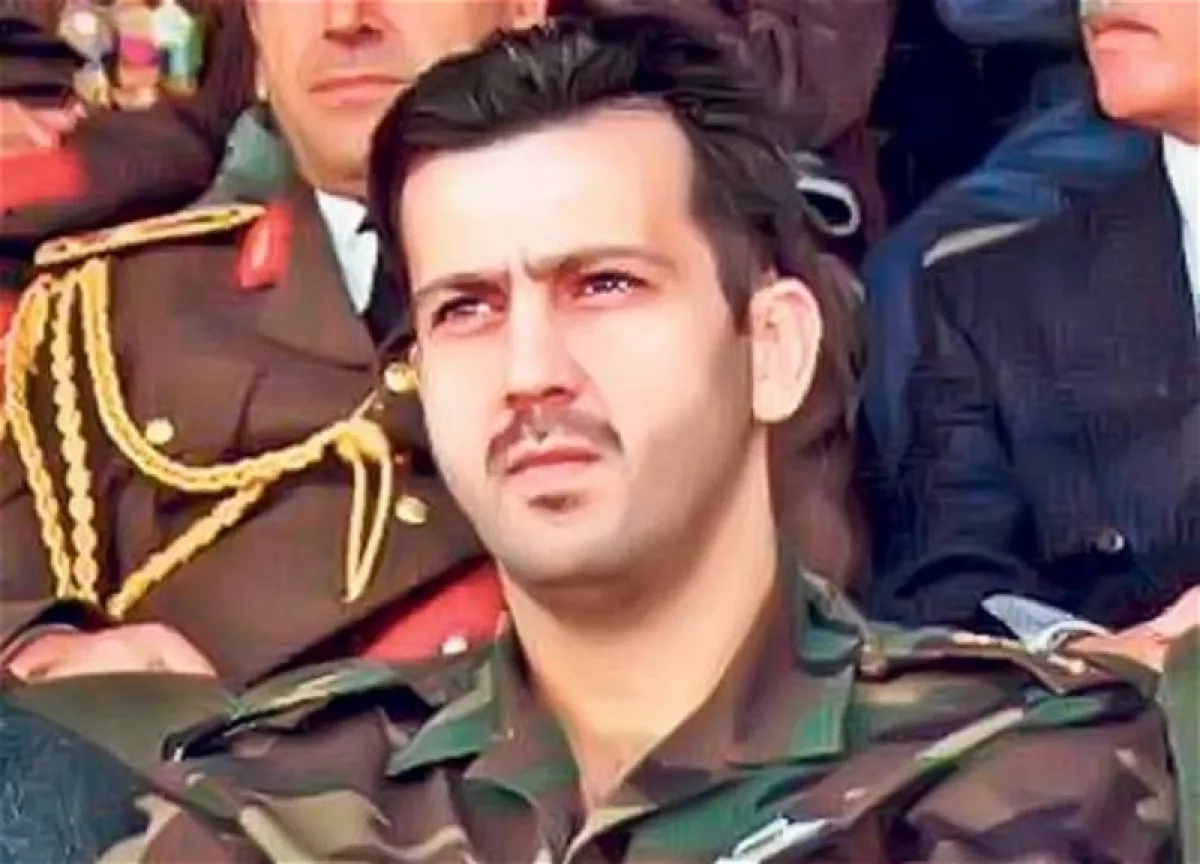
Another key figure from the former regime now outside Syria is Bashar al-Assad’s younger brother, Maher. He was the second most powerful person in the state, commanded the elite Fourth Division, and was considered the main conduit of Iranian influence. Under the previous regime, the Fourth Division taxed a significant portion of local entrepreneurs and controlled various forms of illicit trade. According to sources, Maher al-Assad still maintains influence over thousands of former soldiers but has so far provided neither funding nor orders to them, four people close to the Assad family told Reuters in interviews.
Researcher Annsar Shahhoud, who has studied the mechanisms of Assad’s dictatorship, claims that Kamal Hassan—the former head of Bashar al-Assad’s military intelligence—relentlessly calls commanders and advisers, sending them voice messages. According to Reuters, in these messages he seethes with anger over the loss of influence and outlines grand plans for his own rule over Syria’s coastal regions.
Rami Makhlouf, the Assad family’s cousin, used his business empire for years to finance the regime during the civil war. However, he later clashed with more influential relatives and was effectively placed under house arrest. Now, in conversations and messages, Makhlouf presents himself as a messianic figure who will return to power after an apocalyptic “final battle.” Emissaries for both Hassan and Makhlouf are actively moving across the Middle East seeking support and building networks of followers.
According to Shahhud, “This competition continues now, but instead of the goal being to please Assad, the focus is on finding his replacement and controlling the Alawite community.”
Details of the plot are based on interviews with 48 people familiar with the competing plans. All sources agreed to speak only on condition of anonymity. In addition, Reuters examined financial documents, operational materials, and recordings of voice and text messages.
Ahmed al-Shami, head of a government special unit in the Tartus region, stated that authorities are aware of the planned uprising and are prepared to counter it. He confirmed the existence of insurgent command networks but emphasised their weakness: “We are certain they cannot do anything effective, given their lack of strong tools on the ground and their weak capabilities.” According to him, the number of potential fighters does indeed reach tens of thousands.
Published materials indicate that the main plotters—Hassan and Makhlouf—are in fierce conflict with each other, and their hopes for external support are rapidly diminishing. Hassan claims to control 12,000 fighters, while Makhlouf claims at least 54,000, according to internal documents of their factions. However, according to testimonies from commanders on the ground, these figures are clearly inflated: fighters are paid meagre sums, and many accept money from both sides simultaneously.
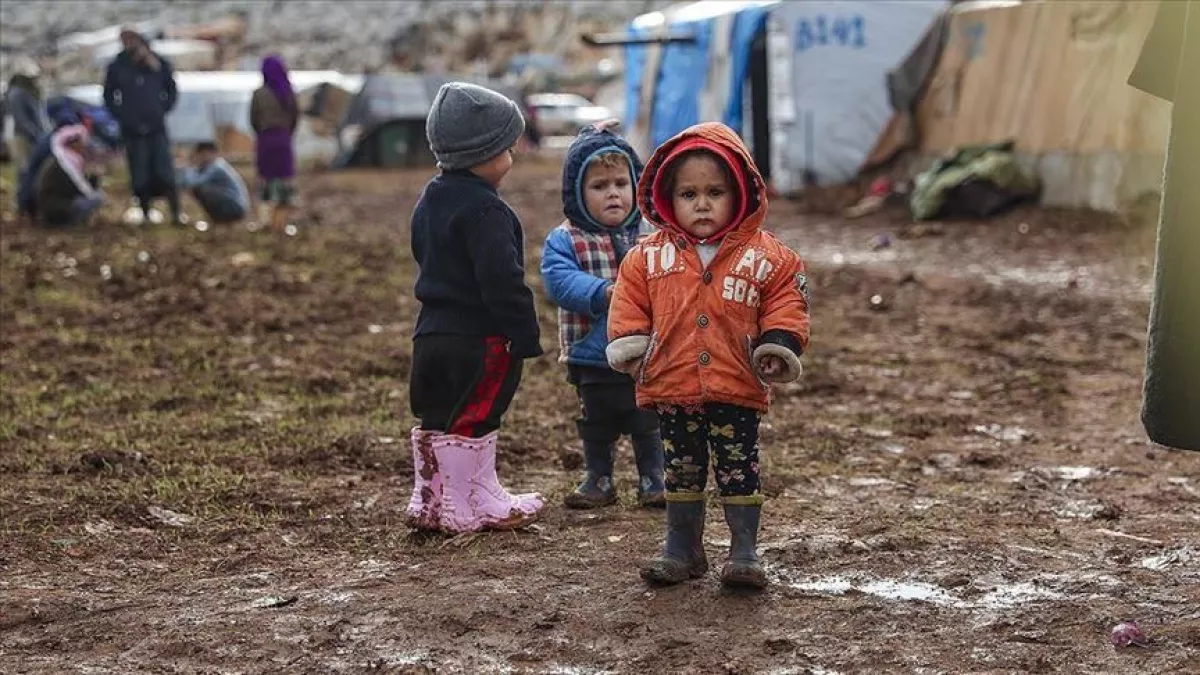
After 14 years of civil war, most Syrians live below the poverty line and struggle to access basic services—food, drinking water, and medicine. Both urban and rural areas are severely damaged, and even government institutions often cannot pay salaries. In this context, people may accept money from anyone, but this does not indicate a willingness to engage in a new war.
On November 25, protests erupted among Alawites in Syria: thousands took to the streets in Homs and coastal cities, demanding local autonomy, the release of detainees, and the return of kidnapped community members. However, these demonstrations were not organised by Assad’s allies but by clerics and local activists who publicly called for peaceful protests. The following day, Makhlouf sharply criticised the protests on social media, stating: “all these movements will only bring calamity, for the time is not yet right.”
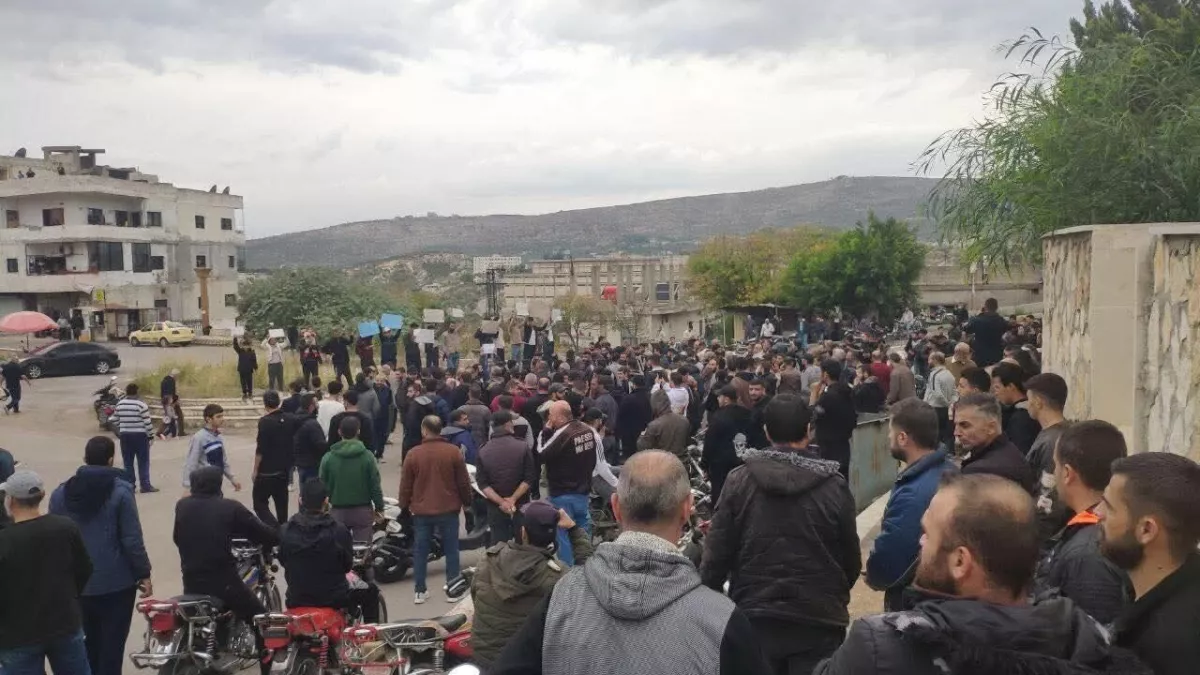
Rebels currently have virtually no chance of success.
After the fall of Assad’s government, veterans of the Fourth Division, loyal to Maher al-Assad, already attempted to organise an uprising in Latakia in March 2025. It remains unclear whether this was part of a pre-planned operation or a spontaneous reaction to the arrests of former regime officials by Syria’s new government.
The role of Iran, which for many years supported Bashar al-Assad’s regime with military and financial aid, remains unclear. Iranian media and military sources claim that Tehran has retained significant influence in Syria. This may be accurate, as networks of smugglers continue to operate in the country, supplying Iranian weapons and ammunition to Lebanese Hezbollah—another group allied with Tehran.
In any case, the March uprising in Latakia was swiftly crushed. HTS, which forms the military and administrative core of the current regime, deployed all available forces to the area—around 30,000 troops—leaving even the capital, Damascus, effectively undefended. Following them, tens or even hundreds of thousands of Sunni fighters, who had previously fought against Assad’s regime at various times and were formally subordinate to HTS and the al-Sharaa government, moved into Latakia. Sunni formations already present in the city also took part in suppressing the uprising. Assad’s supporters were defeated and scattered.
Soon after, some Sunni militias began attacking the civilian Alawite population. These assaults were driven not only by ethno-confessional hostility but also by attempts at looting under the cover of chaos. Estimates indicate that around 1,500 people were killed, several hundred of whom were military personnel on both sides. The HTS government launched an investigation into the killings, as it has no interest in ethno-confessional massacres and pogroms—such events undermine its authority and make Syria’s reconstruction impossible. Yet the dead cannot be brought back, and troubling reports of new murders and abductions continue to come from Alawite areas.
After approximately 1,000 civilians in Latakia were killed by rebels following the failed March uprising, Hassan and Makhlouf promised to protect Syrian Alawites. However, they are unlikely to have the forces necessary to drive al-Sharaa’s supporters out of Latakia and Tartus, establish a separatist Alawite government there, or, even less likely, overthrow the new leadership in Damascus.
Assad’s government army, despite its overwhelming advantage in heavy weaponry, failed to defeat HTS rebels and was routed in just 11 days during November–December of last year.
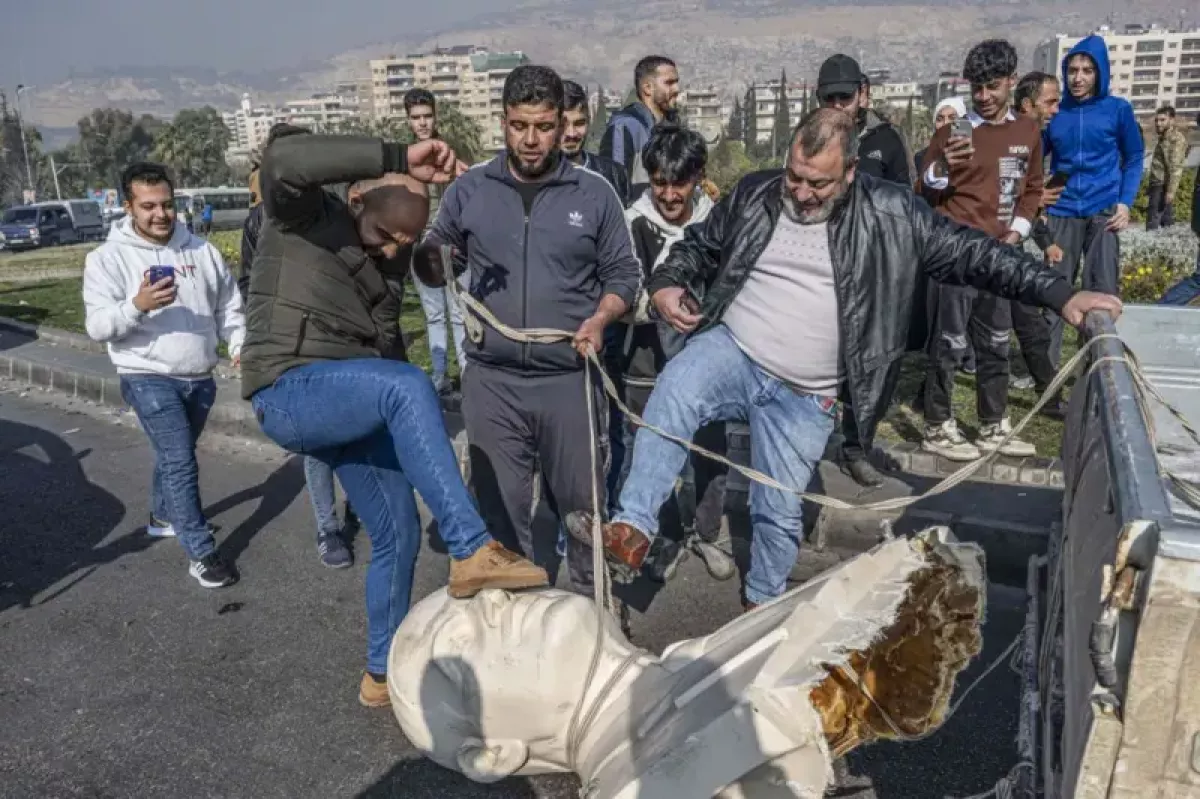
What can a few tens of thousands of lightly armed Assad supporters really oppose?
Moreover, despite the current government’s problems, many in Syria hate Assad’s soldiers. The reason is less their confessional affiliation—since a significant portion of those conscripted into the former regime’s army were Sunni—than their long record of extortion, racketeering, killings of civilians, kidnappings for ransom, and confiscation of property.
On the other hand, Syria’s Alawite community has been drained by 14 years of civil war. A huge number of Alawites have died fighting in Assad’s army, while others live in fear of ongoing violence. Making up only 10–12% of the country’s population, the community is not in a position to mount an armed challenge to the government of interim President Ahmed al-Sharaa.







 editor@caliber.az
 +994 55 444-88-98
 Азербайджан, Баку, ул. Низами, 203, Af Business House, 5-й этаж