










Azerbaijan at Davos 2026: A Spirit of Dialogue Overview by Teymur Atayev
The time has come for the traditional annual World Economic Forum (WEF) in Davos, Switzerland. A key geopolitical nuance surrounding — and within — this year’s forum is that many international institutions, which once set the global agenda, now appear outdated, having failed to meet global expectations.
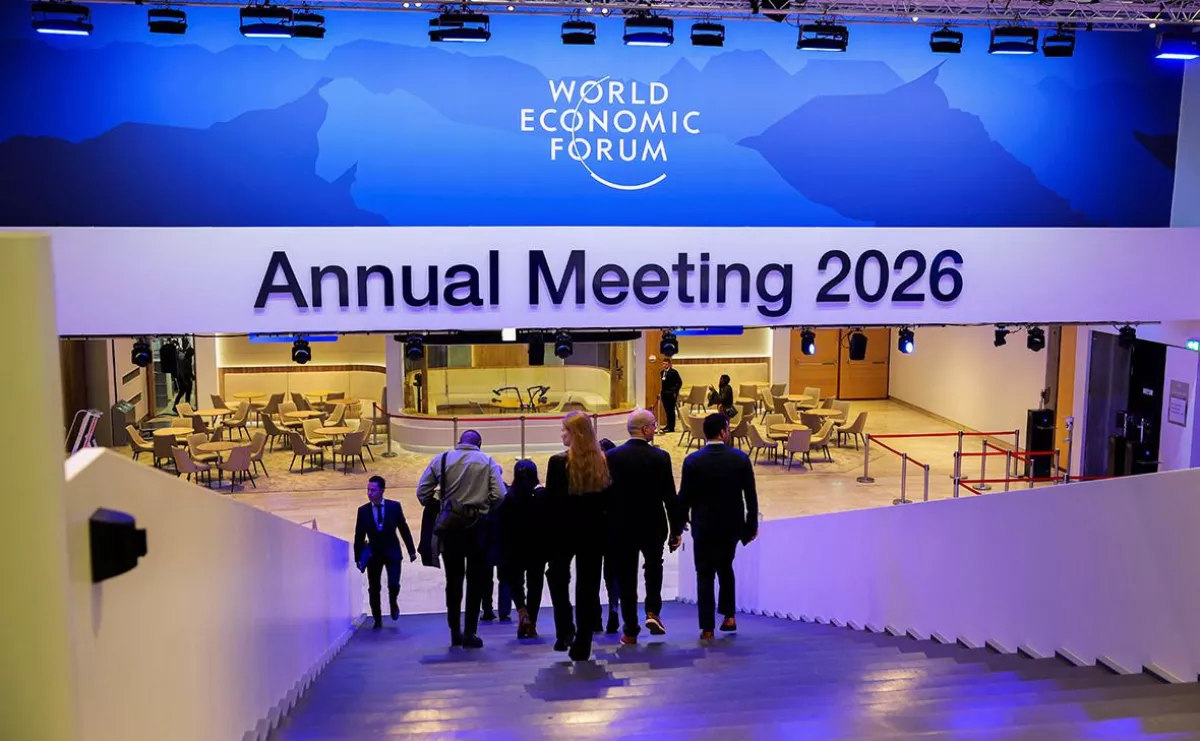
In this context, a number of analysts are questioning how relevant the current Davos forum can be, given that more than 60 heads of state and government, 55 ministers of economy and finance, and over 800 leaders of the world’s largest corporations are expected to participate. Can it truly demonstrate real geopolitical significance?
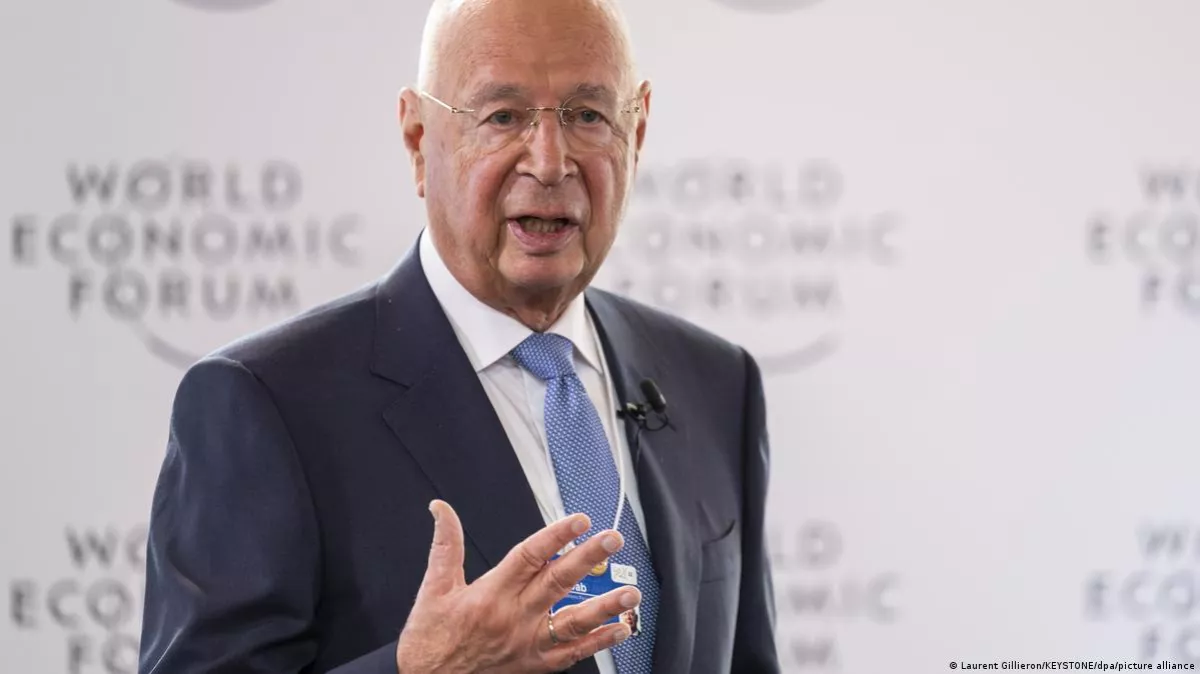
However, the issue also manifests in another dimension. In April 2025, the founder of the Davos forum, 87-year-old Klaus Schwab, stepped down as chairman of the organisation’s board of trustees. It is worth recalling that Schwab and his wife had faced allegations of misusing the forum’s funds for personal purposes. Nevertheless, following a large-scale investigation, no evidence of criminal wrongdoing was confirmed.
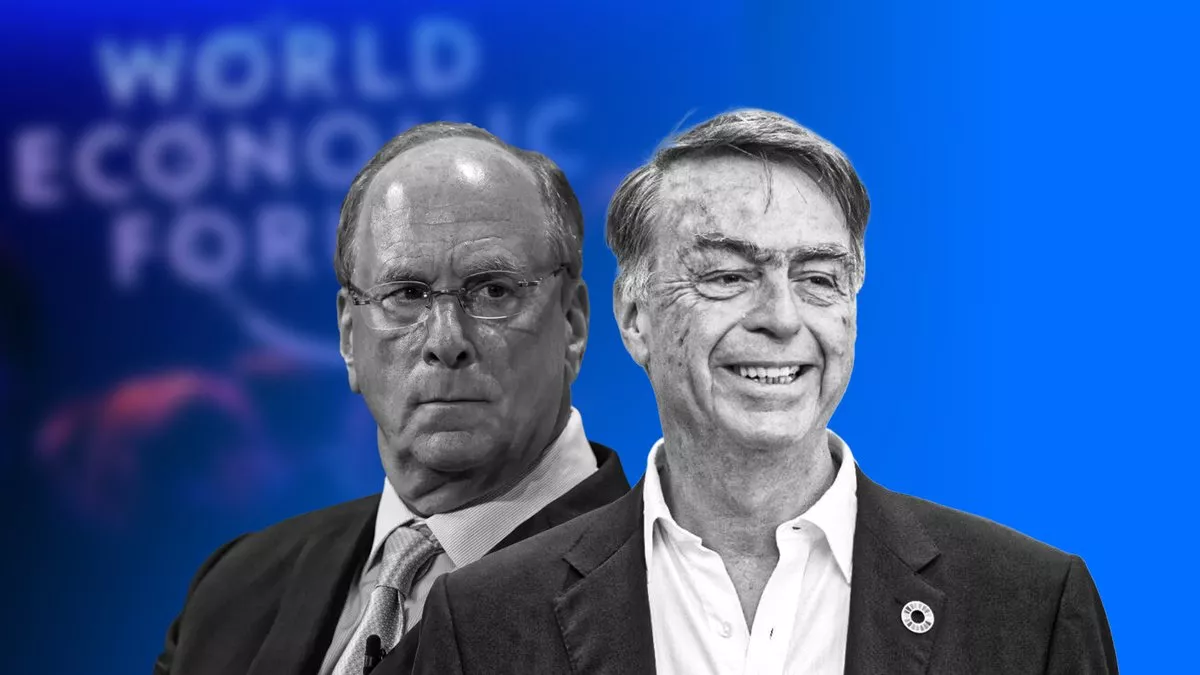
In an official statement in August, the WEF noted only “Minor irregularities, stemming from blurred lines between personal contributions and forum operations,” which, it was emphasised, reflected Schwab’s deep commitment to the organisation’s mission “rather than intent of misconduct.” In any case, Larry Fink and André Hoffmann were appointed as interim co-chairs of the Forum.
At the same time, the strategic direction of the WEF platform remains unchanged: the forum continues to be positioned as a mechanism to enhance interaction between the public and private sectors, to create “initiatives for cooperation and progress.”
Last year’s forum was marked by an “age of uncertainty” driven by “growing fragmentation,” which, it was noted, had led to new lows in the level of global cooperation across many areas. In this sense, the current session is often perceived as a direct continuation of the previous one.
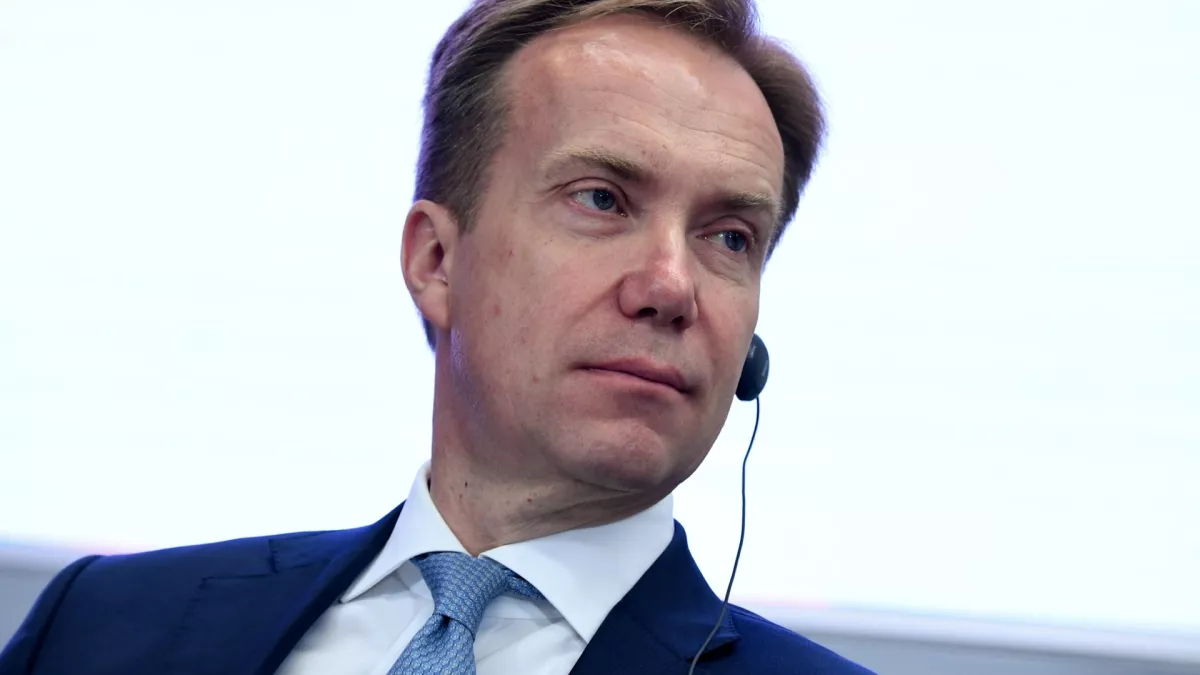
Moreover, on the eve of the event, WEF Director-General and President Børge Brende noted that global debt had reached its highest level since 1945, against which, he said, the planet is “entering a new world order.” He expressed hope that the emerging system of international relations would not revert to a “law of the jungle.” As a result, the motto of Davos 2026 became, for the first time, not a striking slogan but a deliberately understated — or even veiled — phrase: “A Spirit of Dialogue.”
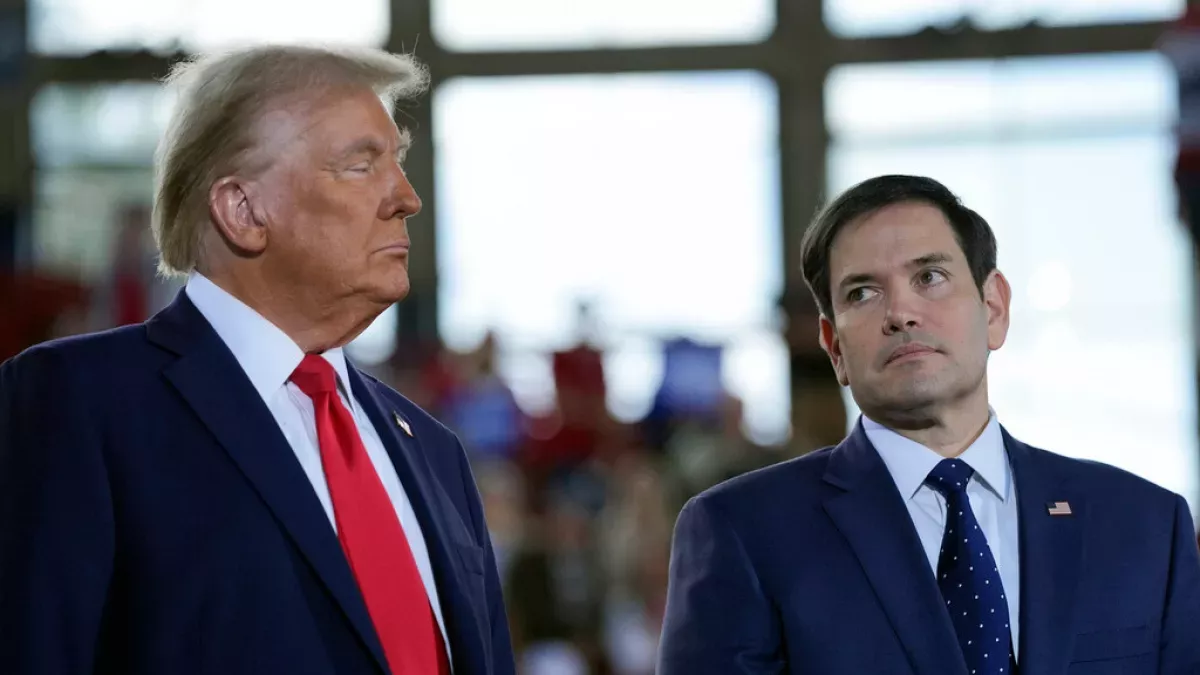
At the same time, the participation of U.S. President Donald Trump, who is leading a significant American delegation (including Secretary of State Marco Rubio, Treasury Secretary Scott Bessent, and other senior officials), adds additional political weight to this year’s WEF. Experts suggest that the White House leader intends to make a bold statement on new global trends. In particular, it is not ruled out that he may present the Board of Peace, which he himself heads, as an institution intended to assume the functions of a reformed United Nations.

A standout feature of the Davos agenda is the participation of Azerbaijani President Ilham Aliyev, who will represent the country amid the new geopolitical realities that have emerged in and around the South Caucasus. At last year’s Davos forum, President Aliyev held a series of meetings with heads of state, leaders of major global corporations, and representatives of the world’s leading international organisations. These discussions addressed not only the development of transport corridors and global energy security — highlighting Azerbaijan’s international significance — but also the attraction of foreign investment.
Davos 2026 will serve as another confirmation of the country’s growing international authority. This is all the more significant given that the global recognition of the new South Caucasus reality — through the lens of the August 2025 agreements reached at world’s Office No. 1, in the presence of U.S. President Donald Trump — provided momentum for crucial regional transformations. Furthermore, this concerns a broader geopolitical and geographic arena within the already operational C6 format, where Azerbaijan’s role as a strong political and economic hub is particularly emphasised, notably in light of significant progress surrounding the Zangezur Corridor as a distinct branch of the Middle Corridor.
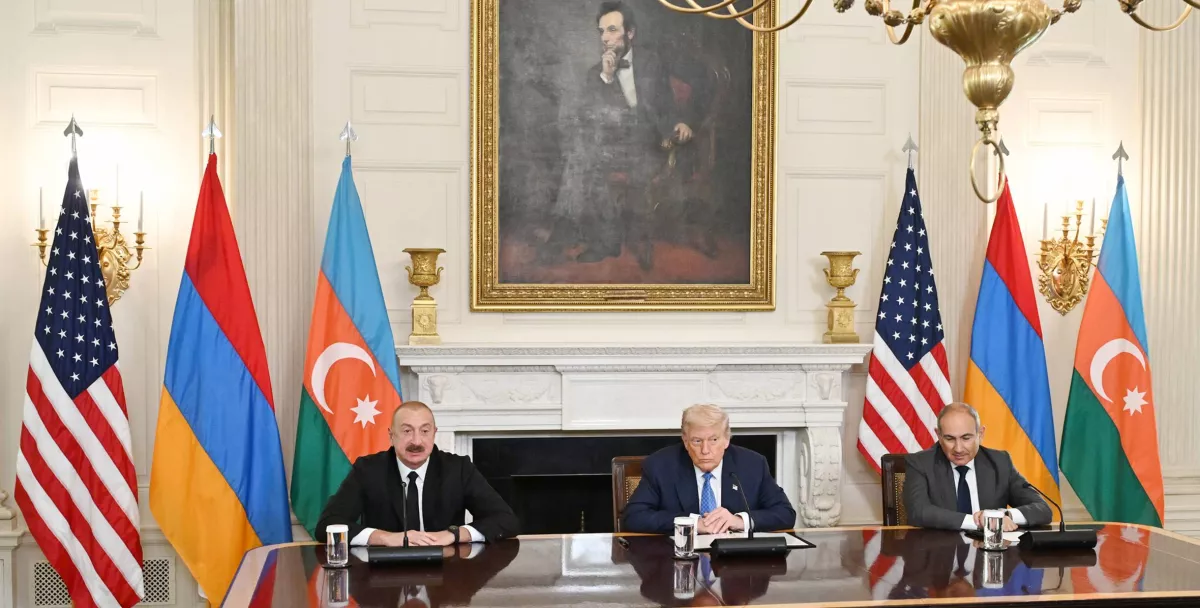
These factors — along with Baku’s consistent policy of promoting peace, stability, and security in the region — enable Azerbaijan to present a constructive dimension of global processes at Davos. It must be acknowledged that today’s world is indeed fragmented. In this context, Azerbaijan’s peaceful experience demonstrates how constructive initiatives can become a real driver of development. One need only recall the unique experience of rehabilitating the country’s territories liberated from occupation, which clearly illustrates the relevance of a constructive approach, systematically addressing economic, social, and cultural challenges — and doing so through its own efforts.
At the same time, Azerbaijan’s peaceful measures in the context of Armenian-Azerbaijani relations reflect a defining characteristic of the nation. Since the conclusion of the Patriotic War, the victorious country has extended a hand of assistance to the state that was defeated on the battlefield.
Today, thanks to Azerbaijan, Armenia receives grain, fuel, and other opportunities of a humanitarian and economic nature.
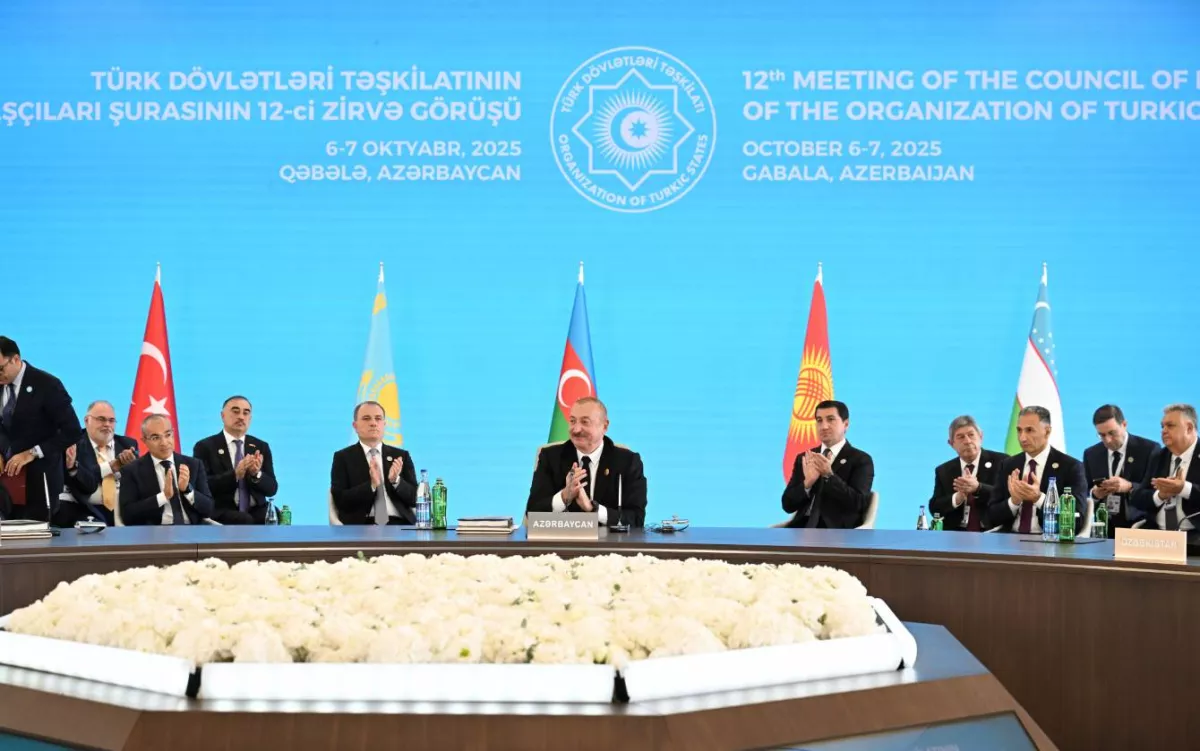
Finally, within the logic of regionalisation in a fundamentally new format, Azerbaijan’s relations with Central Asian countries, as well as plans under the Organisation of Turkic States plus (OTS+) framework, are presented. All of this aligns seamlessly with the fact that, amid the disregard by many international actors for the norms of international law, Azerbaijan consistently bases all its actions aimed at protecting national interests on this very principle. This approach will be one of the key thematic highlights of Azerbaijan’s active participation at Davos 2026 — serving as a demonstrative example for the international community.







 editor@caliber.az
 +994 55 444-88-98
 Азербайджан, Баку, ул. Низами, 203, Af Business House, 5-й этаж