










British capital and Azerbaijani potential: a formula for long-term cooperation Review by Khazar Akhundov
Over the past three decades, Azerbaijani-British business ties have become one of the most important pillars of Azerbaijan’s trade, economic, and investment cooperation. This comes as no surprise, as British companies continue to rank among the leading investors in the Azerbaijani economy.
For many years, business cooperation between London and Baku has been built around the energy sector. Today, however, the two countries are expanding their partnership into such areas as green energy, transport, digitalisation, and defence.
These new dimensions of Azerbaijani-British business cooperation were highlighted during a reception held in Baku a few days ago to mark the national holiday of the United Kingdom of Great Britain and Northern Ireland — the Official Birthday of His Majesty King Charles III.
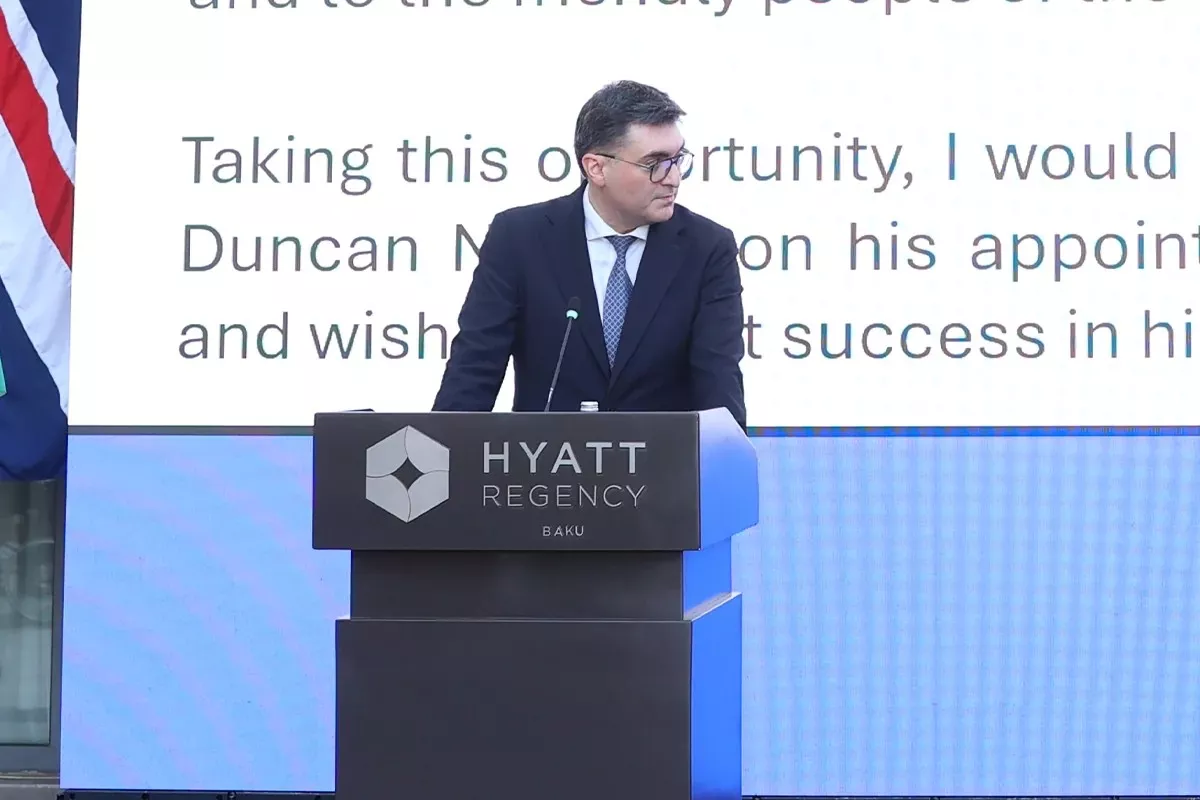
As Azerbaijan’s Deputy Minister of Energy, Orkhan Zeynalov, stated during the event, “We remain committed to further developing the productive cooperation that has existed between Azerbaijan and the United Kingdom for many years. The signing of a Partnership and Cooperation Agreement between our countries in the near future will provide fresh momentum for expanding this partnership.”
He also noted that the United Kingdom had sought to become Azerbaijan’s strategic partner from the very first years of the country’s independence and had played a significant role in its development through investment and support for the energy sector.
“With investments exceeding $39.9 billion, including $37 billion directed to the energy sector, the United Kingdom is the largest foreign investor in our country,” Zeynalov said. “The productive partnership with BP, which began with the historic ‘Contract of the Century’ in 1994, continues to deliver substantial benefits to both countries and contributes to global energy security as a whole.”
Since then, relations between Baku and London have evolved from mutually beneficial business cooperation into a strategic partnership. To this day, every major milestone in the development of Azerbaijan’s extractive industries and oil and gas transportation sector has been closely linked to the active involvement of British business.
In particular, bp is engaged in a number of major energy projects in Azerbaijan. The company serves as the operator of the Azeri–Chirag–Gunashli (ACG) and Shah Deniz fields, holds stakes in the Baku–Tbilisi–Ceyhan (BTC) oil pipeline and the South Caucasus Pipeline (SCP), and owns a 20% share in the consortium implementing the Southern Gas Corridor (SGC) project.
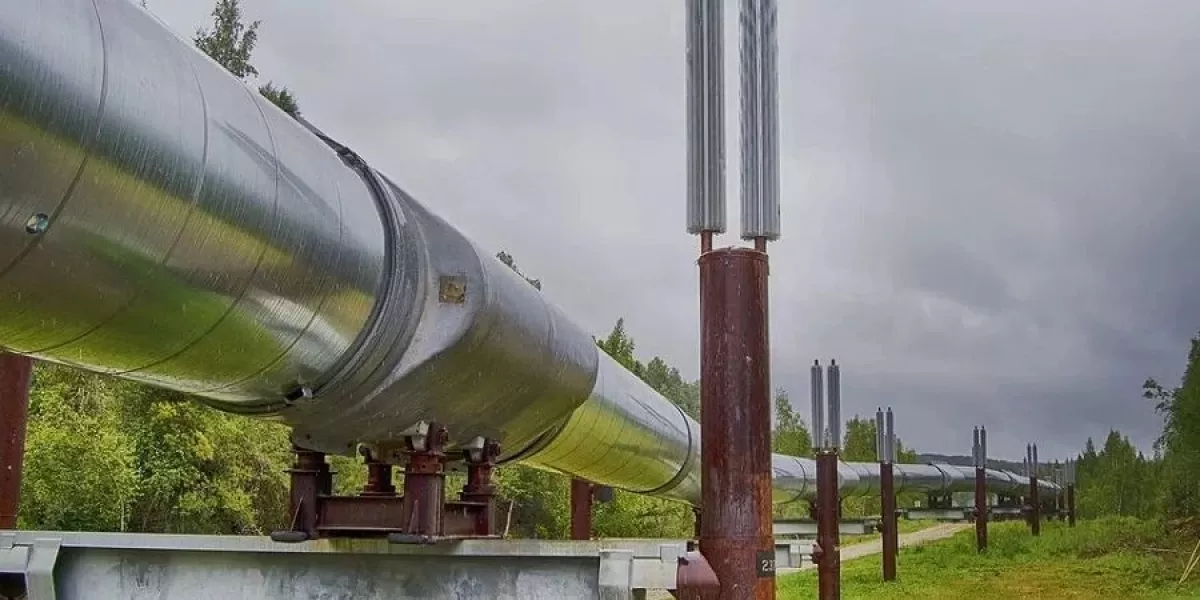
Importantly, British partners have maintained the momentum of energy cooperation regardless of market fluctuations. In early June this year, in line with previously agreed contractual commitments, bp transferred operational responsibility for the Baku–Supsa pipeline to the State Oil Company of Azerbaijan (SOCAR). The company also plans to complete the transfer of operator functions for the Baku–Tbilisi–Ceyhan (BTC) oil pipeline to SOCAR by July 1.
However, this does not signal a withdrawal of the British company from its Azerbaijani assets. bp remains the second-largest shareholder in BTC Co., after SOCAR, retaining a 30.1% stake in the pipeline system. The transfer of operational responsibilities therefore reflects an agreed restructuring of management functions rather than any reduction in bp’s long-term commitment to Azerbaijan’s energy sector.
The SOCAR–bp partnership is also advancing through new initiatives within the ACG project. “Earlier this month, a ceremony was held to mark the commencement of natural gas production from the deep-lying reservoirs of the ACG field. This represents a new historic stage in the development of the field, and the Deep Gas project is of strategic importance for increasing Azerbaijan’s gas output and export potential,” the Deputy Minister of Energy noted. He added that the gas reserves being developed under the project would help attract further foreign investment to Azerbaijan in the years ahead.
According to Orkhan Zeynalov, Azerbaijani-British cooperation has already evolved into a multifaceted partnership encompassing trade, investment, education, healthcare, and other sectors. A key mechanism for promoting and expanding joint initiatives beyond the energy industry is the Azerbaijan–UK Intergovernmental Commission, which serves as an important platform for advancing cooperation in the non-oil economy.
One of the most promising areas in which Baku and London are actively expanding their partnership is green energy and decarbonisation.
Notably, within the framework of the recently held Caspian Oil & Gas exhibition, bp and Azerenerji signed a document on the Final Investment Decision for the construction of the “Shafag” solar power plant, as well as a Final Investment Decision for the electrification project of the Sangachal terminal.
“The 240 MW ‘Shafag’ solar power plant, which will be commissioned in Jabrayil in 2027, together with the decarbonisation component of the Sangachal terminal project, will demonstrate the integration of hydrocarbons and green energy,” the Deputy Minister of Energy noted.
These are not the only initiatives in the field of alternative energy. Leading British energy giants—bp and KBR—are also exploring prospects for introducing green hydrogen production technologies in Azerbaijan through seawater electrolysis, using low-cost energy from offshore wind farms.
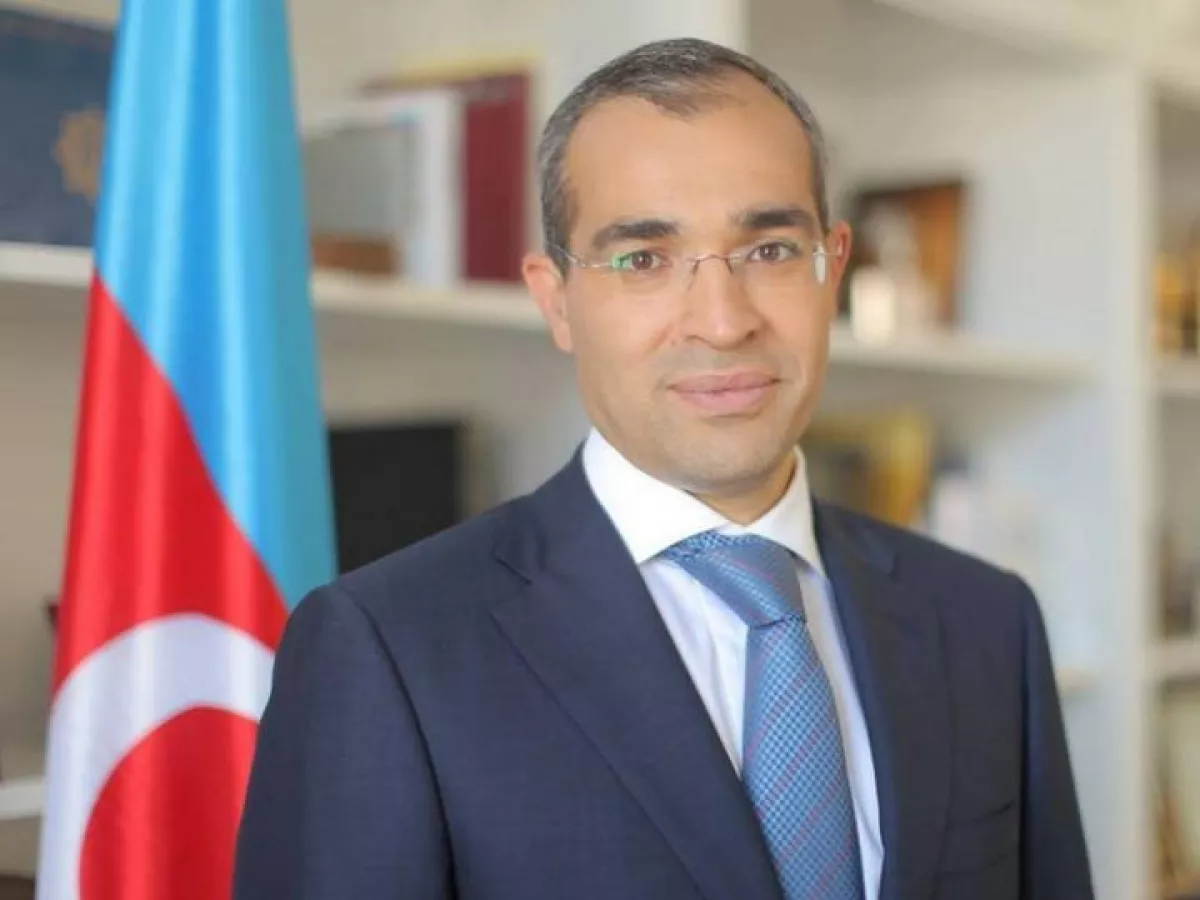
New areas of economic cooperation between the two countries were recently discussed by Azerbaijan’s Minister of Economy, Mikayil Jabbarov, and the UK Minister of State for Investment at the Department for Business and Trade, Lord Jason Stockwood, who was on a visit to Azerbaijan.
As Minister Jabbarov noted on his X social media account, the meeting “reviewed prospects for joint activities in #trade, energy security, green energy, innovation, and digitalization, as well as potential steps to further promote mutual investment.”
Overall, Baku and London are focusing on the development of non-oil sector cooperation, including exploring opportunities in technology transfer, start-up and IT partnerships, financial services, infrastructure projects, agricultural processing, and tourism.
In turn, during the reception in Baku, the UK Ambassador Duncan Norman noted that defence ties between the United Kingdom and Azerbaijan are currently at their highest level.
“We are tackling illegal commodity smuggling across international borders together. British companies are active across aviation, infrastructure, finance and AI. We are proud of our support for mine clearance in Karabakh, helping communities rebuild and recover,” he said. The diplomat added that London and Baku are increasingly aligned on key international and regional security issues.
The effectiveness of Azerbaijan–UK economic relations is most clearly reflected in trade figures. Trade turnover between the two countries in January–April 2026 amounted to $3.559 billion, increasing 7.4 times compared to the same period last year. As a result, the United Kingdom confidently ranked second among Azerbaijan’s largest trading partners.







 editor@caliber.az
 +994 55 444-88-98
 Азербайджан, Баку, ул. Низами, 203, Af Business House, 5-й этаж