










China–Japan: diplomacy gives way to nuclear rhetoric The Taiwan knot tightens
A new diplomatic dispute between Japan and China over Taiwan seems at risk of escalating into a more acute phase. A recent statement by Chinese Foreign Minister Wang Yi, made during a meeting with German Foreign Minister Johann Wadephul in Beijing, directly points to rising tensions. According to Wang, the Japanese government is attempting to use the Taiwan issue to stir conflict and is trying to “threaten China militarily,” which Beijing considers unacceptable.
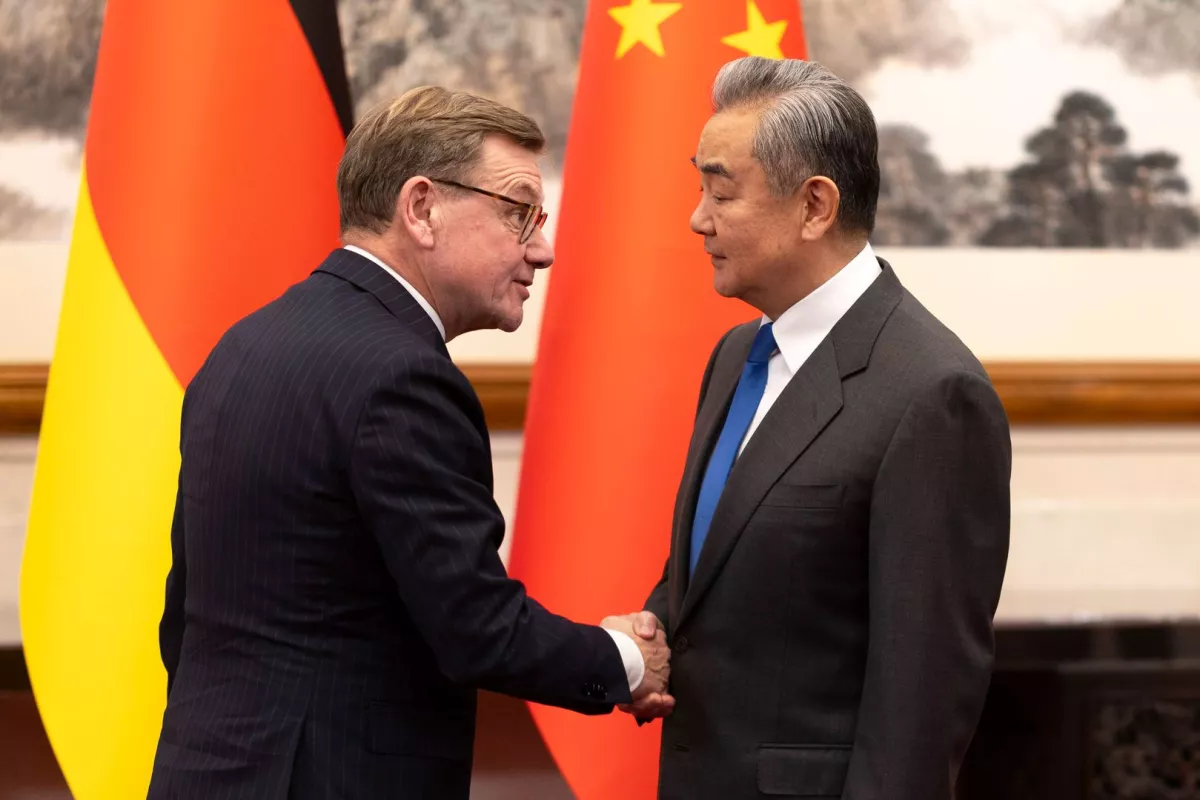
“This year marks the 80th anniversary of the Chinese people’s victory in the War of Resistance Against Japanese Aggression. Japan, as a country that lost the war, must reflect deeply on its past actions and exercise greater caution in its statements and deeds,” Wang Yi said.
He also emphasised that the current Japanese leaders, representing a country that colonised Taiwan for 50 years and committed “countless crimes against the Chinese people,” are once again trying to use the Taiwan issue to escalate tensions and “threaten China militarily,” which, according to Beijing, is unacceptable.
Notably, the recent spike in disagreements between the two countries was triggered by statements from Japanese Prime Minister Sanae Takaichi regarding the situation around Taiwan. She stated that “any potential aggression by China against Taiwan would be regarded by Tokyo as a threat to its existence,” which could force Japan to intervene militarily under the right of self-defence.
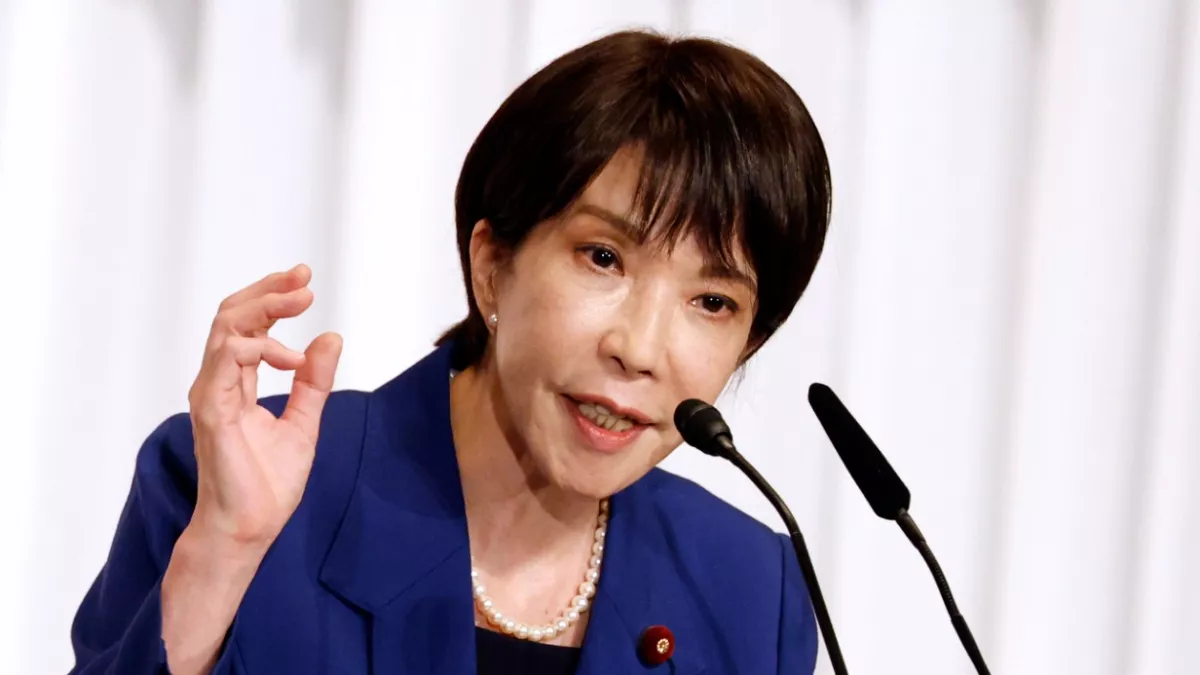
According to her, an attack by Beijing on Taiwan could become an “existential threat” to Japan, meaning that the Self-Defense Forces must be prepared to counter this danger.
These statements immediately provoked a strong reaction from China. Chinese officials warned that in such a scenario, Japan would face a “crushing defeat,” and Chinese citizens were urged to refrain from travelling to Japan.
Tensions escalated further after the Chinese Foreign Ministry summoned the Japanese ambassador in Beijing for official explanations. Chinese authorities demanded an apology from Takaichi, but she refused. Instead, the Japanese delegation visiting China tried to assure Beijing that, despite the Prime Minister’s strong wording, Japan’s moderate stance on Taiwan remains unchanged. In Beijing, however, officials stated that, in light of Takaichi’s “irresponsible and dangerous” remarks, such assurances were insufficient.
Following this, China threatened to impose sanctions if the Japanese Prime Minister did not retract her statements. As often happens in such diplomatic situations, Beijing made it clear that apologies alone are not enough—concrete actions are required.
Back in November, Chinese authorities had already expressed serious concern over shifts in Japan’s stance on nuclear weapons. Beijing issued a stern warning to Tokyo after voices within the Japanese political establishment called for a review of the three non-nuclear principles, under which Japan pledges not to possess, produce, or permit the deployment of nuclear weapons on its territory. In Tokyo, this issue is increasingly being linked to the situation around Taiwan and rising regional risks.
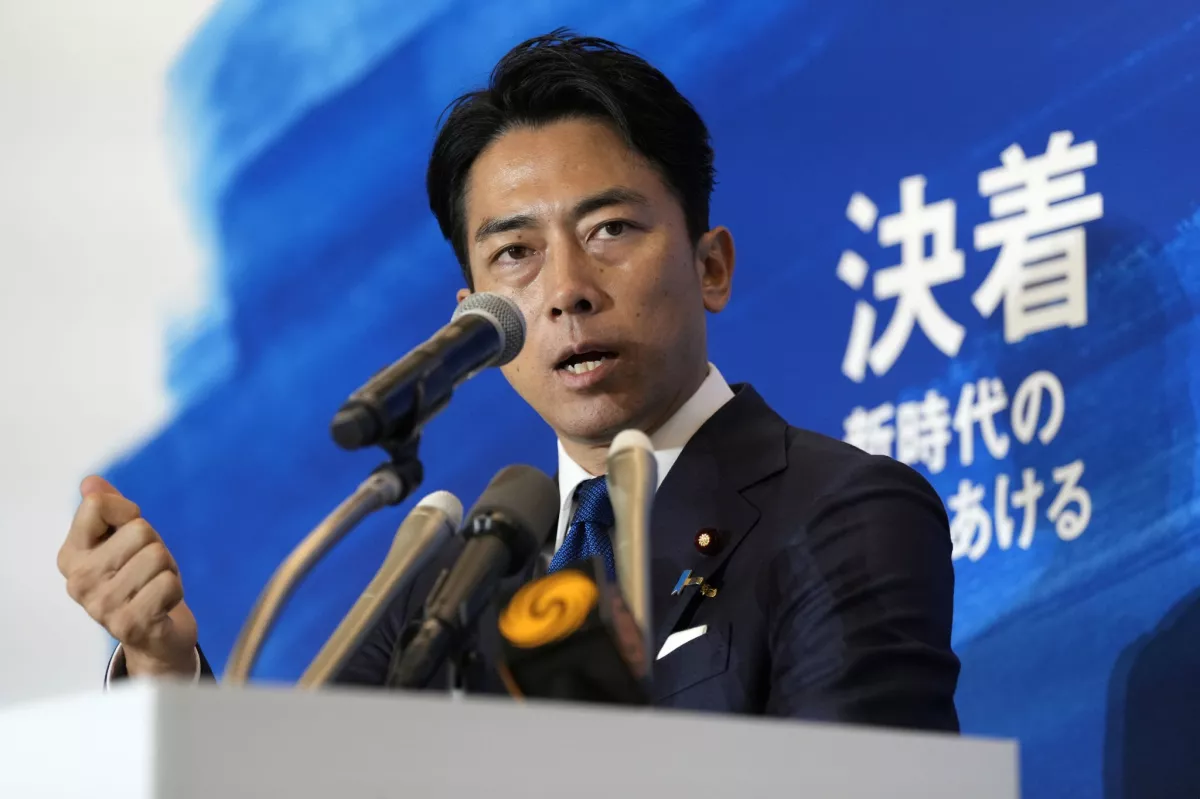
Additional tension was sparked by a statement from Defence Minister Shinjiro Koizumi, who proposed revising the strategy for developing Japan’s submarine fleet to include the creation of nuclear-powered submarines. This initiative is also seen as a de facto departure from Japan’s non-nuclear principles. At the same time, debates within the Japanese political class have intensified over the possibility of developing its own nuclear weapons amid a deteriorating international environment.
According to several experts, these developments reflect Japan’s growing concerns over China and North Korea, as well as doubts about the sufficiency of security guarantees under the U.S. alliance. Notably, the idea of revising the non-nuclear principles is gaining increasing support among the public. A March Reuters poll showed that 41% of Japanese citizens favour revising the “three non-nuclear principles,” compared with just 20% three years ago.
However, for Japan to implement such a strategic move, it would need to withdraw from the Treaty on the Non-Proliferation of Nuclear Weapons (NPT) and effectively secure U.S. approval.
But let’s return to the Taiwan issue. Japan recognised the “One China” policy back in 1972, signing a Joint Communiqué with China in which it stated that Taiwan is part of China. However, in recent years—especially under the current Prime Minister—Tokyo has gradually moved away from its previous ambiguous stance and has increasingly emphasised Taiwan’s importance for its own security.
It is worth noting that Washington also officially supports the “One China” policy as the basis of its relations with Beijing, while simultaneously maintaining extensive unofficial ties with Taiwan, supplying the island with arms, and preserving strategic ambiguity regarding the potential defence of Taiwan.
It is important to highlight Azerbaijan’s consistent and principled stance on this matter. Baku consistently adheres to the “One China” policy. Azerbaijan steadily supports Beijing’s stance, viewing it as a key condition for the development of bilateral relations and for ensuring regional predictability. It firmly opposes any form of “Taiwan independence” and supports the Chinese government in pursuing national reunification. This position aligns fully with the logic of a state that itself put an end to Armenian separatism and successfully defended its territorial integrity and sovereignty.
Regarding the current disagreements between Japan and China, the conclusion, unfortunately, is sobering: tensions between the two sides are likely to continue rising, creating the risk of escalation in the Asia-Pacific region that could affect the broader security architecture.







 editor@caliber.az
 +994 55 444-88-98
 Азербайджан, Баку, ул. Низами, 203, Af Business House, 5-й этаж