










Dialogue and economics amid global risks Azerbaijani president in Davos
On January 19, the World Economic Forum (WEF), held annually since 1971, kicked off in Davos, Switzerland. At the 56th edition of this global economic platform, key issues in world politics and economics are set to be discussed. Among the main topics are armed conflicts and threats to international security. The forum will also address aspects of geoeconomic confrontation amid tariff disputes, as well as the development of artificial intelligence, cybersecurity, and more. President of Azerbaijan Ilham Aliyev arrived in Switzerland to participate in the forum’s sessions.
The WEF, being held from January 19 to 23 in the Swiss Alpine resort town of Davos, has attracted around 3,000 participants from 130 countries.
Approximately 400 political leaders are attending the discussions, including about 60 heads of state and government, 55 ministers of economy and finance, as well as 850 top executives from leading global companies. The forum has also attracted public figures, academics, and representatives of major international media outlets.
Ahead of the event, the WEF published the latest Global Risks Perception Survey (GRPS), assessing key global risks over the short-, medium-, and long-term. According to the report, geopolitical tensions and geoeconomic confrontation are identified as the most serious short-term risks for 2026. Ranked third are risks related to extreme weather events, followed by social polarisation, economic downturns, growing concerns over technological threats—including the impacts of artificial intelligence (AI)—and cybersecurity risks.
Discussions at the WEF are expected to focus heavily on ways to overcome geoeconomic confrontation between countries, which significantly affects global trade, investment, supply chains, and access to natural resources. Experts believe that the tariff wars intensified last year could escalate into full-scale economic confrontations: the world may face port blockades, export restrictions on key goods, contract cancellations, capital movement controls, and pressure on the energy sector.
All of these developments contribute to the expansion of non-market mechanisms, reinforcing deglobalisation and trade protectionism, and, as a result, promoting the fragmentation of the global economic system into regional clusters. Notably, these global challenges also impact developing countries, including states in the post-Soviet region.
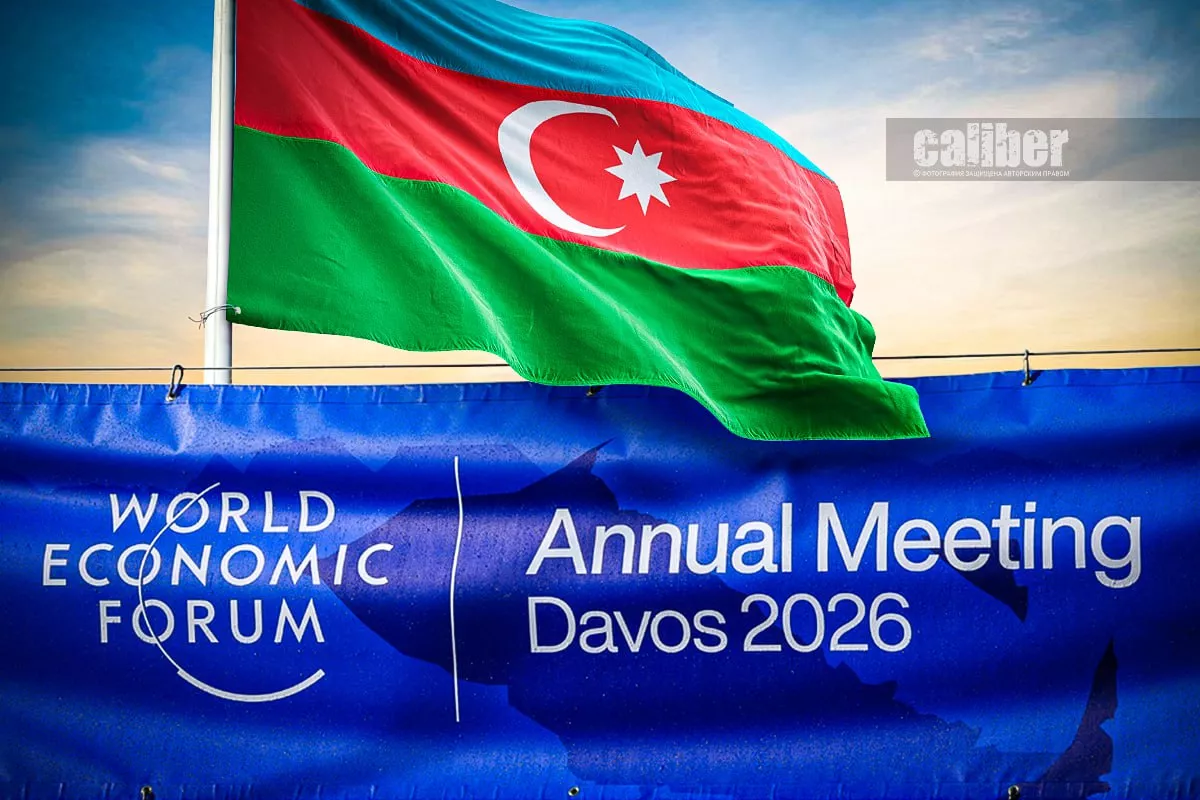
As part of the global economic system, Azerbaijan has traditionally participated in the representative Davos Forum. Azerbaijan’s engagement with the WEF began in 1995, when national leader Heydar Aliyev first represented the country at the annual meeting. In subsequent years, this role was continued by President Ilham Aliyev, who has repeatedly attended the forums and worked actively to strengthen Azerbaijan’s international image.
For Azerbaijan, Davos serves as a platform to showcase achievements in economic development, energy security, and geopolitical stability. The participation of the head of state and the Azerbaijani delegation in panel sessions and meetings at the WEF fosters deeper international cooperation in areas such as investment, IT, transport infrastructure and logistics, the climate agenda, and the development of green energy.
For decades, as a guest of Davos, President Ilham Aliyev has conducted numerous meetings with world leaders, executives of major global companies, and prominent entrepreneurs, given interviews to international media outlets, and participated in panel discussions. The previous year’s WEF was particularly productive, during which President Aliyev met with the Chancellor of Germany and the presidents of Latvia, Israel, and Iraq. He also held talks with executives of leading global companies, including Oliver Wyman Group, The Goldman Sachs Group Inc., DP World, and Carlsberg Group, and gave an interview to the Chinese television channel CGTN.
This year, an official Azerbaijani delegation is also taking part in the forum. On January 19, President Ilham Aliyev and First Lady Mehriban Aliyeva arrived in Switzerland to attend the annual World Economic Forum. It is expected that, as in previous years, the President will present Azerbaijan’s stance on a range of international issues, highlighting the country’s achievements, sharing its experiences, and outlining plans to address socio-political and economic challenges.
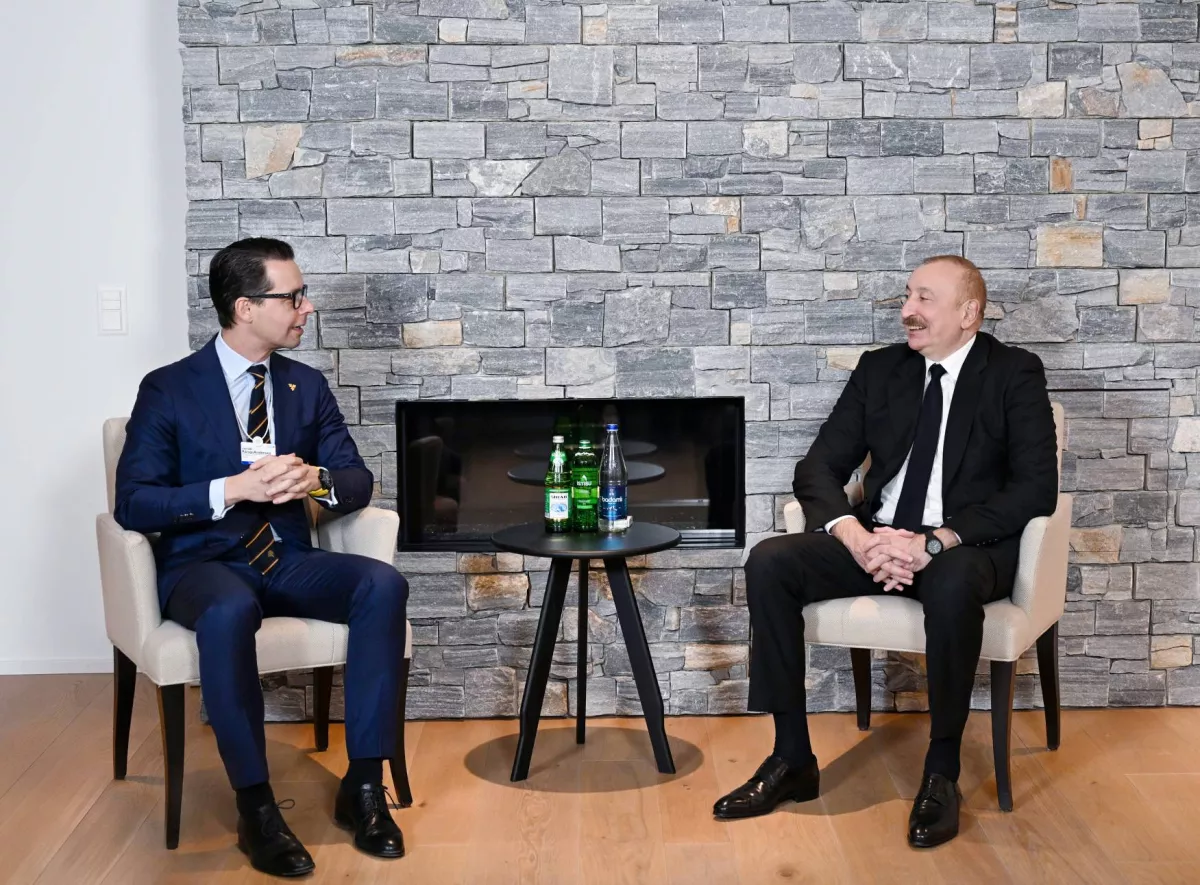
In particular, on the eve of the forum, President Ilham Aliyev held a meeting in Davos with Carlsberg Group CEO Jacob Aarup-Andersen. During the discussion, progress was noted in the implementation of several projects using locally sourced raw materials. Last year also saw a significant increase in exports of products manufactured by Carlsberg Group in Azerbaijan. Among other initiatives, a barley processing plant—the primary raw material for beer production—was established in Imishli, and in the future, the production of packaging materials is expected to be fully localised.
The head of state also met with Sultan Ahmed bin Sulayem, Group Chairman and Chief Executive Officer of DP World, one of the world’s largest port operators. The meeting highlighted the company’s successful operations in Azerbaijan and identified potential areas for further expansion of cooperation.
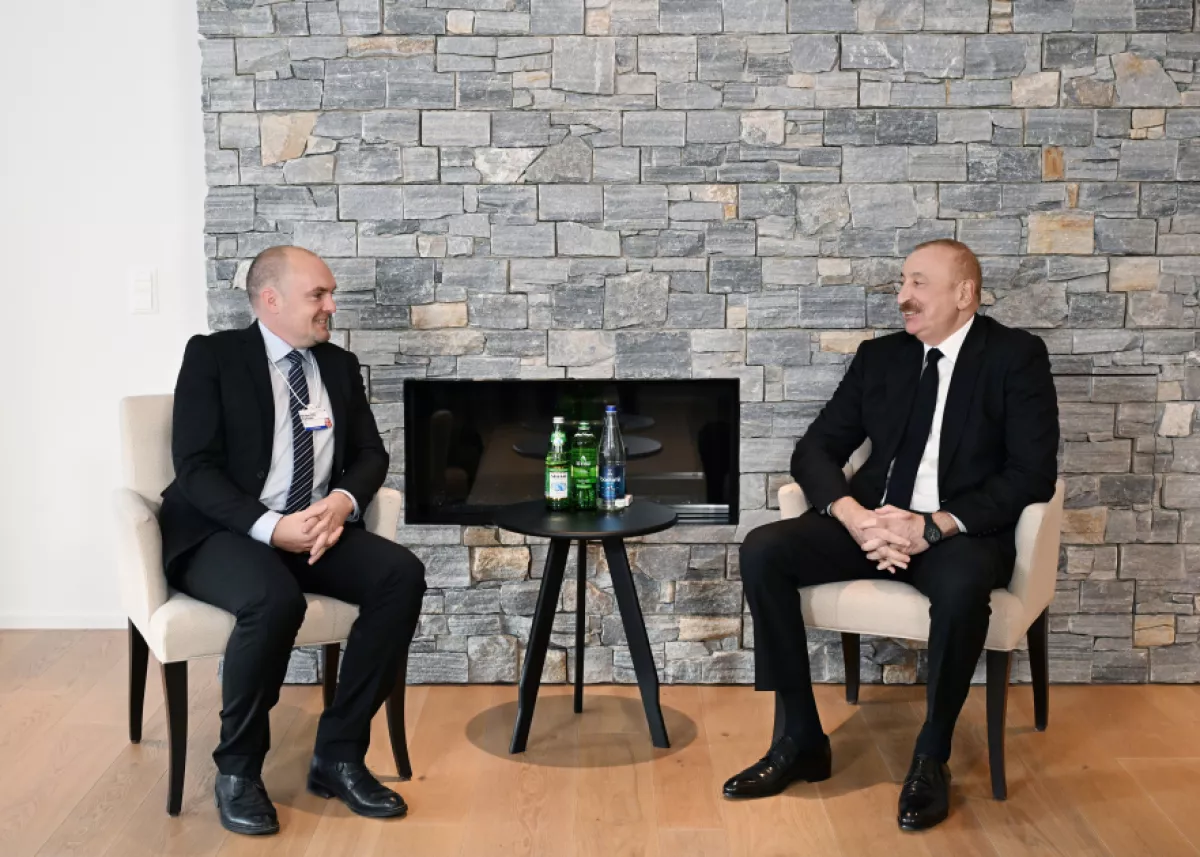
During a meeting between President Ilham Aliyev and Morten Dyrholm, Group Senior Vice President for Marketing, Communications, Sustainability, and Public Affairs at Vestas Wind Systems, discussions were held on the company’s activities in Azerbaijan in the field of renewable energy, particularly wind energy. It was noted that Azerbaijan’s favourable investment and business environment makes the country an attractive destination for foreign investors. The meeting also emphasised the significant potential for expanding cooperation with Vestas Wind Systems.
Equally productive was President Aliyev’s meeting with Andre Esteves, Chairman of BTG Pactual, one of Brazil’s leading investment banks and asset management companies.
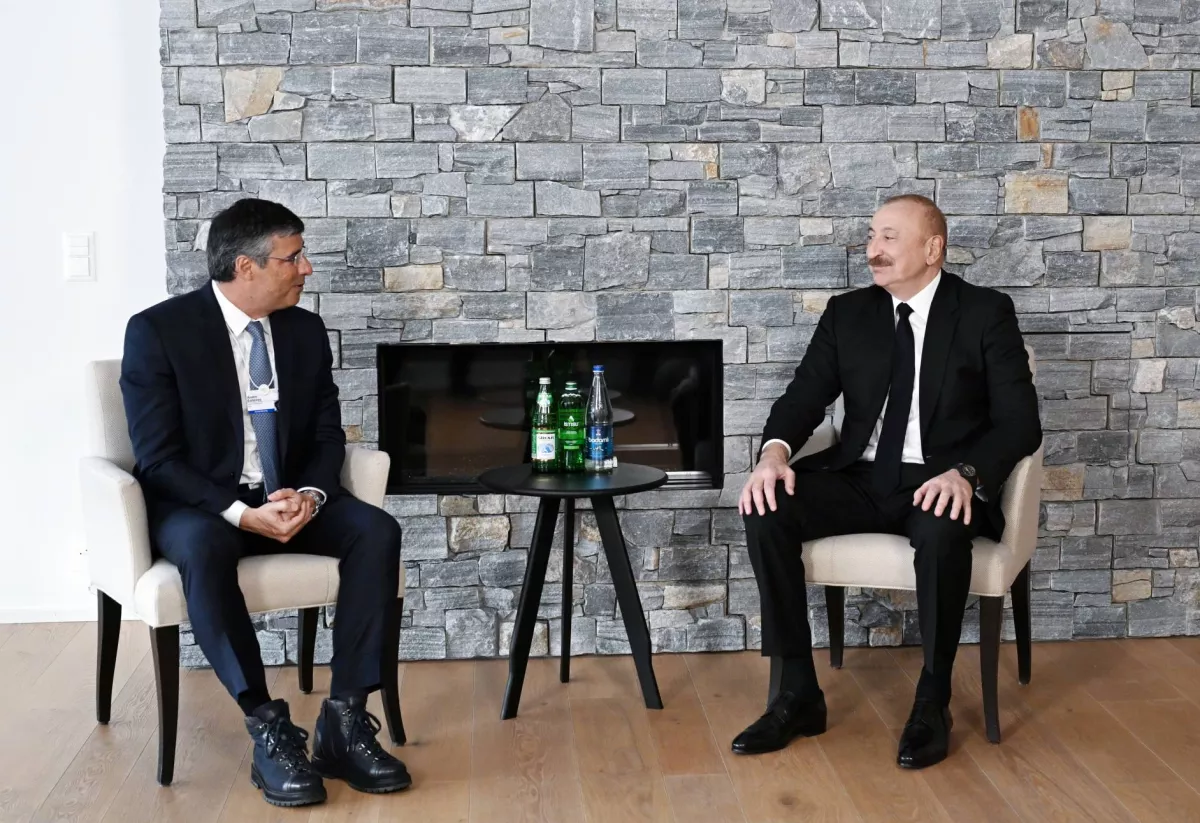
Touching on macroeconomic stability, fiscal discipline, and the long-term development strategy of Azerbaijan, the head of state noted that the policies pursued in these areas have a positive impact on further strengthening the country’s position in international financial markets as a reliable partner. In this context, he emphasised that global credit rating agencies have upgraded Azerbaijan’s credit rating to investment grade with a positive outlook.
In turn, Andre Esteves spoke about the global reach of the company he leads and its experience working with institutional investors, providing insights into investment approaches applied across different regions. It was noted that BTG Pactual has recently been in discussions with the State Oil Fund of the Republic of Azerbaijan (SOFAZ) regarding potential areas of cooperation and strategic priorities.
During the conversation, there was an exchange of views on global economic trends, the current state of international financial markets, institutional investors’ approaches to different regions, the investment climate in emerging markets, long-term investment strategies, and mutual investment projects. Founded in 1983, BTG Pactual today manages assets worth nearly half a trillion U.S. dollars.
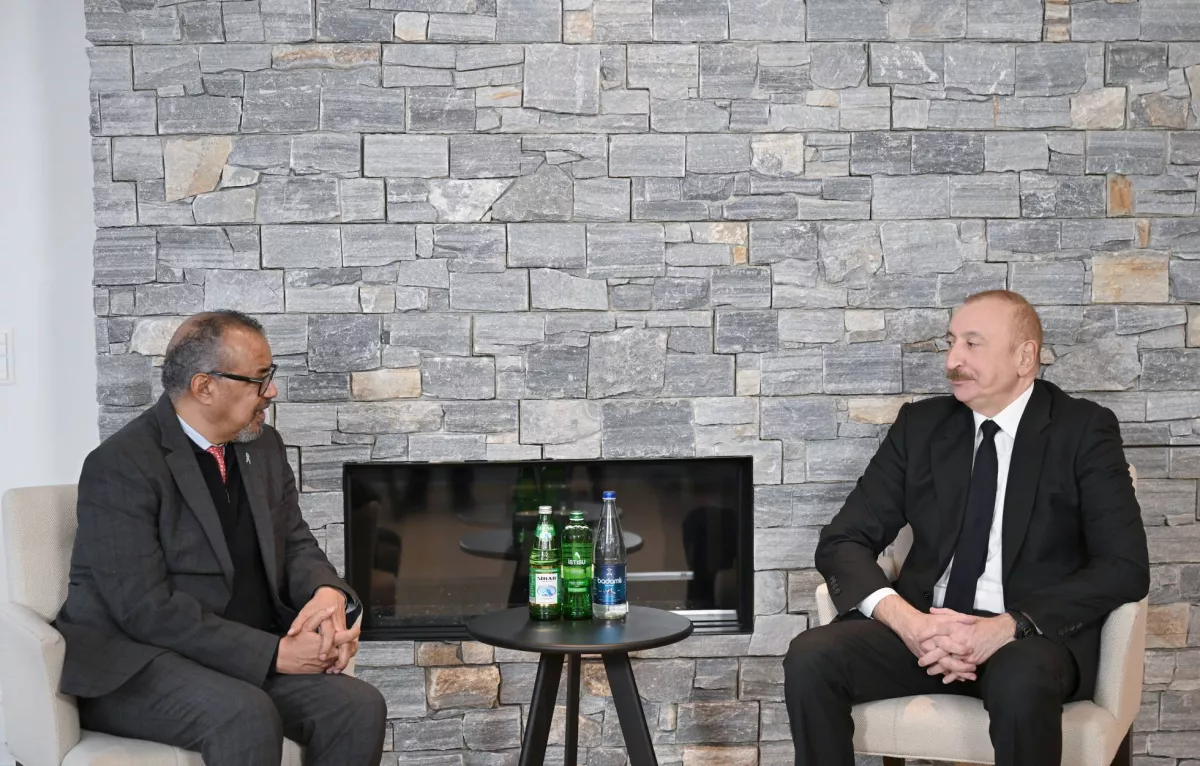
The WEF provides a platform for discussing global challenges with leading international organisations and UN bodies. On January 19 in Davos, President Ilham Aliyev met with Tedros Adhanom Ghebreyesus, Director-General of the World Health Organisation (WHO), to discuss prospects for cooperation. During the talks, the successful collaboration between Azerbaijan and the WHO was highlighted, including support for projects implemented by the organisation in various regions of the world, as well as Azerbaijan’s voluntary financial assistance to several countries during the COVID-19 pandemic.







 editor@caliber.az
 +994 55 444-88-98
 Азербайджан, Баку, ул. Низами, 203, Af Business House, 5-й этаж