










Escalation in the Middle East: oil in the line of fire Analysis by Khazar Akhundov
The global oil market reacted immediately to the latest phase of military confrontation in the Middle East, with energy prices surging once again. The escalation began with Iran's attack on vessels transiting the Strait of Hormuz, including a Qatari liquefied natural gas (LNG) tanker and a Saudi oil tanker. In response, the United States launched a series of airstrikes against the Islamic Republic.
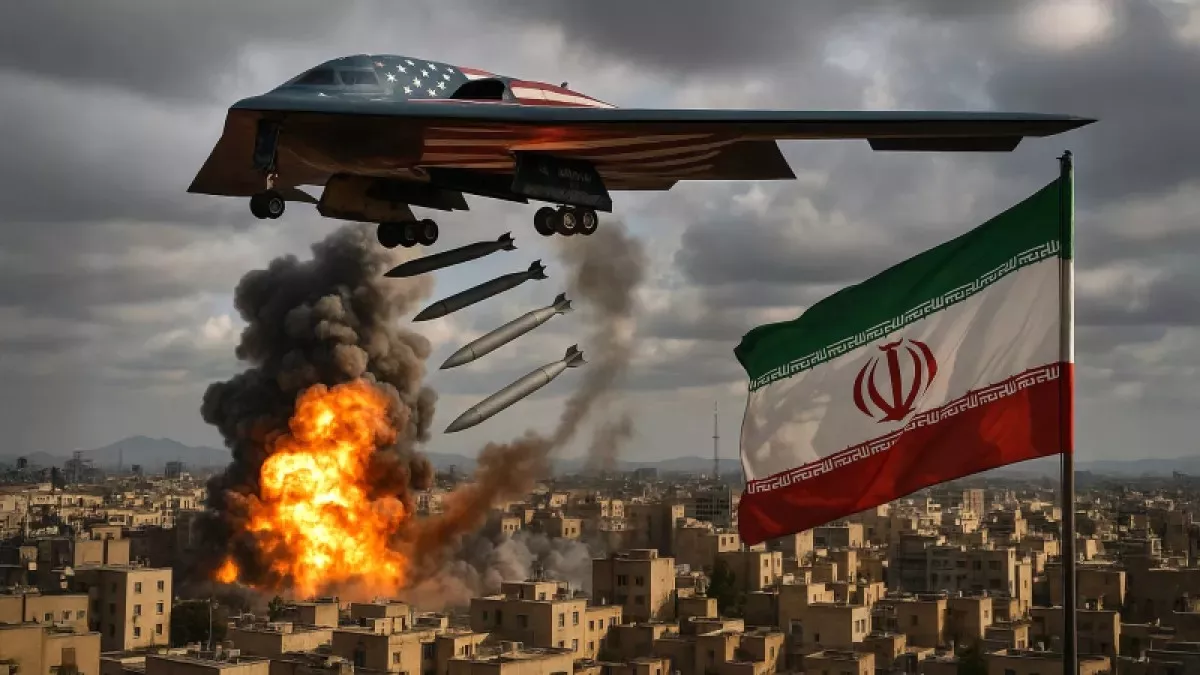
Meanwhile, the U.S. Department of the Treasury's Office of Foreign Assets Control (OFAC) announced the revocation of the license authorising the supply and sale of Iranian crude oil and petroleum products. U.S. President Donald Trump also declared that the memorandum of understanding with Iran was no longer in force.
The situation continued to escalate. The two sides exchanged not only increasingly hostile rhetoric and threats but also missile strikes. In particular, the U.S. Central Command (CENTCOM) announced that American forces had carried out another wave of strikes against Iran, hitting around 90 targets.
"U.S. Central Command (CENTCOM) forces completed an additional round of strikes against Iran, July 8, to further degrade Iran's ability to attack commercial shipping and innocent civilian mariners in the Strait of Hormuz. U.S. forces struck approximately 90 Iranian military targets," the command said in a statement.
In response, the naval and aerospace forces of the Islamic Revolutionary Guard Corps (IRGC) launched attacks on U.S. military bases in Bahrain and Kuwait.
"Shortly after the enemy's attacks on various parts of the country, the IRGC's naval and aerospace forces carried out a joint missile and drone operation, destroying key facilities and infrastructure at two U.S. bases in Kuwait—Ali Al Salem and Camp Arifjan—as well as the Al Juffair and Sheikh Isa bases in Bahrain," the IRGC said in a statement.
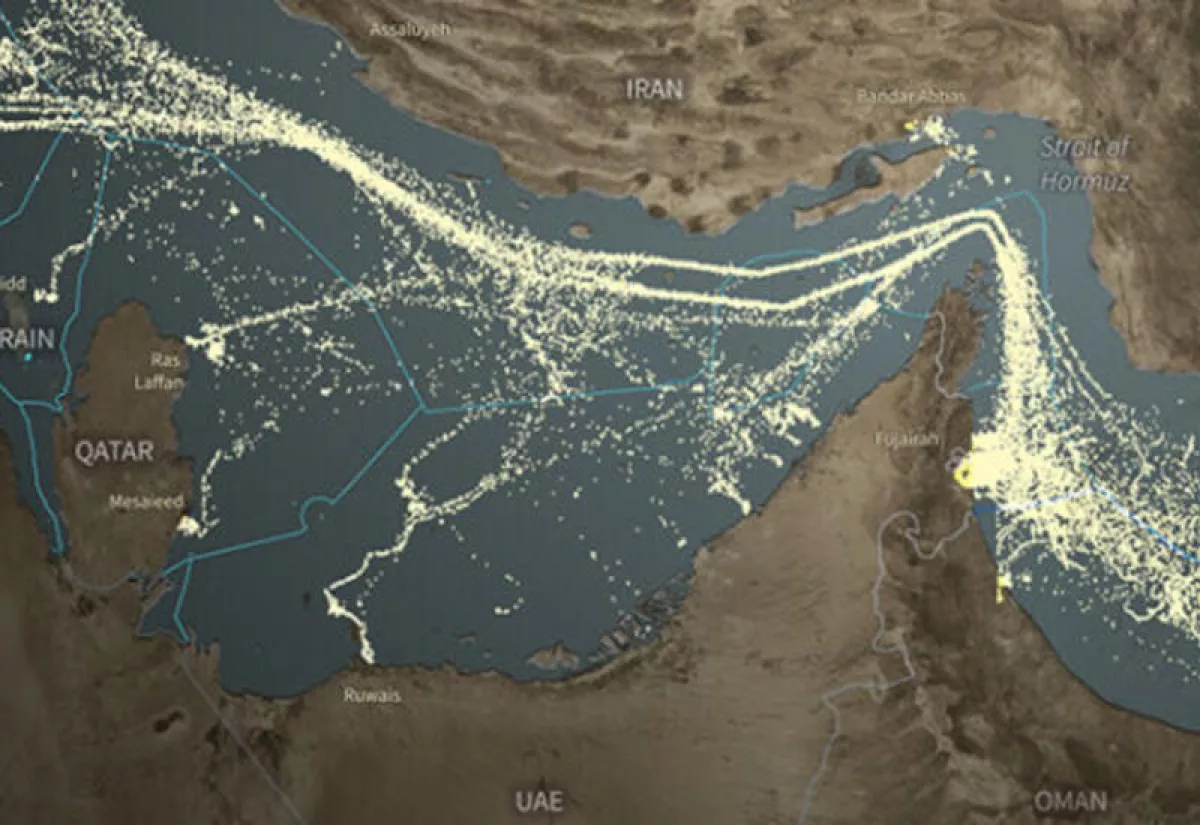
Meanwhile, according to Trading Economics, the renewed military confrontation has dramatically reversed earlier expectations of a potential oil supply surplus. Those expectations had emerged after OPEC+ members increased production quotas and Middle Eastern producers began ramping up oil output.
The resumption of the conflict has jeopardised the temporary ceasefire agreement between the United States and Iran, heightening concerns over further disruptions to global energy supplies. The risks stem from the possibility that shipowners and regional producers may avoid using the strategically vital Strait of Hormuz, the platform reported.
A similar assessment was previously offered by Ajay Parmar, Director of Energy and Refining at ICIS, who predicted that further attacks could occur intermittently in the coming months, leading to increased volatility in the global oil market.
These forecasts are now unfolding in real time. As anticipated, global markets reacted almost immediately to the escalating tensions in the Middle East. On July 8, European natural gas prices surged by as much as 5%, climbing above $580 per 1,000 cubic meters, while Brent crude futures for September delivery on the ICE exchange rose 5.7% to $76.63 per barrel, their highest level since June 25. The upward trend continued on Thursday, July 9, with Brent futures gaining another 1.1% to reach $78.88 per barrel.

Investors, meanwhile, continued to monitor developments in the Middle East closely, as the escalating conflict fueled concerns about rising inflationary pressures and the prospect of tighter monetary policy by the U.S. Federal Reserve (Fed).
The Fed, for its part, believes there are already grounds for raising borrowing costs, as inflationary pressures have become more broad-based. Against this backdrop, U.S. stock markets ended Wednesday's trading session with mixed results. Shares of major American oil and gas companies—including Chevron Corp., ConocoPhillips, Occidental Petroleum, APA Corp., and Diamondback Energy—rose by around 3.5%, reflecting expectations that disruptions to Middle Eastern oil exports could boost energy prices.
At the same time, shares of airlines such as Delta Air Lines, United Airlines Holdings, and Southwest Airlines Co., along with cruise operators Carnival Corp. and Norwegian Cruise Line Holdings, posted notable declines amid expectations of higher fuel costs.

A clearer market response will depend on the duration and consequences of the confrontation in the Middle East, as well as on the new post-conflict realities of the global oil market. If the geopolitical situation follows an optimistic scenario and the conflict does not become protracted, Brent crude prices could return by autumn to their pre-conflict average of around $70 per barrel.
For Azerbaijan, this would be a comfortable price level. It is worth recalling that, under a conservative fiscal scenario reflecting heightened global risks, the country's 2026 state budget lowered the oil price benchmark used to calculate budget revenues to $65 per barrel.
More broadly, Azerbaijan firmly supports OPEC+ policy aimed at restraining oil production and maintaining a balanced relationship between global supply and demand.







 editor@caliber.az
 +994 55 444-88-98
 Азербайджан, Баку, ул. Низами, 203, Af Business House, 5-й этаж