










Europe’s gas crisis: Italy seeks support from Azerbaijan Analysis by Khazar Akhundov
Since March 19, gas prices in Europe have surged sharply following Iranian strikes on energy facilities in Qatar’s Ras Laffan, which severely damaged two LNG production lines owned by QatarEnergy.
An upward trend in Europe’s gas market had already been evident in late 2025, driven by a cold winter and significant withdrawals from underground gas storage facilities (UGS). However, the war in the Persian Gulf has ultimately destabilised the EU gas market: storage levels have dropped below 30%, while prices have nearly doubled compared to January levels.
According to Reuters, Italy is currently in talks with several countries, including the United States, Algeria, and Azerbaijan, to increase gas imports and replace disrupted LNG supplies from Qatar.
The escalation of the war in the Persian Gulf region is having an extremely negative impact on the energy markets of the broader Asia-Pacific region (APR) and European states. The de facto blockade of the Strait of Hormuz by Iran has dealt a significant blow to the global energy market.
This is hardly surprising: in peacetime, around 20 million barrels of crude oil and petroleum products passed through the strait daily, accounting for roughly a quarter of global seaborne oil trade. However, the region is also critically important for the global logistics of “blue fuel”: some 42% of the world’s liquefied natural gas (LNG) is transported through the Strait of Hormuz by specialised LNG carriers.
The key buyers of LNG include China, India, the Republic of Korea, Japan, Pakistan, and, of course, the countries of the European Union.
A major blow to the decades-established system of global LNG supply was delivered by strikes on production infrastructure in Qatar on March 19, carried out by the Islamic Republic of Iran (IRI) in response to attacks a day earlier on Iran’s South Pars gas field.
In particular, missile strikes on Ras Laffan severely damaged two LNG production lines—Train 4 and Train 6—joint ventures owned by QatarEnergy and ExxonMobil. Together, they produced 12.8 million tonnes of liquefied natural gas per year, accounting for roughly 17% of Qatar’s total exports. According to Qatari specialists, losses from the shutdown could amount to around $20 billion annually, while restoring production capacity may take between three and five years.
Iranian missile attacks also affected the Pearl GTL plant, a joint venture between QatarEnergy and Shell that produces synthetic fuel, base oils, paraffin, and wax. One of its two production lines is expected to remain offline for at least a year. The situation has been further aggravated by the temporary shutdown of gas processing facilities in Abu Dhabi following the fall of missile debris.
Amid the extensive damage to its gas processing infrastructure, QatarEnergy has been forced to declare force majeure on a number of long-term LNG supply contracts. Among the leading buyers of Qatari LNG—alongside Asian countries—have been EU member states, primarily Belgium and Italy, each importing around 5 million tonnes of this fuel annually.
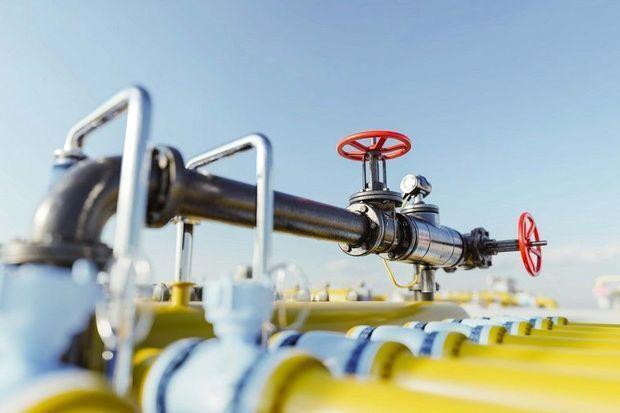
According to data from Gas Infrastructure Europe, EU underground gas storage (UGS) facilities were already 82.02% full by early November last year—down from 92% during the same period in 2024. After a two-per cent price decline in October, natural gas prices in the EU had risen to around $385 per thousand cubic metres by the end of November. Amid cold weather and the rapid depletion of UGS reserves, this upward trend continued, reaching $415 per thousand cubic metres by the end of January this year.
Immediately following the attack on Qatar, global gas prices surged sharply. The already shocked European gas market reacted with more than a twofold increase in prices, particularly as UGS levels in the EU fell below 30%. The exchange price of gas under the TTF index exceeded $850 per thousand cubic metres—the highest level since January 2023. April futures opened at $853.7 (+31%), although prices eased slightly in the following days.
The war in the Middle East is hitting Europe’s economy the hardest: supplies of expensive LNG from the United States are already at their limit, the overall system balance is tightening, and in spring EU countries will have to compete with Asian markets for reduced volumes of LNG. Today, Norway and North Africa remain key sources of pipeline gas, but their capacity to increase supplies is limited, while Russian exports are expected to be phased out by 2027.
Under the current circumstances, Italy is negotiating with several countries, including the United States, Algeria, and Azerbaijan, to secure additional gas supplies, Reuters reports, citing Italian Energy Minister Gilberto Pichetto Fratin. Notably, Italy’s branch of the French energy company EDF has a long-term contract with QatarEnergy to import 6.4 billion cubic metres of LNG per year—almost 10% of the country’s annual gas demand.
The outcome of Rome’s talks with its partner countries on additional gas supplies will become clear in the near future. As for Azerbaijan, Italy has traditionally served as a key energy hub for the country’s gas sector. Azerbaijan’s state oil company SOCAR supplies significant volumes of gas to Italy via the Trans Adriatic Pipeline (TAP), the European segment of the Southern Gas Corridor. In 2025, Azerbaijan exported 9.604 billion cubic metres of natural gas to Italy, with roughly 80% of the TAP-delivered gas to Europe going to Italy.
“To date, TAP has delivered 54.3 billion cubic metres of Azerbaijani gas to Europe, including 45.4 billion cubic metres to Italy,” said Azerbaijani Energy Minister Parviz Shahbazov at the sixth session of the Azerbaijan–Italy Intergovernmental Commission. “Cooperation within the Southern Gas Corridor contributes to the energy security of both Europe and Italy.”
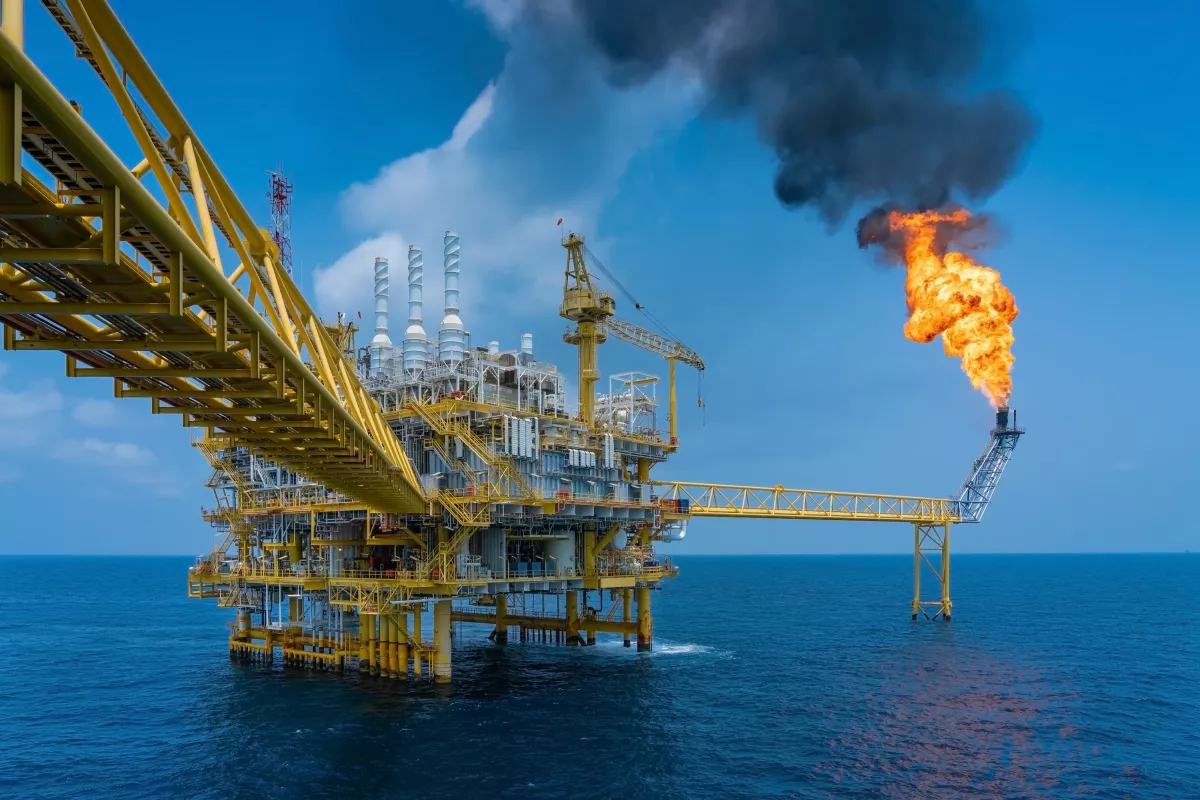
Notably, the majority of Azerbaijan’s gas exports are already contracted. In addition, since January 2026, the country has expanded the geographic reach of its exports, with Azerbaijani gas delivered via Italy also reaching Austria and Germany. Under a ten-year contract signed last June between SOCAR and the German energy group Sefe, Germany will receive 1.5 billion cubic metres of gas annually. According to media reports, Austria is expected to receive up to 1 billion cubic metres per year.
Overall, the number of companies registered to transport gas via the TAP system has grown from three to 46 in recent years. On the European route, in addition to Italy, Greece, Bulgaria, Romania, Hungary, and Serbia, deliveries of Azerbaijani gas were established to Slovenia, Croatia, and Slovakia two years ago. Through the Trans-Balkan Pipeline, pilot supplies to Ukraine began in July 2025, while SOCAR is also involved in a hybrid gasification project in North Macedonia.
Further increases in gas deliveries will depend on investment and the expansion of pipeline capacity towards these countries. Nevertheless, to meet growing demand for Azerbaijani gas, TAP’s long-term capacity is planned to increase by 1.2 billion cubic metres per year starting in 2026. There appears to be significant potential for further growth: according to the State Customs Committee, over 4.38 billion cubic metres of natural gas were exported from Azerbaijan in January–February 2026, a 4.6% increase compared to the same period last year.
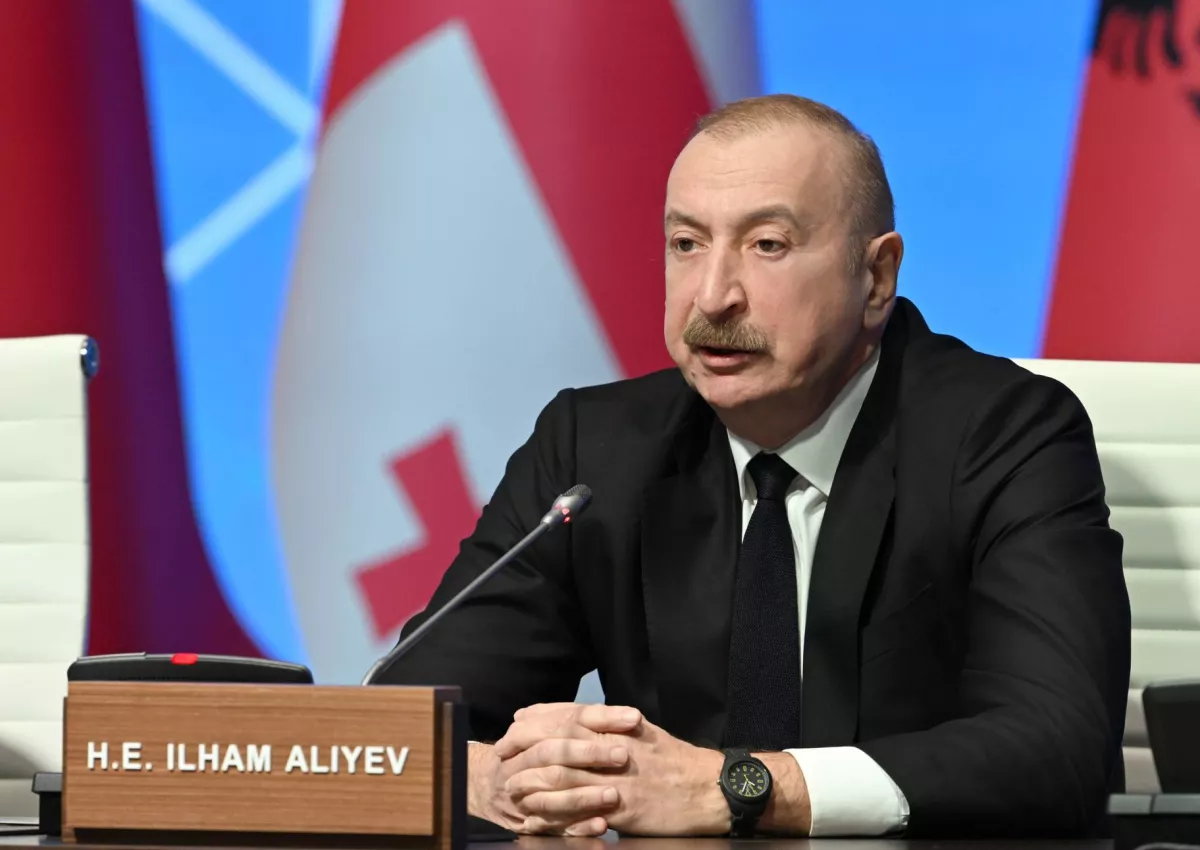
“With respect to our plans, yes, we want to increase our presence in the European energy market [...] In the coming years, with respect to the new production of gas from Azerbaijani fields, we may increase the output,” said President Ilham Aliyev at the beginning of March during the 12th ministerial meeting of the Southern Gas Corridor Advisory Council. “But for that, definitely — and we spoke about that last time — we need to think about the expansion of the existing gas transportation infrastructure, because today the Southern Gas Corridor is already fully packed. We are looking for other extensions and interconnections in order to be able to supply as much as the market needs and probably will need even more, taking into account the current situation in the world.”
Azerbaijan has the potential to achieve this. Gas production is expected to begin this year from the deepwater section of the Azeri-Chirag-Gunashli (ACG) field, while full-scale development of the Absheron field—with a threefold increase in production—is planned in two to three years. Gas production is also expected to start in the second phase of the Umid field development. Additionally, in 2028, a new phase of production at Azerbaijan’s main gas source, the Shah Deniz field, is expected to begin.
By 2029–2030, the autonomous Shah Deniz Compression (SDC) platform project—covering the Shah Deniz Alpha and Shah Deniz Bravo platforms—will be completed, along with an expansion of the Sangachal Terminal infrastructure. All these new production sources could allow Azerbaijan to produce an additional 10–15 billion cubic metres of gas at maximum capacity.







 editor@caliber.az
 +994 55 444-88-98
 Азербайджан, Баку, ул. Низами, 203, Af Business House, 5-й этаж