










Game of mutual concessions: Washington and Minsk explore sanctions relief Foreign experts on Caliber.Az
The main practical outcome of the talks held in Minsk on September 15 between Belarusian President Alexander Lukashenko and US President Donald Trump’s special envoy John Coale was the implementation of a scheme based on mutual concessions.
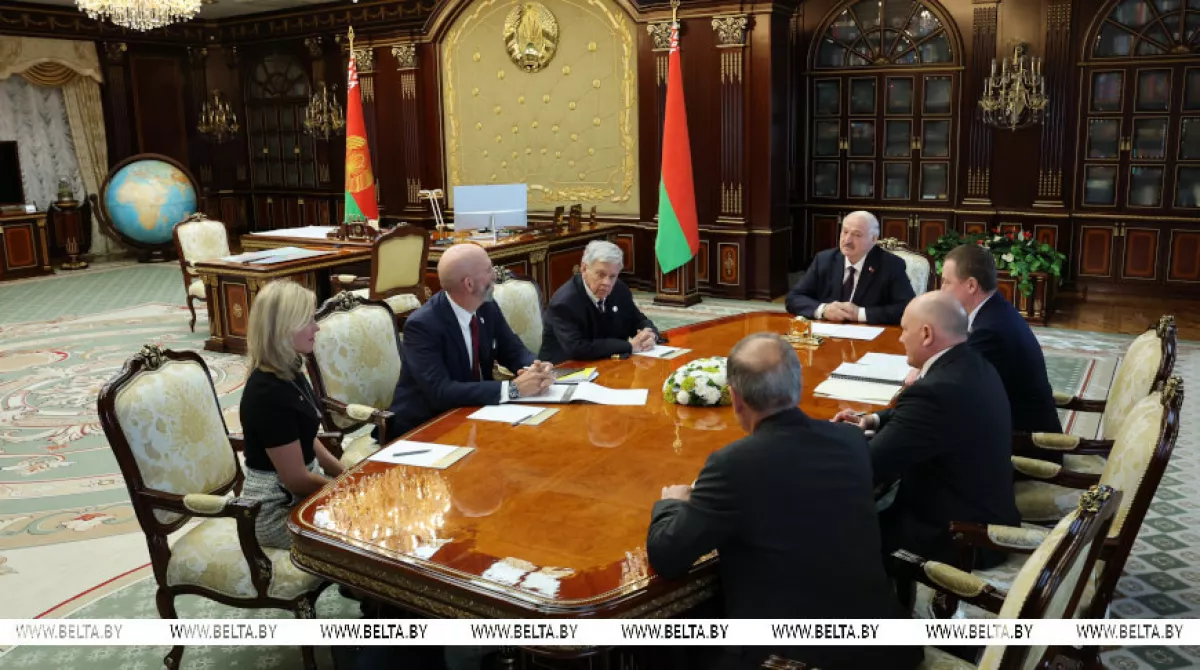
In particular, the Belarusian side released 25 prisoners, including media executive Lyudmila Chekina and members of the Tor Band music group, while on September 17, the US Treasury removed OAO Lakokraska and the state concern Bellesbumprom from the Specially Designated Nationals (SDN) list. In addition, the two sides discussed the prospects of unblocking $45 million belonging to Belaruskali at Citibank and resuming supplies of potash fertilisers.
The latest round of talks demonstrates that the two sides have moved from declarations to a systematic exchange of steps, although the scale of these moves remains a matter of debate. American and Belarusian political analysts shared their views on the issue with Caliber.Az.

American journalist and political analyst Andrey Becker noted that the outcome of the September meeting in Minsk clearly confirms that US-Belarusian contacts have moved from the “testing the waters” phase that began in 2025 to routine business engagement.
“The US Treasury’s decision regarding Lakokraska and Bellesbumprom in exchange for 25 people is not a geopolitical breakthrough, but a classic transaction in the spirit of the Trump administration, where ideological markers have given way entirely to hard-nosed pragmatism. The configuration is quite straightforward: Minsk takes a concrete step, and Washington responds with economic concessions. At the same time, neither side harbours any illusions about tectonic shifts in Belarusian foreign policy. These are purely targeted deals, with each side addressing its own specific objectives,” he said.
The expert also emphasised that industrial enterprises have become a convenient testing ground for assessing the parties’ “ability to deliver”, while the main bargaining point remains the potash issue.

“US agriculture critically needs access to Belarusian raw materials to ensure its own food security. However, Minsk is taking a very cautious position on this issue and apparently is in no hurry to ship this highly liquid commodity until Washington provides a clear legal mechanism for unfreezing millions of dollars belonging to Belaruskali at Citibank.
On the other hand, there are also logistical problems. Lithuanian ports are closed due to EU sanctions against Belarus, and the US side has so far been unable to secure the ‘green light’ for a vessel carrying the cargo to leave for the Baltic Sea. However, this is a perfectly solvable issue, and the White House has already agreed to work out a mechanism for returning the funds and has approached the bank.
At the same time, it should be remembered that releasing the frozen assets will be the main prize in this game, which the Americans intend to hold on to until Minsk takes significantly more substantial steps on the humanitarian track,” Becker said.

In turn, Belarusian analyst Alexei Chernov believes that the current deal with Washington demonstrates Minsk’s growing agency in its dialogue with the West, which is being conducted without regard to external pressure.
“The release of 25 prisoners in exchange for the removal of OAO Lakokraska and the Bellesbumprom concern from the sanctions list is not a spontaneous concession, but a carefully calibrated pragmatic step within a negotiating track that Belarusian diplomacy has been systematically preparing since 2025.
In this way, Minsk has clearly demonstrated to the American side the viability of its formula of ‘equal dialogue’. For the Belarusian authorities, this is a significant precedent: it has been demonstrated that US sanctions are neither permanent nor immutable, and that the White House is prepared to swiftly activate bureaucratic mechanisms to lift restrictions when it sees reciprocal movement,” he stressed.
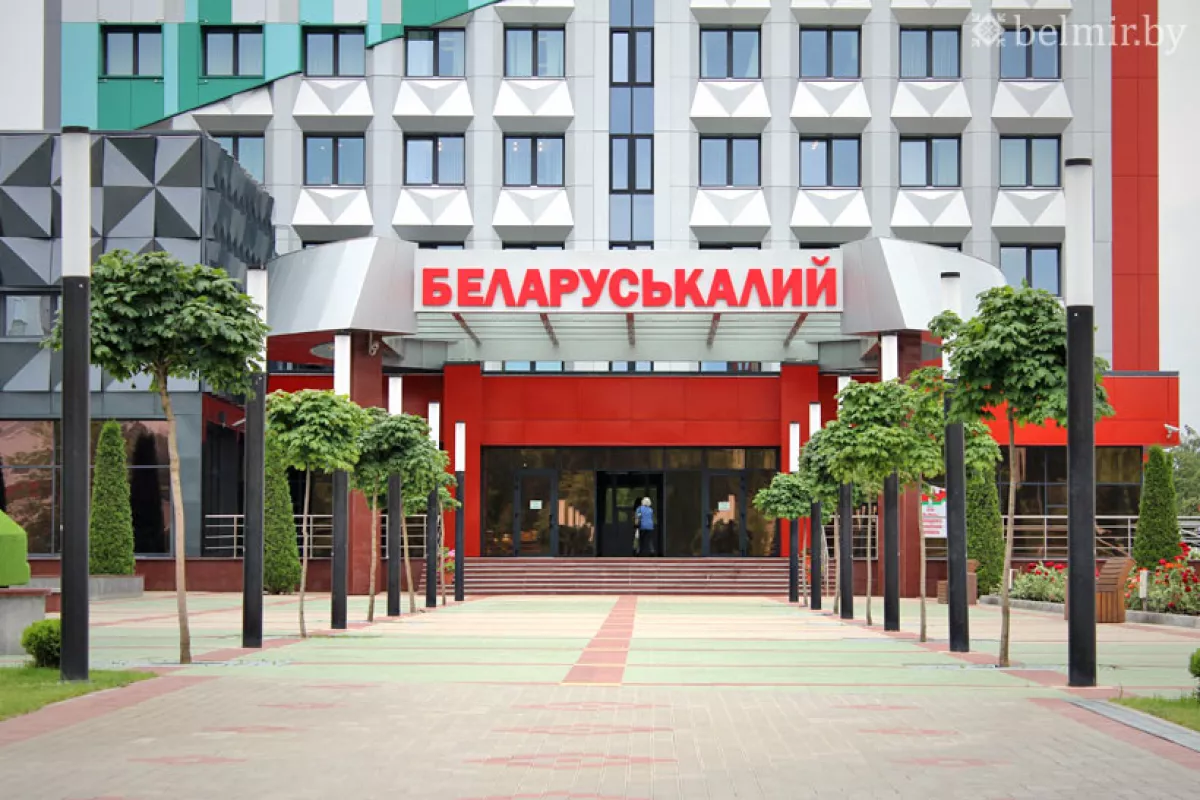
The expert noted that the economic impact of unblocking the two industrial giants is of significant practical importance for the republic, restoring the companies’ access to dollar-denominated markets. He also agreed that the real litmus test of the US readiness to normalise relations will be the potash issue and the fate of the frozen funds.
“Unblocking the millions of dollars belonging to Belaruskali at Citibank is a matter not so much of finance as of principle and trust. The US agricultural sector urgently needs Belarusian fertilisers, but Minsk has no intention of providing the US economy with an advance. Potash supplies will resume only after the blocked funds are returned to the accounts. The Belarusian side is holding on to this leverage, signalling to Washington that the scale and pace of further steps will directly depend on the complete removal of financial barriers,” Chernov concluded.







 editor@caliber.az
 +994 55 444-88-98
 Азербайджан, Баку, ул. Низами, 203, Af Business House, 5-й этаж