










Hungary’s election at the crossroads Implications for OTS and Azerbaijan
Recently, the capital of Hungary hosted a meeting of diplomatic assistants to the heads of state and government of the member and observer countries of the Organization of Turkic States (OTS), with Azerbaijan also being represented.
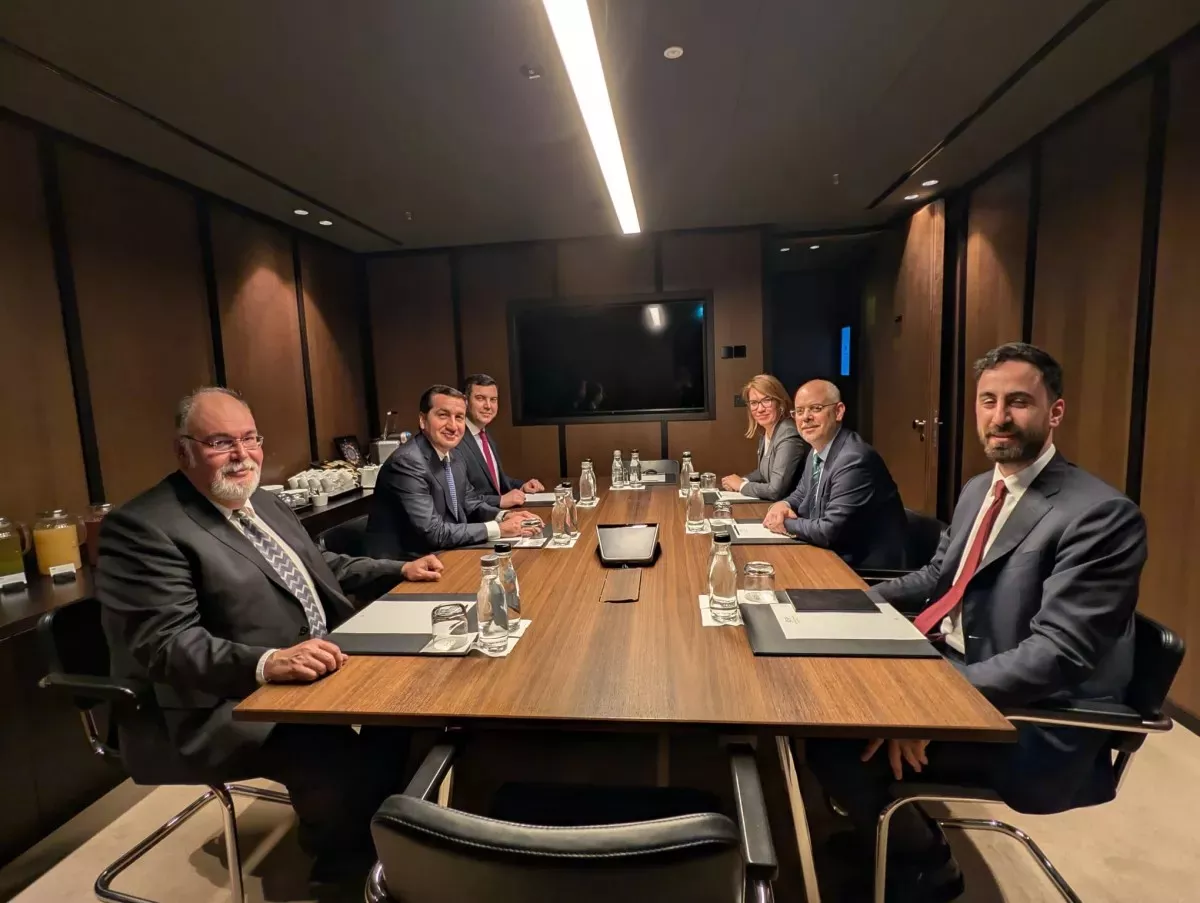
During the event, Hikmet Hajiyev, Assistant to the President of Azerbaijan and Head of the Foreign Policy Department of the Presidential Administration, met with Akif Çağatay Kılıç, Chief Advisor to the President of Türkiye.
Commenting on the meeting in a social media post, Hajiyev stated: "We discussed on the basis of brotherhood and strategic alliance between Azerbaijan-Turkiye further strengthening cooperation within the Organization of Turkic States, as well as broader regional security and connectivity issues."
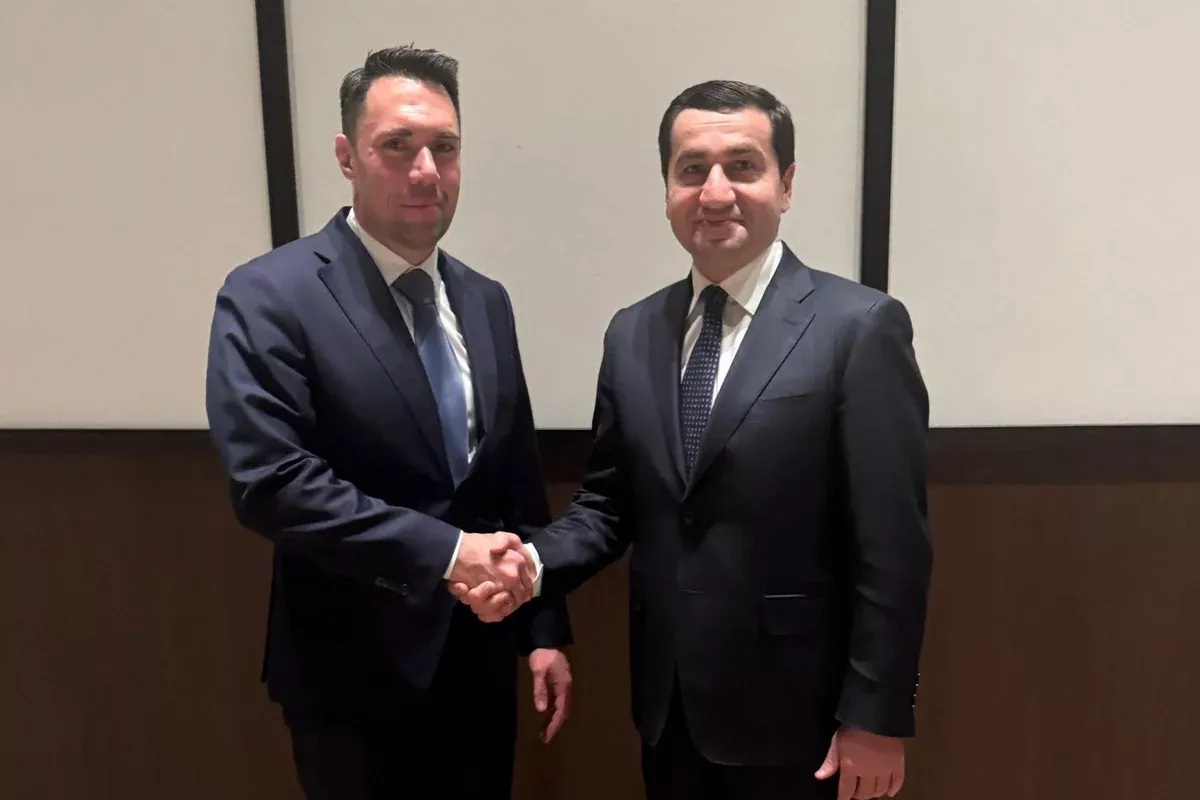
In addition, in Budapest, at the initiative of the Hungarian side, a meeting was held between the Assistant to the President of Azerbaijan and Marcell Bíró, Chief Advisor on National Security to the Hungarian Prime Minister. During the meeting, Hikeat Hajiyev noted that “Hungary’s independent policy based on national interests, along with its strong engagement with the Turkic world grounded in shared historical, ethnic, and cultural ties, and its commitment within the OTS framework, are highly commendable.”
In this regard, it is worth noting that Hungary has indeed developed a distinctive model of engagement with the countries of the Organization of Turkic States, acting as a bridge between Europe and the Turkic world. This is the result of the policy pursued by Prime Minister Viktor Orbán, who consistently emphasizes the historical and cultural closeness of the Hungarians to the Turkic peoples, promoting the idea of an “Eastern Opening” (Keleti Nyitás). Under this initiative, Budapest has intensified economic, energy, and humanitarian ties with Azerbaijan, Türkiye, Kazakhstan, Uzbekistan, and other OTS member and observer states—and beyond.
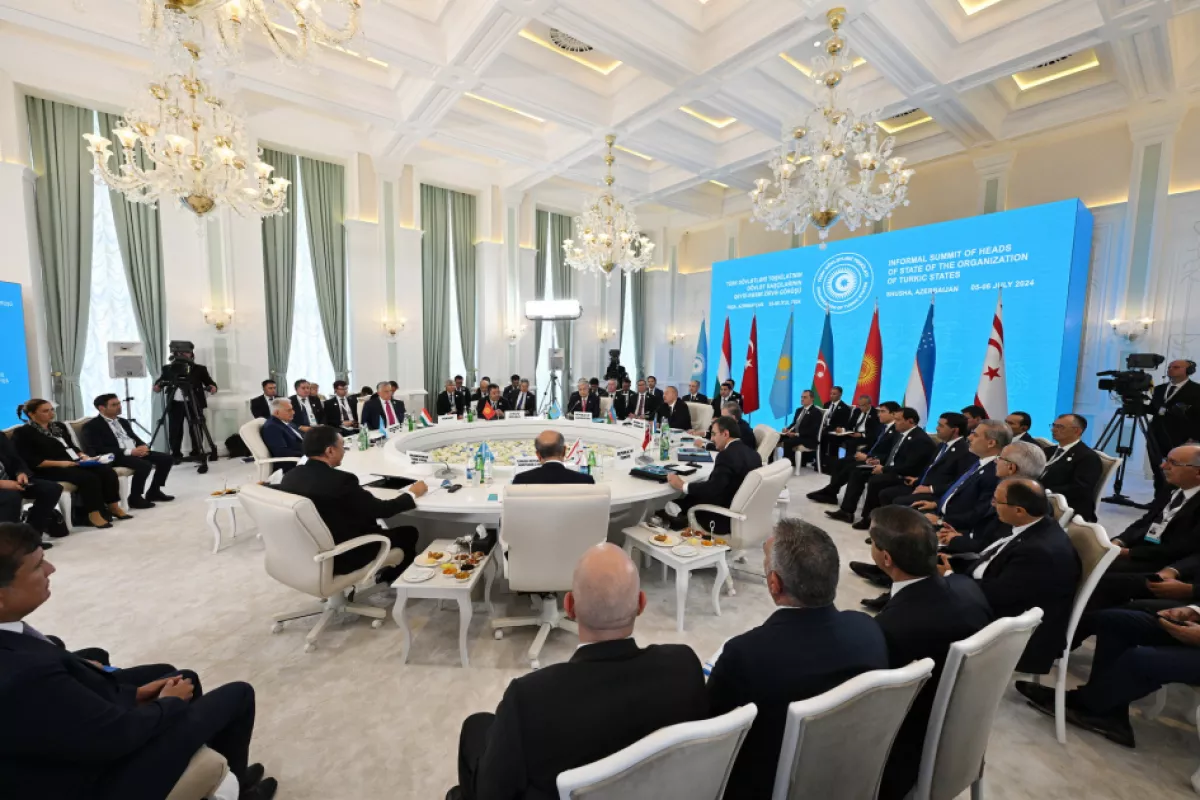
One of the clearest signs of Hungary’s commitment to comprehensive cooperation with the Turkic world was Prime Minister Orbán’s participation in the informal OTS summit in 2024, held in the Azerbaijani city of Shusha. This carried significant political weight, as Hungary was serving as the presiding country of the Council of the European Union at the time, and it demonstrated Budapest’s intention to support the promotion of the Organization’s initiatives in the European context.
As for bilateral relations between Baku and Budapest, they are strategic in nature, strengthened by the deep mutual respect between the leaders of the two states. Viktor Orbán has repeatedly spoken highly of President Ilham Aliyev, highlighting his leadership qualities. Notably, in 2023, during an official luncheon in honour of the Azerbaijani head of state held in Budapest, the Hungarian Prime Minister said: "I have learned so much from President Aliyev in the last ten years in how to lead the country so well in a very complex environment. Unfortunately, I couldn’t learn everything he knows. Because we are on the radical side, whereas he is a politician known for his more moderate views. I need to learn from him how to become more successful in the international arena in a moderate way."
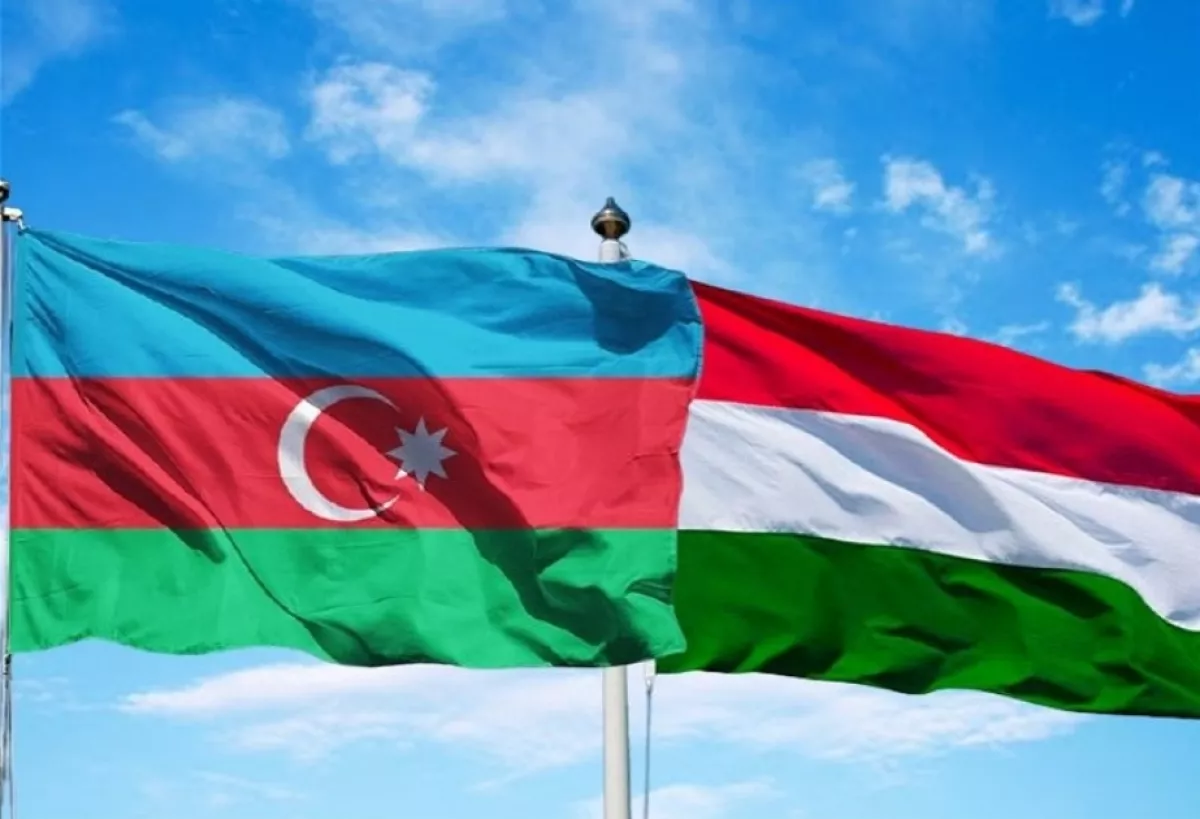
As we can see, Azerbaijani–Hungarian relations rest on a solid foundation, and Baku is keen to maintain them at their current level, as well as to support Viktor Orbán’s policy, which has already proven effective both in developing bilateral ties and in institutionalizing contacts between the Organization of Turkic States and European structures. In this context, the upcoming parliamentary elections in Hungary on April 12 take on particular significance, as they will determine the country’s future direction.
As is well known, Orbán’s party, Fidesz, faces serious competition from the opposition Tisza Party, led by Péter Magyar. According to a sociological survey, 38% of respondents predict an opposition victory, 36% support Fidesz, while 26% remain undecided, making the outcome highly uncertain. The fact that Magyar comes from within Orbán’s system adds an additional layer of intrigue to the elections.
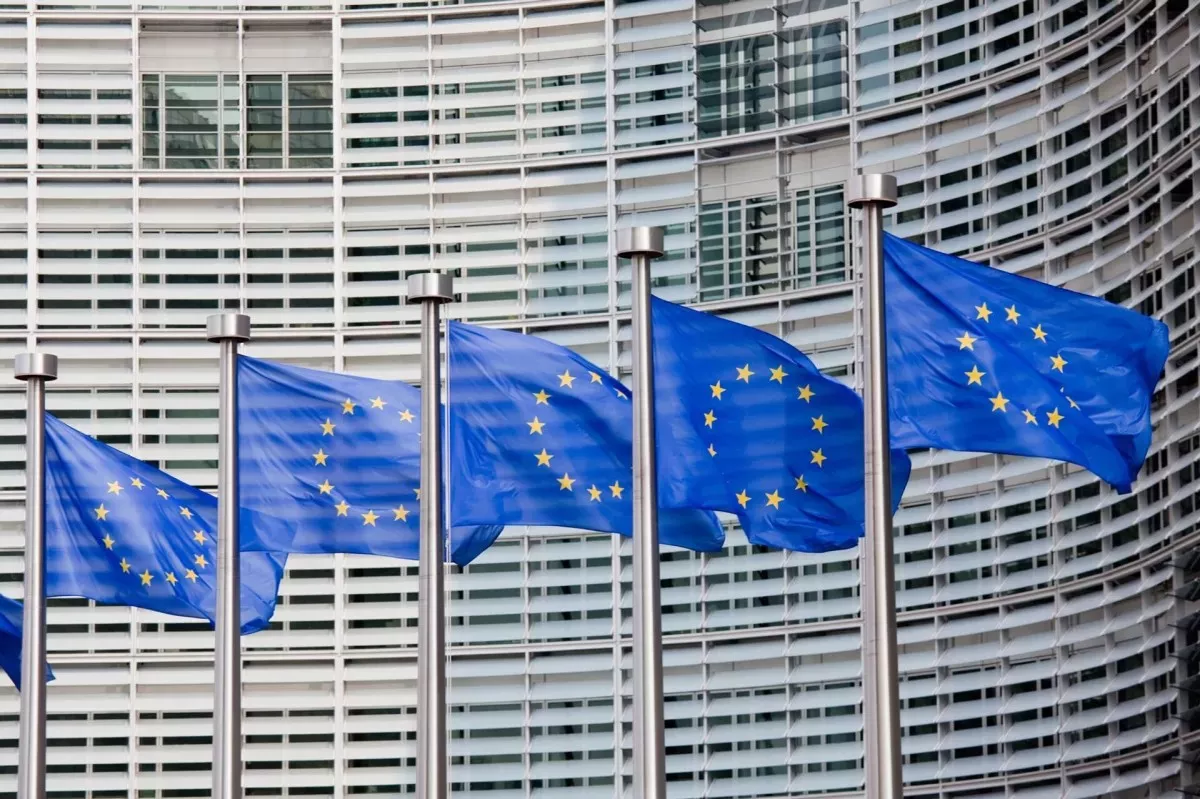
At the same time, European Union structures have made no secret of their interest in Orbán’s defeat, as Brussels is openly irritated by the Hungarian Prime Minister’s independent policies, particularly on issues related to Russia, China, and the Turkic countries. It is enough to recall the outrage in European circles over Orbán’s participation in the Shusha OTS summit. At the time, Josep Borrell, then Head of the EU’s External Action Service, stated that Viktor Orbán had not been mandated to represent the EU at the Organization of Turkic States summit.
On the other hand, the current Hungarian Prime Minister enjoys open support from the President of the United States, Donald Trump, who, on the social media platform Truth Social, emotionally urged Hungarians to “get out and vote for Viktor Orbán,” calling him “a true friend, fighter, and winner.”
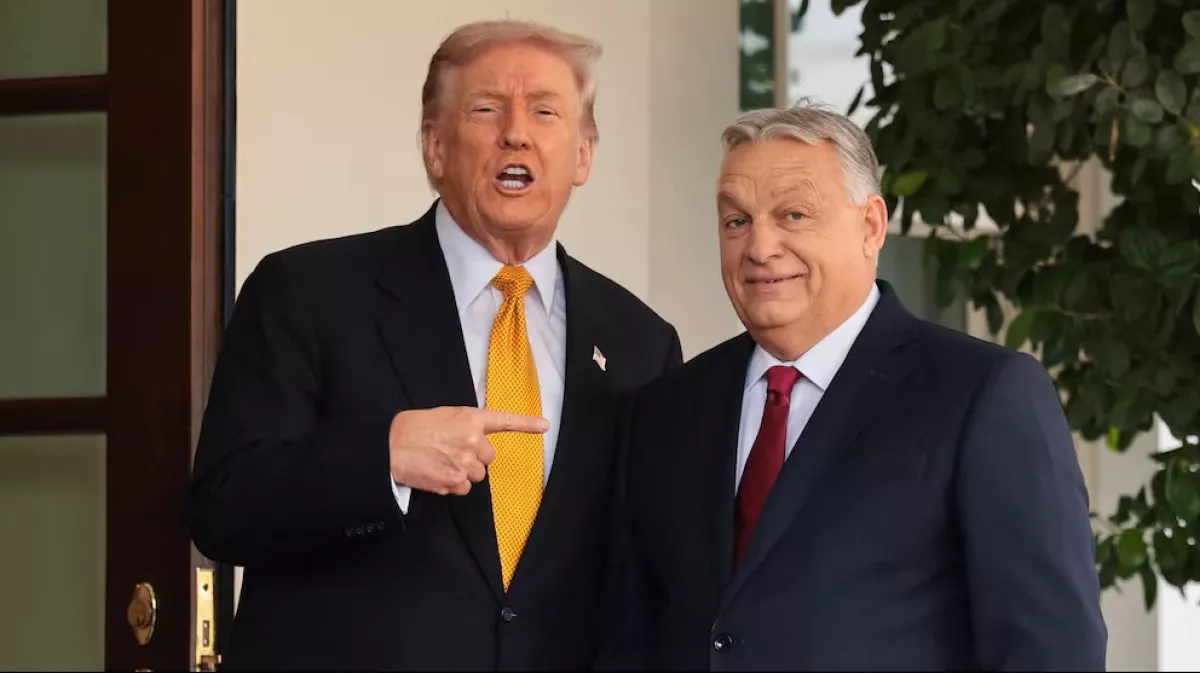
"Election Day is April 12, 2026. Hungary: GET OUT AND VOTE FOR VIKTOR ORBÁN. He is a true friend, fighter, and WINNER, and has my Complete and Total Endorsement for Re-Election as Prime Minister of Hungary — VIKTOR ORBÁN WILL NEVER LET THE GREAT PEOPLE OF HUNGARY DOWN. I AM WITH HIM ALL THE WAY!" – wrote the White House chief.
Support for Orbán has also been expressed by the Presidents of Poland, Karol Nawrocki, and Argentina, Javier Milei. In addition, the Hungarian Prime Minister’s independent policy is welcomed in several European countries, including Slovakia under the government of Robert Fico, supporters of Marine Le Pen in France, and the opposition party Alternative for Germany in Germany.
As we can see, the upcoming parliamentary elections in Hungary are in the spotlight of global leaders, and their outcome will undoubtedly play a decisive role in the country’s foreign policy, while also influencing many aspects of international relations, including Europe’s interaction with the Turkic world.







 editor@caliber.az
 +994 55 444-88-98
 Азербайджан, Баку, ул. Низами, 203, Af Business House, 5-й этаж